Daily Life · Taiwan
Taiwan: Für Elise at Six O'Clock
Breakfast queues that open before dawn, scooters crowding every street, and a nightly ritual where whole neighbourhoods step outside at the sound of a truck playing Beethoven
By Worldlore Editorial · 30 September 2026
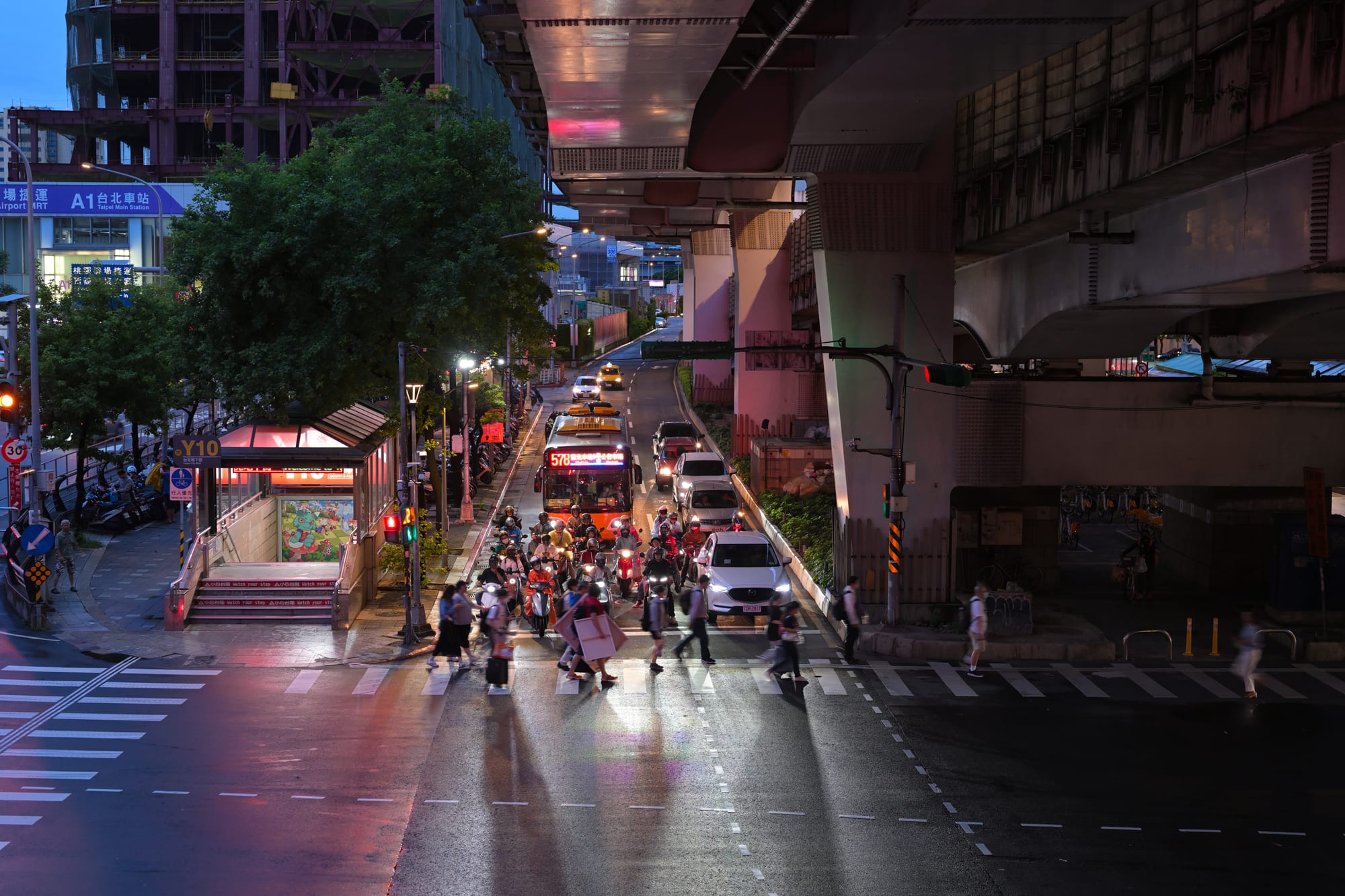
Taiwan runs on a dense, orderly rhythm that rarely stops for long. Breakfast shops selling soy milk and rice rolls open before most people are properly awake, scooters thread through every street in huge numbers, and a convenience store is rarely more than a few minutes' walk away, whatever the hour. Night markets keep the evening going in every city and many small towns, and temples, tucked between shopfronts and apartment blocks, remain genuinely busy rather than ceremonial. Woven through all of it is a society growing older and having fewer children than almost anywhere else on Earth, a fact that is quietly reshaping households, schools and neighbourhoods at the same time.
Family and home life
Family obligation and respect for elders remain widely observed values, and it is still common for adult children, especially unmarried ones, to live with their parents well into adulthood, partly a matter of custom and partly a response to Taipei's high housing costs. Multigenerational households persist, particularly outside the biggest cities, though they have grown less common as younger Taiwanese move to Taipei, Taichung and Kaohsiung for work. The defining demographic fact of family life today is Taiwan's birth rate, which fell to about 0.7 children per woman in 2025, the lowest national rate in the world, with annual births falling sharply over the past decade; the government now offers subsidies to encourage larger families, and the shrinking number of children is already leading to the merger or closure of some rural elementary and middle schools.
Work, school and the rhythm of the day
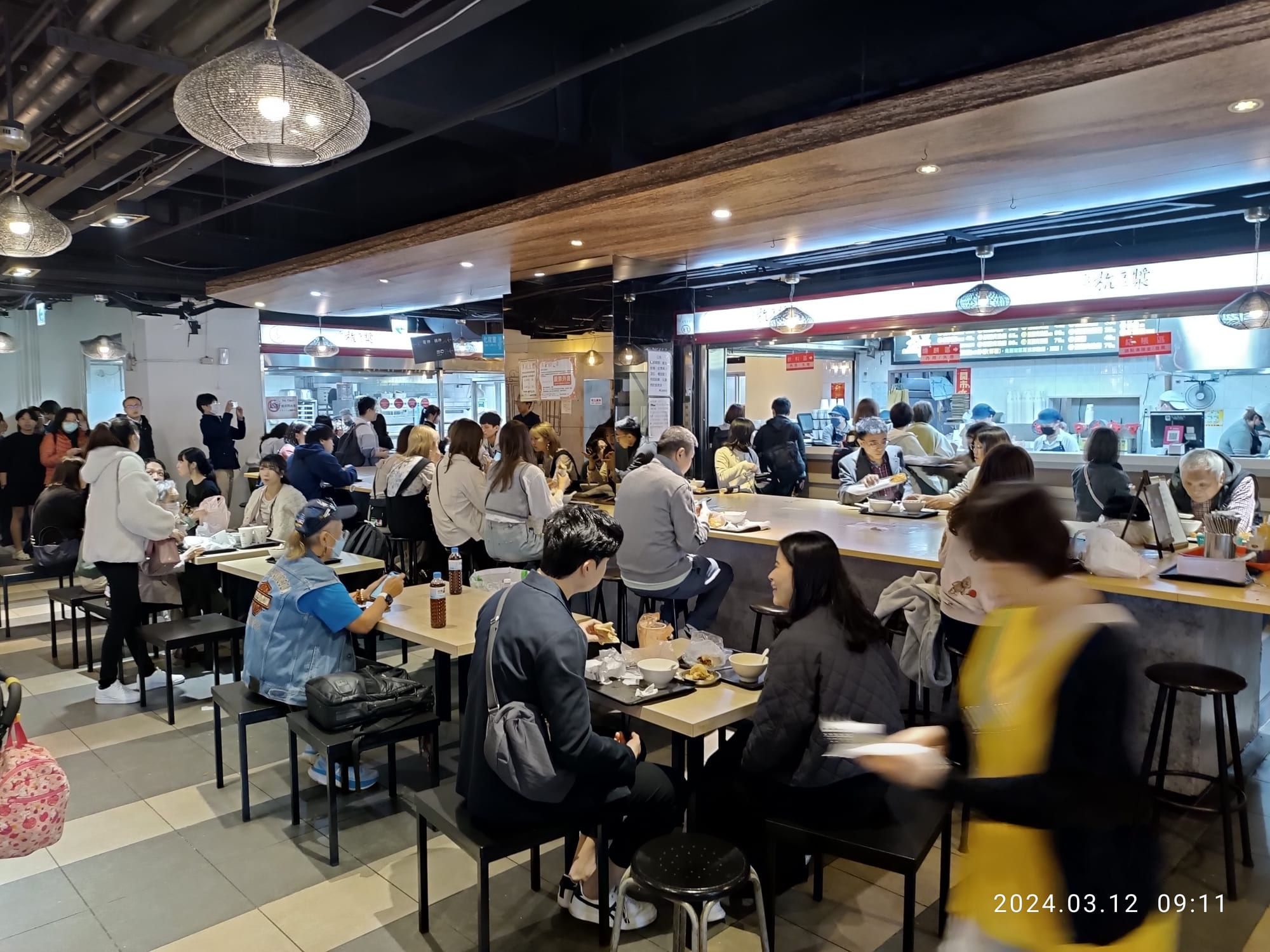
The legal working day is eight hours, but long and often unpaid overtime is widely reported, particularly in the technology and manufacturing sectors that anchor the economy. The day typically starts early: breakfast shops serving soy milk, rice rolls and fried dough sticks open from around six in the morning and draw a genuine morning queue of people eating on the way to work or school. School days are long by international standards, and it is common for children to go on to a cram school, or buxiban, for several more hours of study after regular classes end, particularly ahead of the competitive exams that shape entry to senior high school and university.
Community life and public spaces
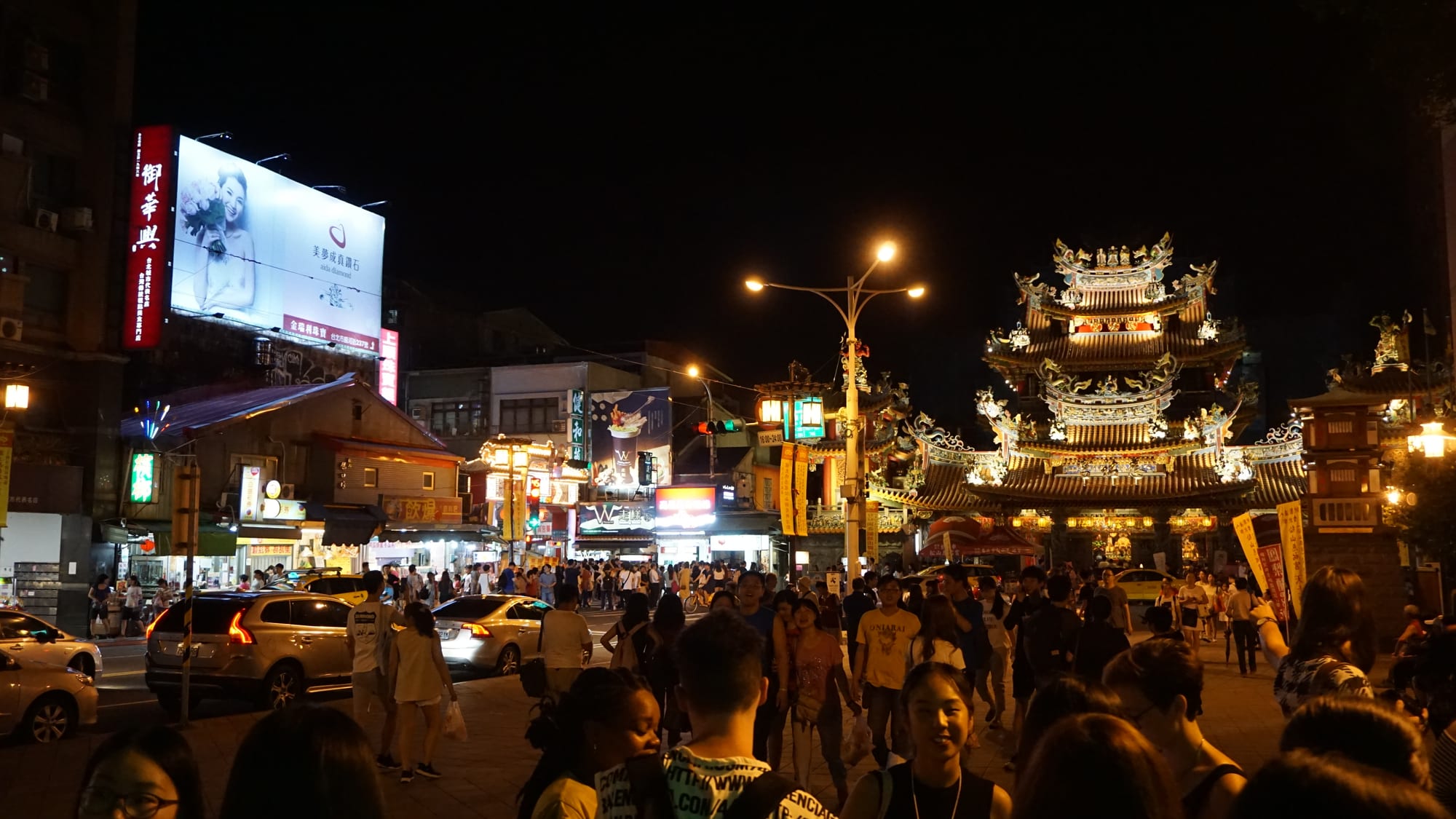
Night markets are the country's most distinctive public space, open most evenings in every city and many towns, mixing food stalls, games and cheap shopping in a format that functions as much as a social gathering point as a place to eat. Folk-religion temples, dedicated to figures such as Mazu and Guan Gong, sit within ordinary streets rather than apart from them, and stay genuinely active with worshippers burning incense and leaving offerings rather than serving mainly as sightseeing stops. Convenience stores, found at one of the highest densities per person in the world, function as a kind of informal civic infrastructure: most stay open around the clock and are used for paying utility bills, printing documents, collecting parcels and buying train tickets, not just for snacks.
Free time and weekends
Weekends bring family meals, temple visits and, for many households, a trip to a night market or a day out in the mountains or on the coast, both within easy reach of most cities. Hiking is a genuinely mainstream pastime given Taiwan's mountainous interior, and hot-spring bathing is a popular day or weekend trip near Taipei and several other cities. Baseball draws consistent crowds and is generally treated as the national sport, while karaoke, or KTV, remains a common way for friends and colleagues to spend an evening.
A visitor's ordinary day
Payment is straightforward: an EasyCard or similar stored-value card covers buses, the metro, trains and purchases at convenience stores, and most places in cities accept cards, though small shops and night-market stalls often expect cash. Public transport is extensive and reliable in the cities, and the high-speed rail line down the west coast makes long distances quick, but scooters dominate the roads and pedestrians should watch carefully when crossing, since right turns across a crossing are common even on a green light. Shops and restaurants generally keep long, flexible hours, and a convenience store is rarely far away for anything urgent, day or night.
What to take away
What defines an ordinary day in Taiwan is less any single custom than the sheer density of small, reliable rituals stacked through it, from the breakfast-shop queue to the evening trash truck, that make a famously busy place still feel orderly and close-knit.