Attractions & Natural Wonders · Taiwan
Taiwan: Ten Attractions and Natural Wonders
A skyscraper engineered to sway safely through typhoons and earthquakes, a marble-walled gorge carved by one of the island's wildest rivers, and a mountain town still lit by red lanterns after dark
By Worldlore Editorial · 10 September 2026
An island of mountains, cities, and street food
Taiwan, a densely populated island off the southeastern coast of mainland China, packs dramatic mountain scenery, a distinctive night-market food culture, and a complex political history into a compact area. Its capital, Taipei, blends cutting-edge engineering with traditional temples and markets, while the island's mountainous interior holds some of East Asia's most striking gorge and lake scenery within easy reach of the cities.
The ten below run from Taipei to the island's central mountains, east coast, north coast, and southern tip. Spring and autumn generally offer the most comfortable weather; typhoon season runs roughly from July to October.
1. Taipei 101
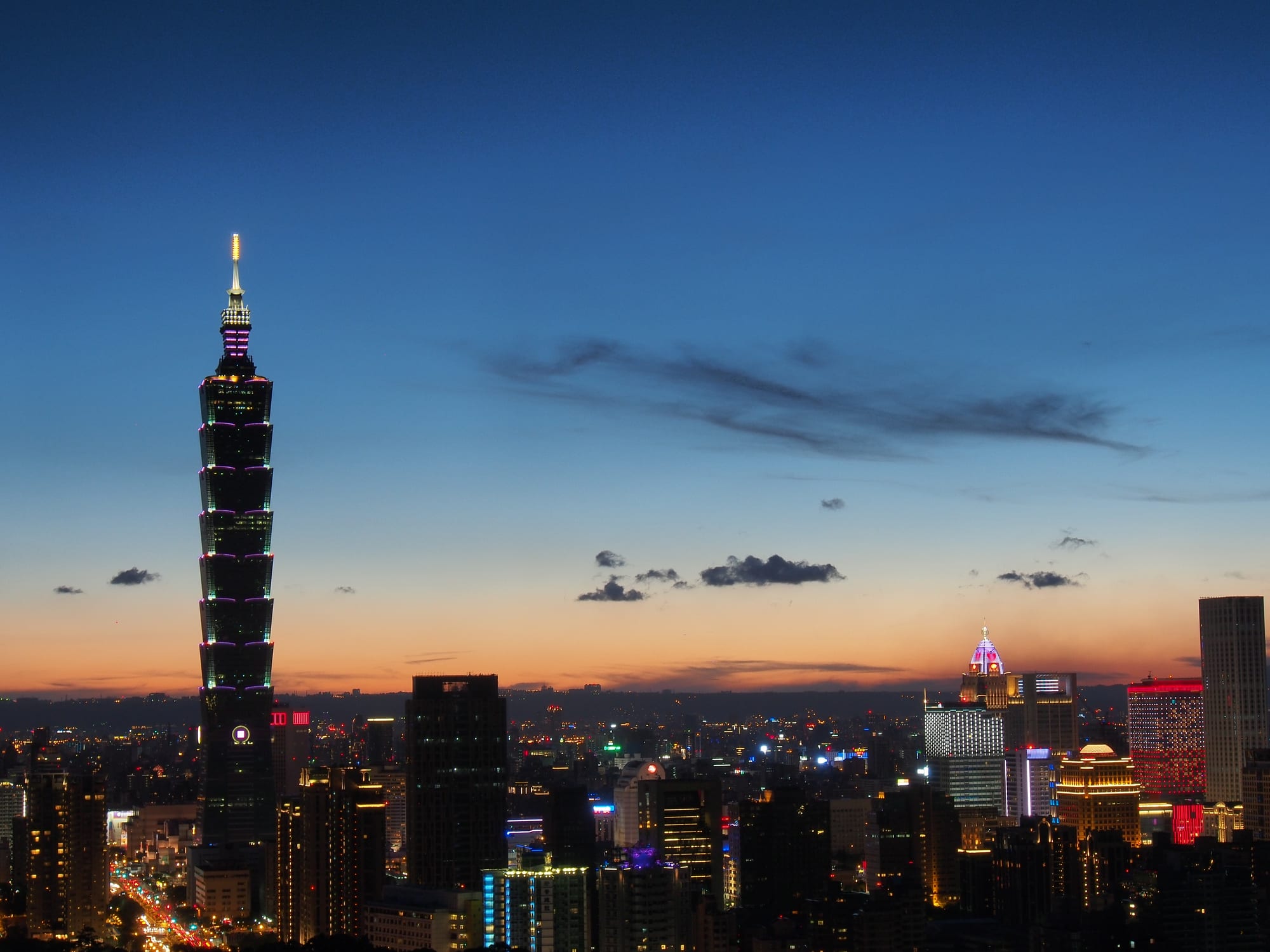
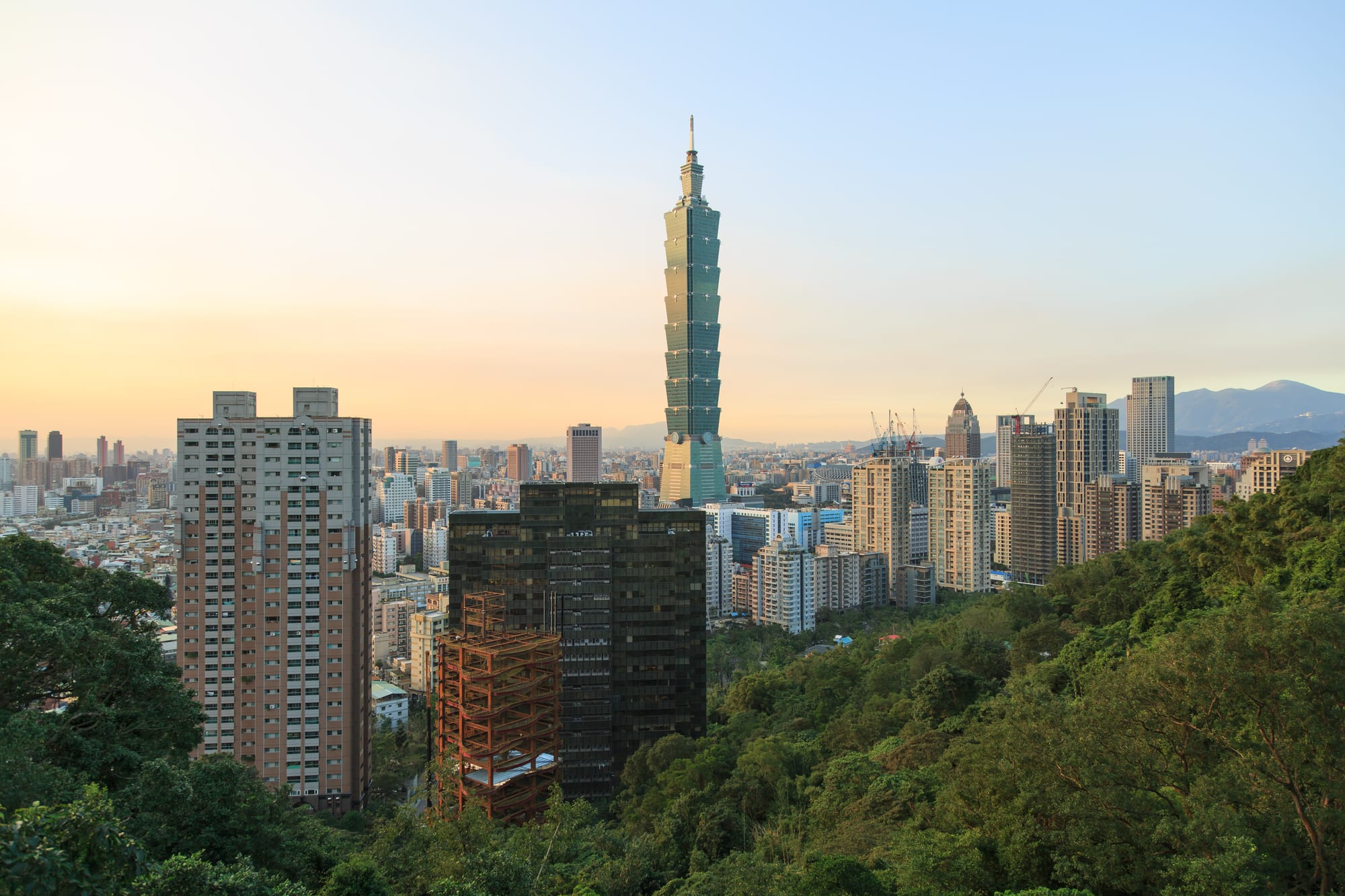
Taipei 101, the tallest building in the world when completed in 2004, was engineered with a massive 660-tonne steel pendulum near its top to counteract sway from the island's frequent typhoons and earthquakes — the damper is visible to visitors on the observation deck, along with sweeping views over the capital. Its design, echoing a traditional pagoda and bamboo stalk, was deliberately chosen to reflect Chinese cultural symbolism.
2. Taroko Gorge
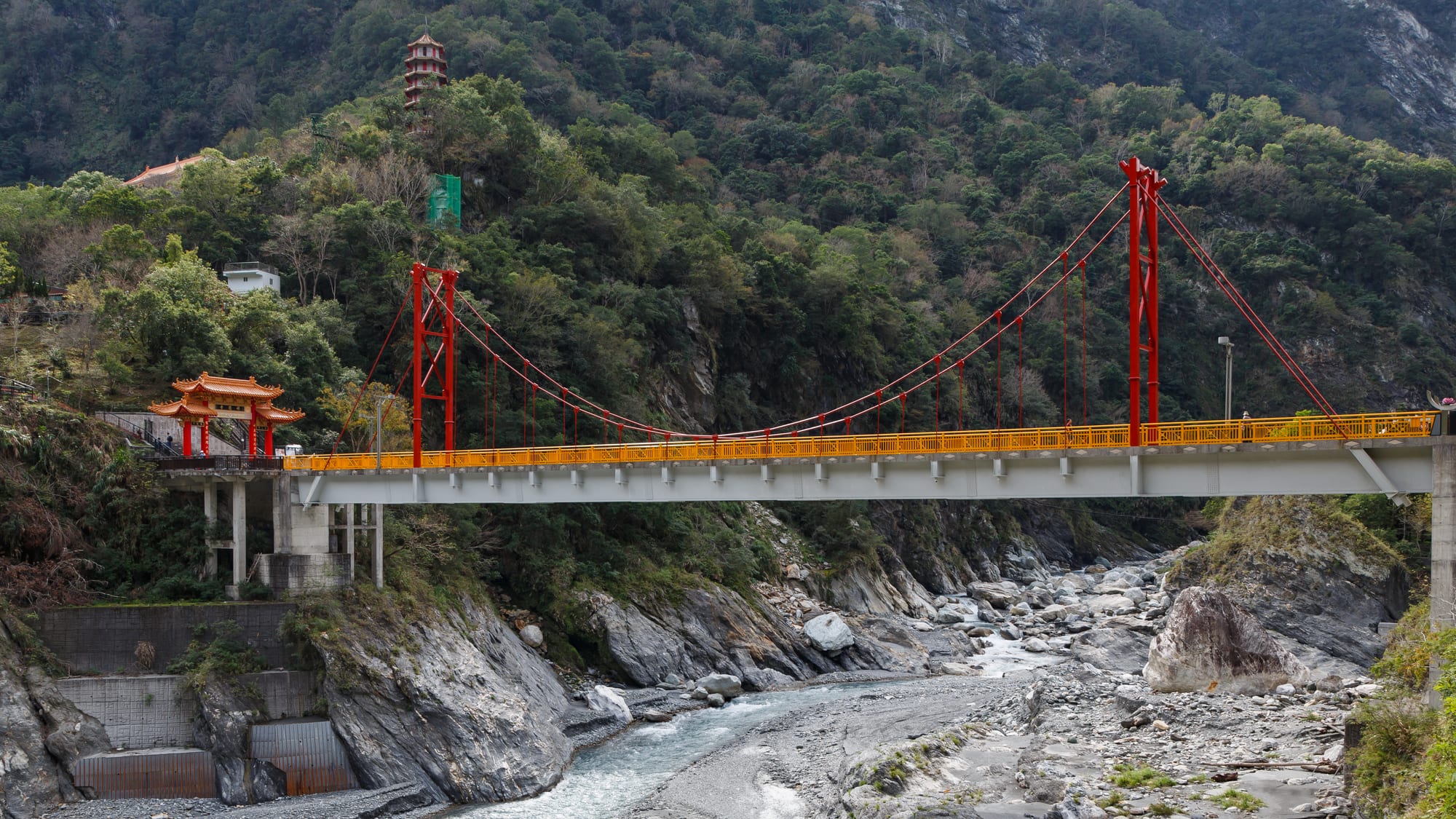
Taroko Gorge, carved by the Liwu River through solid marble bedrock over millions of years, is one of Taiwan's most dramatic natural landmarks — sheer cliff walls, suspension bridges, and hiking trails cut directly into the rock face give access to a landscape found in few other places on earth. The gorge anchors Taroko National Park, one of the island's most visited protected areas.
3. Sun Moon Lake
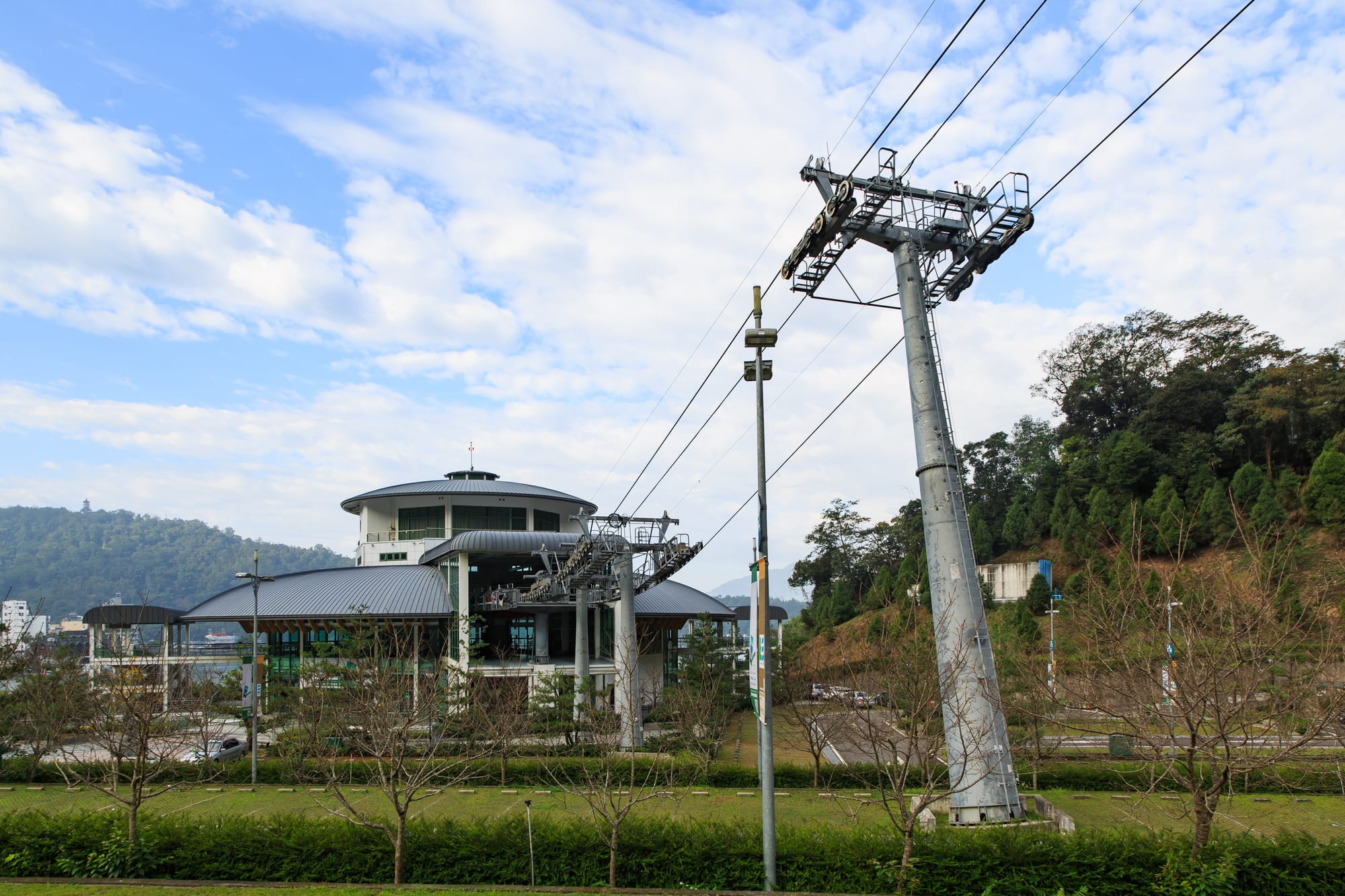
Sun Moon Lake, Taiwan's largest natural lake, takes its name from the contrasting shapes of its eastern (round, "sun") and western (crescent, "moon") sections. Ringed by mountains and home to the Indigenous Thao people, it can be explored by boat, cable car, or a lakeside cycling path regularly rated among the most scenic in Asia.
4. Jiufen
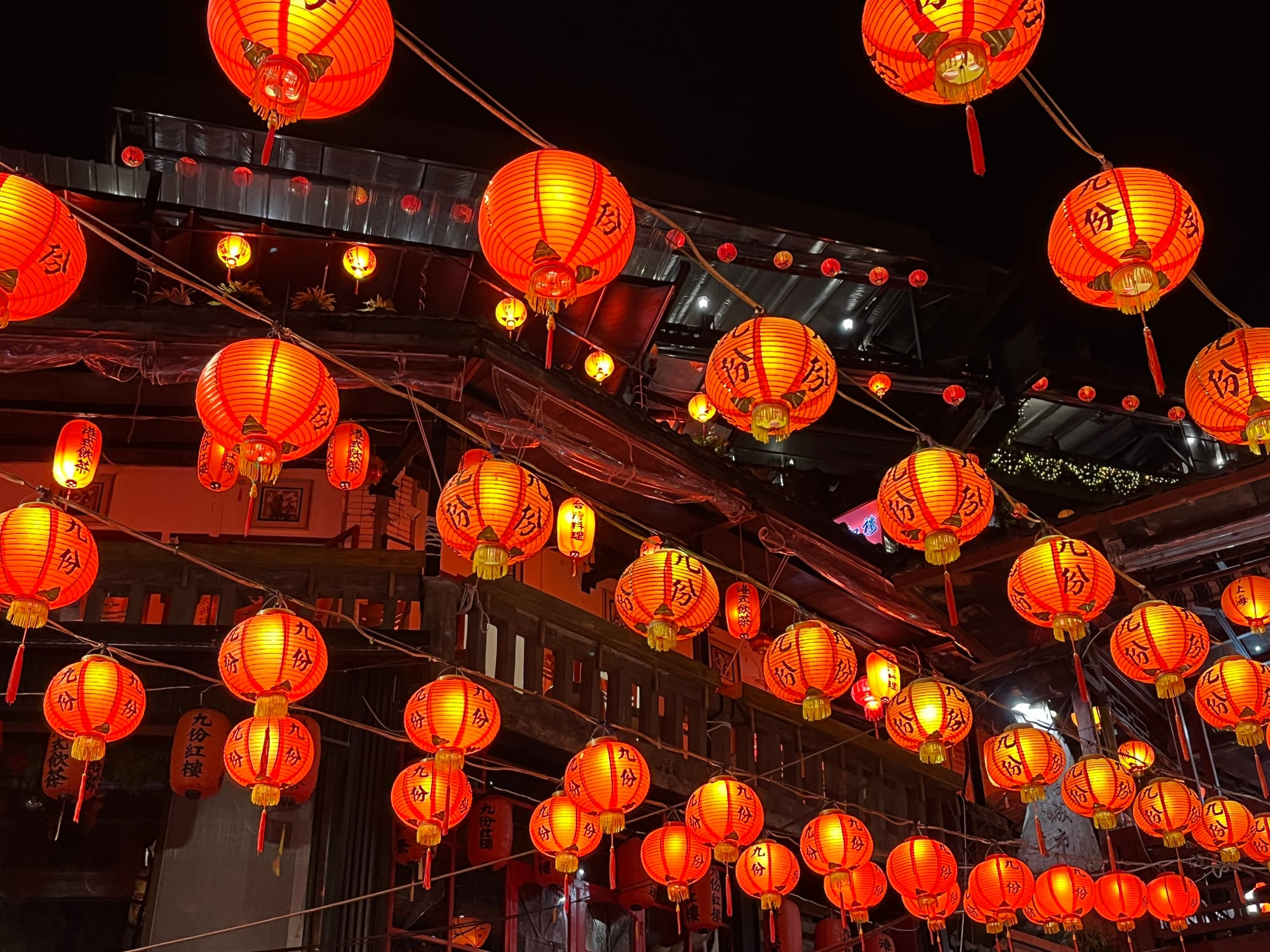
Jiufen, a former gold-mining town clinging to a steep mountainside above Taiwan's northeast coast, is known for its narrow lantern-lit lanes and teahouses, said to have partly inspired the setting of Studio Ghibli's animated film Spirited Away. Its winding streets and sea views draw large numbers of visitors, especially in the evening once the red lanterns are lit.
5. The Chiang Kai-shek Memorial Hall
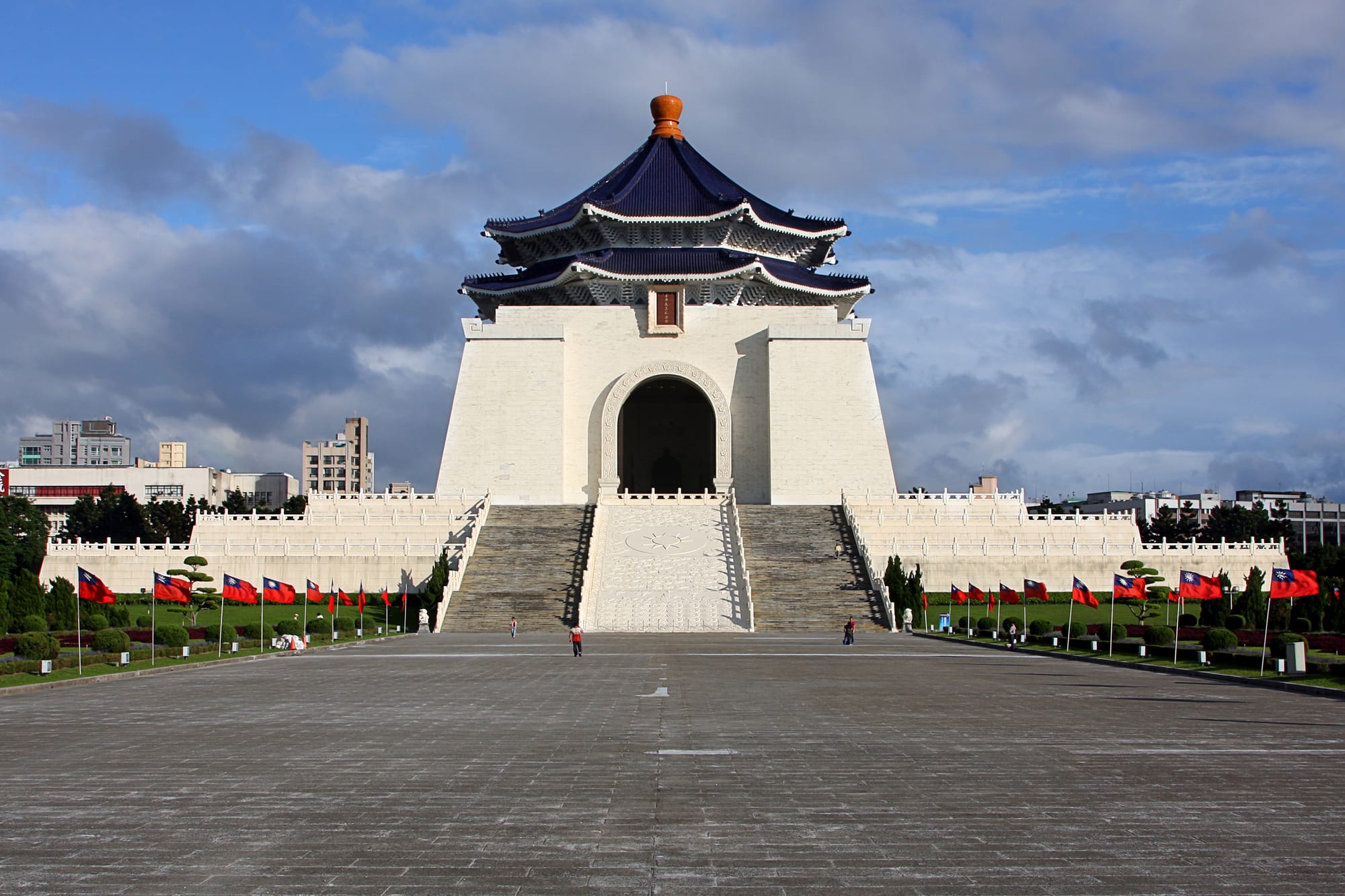
The Chiang Kai-shek Memorial Hall, honouring the Republic of China leader who oversaw the Nationalist government's retreat to Taiwan in 1949 after the Chinese Civil War, remains a striking (and politically contested) landmark in central Taipei, its hourly changing-of-the-guard ceremony drawing visitors alongside those interested in the complex history it represents.
6. Taiwan's temple and night-market culture
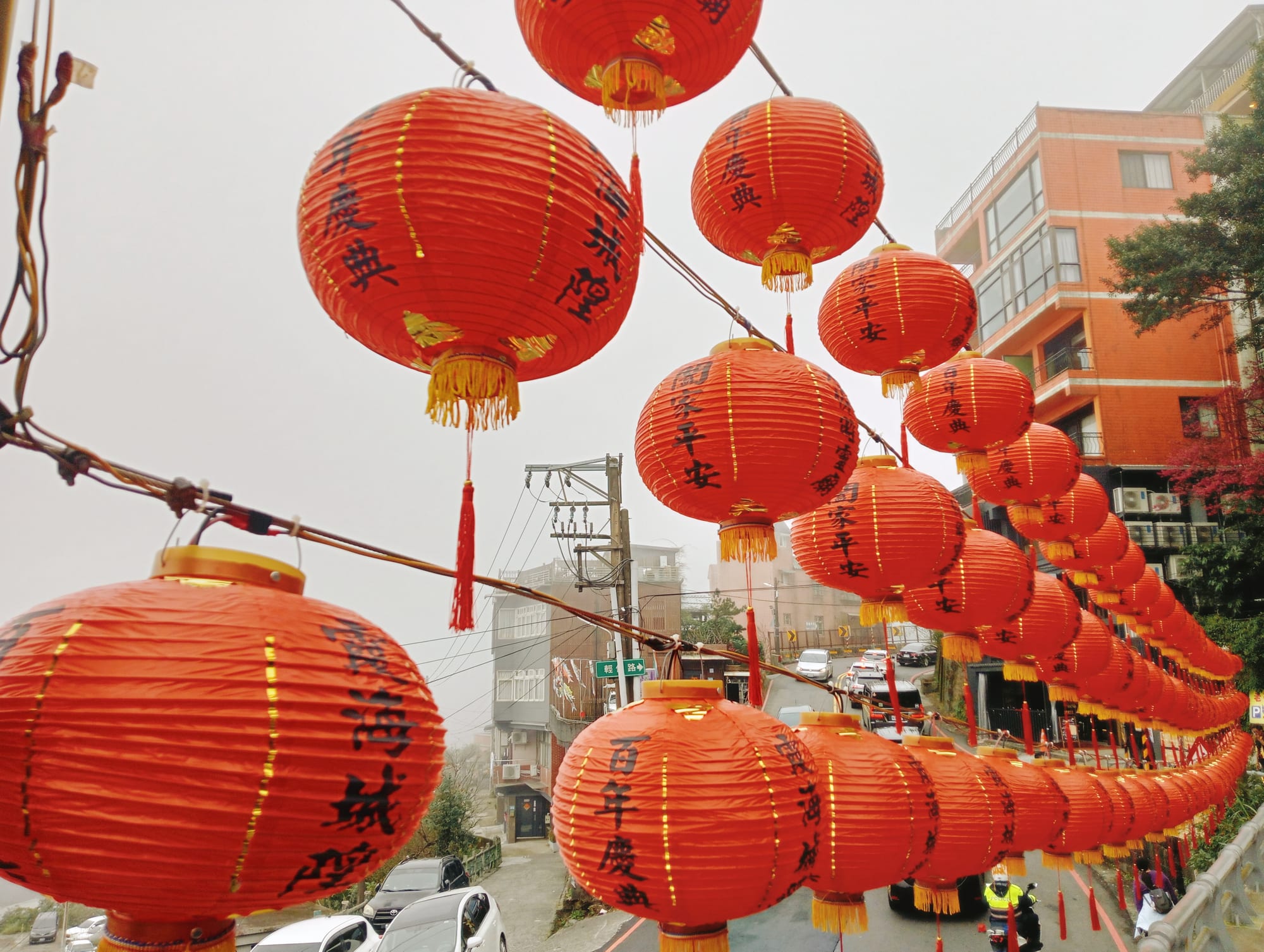
Beyond its landmark sights, Taiwan's daily life is shaped by an active folk religious culture — temples large and small found in every neighbourhood — alongside a night-market food scene widely regarded as among the best in Asia, with dishes like beef noodle soup, oyster omelettes, and stinky tofu served late into the evening across cities island-wide.
7. Alishan
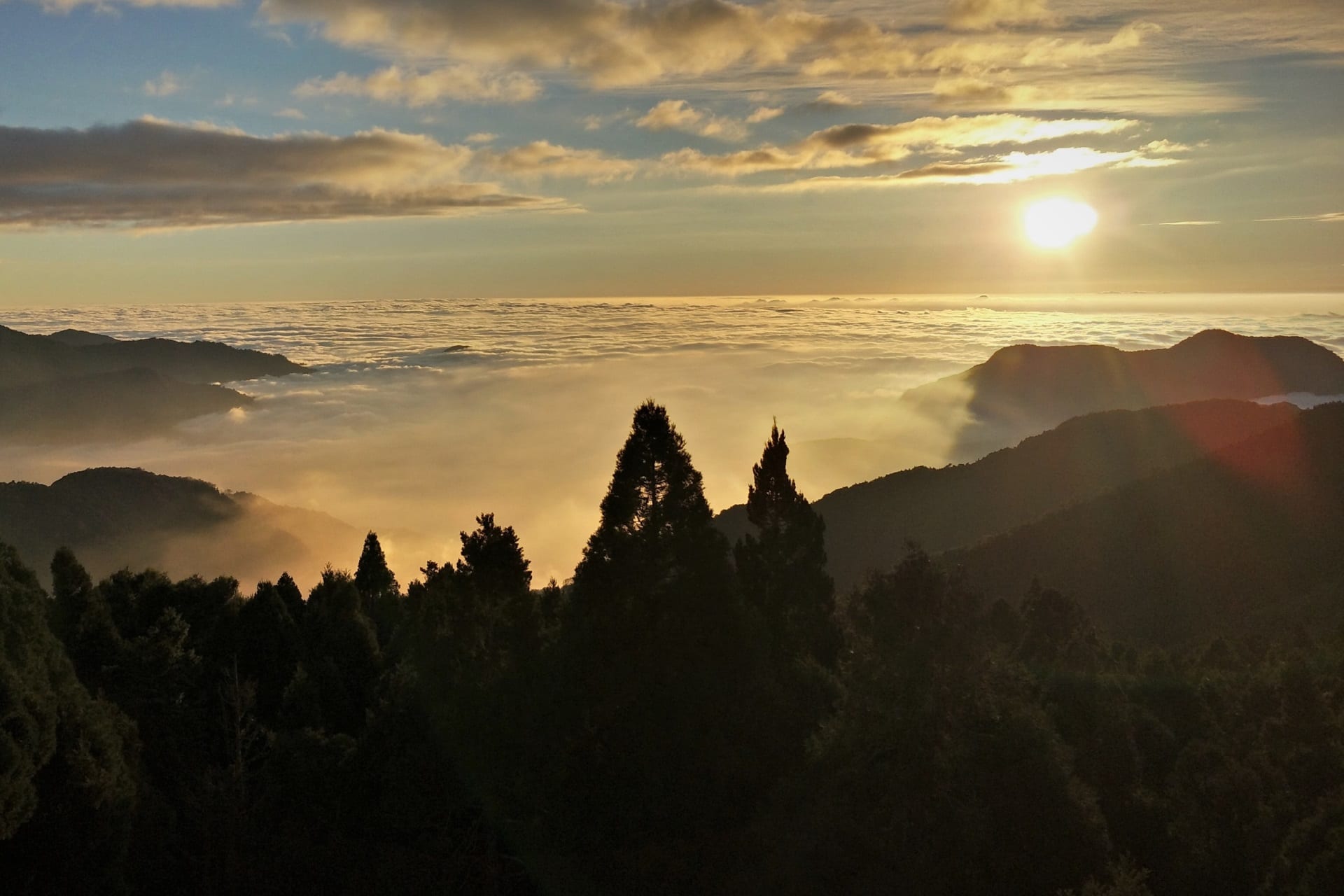
Alishan, a mountain area in central Taiwan famous for its "sea of clouds," draws visitors before dawn to catch sunrise above a rolling blanket of cloud from its ridgelines, often reached aboard a narrow-gauge alpine railway built by the Japanese over a century ago to log the area's red cypress forest.
Surviving groves of centuries-old cypress and cedar trees, along with tea plantations that produce some of Taiwan's most prized high-mountain oolong, round out the area's appeal beyond the sunrise views.
8. Yehliu Geopark
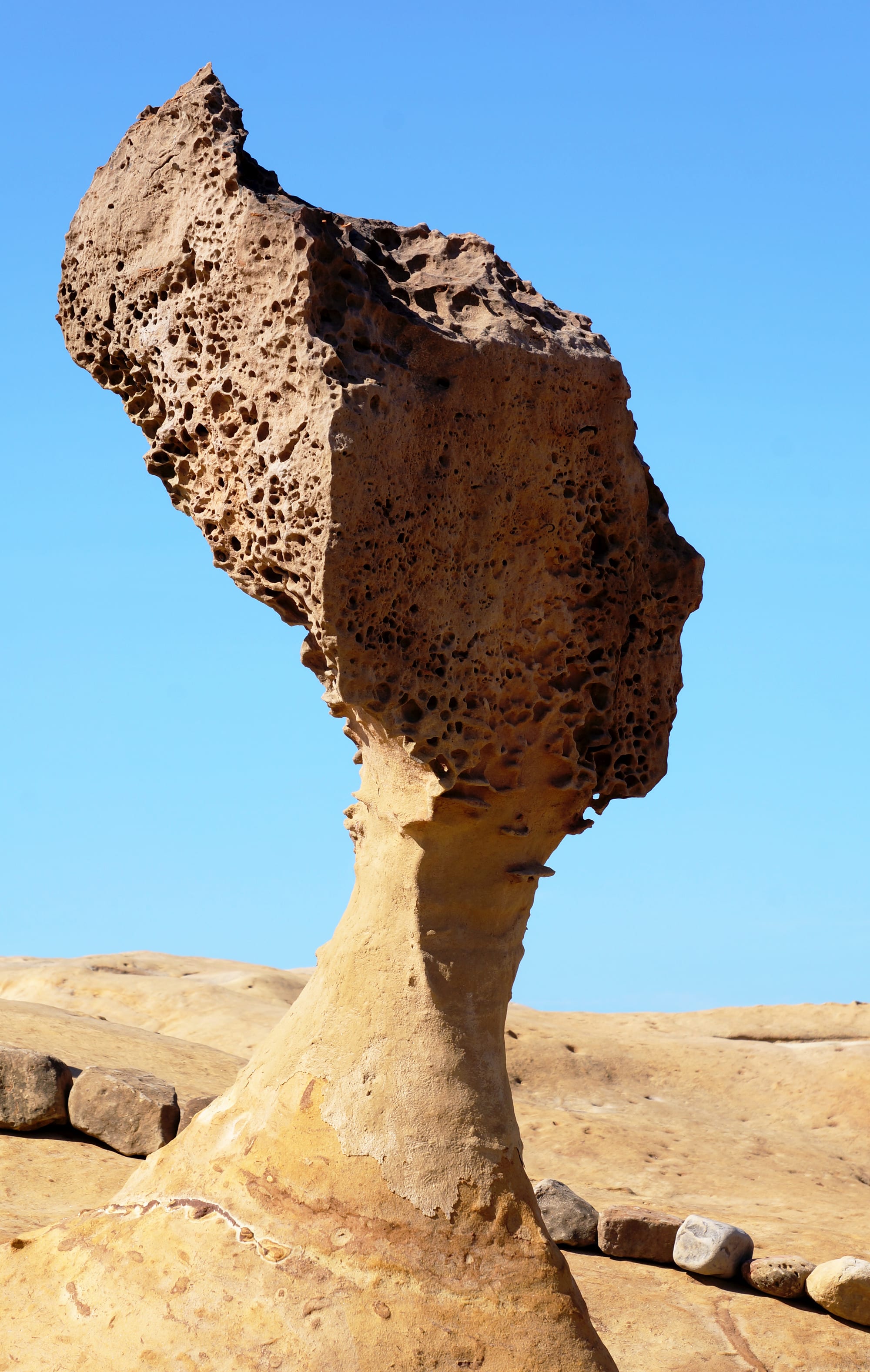
Yehliu Geopark, on Taiwan's north coast, holds an otherworldly landscape of mushroom-shaped rocks sculpted from sandstone by centuries of sea erosion and weathering, the most famous — the "Queen's Head" — resembling a slender royal profile balanced improbably on a narrow eroded neck.
The formation is slowly eroding further and is expected to eventually break off entirely, giving the site's most photographed rock a finite, if unpredictable, lifespan.
9. The National Palace Museum
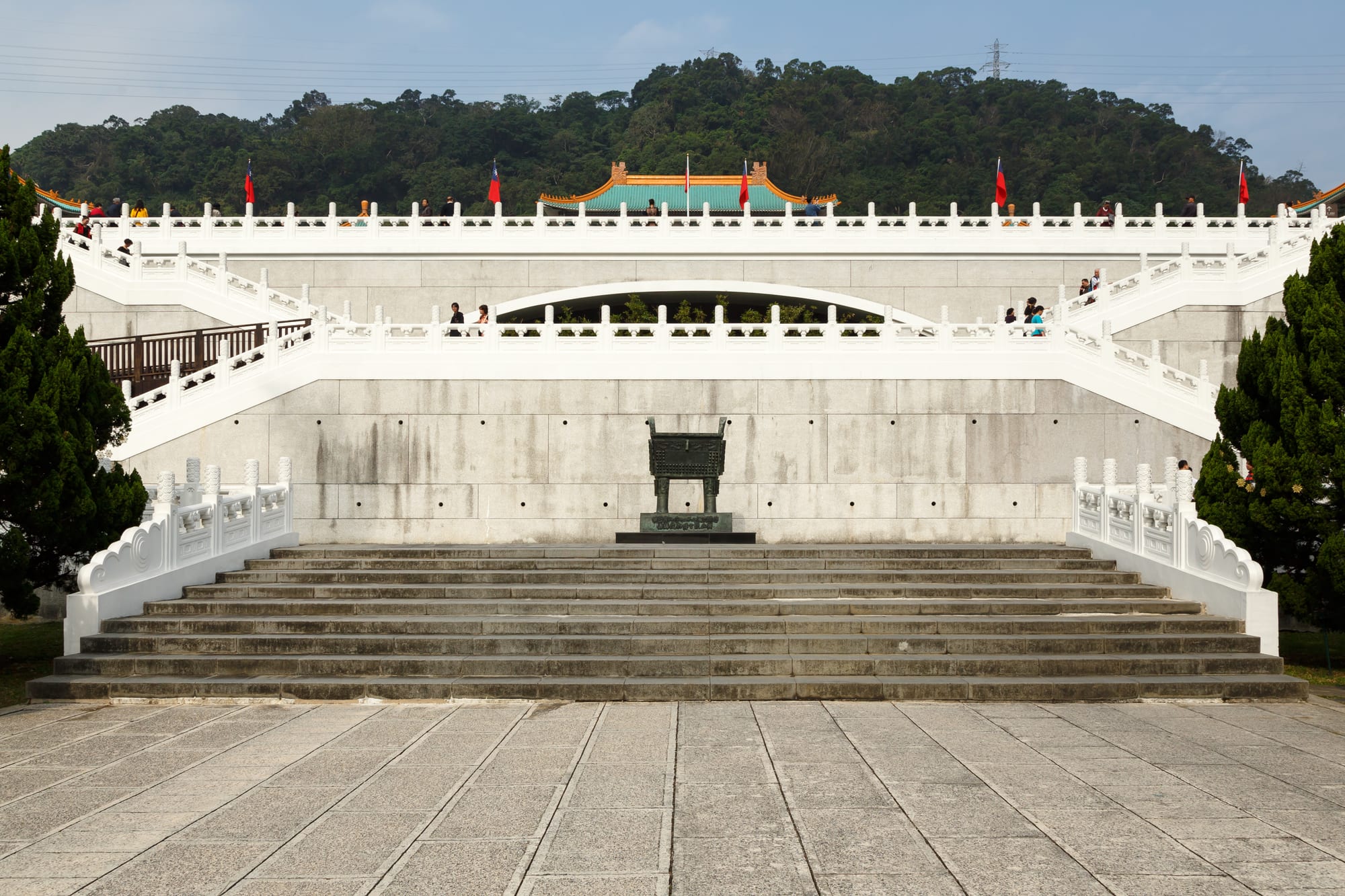
The National Palace Museum holds one of the largest and most significant collections of Chinese imperial art and artefacts in the world, most of it evacuated from Beijing's Forbidden City by the Nationalist government during its 1949 retreat to Taiwan — a collection so vast that only a small fraction is on display at any given time, rotated periodically from storage.
Highlights include intricately carved jade sculptures and a piece of jasper carved to resemble a cut of braised pork, among the museum's most popular and photographed objects.
10. Kenting National Park
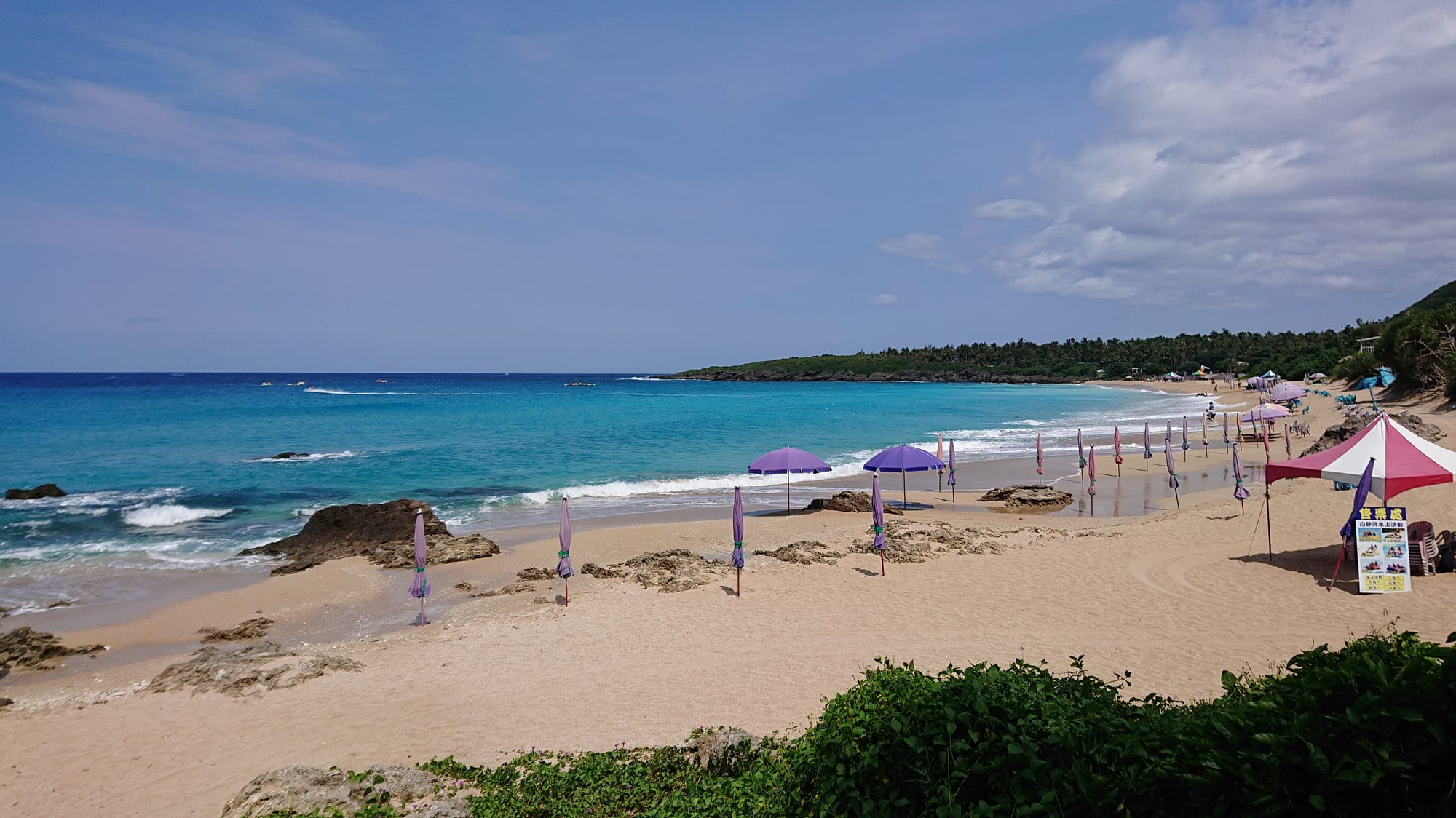
Kenting, at Taiwan's tropical southern tip, is the island's premier beach destination, its national park combining coral reefs and turquoise bays with coastal cliffs, grasslands, and a lively beach-town nightlife scene that draws crowds especially during the summer.
The area's mix of snorkelling, surfing, and after-dark night markets gives it a noticeably more laid-back, resort-town character than the rest of the island.
Taiwan suits a week to ten days: Taipei as a base for a few days (with easy add-ons to Yehliu and the National Palace Museum), combined with a trip to Taroko Gorge and Alishan, Sun Moon Lake in the central mountains, and Kenting for beach time at the southern tip, with the island's extensive high-speed rail network making most connections fast and straightforward.