Culture & Customs · Syria
Syria: Refuse Once, Then Accept
A country of many faiths and communities where an unexpected guest stops the household, an offer is politely declined before it is accepted, and honour is measured in generosity
By Worldlore Editorial · 30 September 2026
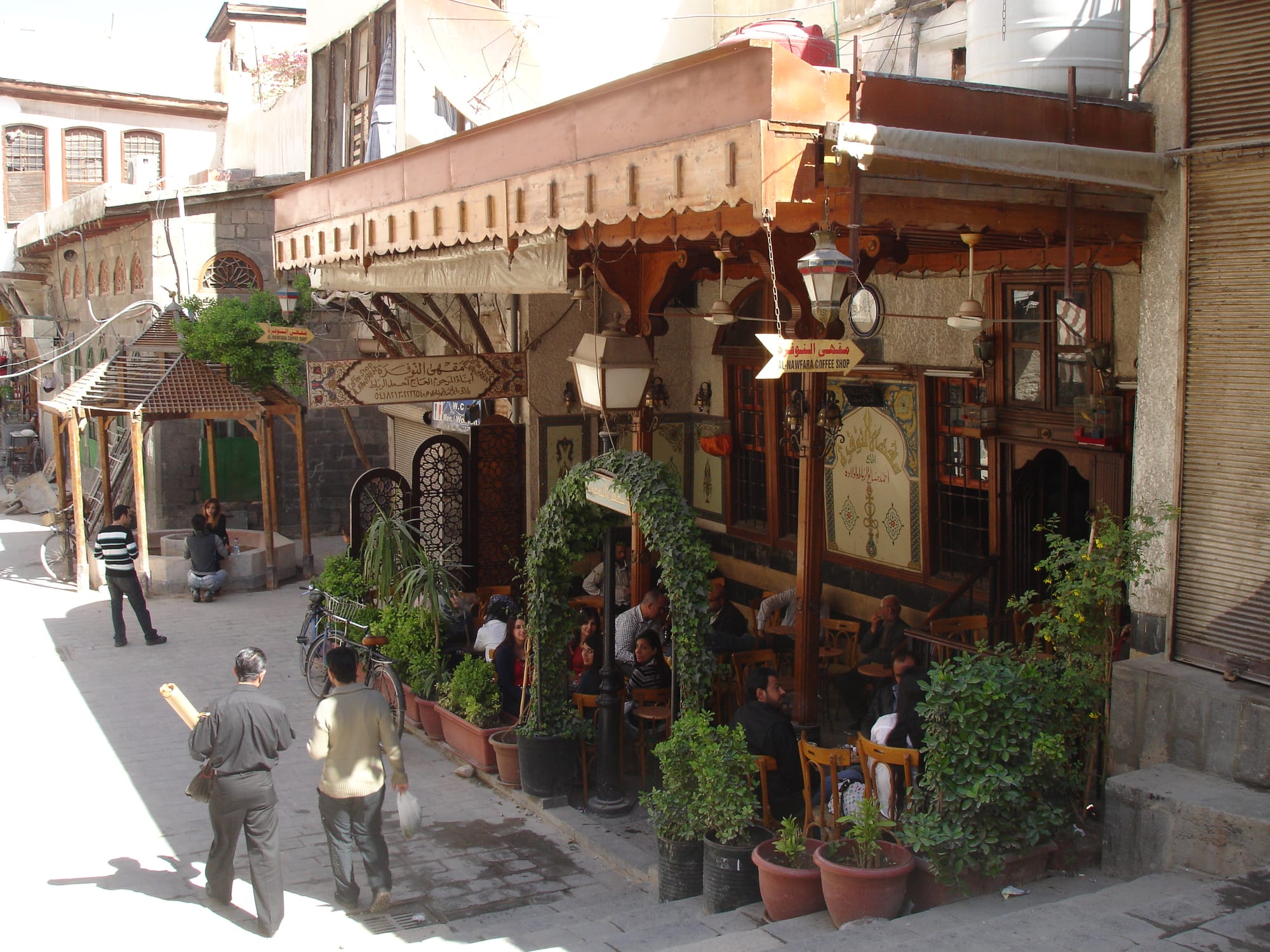
There is a knock at the door, and nobody was expected. In a Syrian home this is no cause for irritation. Whatever the family was doing is set aside, the visitors are shown to the best seats, and something to drink appears. When the host offers food, the guest says no, thank you, and the host asks again, more firmly. Only then does the guest accept. The small exchange is not a game. The first refusal shows modesty; the insistence shows sincerity; the acceptance honours the host. In a country that has lived through more than a decade of war, the rules of welcome have been tested hard, but they remain one of the clearest windows onto how Syrians think about honour, family and one another.
This article is written to explain Syrian culture, not to encourage travel: most governments currently advise against all, or all but essential, travel to the country.
Faith, identity and values
Syria is one of the most religiously and ethnically varied countries in the Middle East. Figures from the CIA World Factbook, cited by the Cultural Atlas, put Muslims at around 87 per cent of the population, most of them Sunni, with around 13 per cent belonging to Shia traditions, chiefly Alawites, alongside smaller Ismaili and Twelver Shia communities. Christians of many churches made up around 10 per cent before the war, though emigration has since reduced their share sharply, and Druze, a small number of Jews and people of no religion account for the rest. These are estimates, and years of displacement mean the true picture is uncertain. Alongside the Arab majority live Kurds, Armenians, Assyrians, Turkmen and Circassians, each with their own languages and customs.
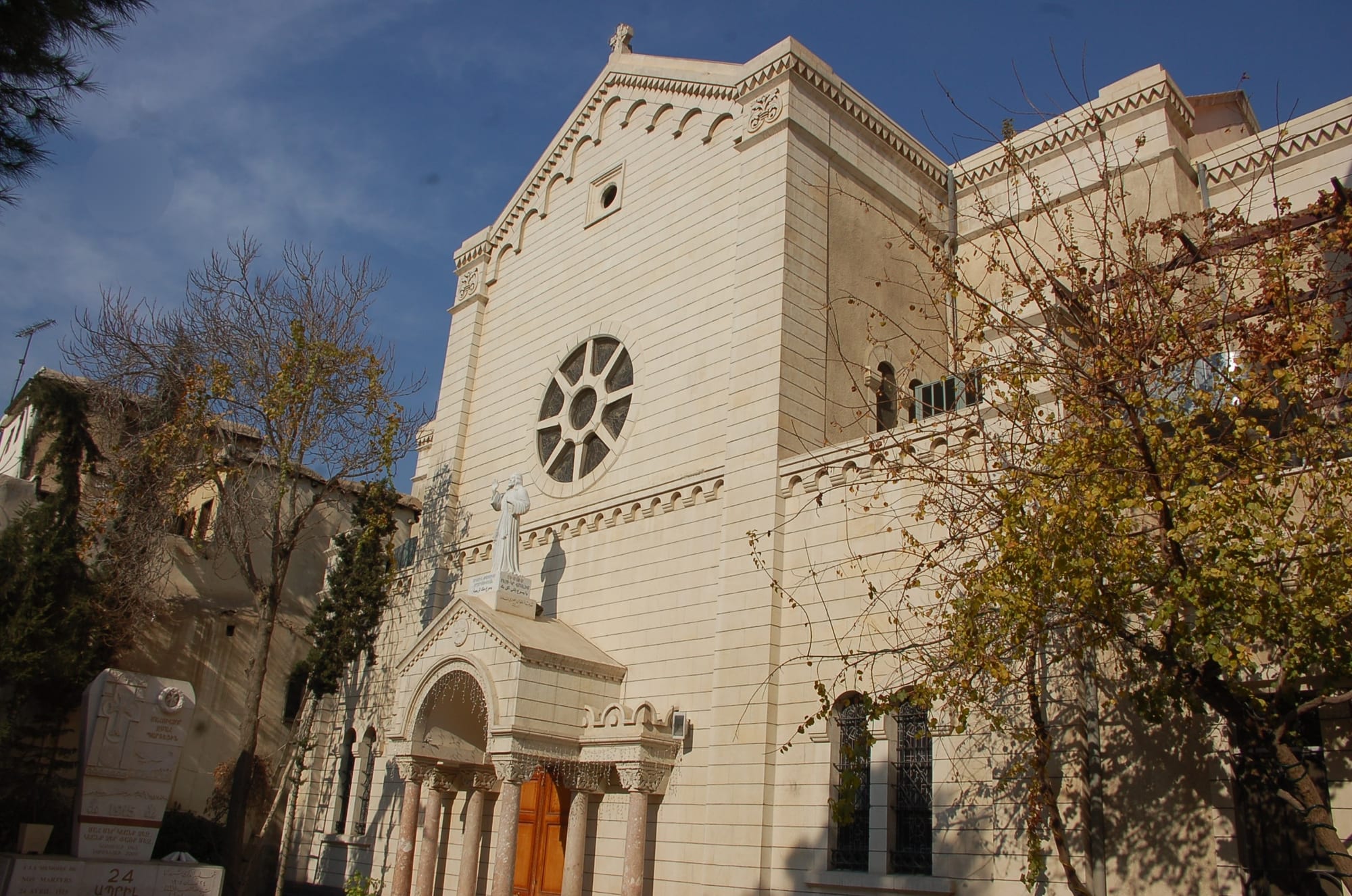
The communities differ in practice as well as belief. According to the Cultural Atlas, Alawite and Druze traditions do not require the ritual duties followed by Sunni Muslims, and the Druze faith is closed, accepting no converts. Even among Sunnis, observance varies widely, sometimes within a single family. Syria's older cities have long held mosques, churches and synagogues within the same walls, and both Muslim and Christian holidays are observed nationally. The civil war that began in 2011, and the fall of the Assad government in December 2024, placed heavy strain on those relationships, and the place of each community in the country's future is one of the questions facing the transitional authorities.
Beneath these differences lie shared values. The Cultural Atlas places honour at the centre: conduct reflects not only on the individual but on the whole family name, so conservative behaviour is the norm and shame is something to be carefully avoided. Honour is earned largely through generosity, and pride is taken in being helpful, hospitable and charitable. Loyalty to family, community and social group runs deep, and the extended family, not the individual, is the basic unit of life. The closeness of these networks brings a lack of privacy, so families tend to keep sensitive matters to themselves. The same concern for dignity shapes conversation: criticism is rarely offered directly, praise is given generously, and people approach difficult points in a roundabout way. The Cultural Atlas also notes that for many Syrians the long years of conflict have pushed safety and survival to the front of everyday concerns.
Greetings and meeting people
Greetings in Syria are rarely brief. People ask after one another's wellbeing, and the exchange of questions can run on for some time before any business begins. In formal settings the usual greeting is a handshake with the right hand; between men the grip tends to be gentle rather than firm. Friends of the same sex often embrace, and two men may exchange kisses on the cheek.
Contact between men and women is handled with more care. A man generally shakes a woman's hand only if she offers it first, and many Syrian men greet women by placing a hand on their own chest instead of touching. Among relatives, kissing the forehead or right hand of an elder is a mark of deep respect. Age carries weight in every setting: people stand when an older person enters the room, and men traditionally stand for a woman arriving with children.
Conversation is lively. Syrians often speak animatedly, with expressive hands and head movements, and stand or sit closer together than many visitors are used to. A raised voice usually signals passion and sincerity rather than anger. Eye contact is expected as a sign of respect and attention, although devout Muslims may lower their gaze when speaking with the opposite sex. A tilt of the head backwards with raised eyebrows means no. Direct refusals are uncommon; a phrase along the lines of "I'll see what I can do" may be a polite way of declining.
Hospitality and being a guest
Hospitality is where Syrian values are most visible. Visits are often unannounced, and a host is expected to drop what they are doing and make every effort to welcome whoever has arrived. Offers of food or drink follow a familiar pattern: the guest politely declines at first, the host insists, and the guest then accepts. Declining once shows humility; accepting in the end shows appreciation. The same courtesy works in reverse: anyone eating near others is expected to offer them some of the food, and they in turn are expected to decline before accepting.
The hands matter. The left hand is traditionally associated with cleaning, so eating, passing dishes, handing over gifts and touching others are done with the right hand or with both hands together. Feet are treated with similar care: showing the soles of the feet to another person is rude, and feet should never rest on a table or other furniture.
Lunch, eaten in the early afternoon, is traditionally the main meal of the day. In restaurants and cafés, bills are not split. One person pays for the table, traditionally a man, although close friends may take it in turns. Syrians are also openly affectionate towards children, and it is not unusual for an adult to pat or kiss an unfamiliar child without first asking the parents.
Festivals and life's big moments
The religious calendar shapes the year for each community. For Muslims, the month of Ramadan brings daytime fasting, evening gatherings and a tradition that has lasted into the age of smartphones: the musaharati, drummers who walk the streets before dawn, beating goatskin drums and singing to wake households for the pre-dawn meal. AFP reported in 2022 that around 30 were still working in Damascus, rewarded with gifts of food and other items from the families they wake. Ramadan ends with Eid al-Fitr, and the Feast of Sacrifice, Eid al-Adha, follows some two months later. Their dates move each year with the Islamic lunar calendar.
Christians celebrate Christmas and Easter, with Orthodox churches following their own calendar for some feasts. Nowruz, the spring new year marked by Kurds around 21 March, was long restricted in public; in January 2026 a presidential decree recognised it as a national holiday, according to reporting by The National. Independence Day on 17 April and Mother's Day on 21 March are also on the calendar, alongside two holidays added by decree in October 2025: Revolution Day on 18 March and Liberation Day on 8 December, which marks the fall of the Assad government.
Marriage is a family matter as much as a personal one. According to the Cultural Atlas, many marriages are arranged with the involvement of both families, followed by a formal engagement during which the couple come to know each other. Public displays of affection are discouraged. In Damascus, weddings traditionally feature the arada, a troupe of drummers and singers who collect the groom from his home with members of the wedding party and lead a noisy procession, often with decorated cars, to collect the bride. During the war, NPR reported, many families moved celebrations earlier in the day so that guests could be home before dark.
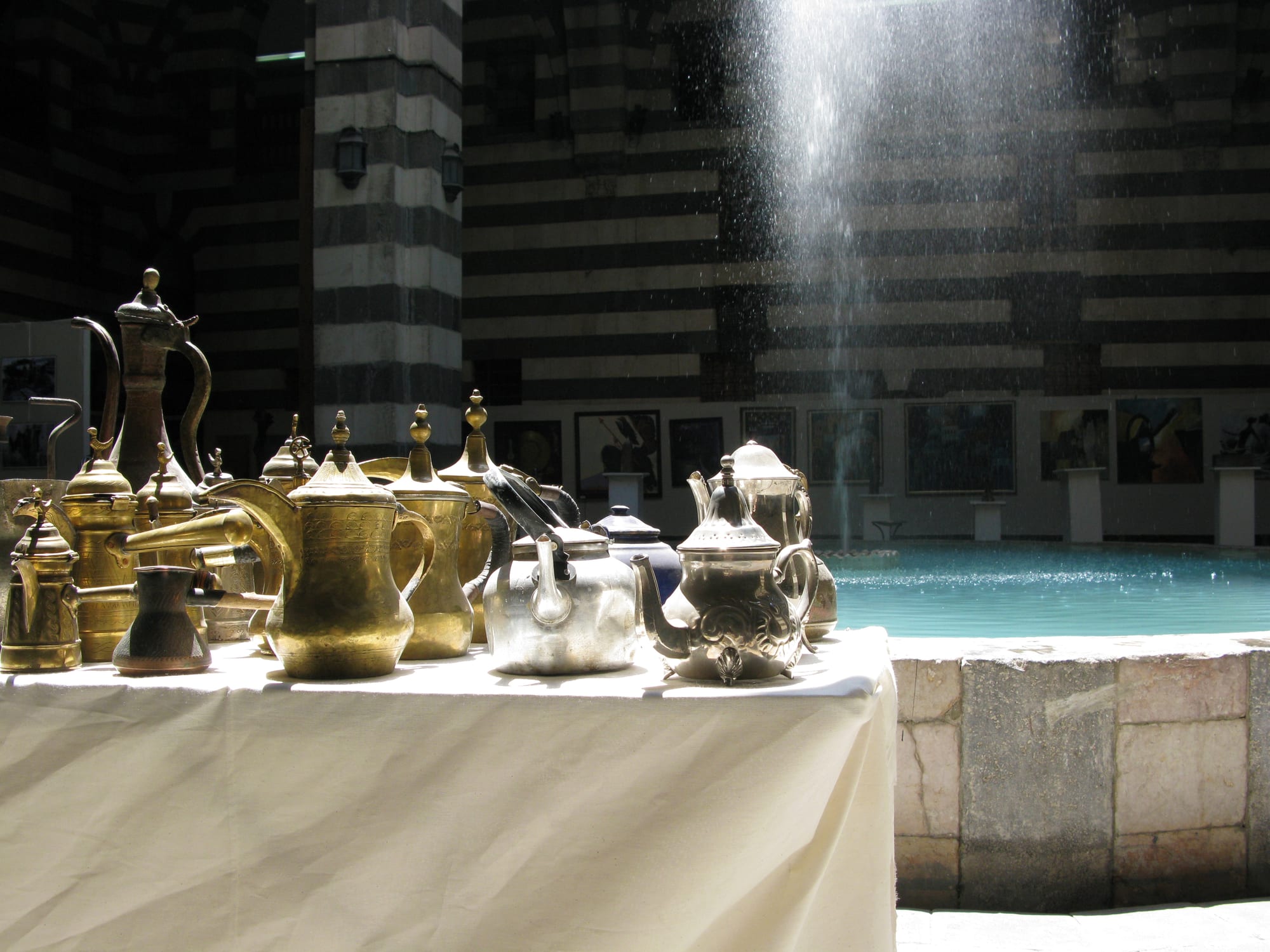
Death is met with a set of firm customs. Under Islamic practice, burial takes place as quickly as possible, ideally within a day, after the body has been washed and wrapped in a white shroud. A mourning period of three days follows, during which relatives stay at home and friends and neighbours visit to offer condolences, often bringing food. Mourners are traditionally served bitter coffee, a custom Syria Direct also describes at Christian funerals in Damascus, where obituary notices are posted at the church and the family home and mourners gather outside the house to accompany the procession to the church.
Arts, crafts and music
Syria's heritage in music and craft is among the richest in the region, and nine Syrian traditions are now inscribed on UNESCO's intangible heritage lists. Music holds a special place. Al-Qudoud al-Halabiya, the traditional songs of Aleppo, set lyrics in classical Arabic, many drawn from the muwashshah poetry of al-Andalus, to fixed melodies. Skilled singers improvise words to suit the occasion, whether religious or festive, and hold long notes to carry listeners into tarab, a state of musical rapture that communities describe as "being drunk without drinking". The audience is part of the performance, spurring the singer on and dancing with arms held out and the upper body swaying.
The oud, the short-necked lute at the heart of Arabic music, was inscribed jointly by Syria and Iran. Its pear-shaped body is made from woods such as walnut, rosewood or apricot, and according to UNESCO, crafting one can take up to twenty-five days, including a long period of drying and steaming the wood. Ouds are often finished with carving and mosaic inlay, and the skill is passed on through apprenticeships as well as music schools and universities.
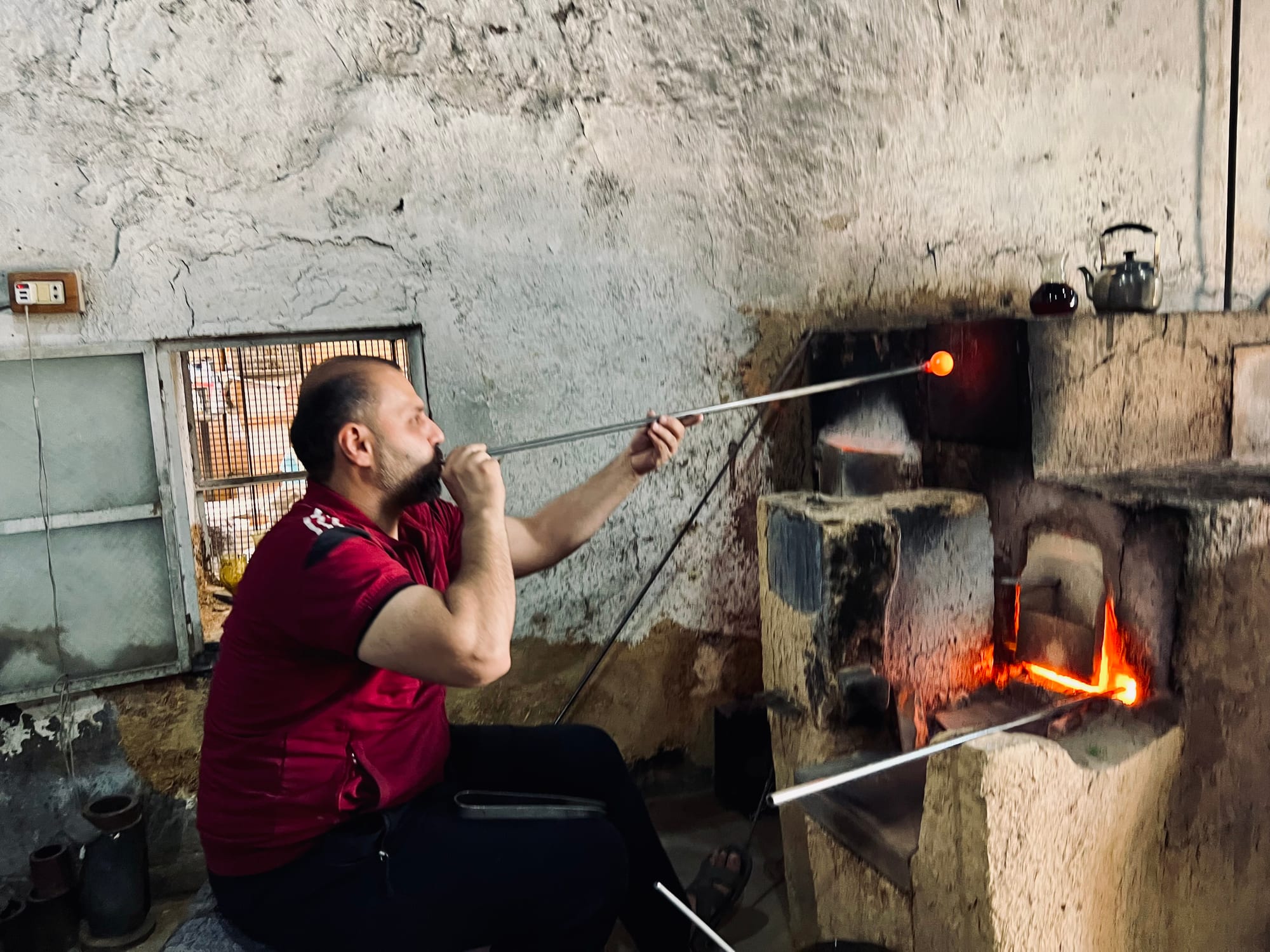
Several crafts are recognised too, some of them fragile. Traditional glassblowing and shadow play are both on UNESCO's Urgent Safeguarding List, a sign of how few practitioners remain. The craftsmanship of Aleppo's ghar soap, the practices surrounding the Damascene rose, the skills behind the bisht, a traditional men's cloak, and the preparation of Arabic kohl are on the Representative List, along with falconry; the bisht, kohl and falconry listings are shared with other countries. Calligraphy, inlaid woodwork and brocade weaving belong to the same long tradition of making, and many Syrians take pride in a culture far older than the modern state.
Dos and don'ts for visitors
- Do check the latest government travel advice before any trip; the UK advises against all travel to Syria, and most governments advise against all or all but essential travel.
- Do take time over greetings, asking after the other person's wellbeing, and shake hands with the right hand only.
- Do wait for a woman to offer her hand first; a hand placed on the chest is a respectful alternative.
- Do decline an offer of food or drink once before accepting, and offer a share of any food being eaten to those nearby.
- Do stand when an older person enters the room, and use the right hand or both hands to pass or receive anything.
- Don't show the soles of the feet to others or rest feet on tables or furniture.
- Don't press people about the war or the fate of relatives; many Syrians have lived through great loss.
- Don't try to split the bill; one person traditionally pays for the whole table.
What to take away
Syria's customs of welcome, from the insistent offer to the bitter coffee served to mourners, have outlasted empires and endured a long war, and they rest on one idea above all: that a person's honour is measured by how generously they treat others.