Food · Syria
Syria: Food and the National Dish
Bulgur and minced meat shaped and fried, cooked in dozens of regional forms across a country with one of the region's oldest culinary traditions
By Worldlore Editorial · 16 September 2026
A cuisine shaped by one of the region's oldest food cities
Syrian food carries deep roots in the Levant's culinary history, with Aleppo in particular historically regarded as a genuine centre of Syrian, and more broadly Levantine, cooking, known for its refined use of spice, sour flavours and slow-cooked technique.
The national dish: kibbeh
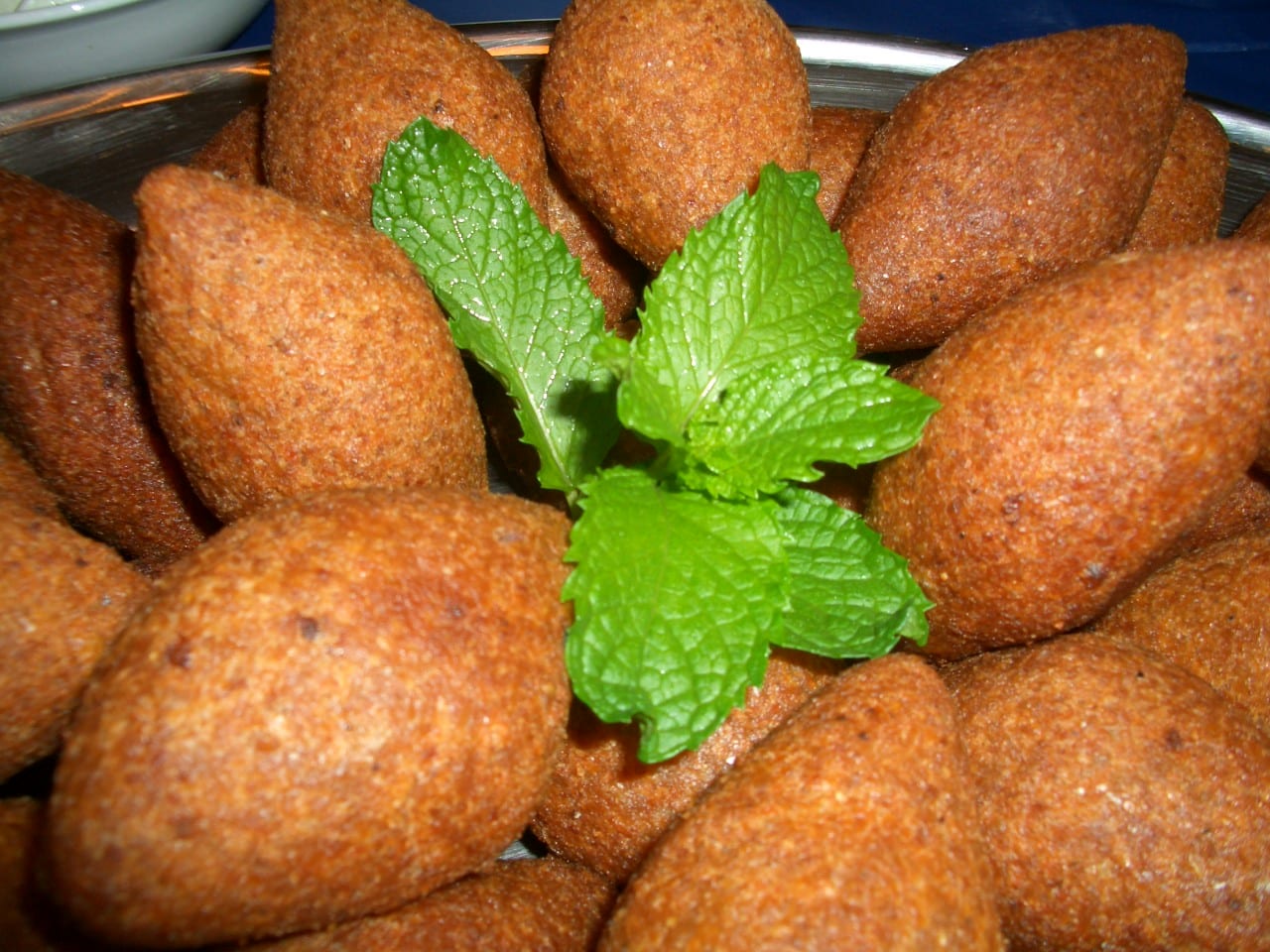
Kibbeh, a mixture of fine bulgur wheat and minced meat, usually lamb or beef, shaped into torpedo-like shells and fried, or baked flat in a tray, is Syria's national dish. Cooked in dozens of regional variations, including a raw version called kibbeh nayye served similarly to steak tartare, kibbeh's exact preparation varies sharply by city and household, with Aleppo alone claiming numerous distinct local versions.
Bulgur, pomegranate and a genuinely Levantine pantry
Bulgur wheat, lamb and a spice base including cumin, allspice and sumac anchor much of Syrian cooking, alongside pomegranate molasses, a sour-sweet ingredient used across many dishes. Olive oil, tomato and a wide range of vegetables round out a pantry shared broadly with the wider Levant, with Aleppo specifically known for a more refined, spice-forward style than found elsewhere in the region.
History behind the dish
Aleppo's historic position along Silk Road trade routes brought spices and culinary techniques into Syrian cooking for centuries, helping the city develop a genuine reputation, recognised across the wider Arab world, as a centre of refined regional cuisine. Kibbeh's many regional variations, shaped by local wheat and meat availability as much as by family tradition, reflect that same deep, city-by-city culinary specificity found across Syria more broadly.
Dishes to know
Four more to recognise across Syria:
- Kibbeh nayye — a raw version of kibbeh, seasoned bulgur and meat
served similarly to steak tartare.
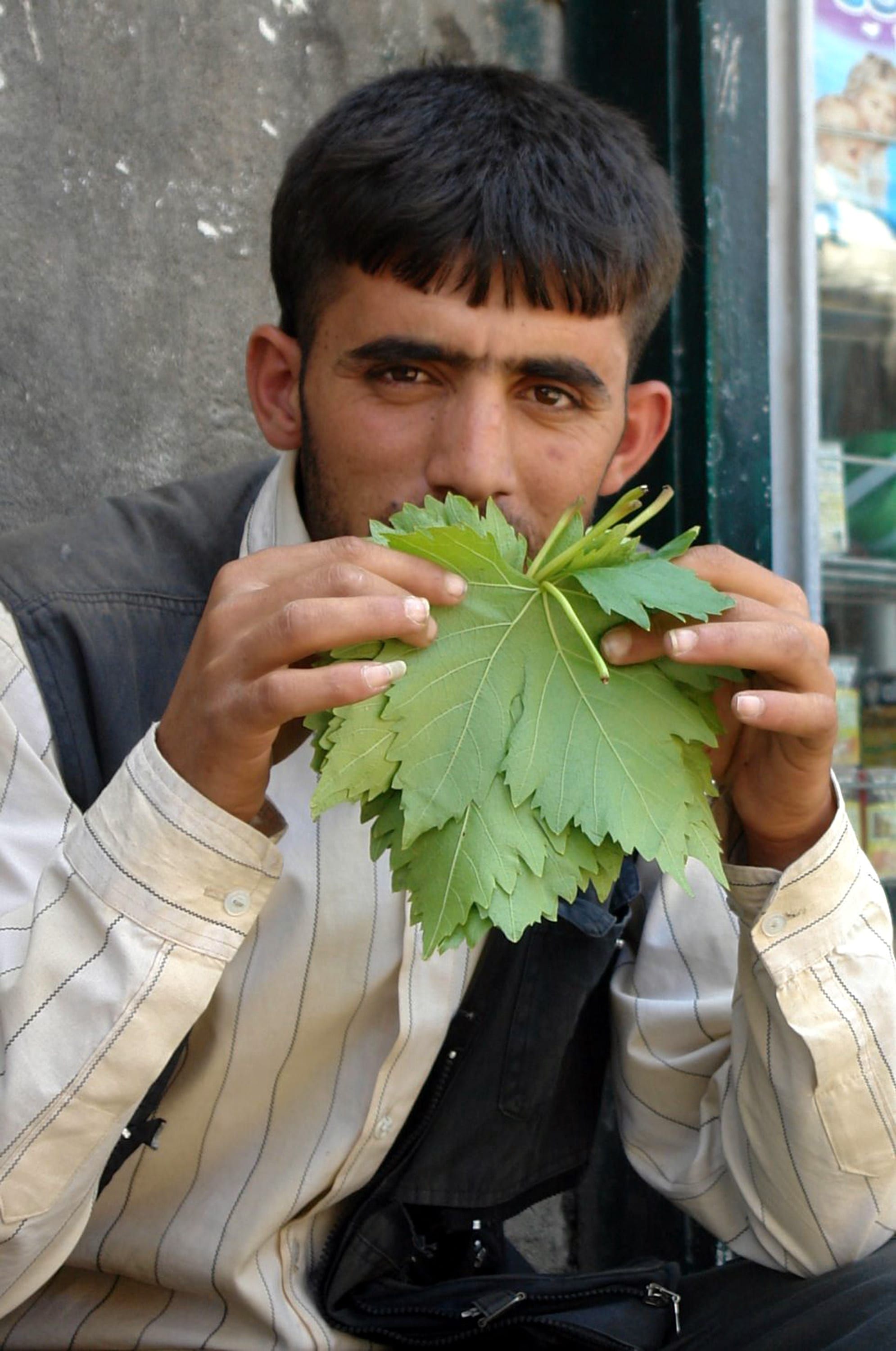
- Mahshi — vegetables, including grape leaves and courgette, stuffed
with rice and sometimes meat.
- Muhammara — a spicy dip made from roasted red peppers, walnuts and
pomegranate molasses.
- Ma'amoul — shortbread cookies filled with dates, pistachios or
walnuts, traditionally made for Eid celebrations.
Drinks
Arabic coffee, often flavoured with cardamom, is central to Syrian hospitality and offered to guests as a matter of course. Fresh fruit juices, particularly pomegranate and apricot, and mint tea are also widely enjoyed.
Eating as a traveller
Vegetarians will find bulgur, vegetable and legume-based dishes manageable, though meat is central to kibbeh and much of traditional Syrian cooking. Bottled water is the sensible default given the country's current infrastructure challenges. Trying kibbeh in its many regional forms, if the opportunity arises, offers a genuine sense of just how varied Syrian cooking is from city to city.
What to take from the table
Kibbeh, shaped differently in nearly every Syrian city and household, captures the country's food story well: a cuisine built on regional specificity and centuries of refined culinary tradition.