History · Sweden
Sweden: The Reluctant Great Power
A Viking homeland that briefly ruled the Baltic as a European great power, lost it all including Finland, then reinvented itself through two centuries of peace, neutrality and the welfare state — before joining NATO in 2024
By Worldlore Editorial · 19 September 2026
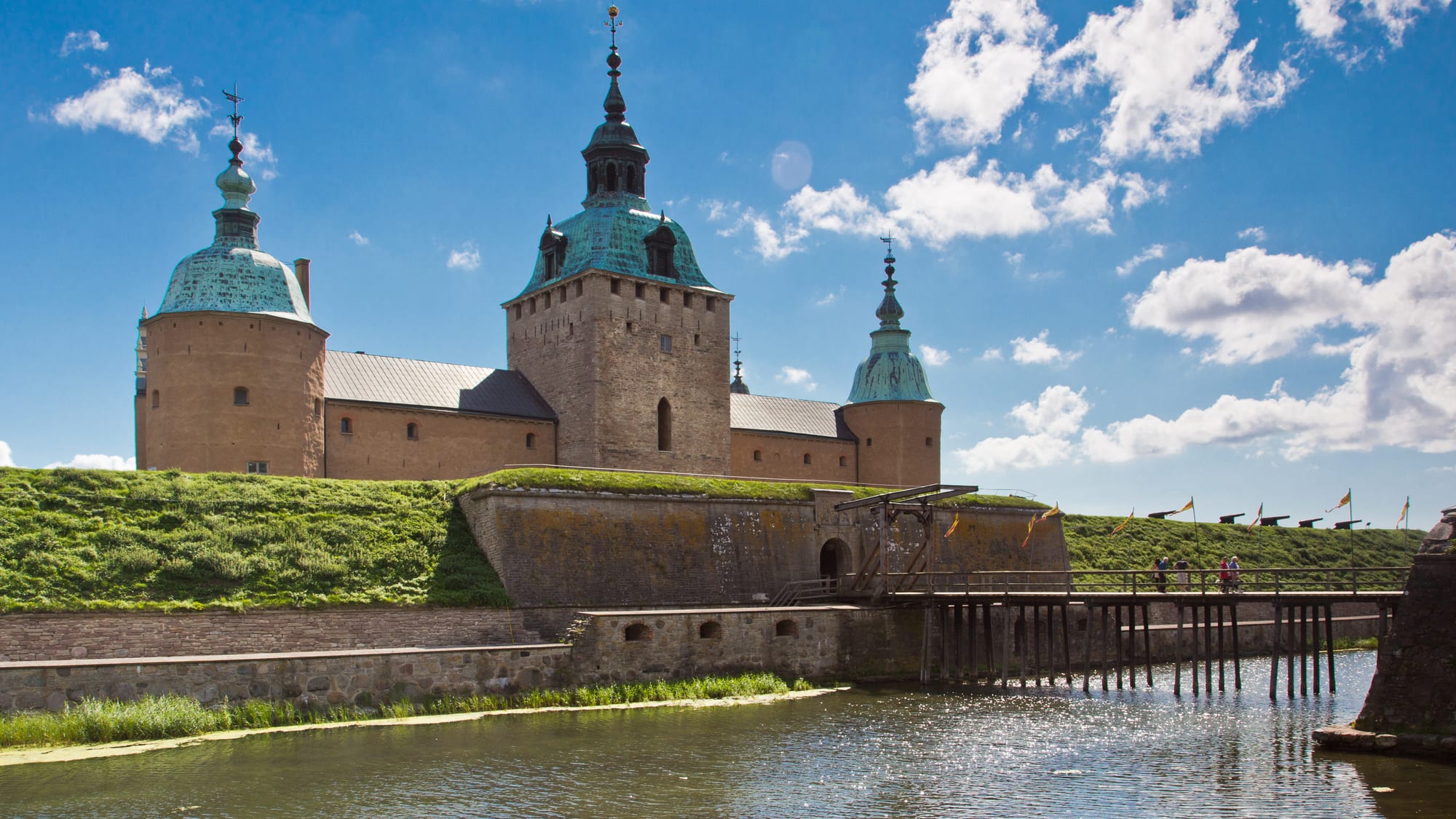
A big country with a small population
Sweden is the largest of the Nordic countries, stretching from the Baltic to the Arctic, with about 10.5 million people, most of them in the southern third. For a few decades in the 17th century it was one of Europe's great military powers, controlling much of the Baltic coast; it has spent the two centuries since 1814 without fighting a war, developing a strong tradition of armed neutrality and, from the 1930s, one of the world's most comprehensive welfare states. That long peace ended as policy, if not in fact, when Sweden joined NATO in 2024.
A short history
- 8th–11th c.
The Viking age
Swedish Norsemen trade and raid east, into Russia and Byzantium.
- 1397–1523
The Kalmar Union
Sweden shares a monarch with Denmark and Norway.
- 1523
Gustav Vasa
Sweden leaves the union; the Reformation follows.
- 1611–1718
The age of greatness
Sweden wins and then loses a Baltic empire.
- 1809
The loss of Finland
Russia takes the eastern half of the realm; a new constitution.
- 1814
The last war
A brief campaign forces Norway into a union with Sweden.
- 1905
Norway leaves
The union is dissolved peacefully.
- 1932
Social Democracy
The party begins 44 years of near-continuous government; the "People's Home".
- 1995
The European Union
Sweden joins, but keeps the krona.
- 2024
NATO
Sweden abandons 200 years of non-alignment.
Vikings, union, and Vasa
Swedish Vikings — the "Rus" — turned east rather than west, following the rivers of Russia to trade in furs, slaves and silver with Byzantium and the Islamic world, and giving their name, by one account, to Russia itself. Christianity and a unified kingdom took shape slowly by the 12th century. From 1397 Sweden was part of the Kalmar Union under the Danish crown; resentment of Danish dominance, inflamed by the 1520 "Stockholm Bloodbath" execution of Swedish nobles, brought Gustav Vasa to power in 1523. He made the monarchy hereditary and strong, broke with Rome and seized Church wealth, and founded the state that still exists.
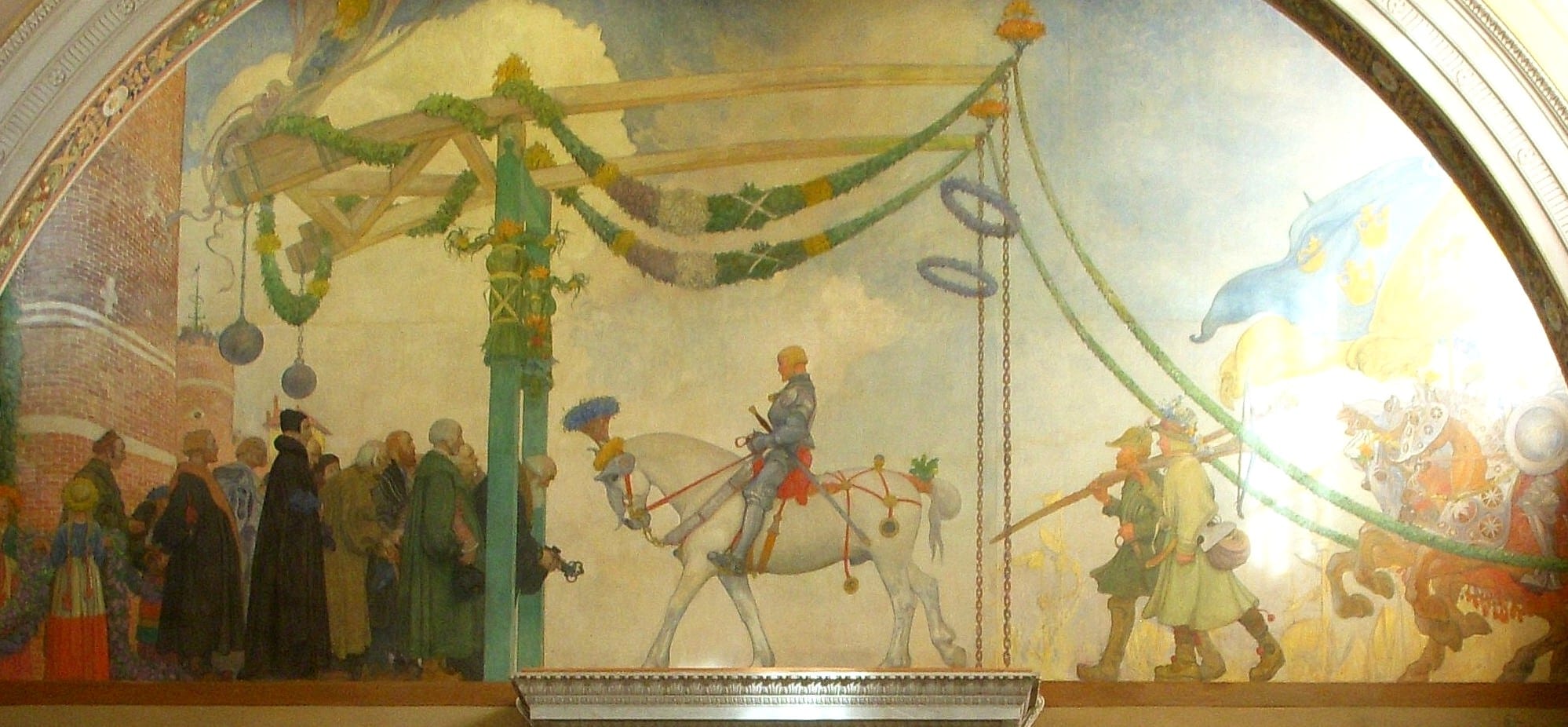
The age of greatness
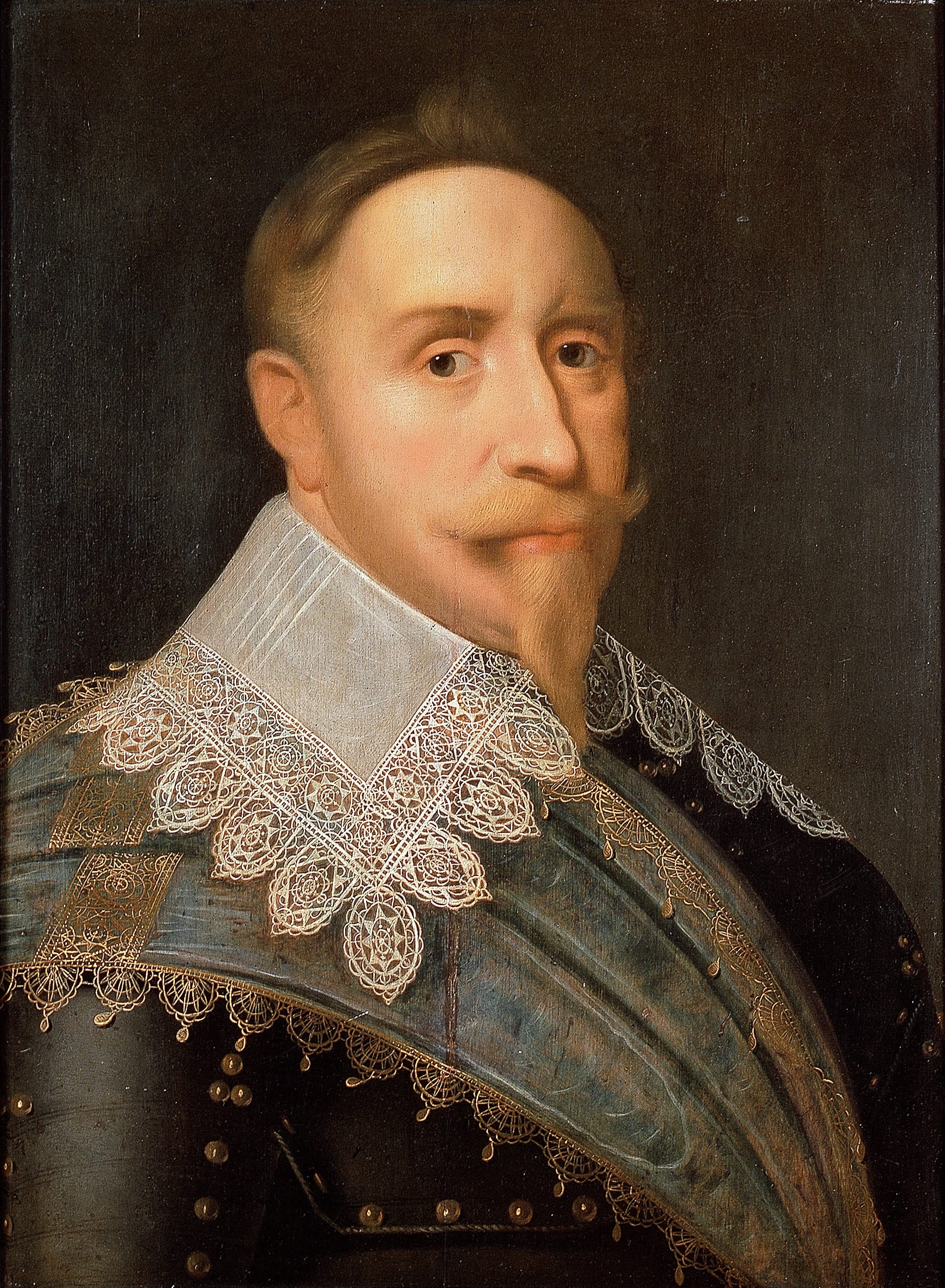
Under Gustavus Adolphus (r. 1611–32), Sweden built a formidable conscript army and intervened decisively in the Thirty Years' War, championing the Protestant cause in Germany; the king was killed in battle at Lützen. Over the 17th century Sweden took Baltic provinces from Denmark, Poland and Russia and dominated the sea, becoming a great power out of proportion to its small, poor population. The overreach was exposed in the Great Northern War (1700–21), when Russia under Peter the Great, with allies, defeated Charles XII; Charles died in 1718 and Sweden lost most of its overseas provinces, ending the imperial era.
Losing Finland, gaining peace
The final blow came in 1809, when Russia conquered Finland — then the eastern half of the Swedish realm, home to a third of its people. The shock brought a new constitution that curbed royal power, and a French marshal, Jean-Baptiste Bernadotte, was invited to become crown prince; his dynasty still reigns. In 1813–14 Sweden fought its last war, joining the coalition against Napoleon and forcing Denmark to cede Norway, which entered a union with Sweden that lasted, peacefully for the most part, until Norway dissolved it in 1905. Since 1814 Sweden has not been at war.
The People's Home
Nineteenth-century Sweden was poor enough that around a million people emigrated, mostly to the United States. Industrialisation, a strong labour movement, and universal suffrage (1921) transformed politics. From 1932 the Social Democrats governed almost without interruption for over four decades, building the folkhemmet — the "People's Home" — a model of high taxation, universal benefits, active labour-market policy, and negotiated agreements between unions and employers. Sweden stayed neutral in both world wars, a stance criticised for wartime concessions to Germany, and neutrality became a core national identity, expressed abroad through aid, mediation and figures like the UN's Dag Hammarskjöld and the prime minister Olof Palme, assassinated on a Stockholm street in 1986 in a case never conclusively solved.
Sweden now
Sweden joined the European Union in 1995 but rejected the euro in a 2003 referendum. The Social Democratic model has been partly liberalised since the 1990s, with school choice, deregulation and lower taxes, while remaining generous by international standards. Large-scale immigration, especially the refugee intake of 2015, reshaped politics: the anti-immigration Sweden Democrats grew into one of the largest parties, and debates over integration and gang violence dominate domestic politics. Russia's full-scale invasion of Ukraine in 2022 ended the neutrality debate: Sweden applied to join NATO alongside Finland and became a member in March 2024.
What Sweden carries
Sweden's history has two acts: a brief, aggressive spell as a Baltic empire that ended in defeat and the loss of Finland, and then two centuries of deliberate peace, in which the country turned its energies inward and built the welfare state it is now known for. Neutrality was central to how Sweden saw itself for 200 years; giving it up for NATO membership is the largest shift in its foreign policy since Bernadotte.