Daily Life · Sweden
Sweden: A Day Measured in Fika
A country of independent-minded single-person households and some of the world's most generous shared parental leave, where two coffee breaks structure the working day and a whole nation slows down together every July
By Worldlore Editorial · 30 September 2026
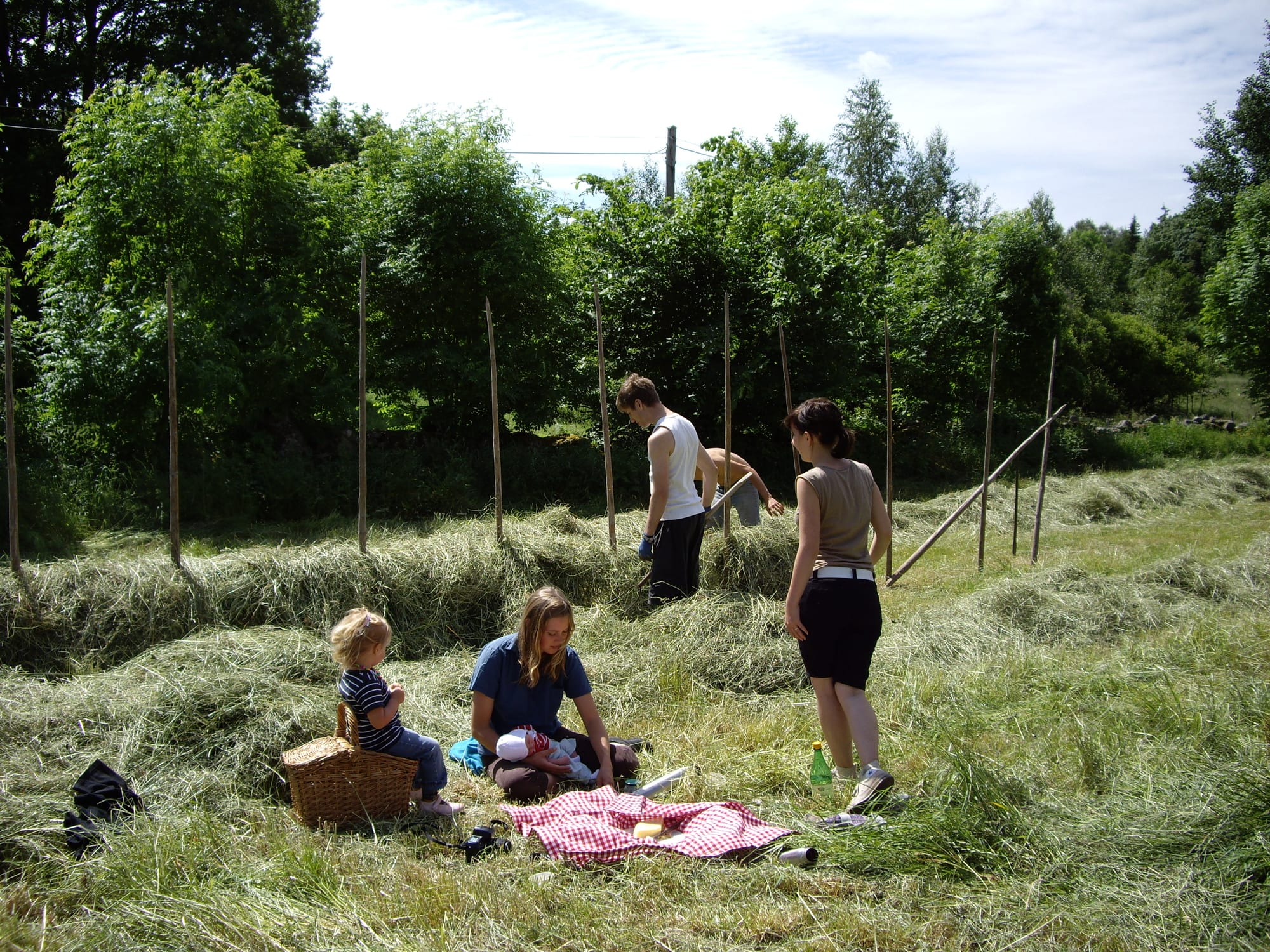
Sweden runs on a quiet, self-imposed rhythm rather than any loud daily ritual. Mornings start unhurried, the working day is broken twice by fika, a proper sit-down coffee break rather than a coffee grabbed on the move, and the whole country is rarely far from a forest, lake or patch of green even in its cities. What is less visible from outside is how that even, orderly surface sits on top of a genuinely unusual household pattern: Sweden has some of the highest rates of people living alone anywhere in Europe, at the same time as some of the most generous state support in the world for raising children.
Family and home life
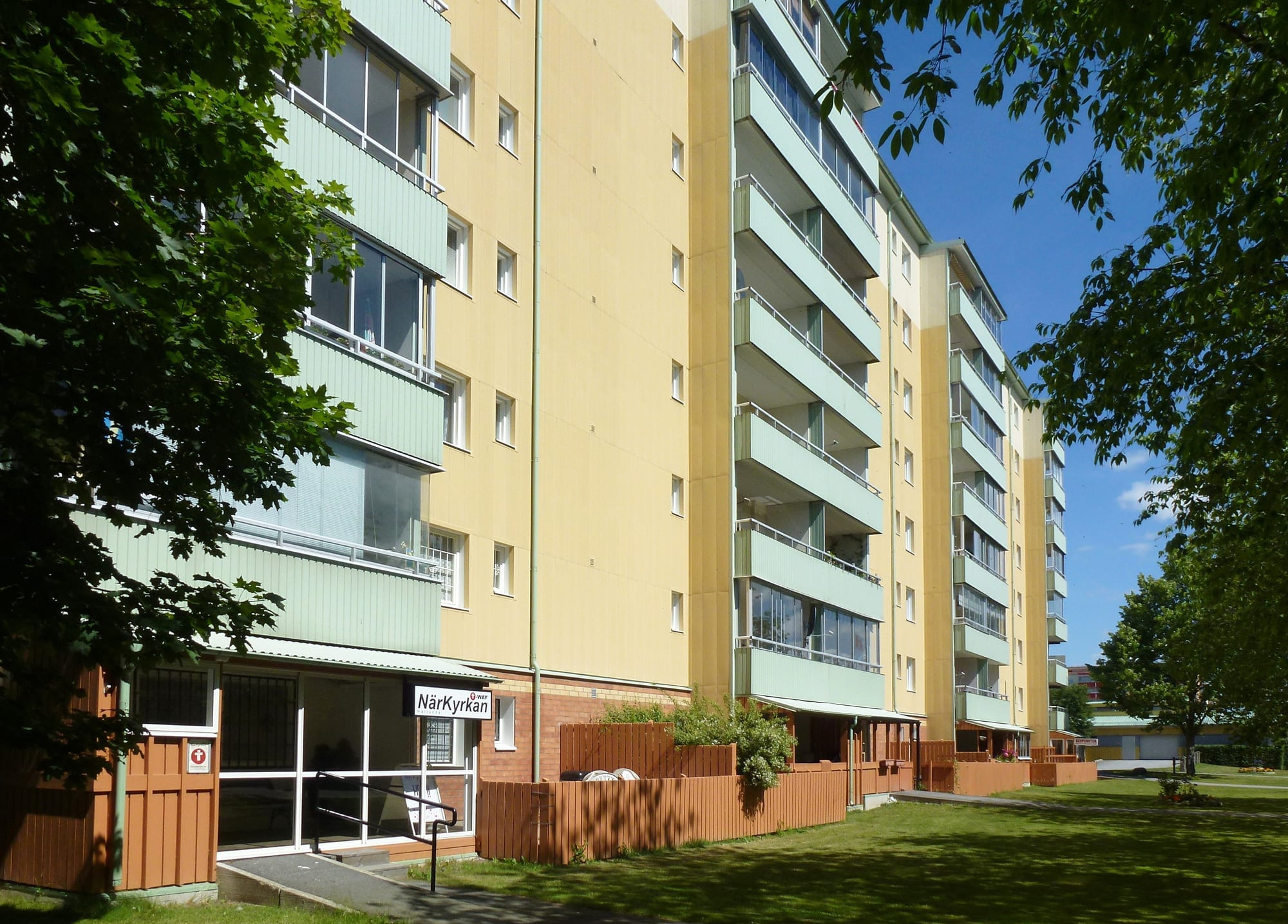
A very large share of Swedish households consist of a single person living alone, over half by one Eurostat count and one of the highest shares in Europe, a pattern built up over decades by longer lives and a welfare state that makes living independently financially workable at almost any age. That coexists with strong state support for the families who do have children: parents share 480 days of paid parental leave per child, with 90 of those days reserved specifically for each parent on a use-it-or-lose-it basis, a design credited with pushing Swedish fathers to take a larger share of childcare leave than in most other countries. Subsidised preschool is offered to children from the age of one, and where parents separate, shared custody, with children splitting their time between two homes, is a familiar arrangement. Most people in and around the larger cities live in apartment blocks, including many built during the mass public housing programme of the 1960s and 70s, while houses are more typical in smaller towns and the countryside.
Work, school and the rhythm of the day
A typical full-time working day runs around eight hours, but it is punctuated in a way few other countries' workdays are: a mid- morning fika and a mid-afternoon one, traditionally genuine pauses to sit down with colleagues rather than a coffee taken back to a desk. For younger pupils school generally starts in the morning and finishes in the early afternoon, after which many children attend a fritidshem, a subsidised after-school leisure centre, until a parent's working day ends. The single most visible break in this rhythm is July, when much of the country effectively slows down together: many workplaces run on skeleton staff or close outright as employees take a large block of their statutory holiday at once, and cities empty toward the coast, the lakes and the family summer cottage, or stuga.
Community life and public spaces
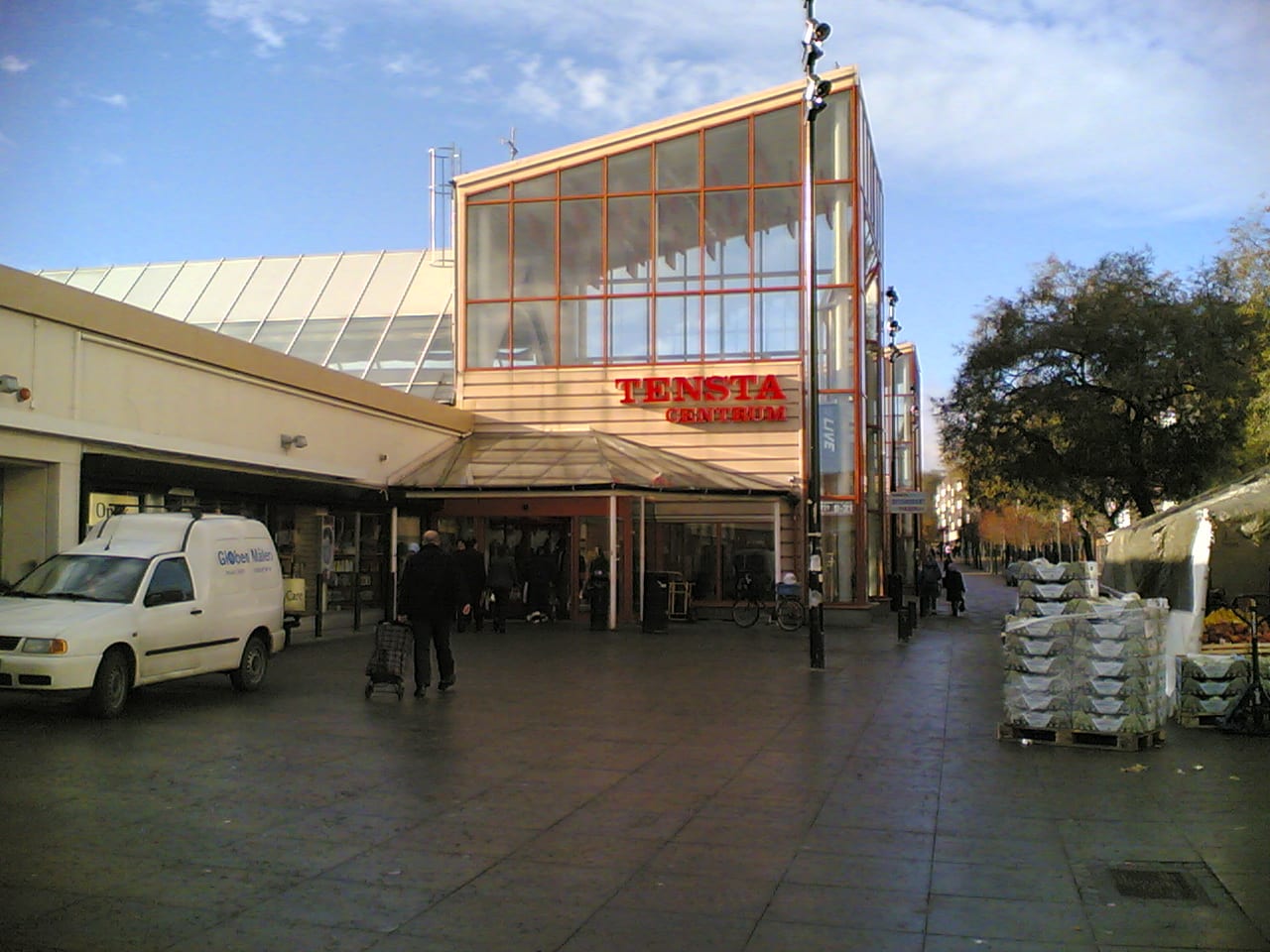
Allemansrätten, the right of public access, means anyone can walk, cycle, forage or camp for a night or two on most land, private or not, and this shapes public space as much as any square or street does: forest and lakeside paths function as shared, informal community space nationwide, used daily rather than saved for weekends. In towns and suburbs, life often centres on a centrum, a small hub of shops, a supermarket and a transit stop built into the housing around it, rather than a single historic square. Public transport is extensive, and both it and daily shopping are largely cashless, run through cards and the Swish mobile payment app rather than banknotes. Alcohol above 3.5 per cent is sold only through Systembolaget, the state-owned retail monopoly, a single, recognisable shop nationwide rather than something bought at an ordinary supermarket.
Free time and weekends
Weekends and evenings lean heavily on the outdoors, supported directly by the right to roam: forest walks, lake swims in summer, cross-country skiing and skating in winter, and, in autumn, foraging for wild mushrooms and berries are all mainstream, everyday pursuits rather than niche hobbies. Many families keep or rent a summer cottage, often without modern conveniences by choice, as a retreat for weekends and the long July break. Midsummer, celebrated on a Friday evening in late June, is the single biggest shared occasion in the calendar, celebrated with a maypole, pickled herring and dancing, and is regarded by many as second only to Christmas.
A visitor's ordinary day
Cash is rarely needed and often not accepted at all; cards and contactless payment cover almost everything, including small purchases and public toilets. Trains and city transport run frequently, and tickets are typically bought through an app rather than in person. Many restaurants offer a discounted lunch set, dagens rätt, on weekdays around midday, generally the best-value hot meal of the day. Shops in city centres keep long hours most days, but expect a quieter, more limited country nationwide in July, when many businesses reduce hours or close for staff holidays, and around Midsummer, when offices and many shops close or shut early for a long weekend.
What to take away
What defines an ordinary day in Sweden is the coexistence of two things that might look contradictory: a society built strongly around individual independence, and a state that works hard, through parental leave, subsidised childcare and the right to roam, to make sure nobody is really on their own when it matters.