History · Svalbard
Svalbard: The Treaty Archipelago
A cluster of Arctic islands with no indigenous population — a whaling ground, a lawless coal frontier, and since 1920 Norwegian territory under a unique treaty that lets citizens of dozens of countries live and work there visa-free
By Worldlore Editorial · 19 September 2026
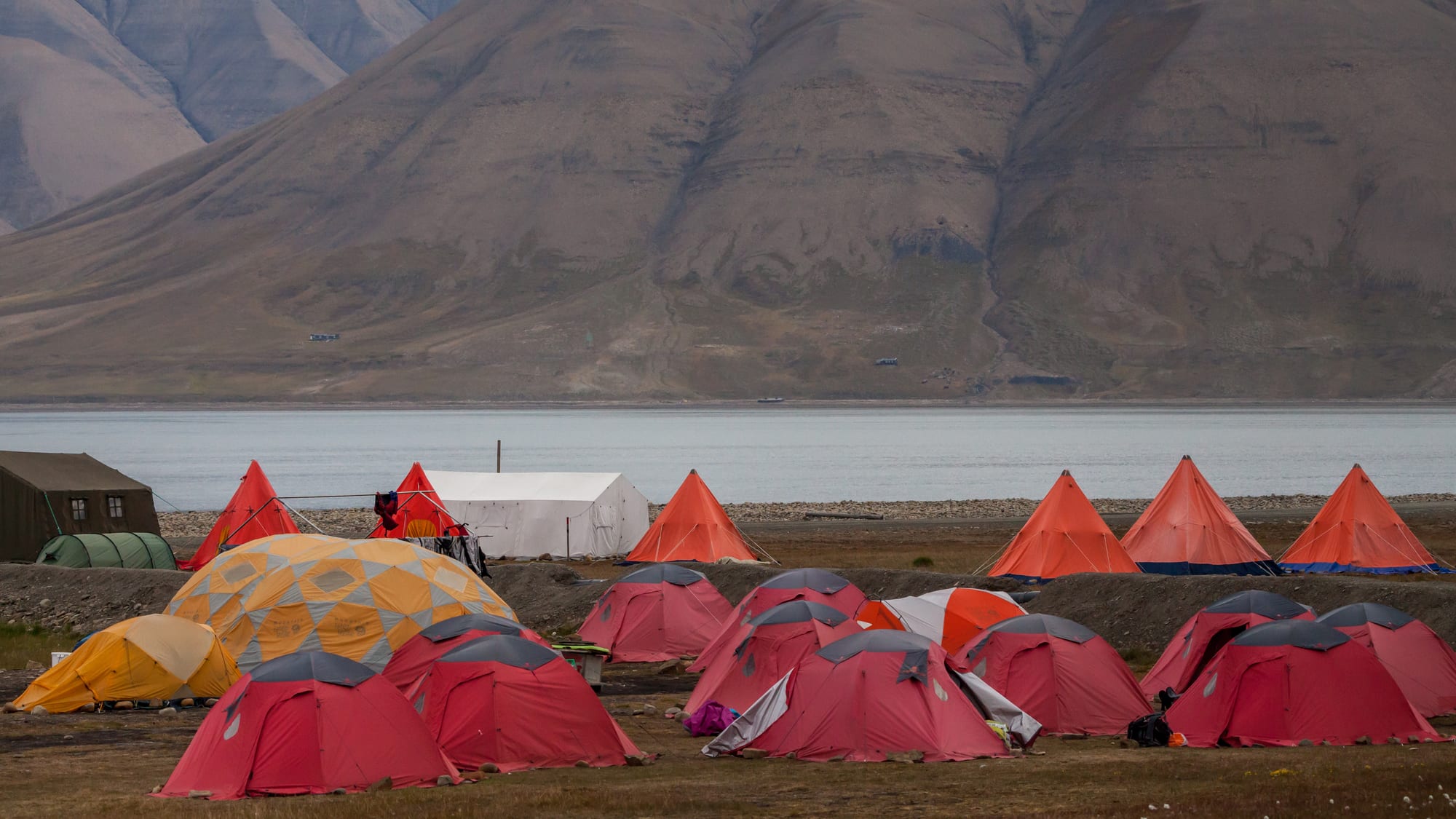
An Arctic territory with unusual rules
Svalbard is an archipelago in the Arctic Ocean about midway between mainland Norway and the North Pole, roughly the size of Ireland but almost entirely glacier, mountain and tundra, with around 2,500 residents. It has never had an indigenous population. It is part of the Kingdom of Norway, but governed under the terms of the 1920 Svalbard Treaty, which grants Norway sovereignty while giving the nationals of all signatory states — now more than 45 countries — an equal right to live, work and carry on commercial activity there. There is no visa requirement to move to Svalbard, a status shared by nowhere else.
A short history
- 1596
Discovery
The Dutch navigator Willem Barentsz sights the islands and names Spitsbergen.
- 17th century
Whaling
English, Dutch, Danish and other fleets render whale oil on the shores.
- 18th–19th c.
Trappers and expeditions
Russian Pomors and Norwegians hunt; explorers use it as a base.
- c. 1900–1920
The coal rush
Companies from the US, Norway, Britain, Russia and Sweden stake claims.
- 1920
The Svalbard Treaty
Signed in Paris; Norway gets sovereignty, others get equal access.
- 1925
Norwegian administration
The Svalbard Act takes effect; "Spitsbergen" is renamed Svalbard.
- 1941–1945
The war
Settlements are evacuated; a German weather station and a naval raid.
- 1990s–
Diversification
Research, tourism and education replace most coal mining.
Whales, then coal
Willem Barentsz, searching for a north-east passage to Asia, reached the islands in 1596 and called the main one Spitsbergen ("pointed mountains"). Word of the whales in its bays set off an international rush: through the 17th century English, Dutch, Danish, French and Basque fleets hunted the Greenland right whale here, boiling blubber at shore stations like the Dutch settlement of Smeerenburg. When the inshore whales were exhausted, activity dropped to Russian Pomor and then Norwegian trappers wintering for furs. No state claimed sovereignty — the islands were terra nullius, land belonging to no one.
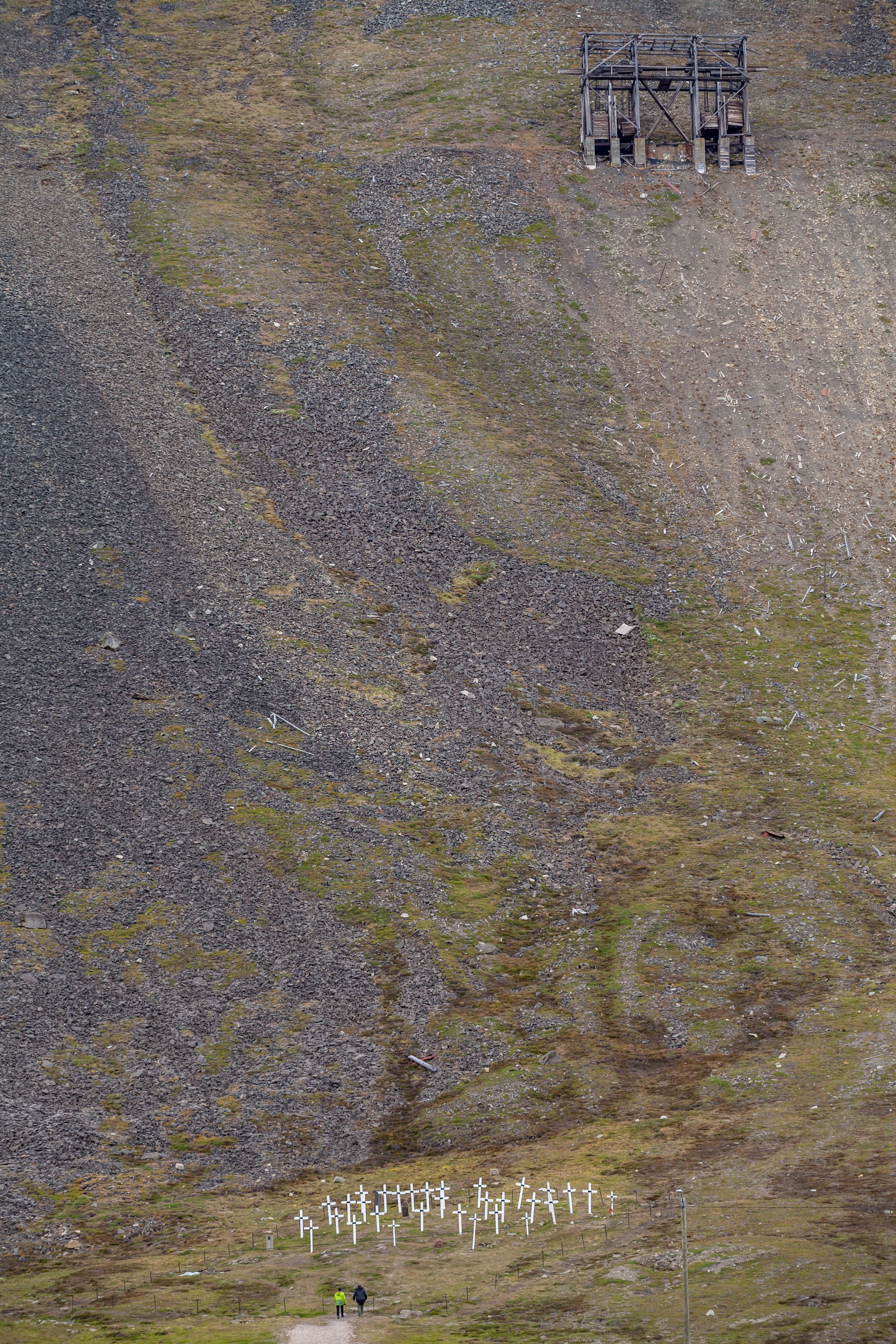
The 1920 treaty
Around 1900, geologists confirmed workable coal seams, and companies from the United States, Norway, Britain, Sweden and Russia began mining and claiming overlapping tracts, with no legal authority to enforce anything — disputes over claims sometimes came close to violence. Attempts before 1914 to agree an international administration failed. After the First World War, with Norway having sided with the Allies and Russia in revolution and excluded from the talks, the Paris Peace Conference produced the Svalbard Treaty of 9 February 1920: Norway received full sovereignty, but on conditions unique in international law — equal rights of access and economic activity for all signatories' citizens and companies, low taxation to be spent only on Svalbard, no permanent military installations or fortifications, and environmental obligations. Norway took over administration in 1925.
War, and the Cold War balance
In the Second World War the islands' few hundred inhabitants were evacuated to Britain and Canada in 1941; German forces later landed weather teams, and in 1943 a German naval task force including the battleship Tirpitz bombarded and destroyed the settlements at Longyearbyen and Barentsburg. After the war the Soviet Union proposed joint Norwegian–Soviet defence of Svalbard; Norway declined, and instead a quiet equilibrium developed, with Norway running Longyearbyen and a state Soviet (later Russian) company running the mining town of Barentsburg under the treaty's equal-access clause. Both sides took care not to test the treaty's limits.
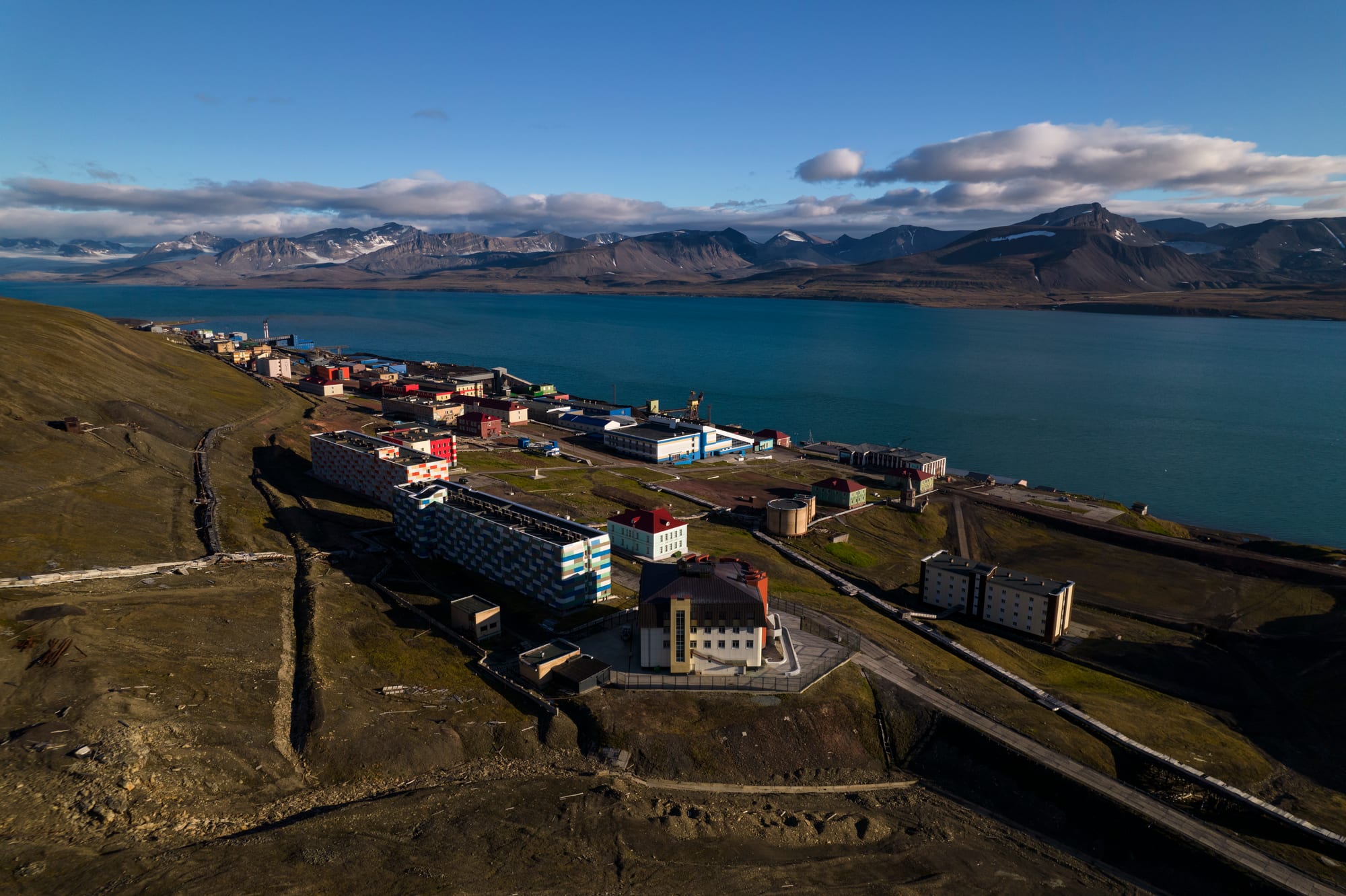
Svalbard now
Norwegian coal mining has almost entirely wound down, and Longyearbyen has reinvented itself around Arctic research (an international science community and a university centre), tourism, and satellite ground stations. The Global Seed Vault stores backup samples of the world's crop diversity in the permafrost. The Russian settlement at Barentsburg continues, now more as a geopolitical presence than a profitable mine, and Svalbard has become a recurring point of friction between Norway and Russia over fishing zones, helicopter flights and the interpretation of the treaty. Climate change is felt sharply here: Svalbard is warming faster than almost anywhere on Earth, thawing the permafrost the town is built on.
What Svalbard carries
Svalbard is a rare case of a territory whose legal status was invented to solve a specific problem: a resource frontier that several countries had moved into before any of them owned it. The 1920 treaty gave it to Norway but kept it open, demilitarised and lightly taxed, and that compromise has held for a century — through a world war, the Cold War and now a warming Arctic in which the islands' strategic value is rising again.