Attractions & Natural Wonders · Svalbard
Svalbard: Five Attractions and Natural Wonders
A remote Arctic settlement where polar bears outnumber people, a doomsday vault carved into a mountainside to preserve the world's crop diversity, and glaciers that calve directly into the fjords below
By Worldlore Editorial · 9 September 2026
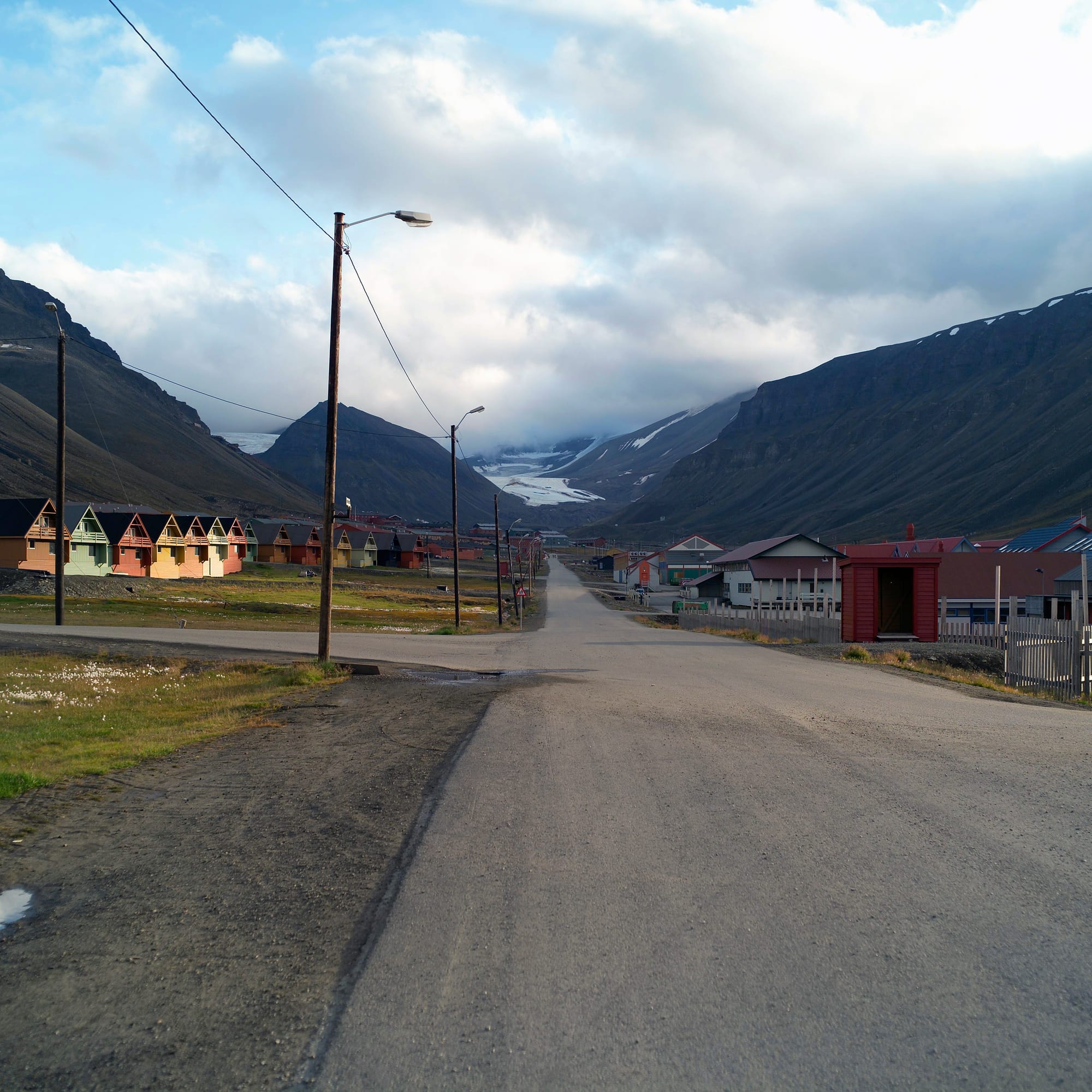
As far north as scheduled flights go
Svalbard, a remote Arctic archipelago administered by Norway under an international treaty, sits roughly halfway between mainland Norway and the North Pole, making it one of the northernmost inhabited places on earth reachable by scheduled flight. Polar bears reportedly outnumber the archipelago's small human population, and its combination of extreme remoteness, permanent daylight in summer, and total darkness in winter makes it one of the most genuinely otherworldly destinations available to ordinary travellers.
The five below are centred on Longyearbyen, the main settlement, and the surrounding fjords and glaciers. Summer (roughly June to August) brings the midnight sun; winter brings the northern lights and total polar darkness.
1. Longyearbyen
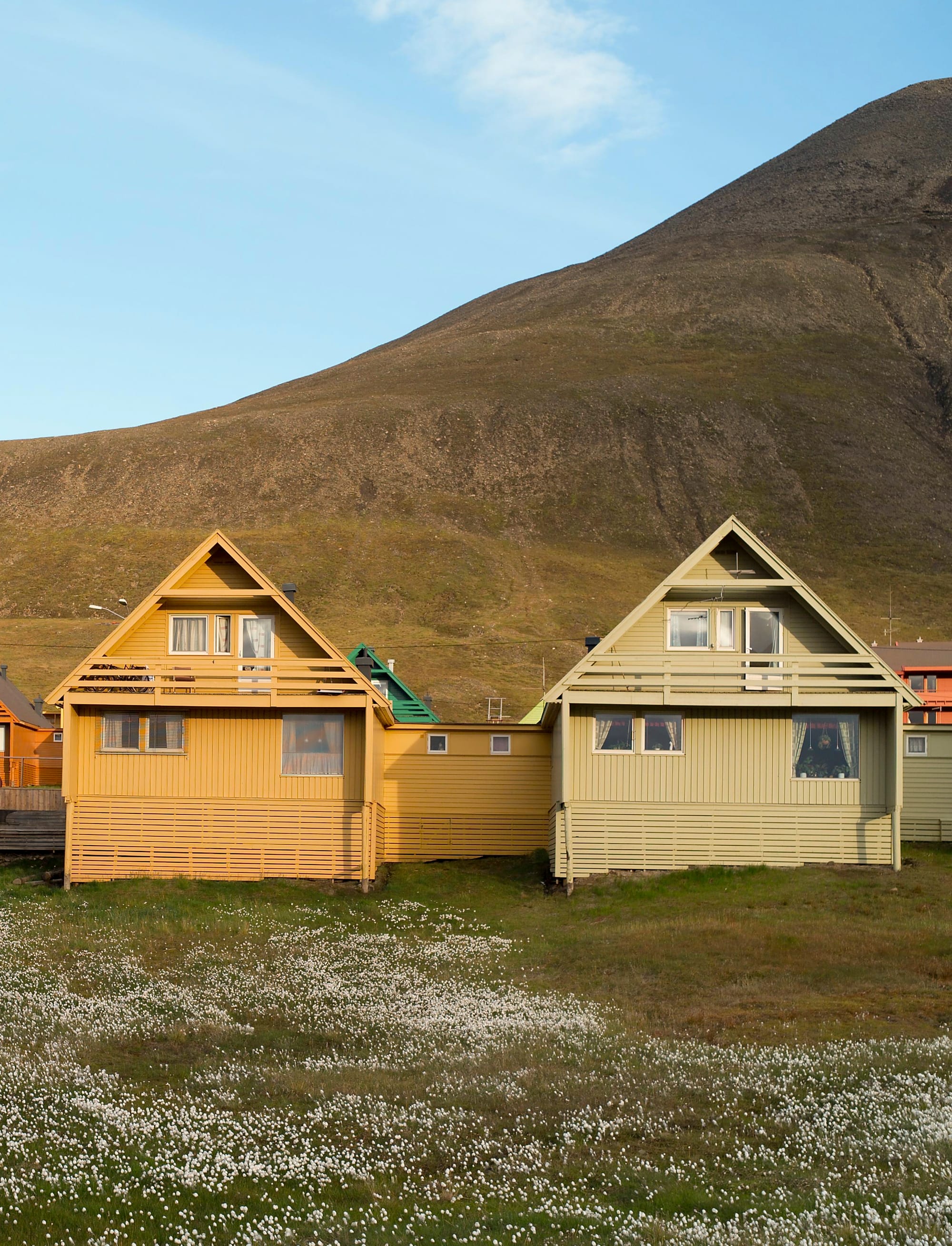
Longyearbyen, Svalbard's main settlement and the world's northernmost town with a permanent civilian population, was founded as a coal-mining community in the early 20th century and retains a working-frontier character alongside a small but growing tourism industry. Strict local rules — including a near-total ban on being born or dying within the town, given the lack of hospital capacity and permafrost preventing burial — give some sense of just how marginal ordinary life is this far north.
2. The Svalbard Global Seed Vault
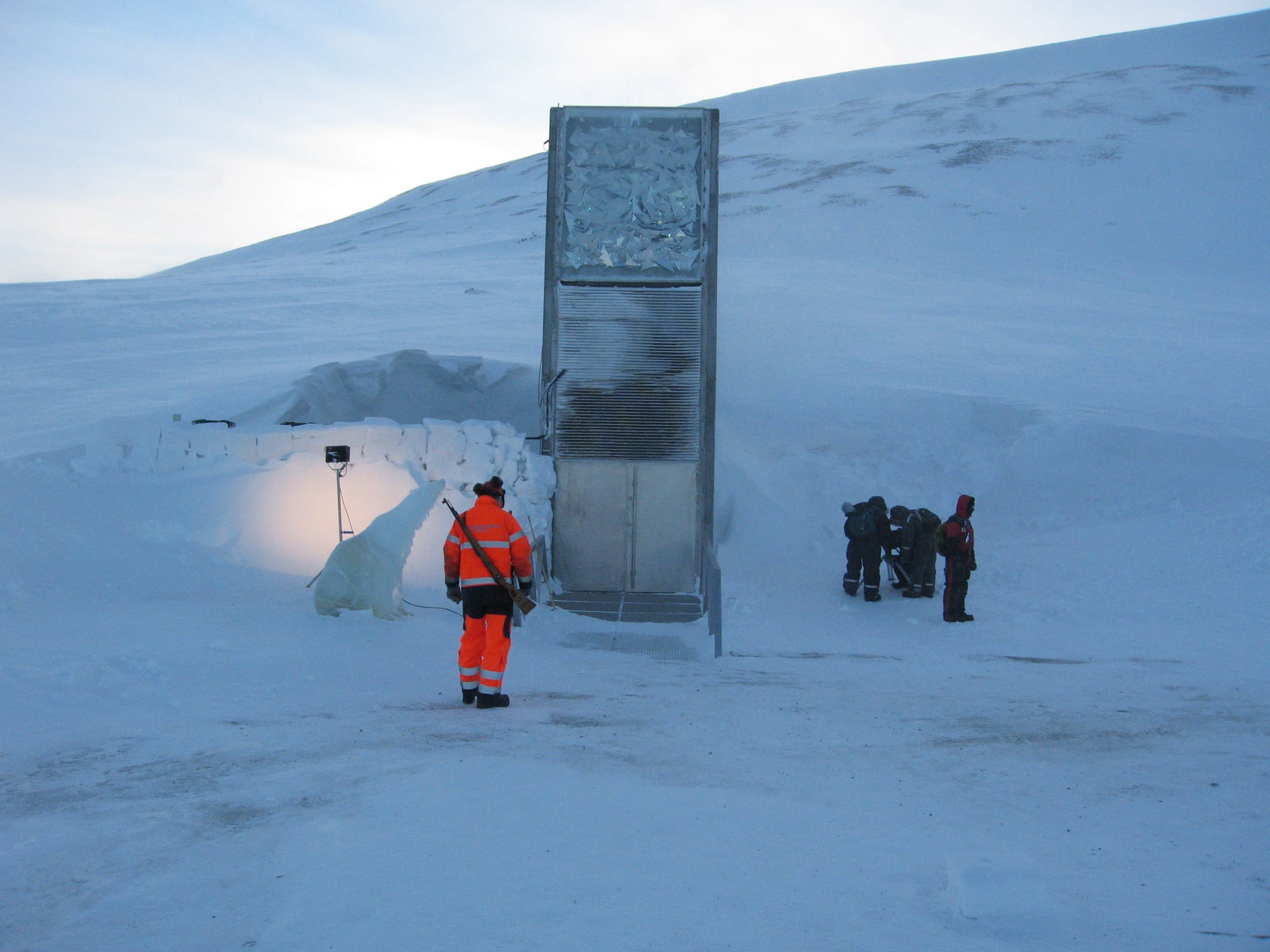
The Svalbard Global Seed Vault, carved deep into a mountainside near Longyearbyen, stores backup samples of crop seeds from gene banks around the world, designed to safeguard global food diversity against catastrophe — natural disaster, war, or funding failures at national seed banks elsewhere. Its permafrost location provides natural, low-cost refrigeration intended to preserve the seeds for centuries. The vault itself is not open to public tours, but its striking entrance structure is a notable landmark.
3. Polar bears
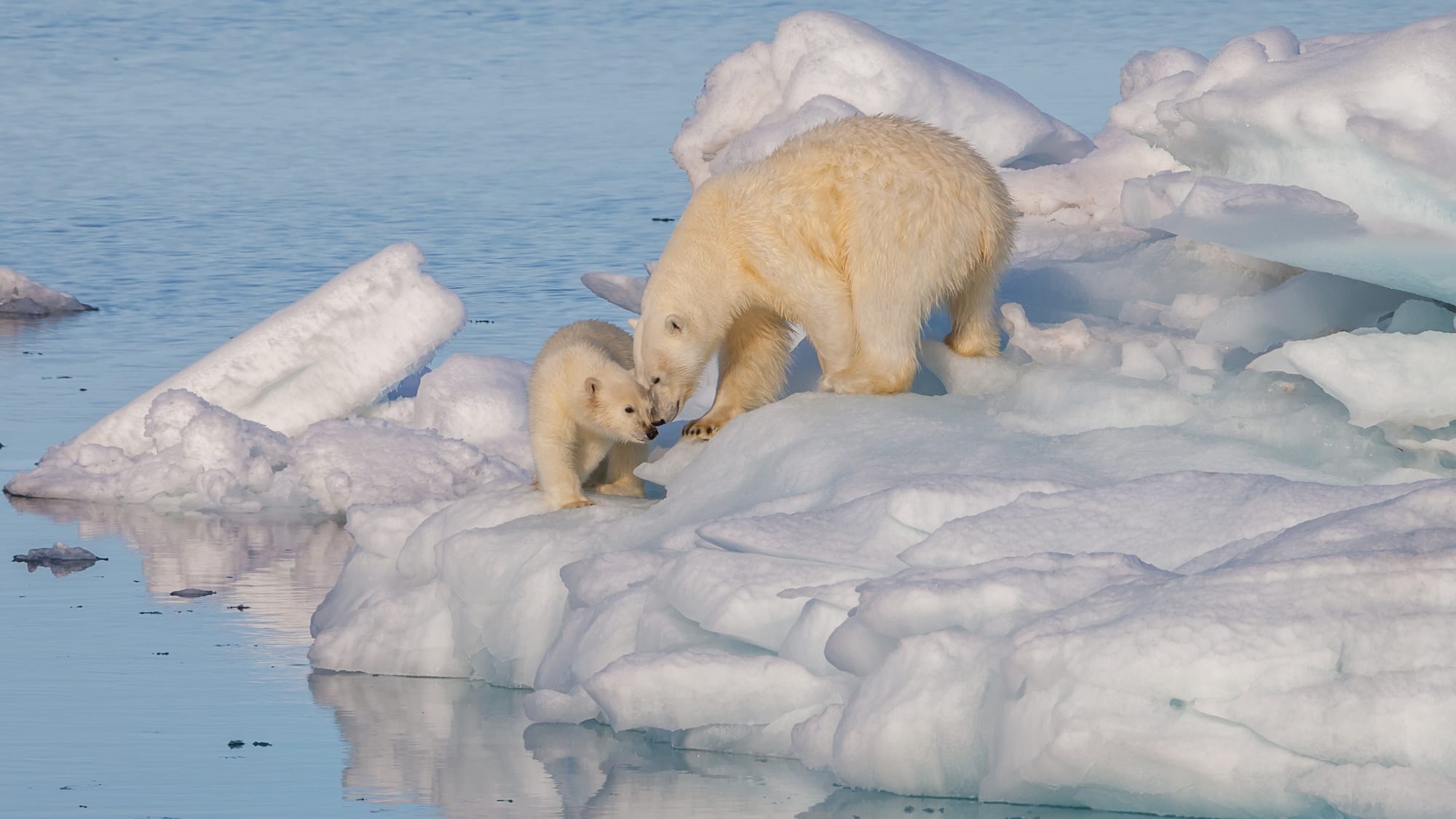
Svalbard's polar bear population is thought to number close to or above the archipelago's roughly 2,500 human residents, and their presence shapes daily life significantly — carrying a rifle (or travelling with an armed guide) is effectively mandatory outside Longyearbyen's town limits for safety. Guided boat and snowmobile tours offer the main realistic chance of observing bears at a safe distance, mostly from the water.
4. Svalbard's glaciers
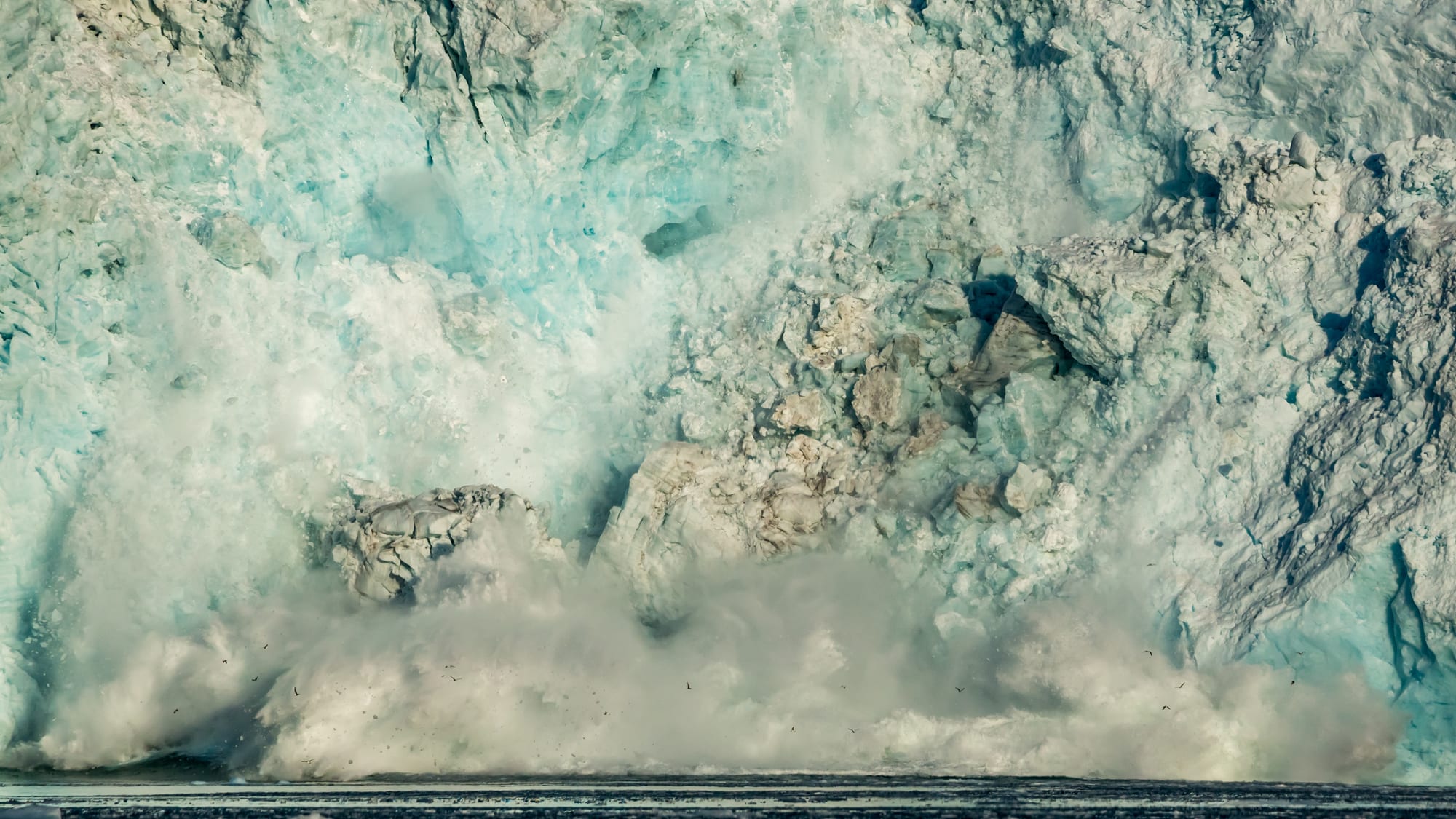
Glaciers cover the majority of Svalbard's land area, many calving directly into the surrounding fjords in dramatic displays visible from boat tours — a spectacle that also serves as a visible, ongoing marker of Arctic climate change, with many of the archipelago's glaciers retreating measurably over recent decades.
5. The fjords of Spitsbergen
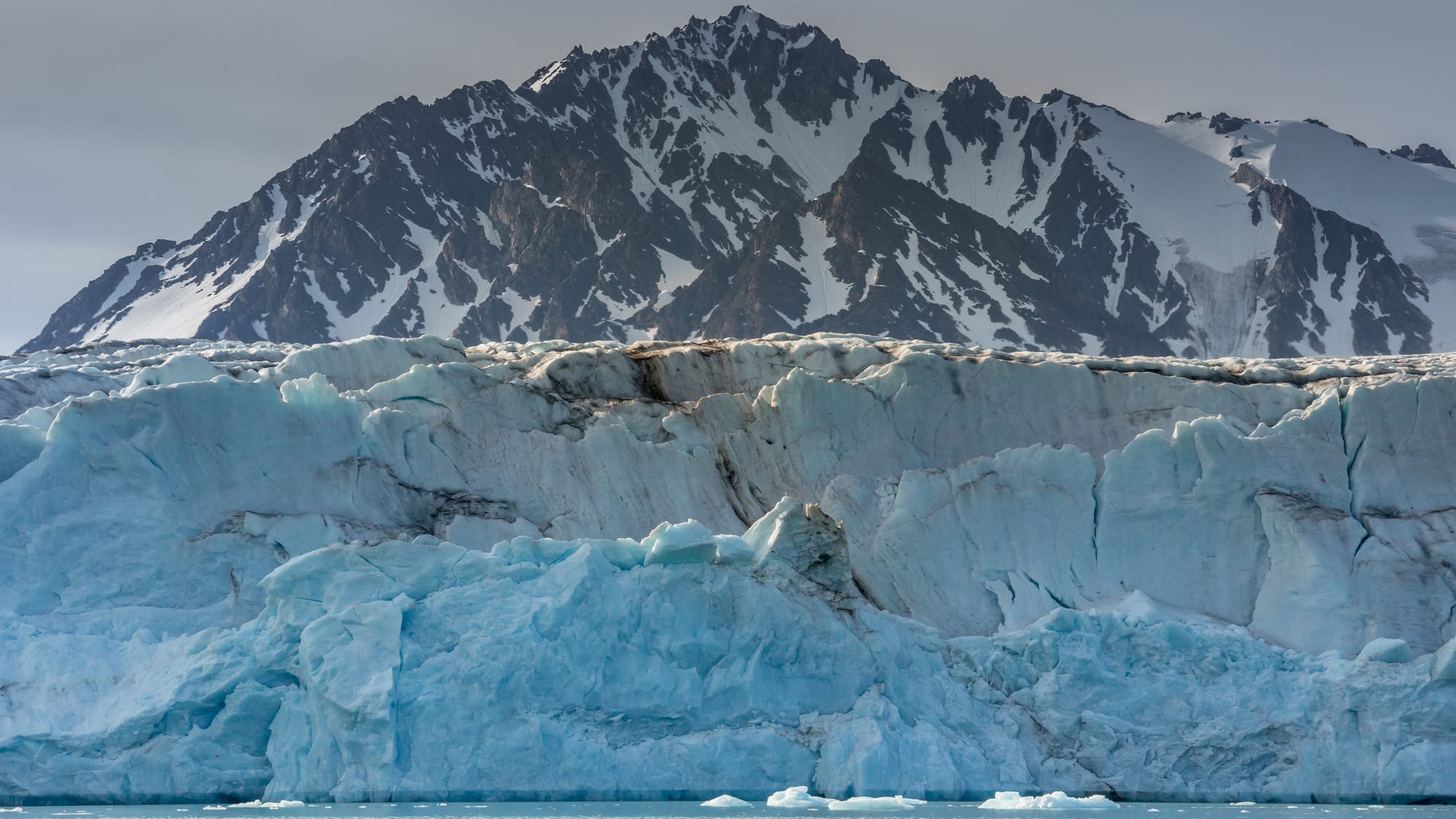
Spitsbergen, the largest island in the Svalbard archipelago, is riddled with deep fjords carved by glacial action over millennia, explored today by boat cruises that combine glacier viewing with wildlife spotting — walrus, seals, and Arctic seabirds are all commonly seen along these routes, alongside the chance, however slim, of a polar bear sighting from a safe distance offshore.
Svalbard is a genuine expedition destination: most visitors base themselves in Longyearbyen for guided boat, snowmobile, or dog-sledding excursions, with a typical visit running four days to a week given the logistics and cost involved in reaching and exploring this far north.