History · Suriname
Suriname: The Plantation Colony That Stayed Diverse
A slice of Guiana rainforest that the Dutch took from the English in exchange for New York — a brutal sugar colony whose escaped slaves built lasting Maroon nations, and a small country where Hindus, Javanese, Creoles, Maroons and Indigenous peoples share power uneasily
By Worldlore Editorial · 19 September 2026
A rainforest country of many peoples
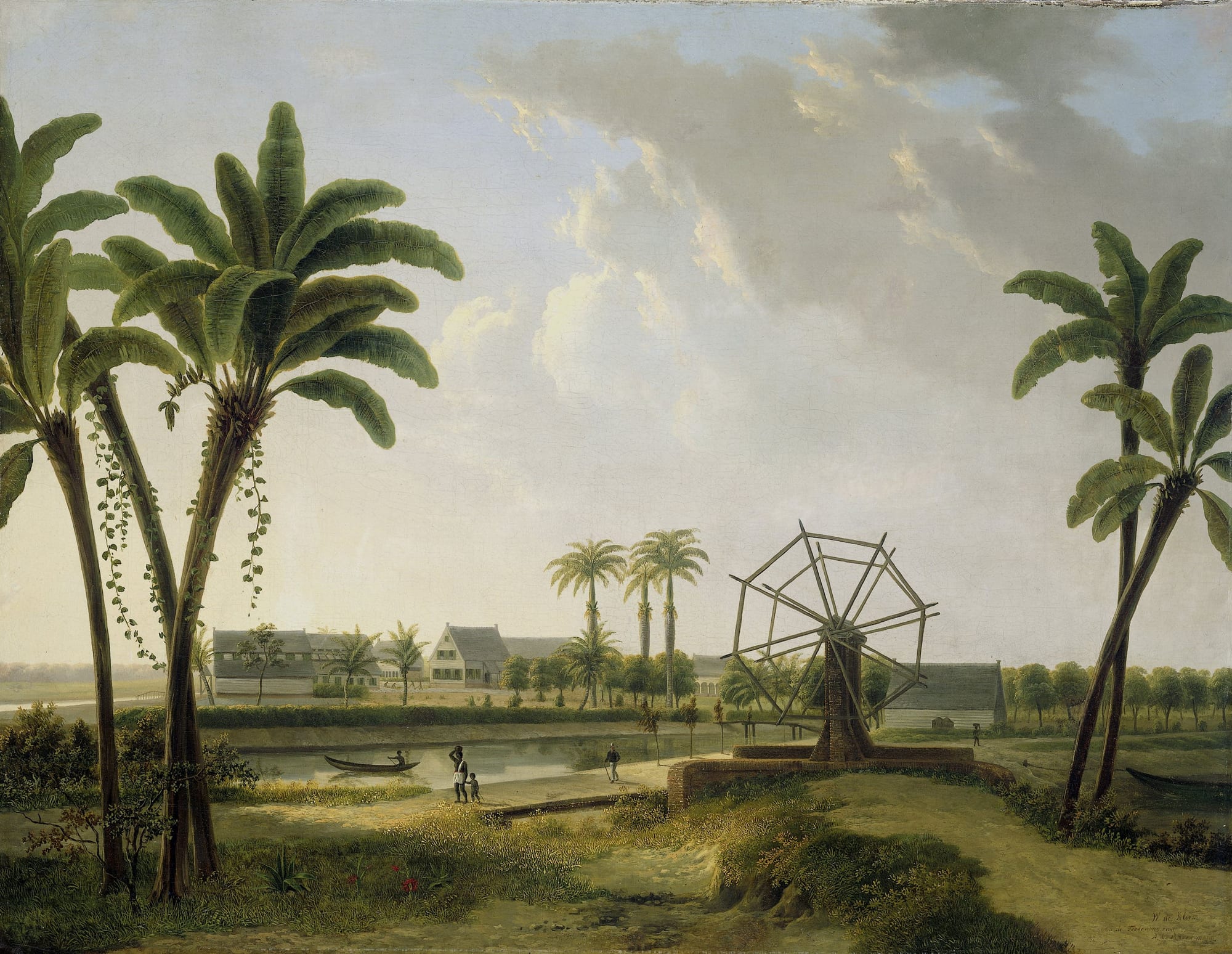
Suriname is the smallest sovereign country in South America, a stretch of the Guiana coast and interior rainforest with only about 620,000 people — but among the most ethnically diverse populations anywhere. Indians (Hindustani), Maroons, Creoles, Javanese, Indigenous peoples, Chinese and others each form a substantial share, the legacy of a plantation economy that imported labour from three continents. Dutch is the official language, but Sranan Tongo, an English-based creole, is the everyday lingua franca. It is the only Dutch-speaking country in the Americas.
A short history
- pre-1600s
Indigenous peoples
Arawak, Carib and other groups on the coast and rivers.
- 1650s
English settlement
Planters from Barbados establish sugar estates.
- 1667
The Dutch take over
Traded for New Netherland (New York) at the Treaty of Breda.
- 17th–18th c.
Sugar and slavery
One of the harshest slave regimes in the Americas.
- 1700s
The Maroon wars
Escaped slaves form forest nations; the Dutch sign peace treaties from 1760.
- 1863
Abolition
Slavery ended; a ten-year forced "apprenticeship" follows.
- 1873–1939
Indenture
Contract labourers arrive from India and then Java.
- 1954
Autonomy
Suriname becomes a self-governing part of the Kingdom of the Netherlands.
- 1975
Independence
A third of the population emigrates to the Netherlands.
- 1980–1987
Military rule
Dési Bouterse's coup and the "December murders".
English start, Dutch colony
The Guiana coast was home to Arawak- and Carib-speaking peoples when Europeans began contesting it in the 16th and 17th centuries. English planters from Barbados founded a sugar colony on the Suriname River in the 1650s. In 1667, during the Second Anglo-Dutch War, a Dutch force captured it, and at the Treaty of Breda that year the two powers formalised a swap: the Netherlands kept Suriname, and England kept New Netherland, including New Amsterdam — the future New York. The Dutch, and particularly the Society of Suriname that ran it, expanded the plantation system enormously.
Slavery and the Maroons
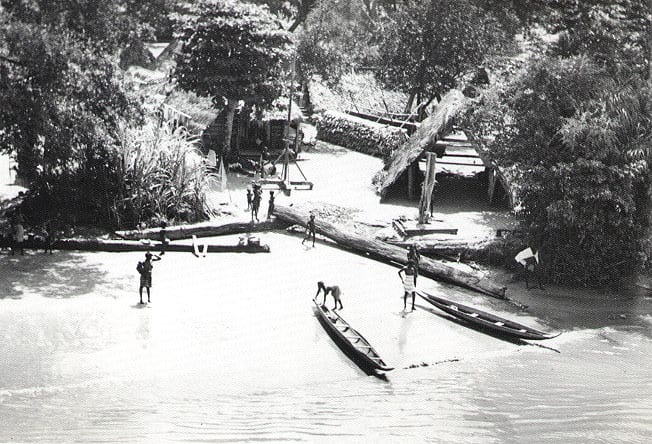
Suriname's sugar and coffee plantations were worked by enslaved Africans under a regime notorious even by Caribbean standards for its cruelty, described in harrowing detail by the 18th-century soldier John Gabriel Stedman. High death rates meant constant fresh imports from Africa. Large numbers escaped into the dense interior and formed independent Maroon societies, which fought the colonial militia for decades; unable to defeat them, the Dutch signed peace treaties from 1760 recognising Maroon autonomy in exchange for the return of new runaways. These Maroon nations — the Saramaka, Ndyuka and others — survive today with their own languages, religions and territories, and remain legally and politically distinct.
Abolition and indenture
The Netherlands abolished slavery in Suriname only in 1863, among the last European powers to do so, and even then bound the freed people to another decade of low-paid plantation labour. To replace them, the colonial government recruited indentured workers: from British India between 1873 and 1916 (the ancestors of the Hindustani community, now the largest single group), and from the Dutch East Indies, especially Java, from 1890 to 1939. Chinese and Portuguese-speaking Madeirans also came as traders and labourers. The result, by the mid-20th century, was a society with no majority group and politics organised largely along ethnic lines.
Independence and the Bouterse era
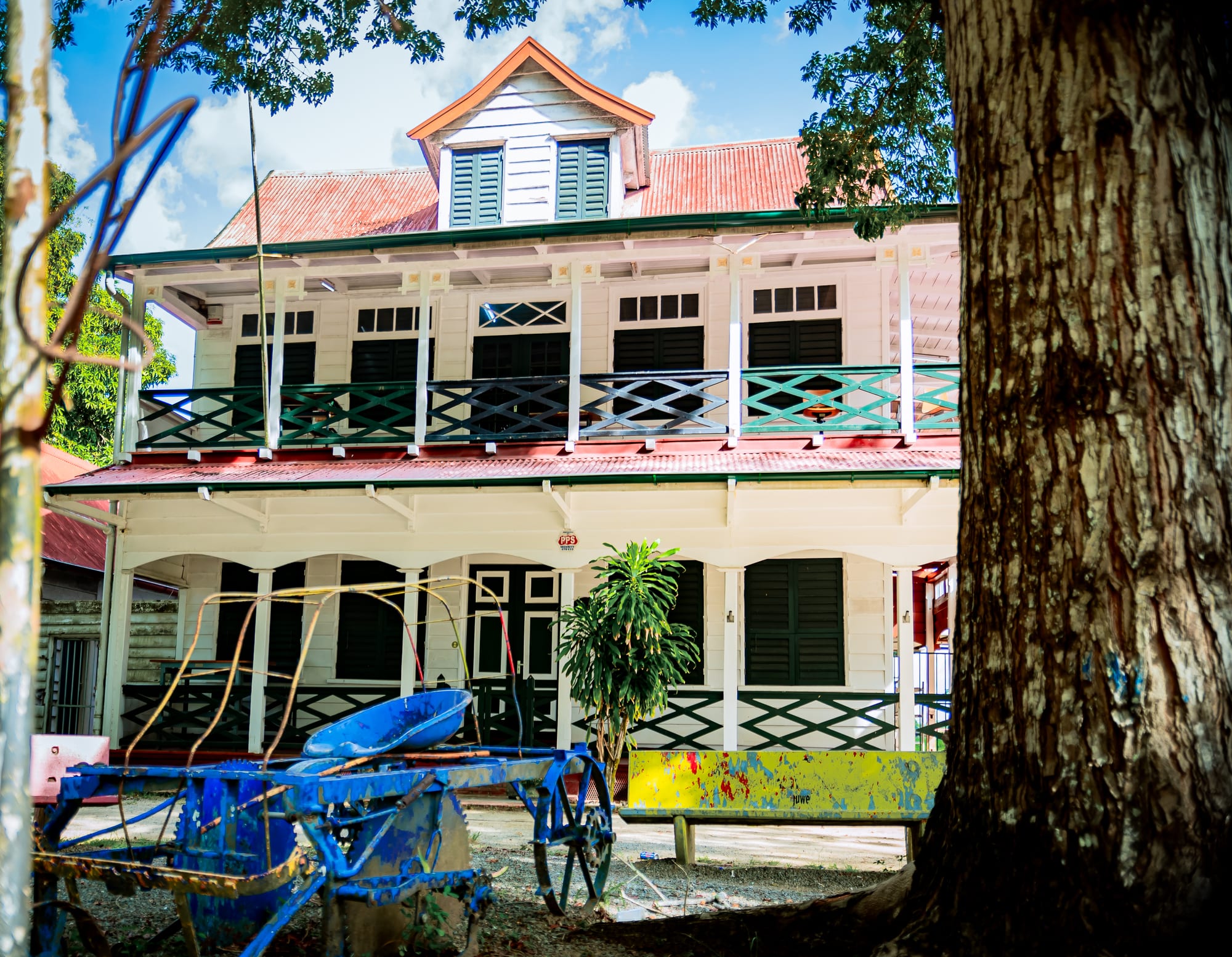
Suriname gained internal autonomy within the Kingdom of the Netherlands in 1954 and full independence on 25 November 1975. Fearing instability and drawn by Dutch citizenship, around a third of the population — perhaps 300,000 people — emigrated to the Netherlands around independence, and Surinamese-Dutch communities there remain large. In February 1980 a group of sergeants led by Dési Bouterse seized power. Military rule brought the "December murders" of 1982, when 15 prominent opponents — lawyers, journalists, academics, trade unionists — were tortured and killed at Fort Zeelandia, and a brutal 1986–92 "Interior War" against a mainly Ndyuka Maroon insurgency. Democracy was restored in 1987, but Bouterse remained a dominant figure, elected president in 2010 and 2015, before being convicted in absentia of the December murders in 2019 and dying a fugitive in 2024.
Suriname now
Politics remains largely ethnic in character, with coalitions bridging Hindustani, Creole, Javanese and Maroon parties. The economy depends on gold, oil, and formerly bauxite, with agriculture and forestry; recent large offshore oil discoveries offshore hold the promise — and the risks — of a windfall for such a small country. Deforestation is limited so far, and Suriname markets itself as one of the most forested nations on Earth. Corruption and debt have been persistent problems, prompting an IMF programme in the 2020s.
What Suriname carries
Suriname was a by-product of a 17th-century deal that gave the Dutch a sugar colony and the English New York, and its whole society was assembled to work that colony — enslaved Africans, then indentured Indians and Javanese. What sets it apart is how much survived intact: the Maroon nations in the interior, still governing themselves under 18th-century treaties, and a coastal population so mixed that ethnic balance is the organising principle of its politics.