Attractions & Natural Wonders · Suriname
Suriname: Five Attractions and Natural Wonders
A Dutch colonial capital built almost entirely of wood, one of the largest wooden cathedrals in the world, and Maroon communities descended from enslaved Africans who escaped into the rainforest and never left
By Worldlore Editorial · 10 September 2026
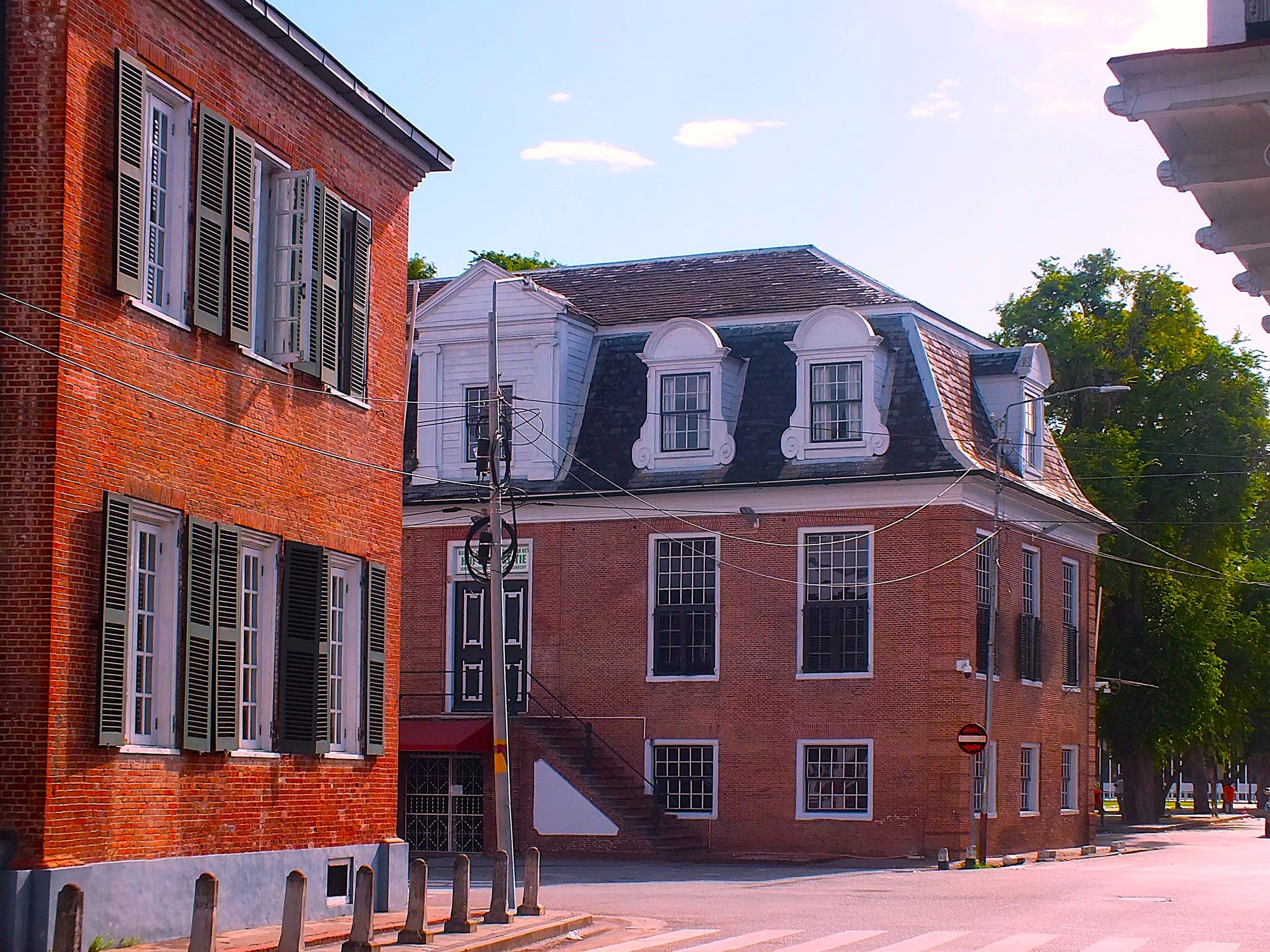
South America's smallest and most diverse country
Suriname, South America's smallest independent country, was a Dutch colony until 1975 and remains one of the continent's most ethnically diverse nations — Creole, Hindustani, Javanese, Maroon, and Indigenous communities each shape its culture, cuisine, and religious life side by side. Its interior is covered by dense, largely untouched Amazon rainforest, home to Maroon communities descended from enslaved Africans who escaped Dutch plantations centuries ago and built independent societies deep in the jungle.
The five below run from the capital, Paramaribo, to the rainforest interior. The dry seasons (roughly February–April and August–November) are generally the easiest times to travel.
1. Historic Paramaribo
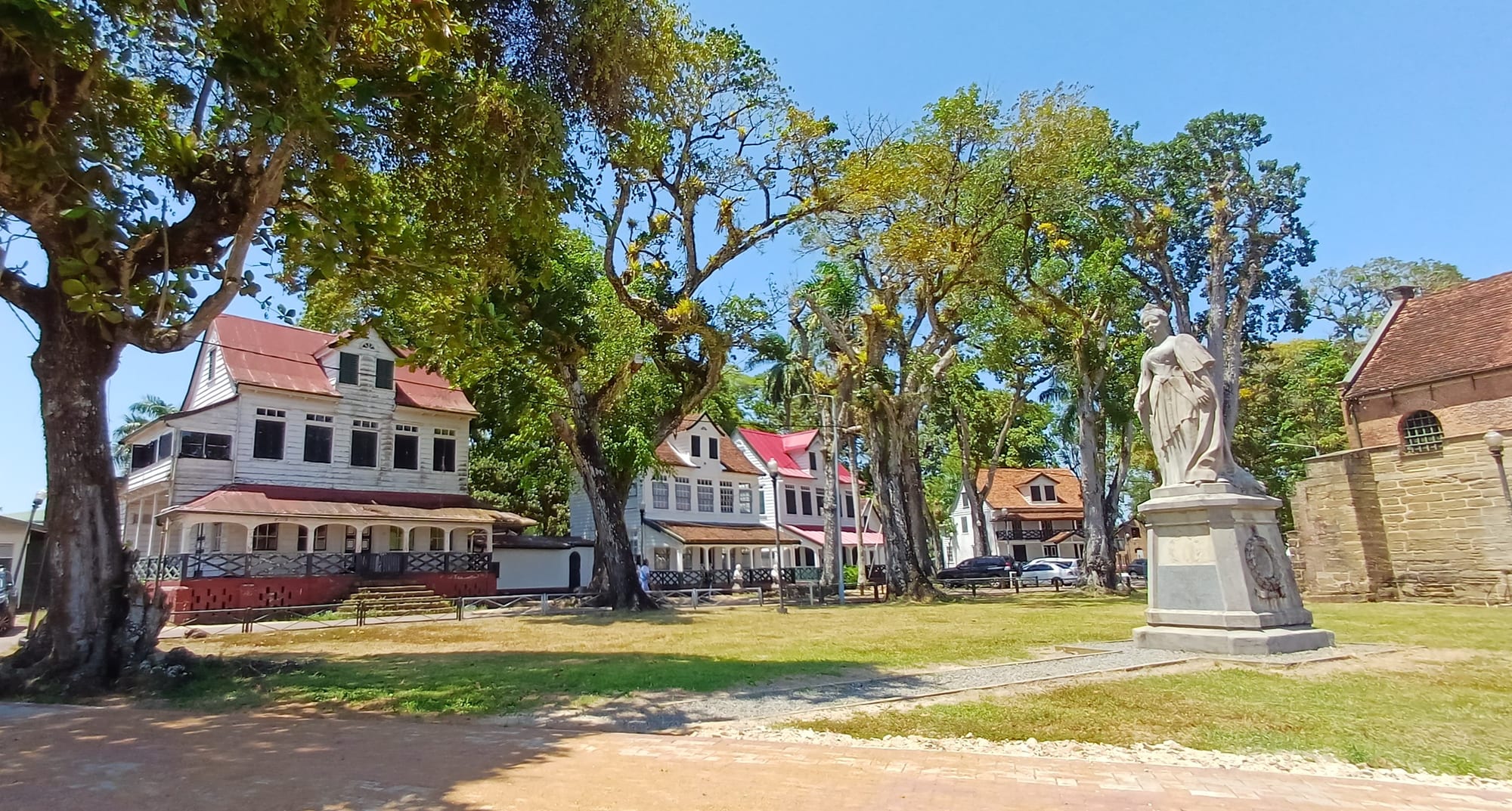
Paramaribo's historic centre, a UNESCO World Heritage Site, preserves a distinctive mix of Dutch colonial urban planning executed largely in wood rather than the brick or stone typical of European colonial architecture elsewhere — a practical adaptation to the tropical climate that has left the city with a unique architectural character found nowhere else in South America.
2. Fort Zeelandia
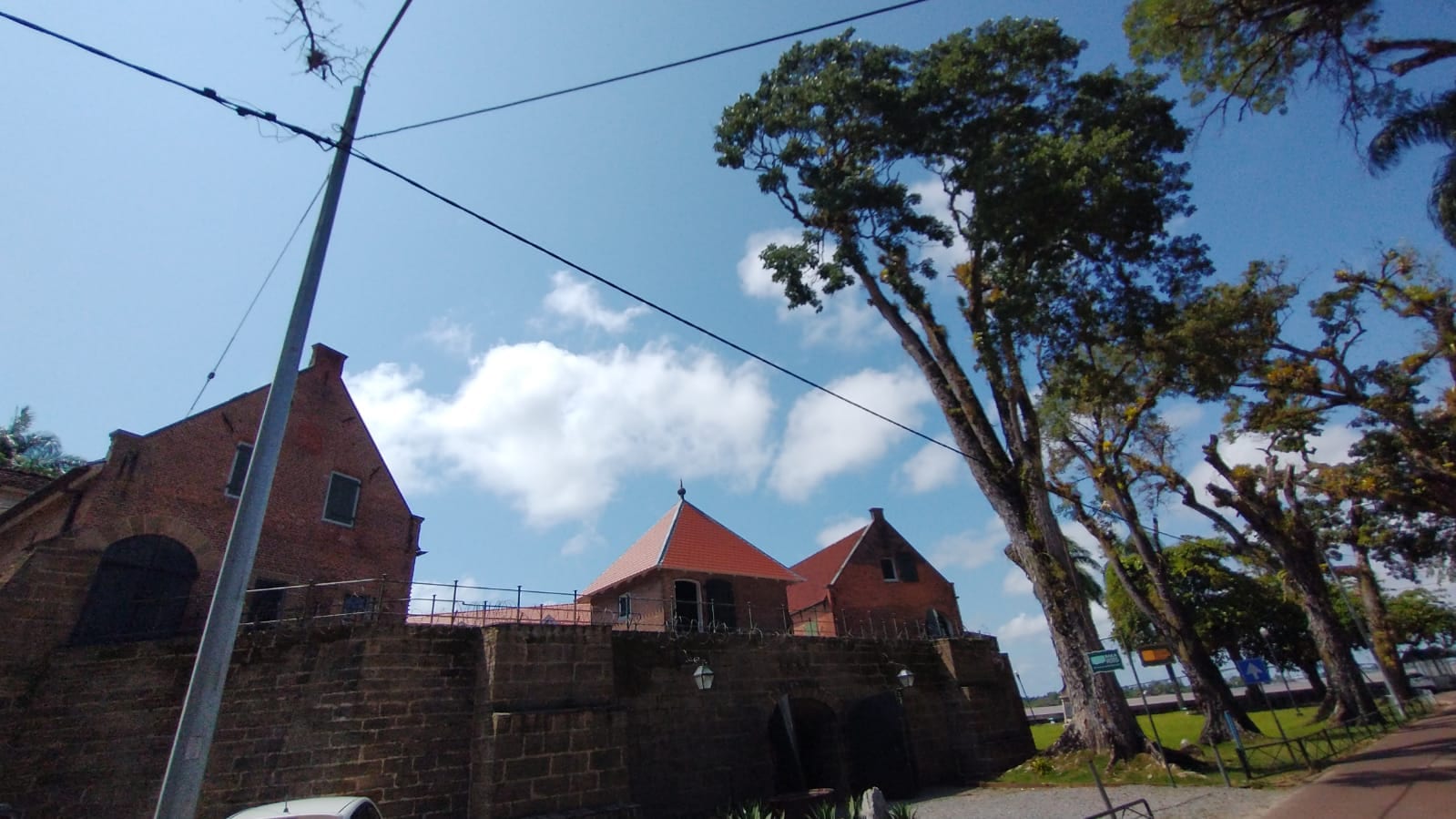
Fort Zeelandia, built by the Dutch (following earlier French and English construction) in the 17th century, anchored colonial Paramaribo's defences along the Suriname River and later served, more darkly, as a detention site during the country's post-independence military rule. It now houses a museum documenting Suriname's colonial and post-independence history.
3. The Cathedral of Saint Peter and Paul
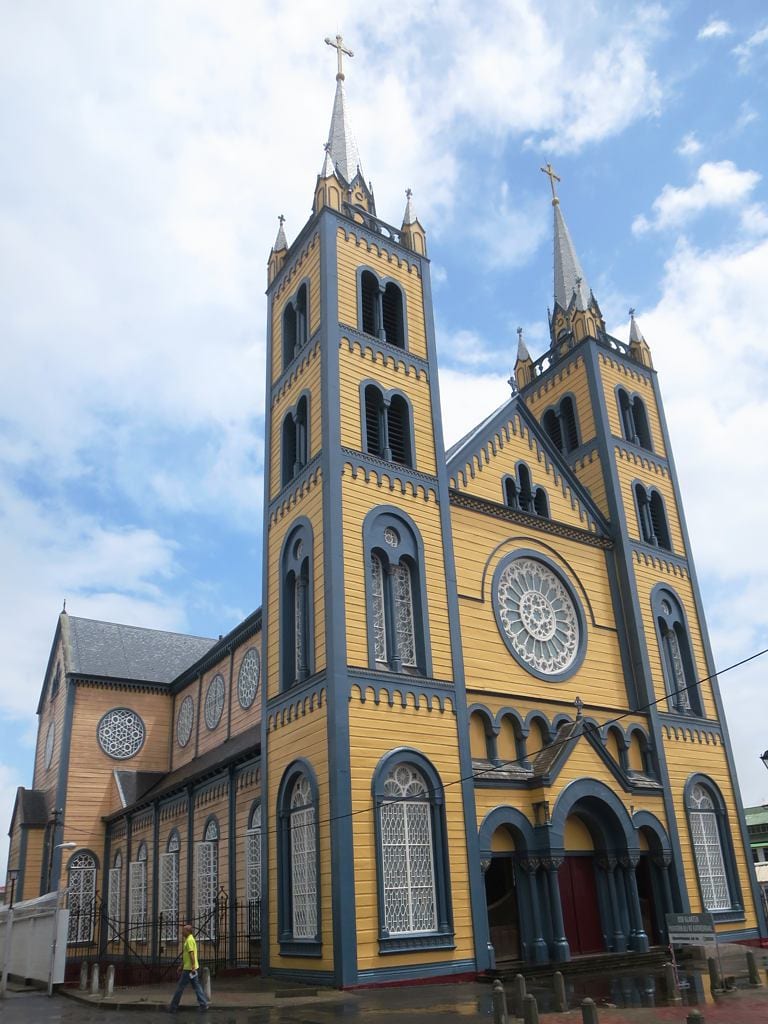
The Cathedral of Saint Peter and Paul, built almost entirely of wood in the late 19th century, is among the largest wooden structures in the Americas — its twin spires and ornate interior a striking demonstration of the same timber-construction tradition found throughout Paramaribo's historic centre, built to withstand the tropical climate without the stone typically used for cathedrals elsewhere.
4. The rainforest interior
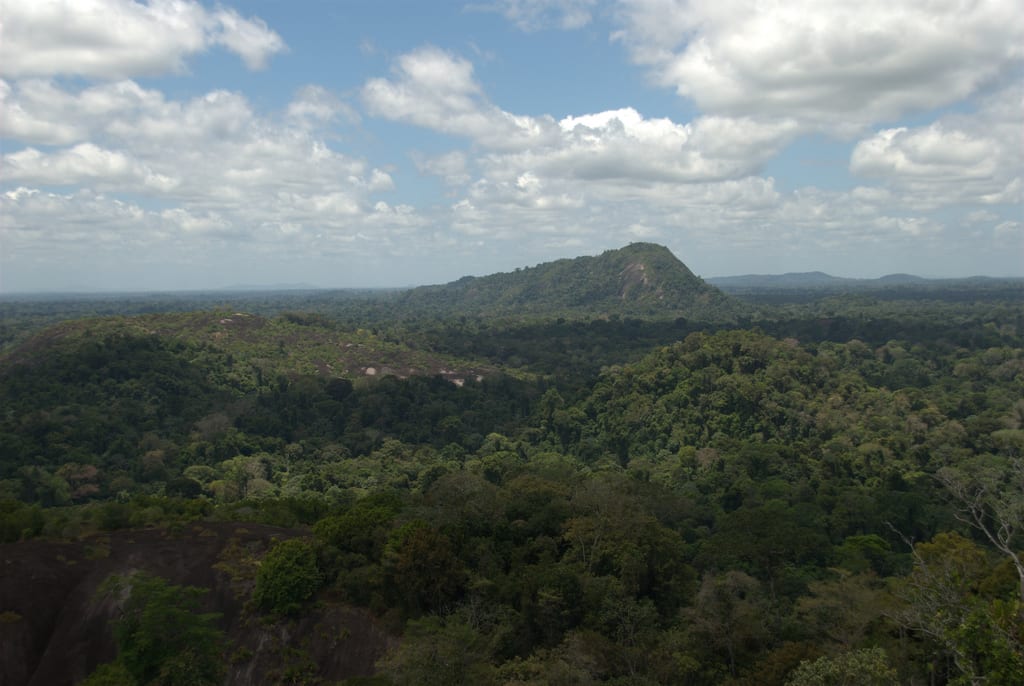
Suriname's interior is covered almost entirely by pristine Amazon rainforest, protected in large part within the Central Suriname Nature Reserve, a UNESCO World Heritage Site holding an exceptional diversity of wildlife and granite inselberg formations like Voltzberg, climbable for sweeping views over an unbroken canopy stretching to the horizon.
5. Maroon river communities
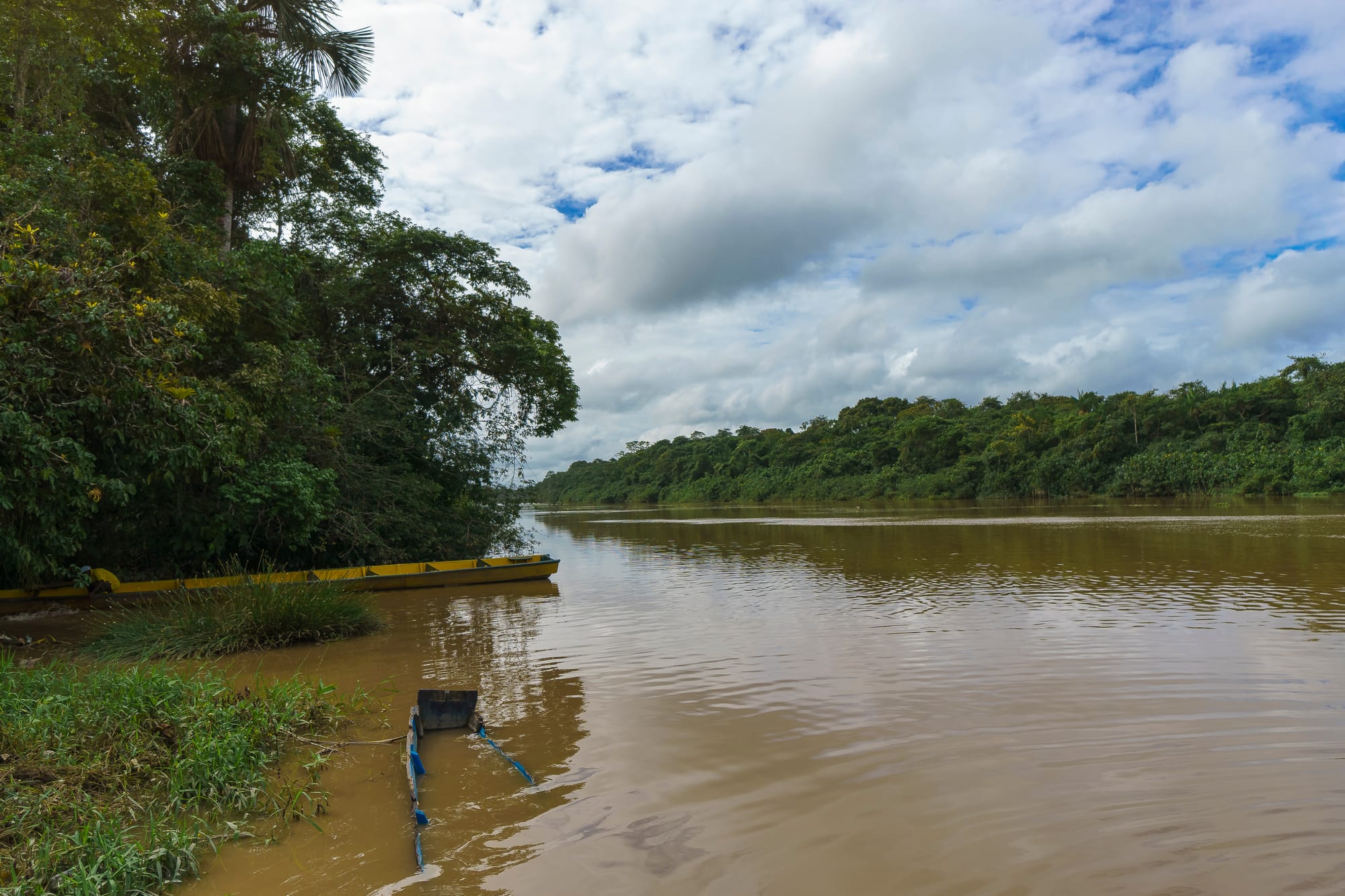
Suriname's Maroon communities are descended from enslaved Africans who escaped Dutch plantations, some as early as the 17th century, and established independent societies deep in the rainforest along the country's rivers, maintaining distinct languages, art, and social structures that draw directly on West African traditions preserved and adapted over centuries of isolation. River trips from Paramaribo let visitors experience this culture, generally arranged through community-based tourism initiatives.
Suriname suits a trip combining a few days in Paramaribo's historic centre with an extension into the rainforest interior, where river travel by boat remains the primary way to reach most Maroon and Indigenous communities.