Culture & Customs · Spain
Spain: Two Kisses and a Long Sobremesa
A country of strong regional identities and shared rituals, where friends greet with a kiss on each cheek, Catholic tradition shapes the calendar even for non-believers, and the best part of a meal is the conversation that follows it
By Worldlore Editorial · 30 September 2026
Dinner has been called for half past nine, and the last guests arrive at ten with a quick apology, which is waved away with a cheerful "no pasa nada" — it doesn't matter. Each newcomer is greeted with a kiss on both cheeks or a warm embrace, and a bottle of wine or a box of pastries is handed over to be shared. The meal runs long, but the real event comes afterwards: the sobremesa, when plates are cleared and nobody moves, and conversation, argument and laughter carry on around the table, sometimes into the early hours. Only when the host stops offering another drink does everyone understand that the evening is drawing to a close, and the goodbyes take almost as long as the greetings.
Faith, identity and values
Spain is a country of strong regional identities. It is divided into seventeen autonomous communities, and three of them — Catalonia, the Basque Country and Galicia — are often called historic nationalities and, like several other regions, have extensive powers of self-government. Catalan, Basque and Galician are co-official alongside Castilian Spanish in their own territories, as is Aranese, the language of the Val d'Aran, in Catalonia, and around one Spaniard in six speaks a regional language as their first language, though almost everyone is also fluent in Castilian. Many people feel a strong attachment to their region or home town as well as to Spain as a whole, and the balance between the regions and central government is one of the country's recurring political debates, on which Spaniards hold a wide range of views.
Catholicism has shaped the calendar, the landscape and the rites of passage for centuries, but regular practice has fallen sharply since the return of democracy in the late 1970s. Around 1980, more than eight in ten Spaniards described themselves as Catholic; recent surveys put the figure at just over half, and only about a third of those describe themselves as practising. What remains strong is what is often called cultural Catholicism: many people who seldom attend Mass still baptise their children, celebrate first communions, marry in church and gather with their families at Christmas and Easter. The shift is sharpest among the young, who are far less likely than older generations to call themselves Catholic. Smaller communities of Muslims, Protestants, Buddhists and Hindus make up a few per cent of the population, and a growing share of people describe themselves as agnostic or non-believers.
The family is the centre of social life and the first source of support in difficult times. Grandparents often help to raise children, and many families prefer to care for elderly relatives at home. Society has also changed quickly: same-sex marriage has been legal since 2005 and enjoys very broad public support, most women work outside the home, and couples commonly live together before they marry. Spaniards tend to have a strong sense of personal honour, a love of company and conversation, and a habit of spending social time in public — in plazas, cafés and bars — rather than at home.
Greetings and meeting people
The typical informal greeting is a kiss on each cheek, starting with the left, most often between women and between women and men. In business and more formal settings, a firm handshake with eye contact and a smile is usual, and some men add warmth by placing the left hand on the other person's forearm. Once people know each other, men often greet with an abrazo, a hug accompanied by a pat on the shoulder or elbow.
Formal settings call for "señor" or "señora", but Spaniards move to first names very quickly, even at work. Greetings follow the time of day: "buenos días" in the morning, "buenas tardes" in the afternoon and early evening, "buenas noches" at night, or simply "hola", often followed by an enquiry after the other person's well-being.
Conversation is lively and direct. People speak openly, show their emotions and expect honesty in return; interrupting and talking over one another among friends is normal, and raised voices usually signal enthusiasm rather than anger. Spaniards are tactile, touching an arm or shoulder while they talk, and a comfortable conversational distance is around half a metre. Direct eye contact is expected. Hands are used freely to make a point, but pointing at people and beckoning with a single index finger are considered rude. Among the lighter customs, Tuesday the thirteenth, martes trece, carries the same unlucky reputation that Friday the thirteenth has elsewhere.
Hospitality and being a guest
Spaniards tend to socialise in public places rather than at home, but when an invitation to a house does come, dinner is late, often between nine and half past eleven, and punctuality is relaxed: arriving a little after the stated time is normal. Guests usually bring something that can be shared, such as wine, chocolates or pastries; flowers are a less obvious choice, precisely because they cannot be shared at the table. Gifts are generally opened on the spot, with thanks, and nicely wrapped presents make a good impression. Birthday presents are expected for children but are less usual between adults.
At the table, hands stay visible, with the wrists resting on the edge of the table rather than in the lap. Nobody starts until the host indicates, and the host usually proposes the first toast with "¡salud!" — health. Wasting food is frowned upon, and bread is used to mop up sauces. After the meal comes the sobremesa, the unhurried conversation that can last far longer than the meal itself; leaving straight after eating would miss the point of the invitation. A host signals that it is time to go by no longer offering drinks, and farewells involve a kiss or embrace for everyone present.
In restaurants, tipping is not routine. Friends, especially younger ones, commonly split the bill equally, a practice known as "pagar a pachas", while a host may insist on paying for a special occasion — and it is gracious to accept without too much protest.
Festivals and life's big moments
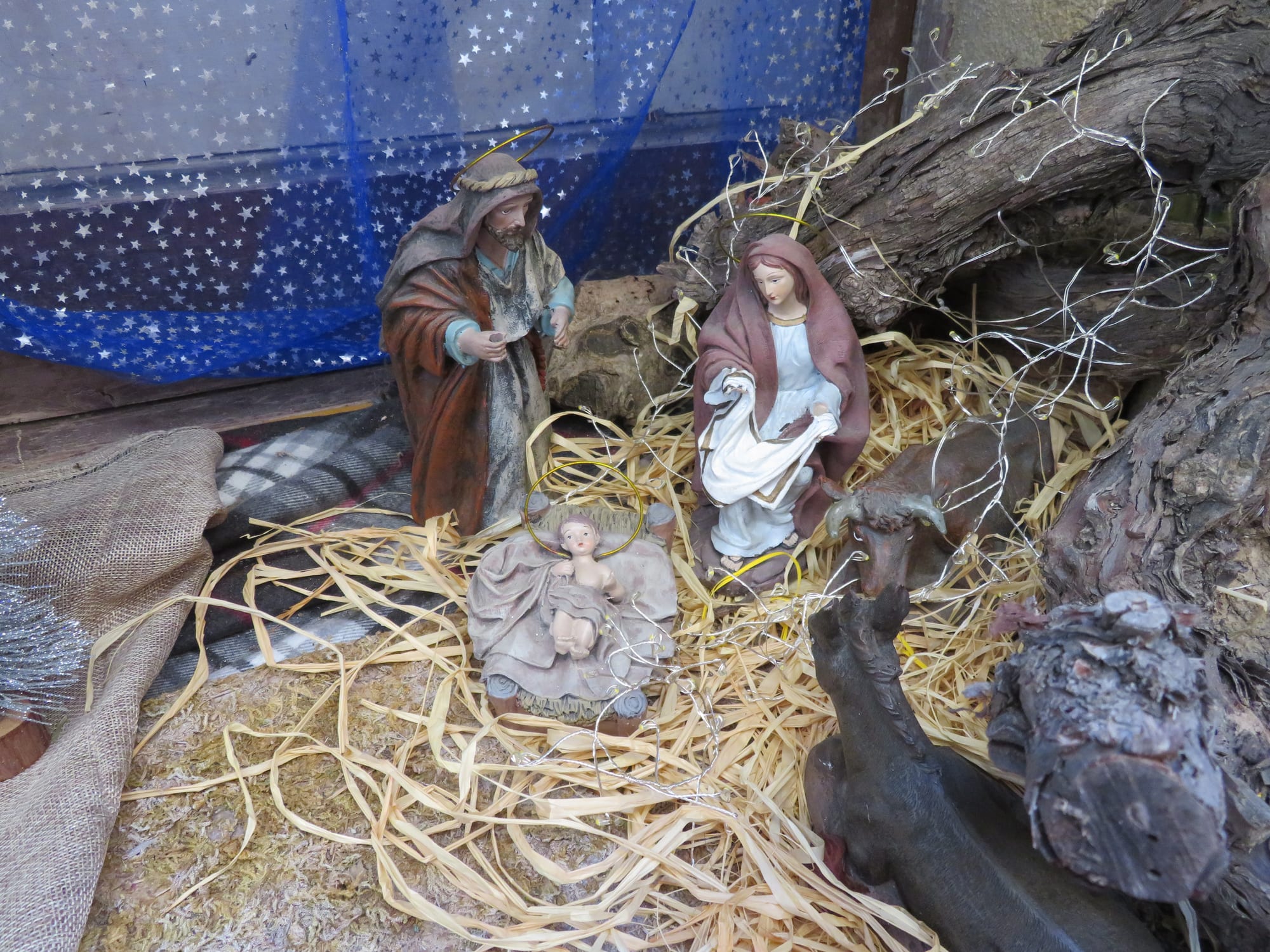
The Christmas season runs from mid-December to early January. It opens, for many, with the Christmas lottery draw on 22 December, known as El Gordo, when the winning numbers are sung out by children in a distinctive chant. Christmas Eve is the great family dinner, and nativity scenes are set up across the country. The season ends with the Three Kings. On the evening of 5 January, towns and cities hold parades in which the Kings arrive with their attendants and throw sweets to the crowds, and some children hold umbrellas upside down to catch them. Children have written to the Kings with their wishes, and before going to bed many leave out their shoes, sometimes with a snack for the camels and a drink for the Kings. On the morning of 6 January they find their presents. Families then share a ring-shaped roscón, in which a small figurine is hidden.
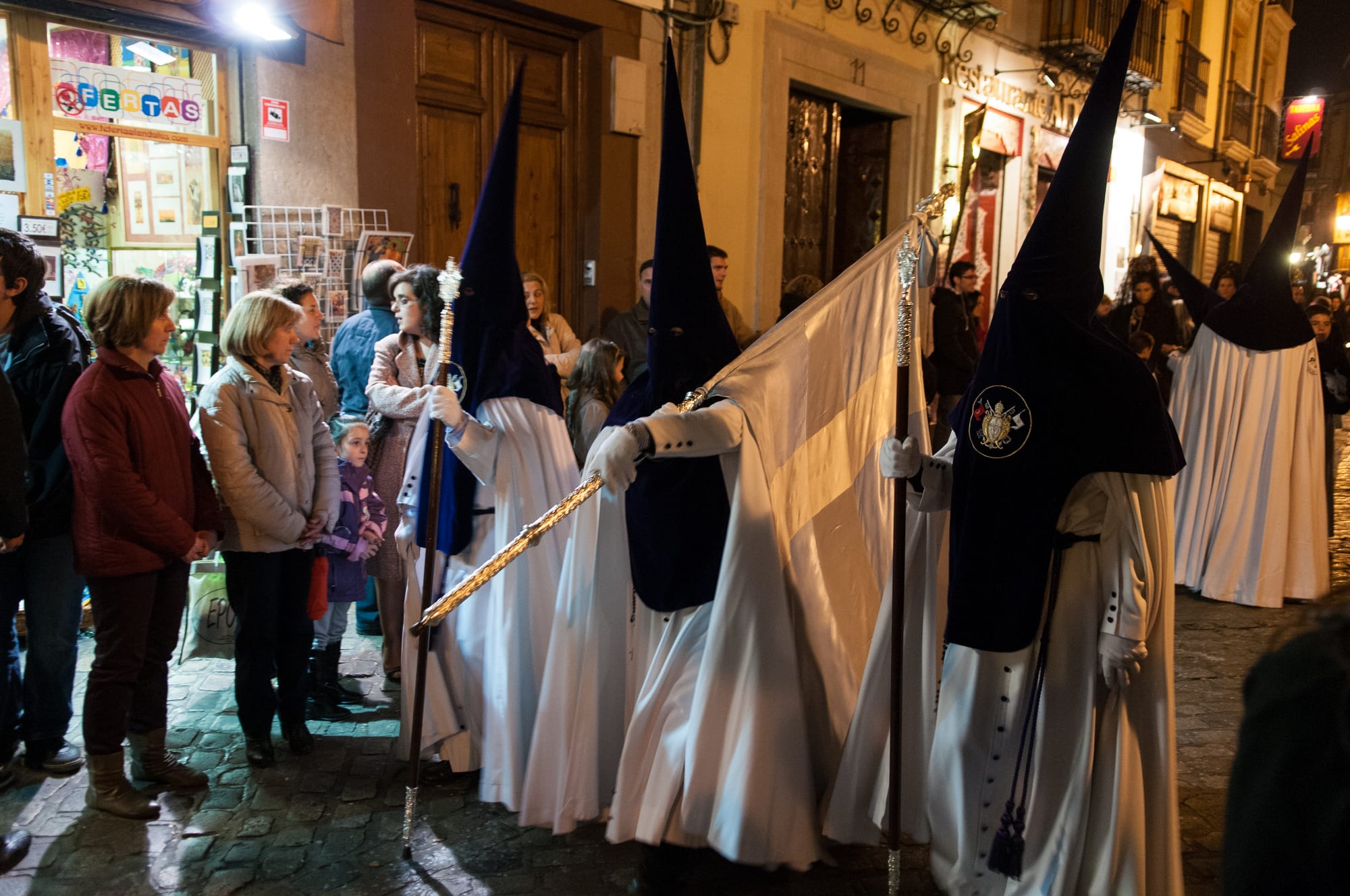
Holy Week, in March or April, is the most striking religious festival. Lay brotherhoods known as cofradías carry pasos — elaborate platforms bearing sculptures of Christ and the Virgin, many of them Baroque works of art — through the streets, decked with masses of flowers and accompanied by the beat of drums and music. Each brotherhood walks in its own distinctive robes, and processions take place by day and by night. Beyond the great national festivals, towns and regions also celebrate the days of their patron saints.
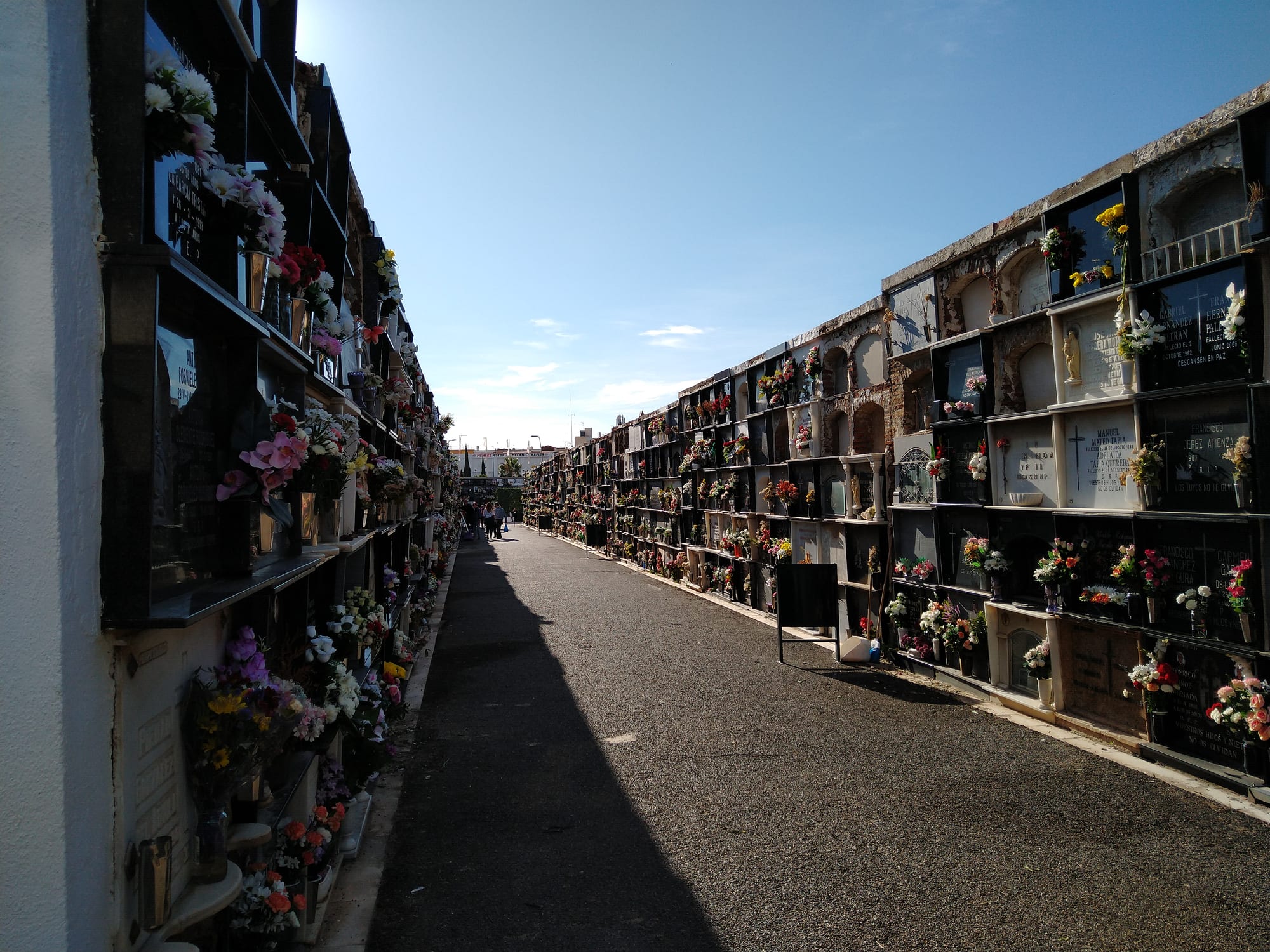
Many of life's milestones still follow the Church's rhythm, even in largely secular families. A child's first communion, usually in spring, is a major family celebration. Spaniards now marry among the latest in Europe, typically in their mid-thirties, often after years of living together. Funerals, by contrast, happen fast: burial or cremation usually takes place within a day or two of death, so the wake is usually held at a tanatorio, a funeral home, where relatives and friends come to pay their respects. Many coffins are placed in niches set into cemetery walls, often in family plots, although cremation has become increasingly common. On All Saints' Day, 1 November, a public holiday, many families visit cemeteries to leave flowers on the graves of relatives.
Arts, crafts and music
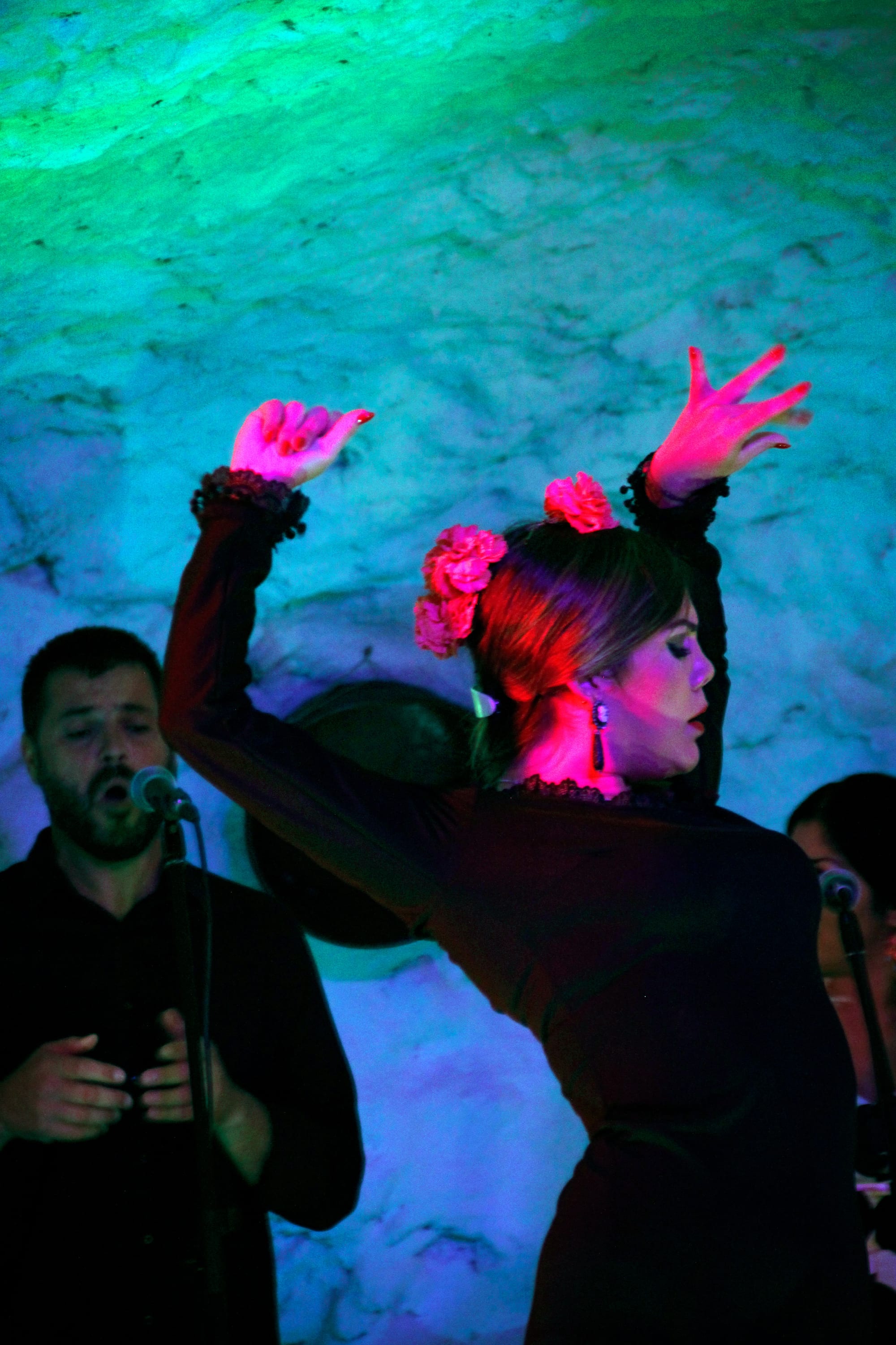
Spain has more than twenty traditions on UNESCO's Representative List of the Intangible Cultural Heritage of Humanity, from manual bell ringing and dry stone walling to drumming rituals and handmade glass. The best known is flamenco, which combines three arts: cante, the song; baile, the dance; and toque, the guitar. Hand-clapping, castanets and the stamping of feet add their own rhythms, and the songs range from grief to joy. Flamenco grew up in the south of the country, and the Gitano community played an essential part in its development. It is passed down through families, dynasties and flamenco clubs, and it is performed at religious festivals, private celebrations and in intimate venues known as tablaos as well as on large stages.
Spain's painting tradition runs from Velázquez and Goya to Picasso, Dalí and Miró. In everyday life, football is a national passion and one of the easiest subjects to raise with a stranger, while bullfighting divides opinion: some see it as an art, others oppose it, and it has been banned in some parts of the country.
Dos and don'ts for visitors
- Do greet with a handshake on first meeting, and expect a kiss on each cheek, starting with the left, in more relaxed settings.
- Do use "señor" or "señora" in formal situations, but expect first names to follow quickly.
- Do bring something to share, such as wine, chocolates or pastries, when invited to a home.
- Do keep hands visible on the table and wait for the host before starting to eat.
- Do stay for the sobremesa rather than leaving as soon as the meal ends.
- Don't point at people or beckon them with one finger.
- Don't feel obliged to tip; it is not routine in Spain.
- Don't treat bullfighting or regional politics as light small talk, since both divide opinion.
What to take away
Spain's customs vary from region to region, but almost everywhere they come back to the same pleasures — family, company and time spent talking — and visitors who slow down to the Spanish clock will find themselves welcomed into all three.