Daily Life · Spain
Spain: Lunch at Three, Dinner After Nine
A country whose meals run an hour or two later than its neighbours', where the biggest meal of the day falls mid-afternoon, shops vanish for a summer siesta that fewer people actually take than the stereotype suggests, and grown children stay in the family home well into their thirties
By Worldlore Editorial · 30 September 2026
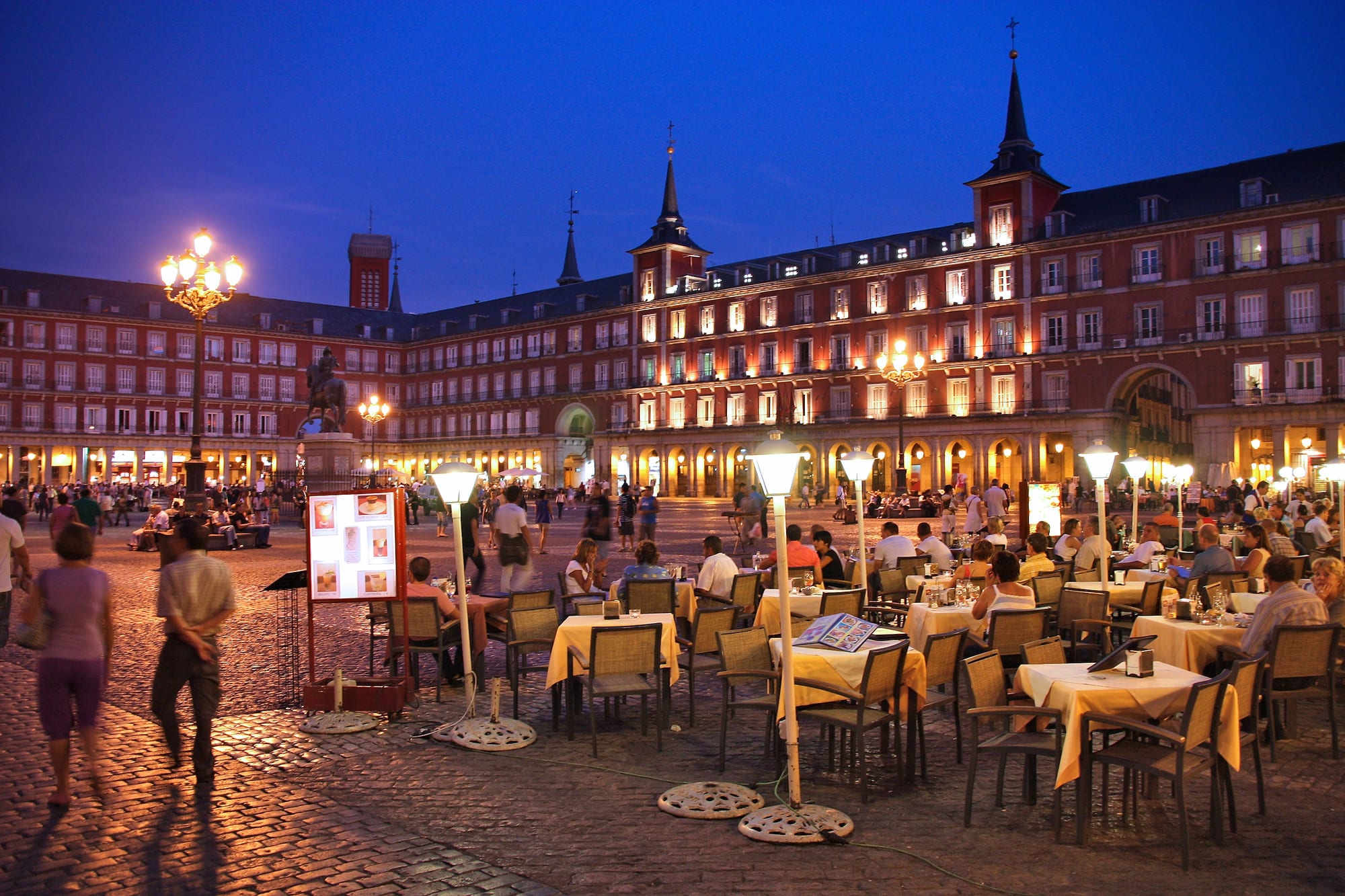
Spain runs on a clock most of Europe would find impossible to keep. Lunch, the main meal of the day, generally falls after 2pm; dinner often starts after 9pm; and life in the street stays visibly busy long after dark. None of this is a quirk of any one region — from Galicia to Andalusia, the day is built around these two late meals, and the hours in between are treated as a long middle stretch rather than a normal afternoon.
Family and home life
Spanish households remain close and, compared with the rest of the European Union, slow to break apart. Eurostat recorded the average age at which young Spaniards leave their parents' home at 30.2 in 2025, nearly four years above the EU average of 26.3 and among the five highest in the bloc, a gap driven mainly by high housing costs and precarious early-career work rather than by preference alone. Grandparents frequently live nearby and take an active hand in childcare, and it remains common for adult children to stay in, or return to, the family home while they save toward a place of their own. Home ownership is the norm rather than renting, and most people live in apartment blocks rather than houses, particularly in and around Madrid, the Mediterranean coast, and the islands, where the bulk of the population is concentrated.
Work, school and the rhythm of the day
Many workplaces, especially smaller businesses, still run a split day known as the jornada partida: office hours in the morning, a substantial midday break of two hours or more, and a second stretch of work into the early evening, sometimes as late as 7 or 8pm. A growing number of employers, particularly in summer, switch instead to a continuous jornada intensiva that finishes by early-to-mid afternoon. School days follow a similar split in much of the country, a morning block and an afternoon block either side of a long lunch break, though a continuous morning-only school day, ending in the early afternoon, is now common in some regions. Shops in smaller towns still close for a stretch in the middle of the day, particularly in summer, though this has faded in city centres and larger supermarkets, which increasingly stay open through the afternoon.
Community life and public spaces
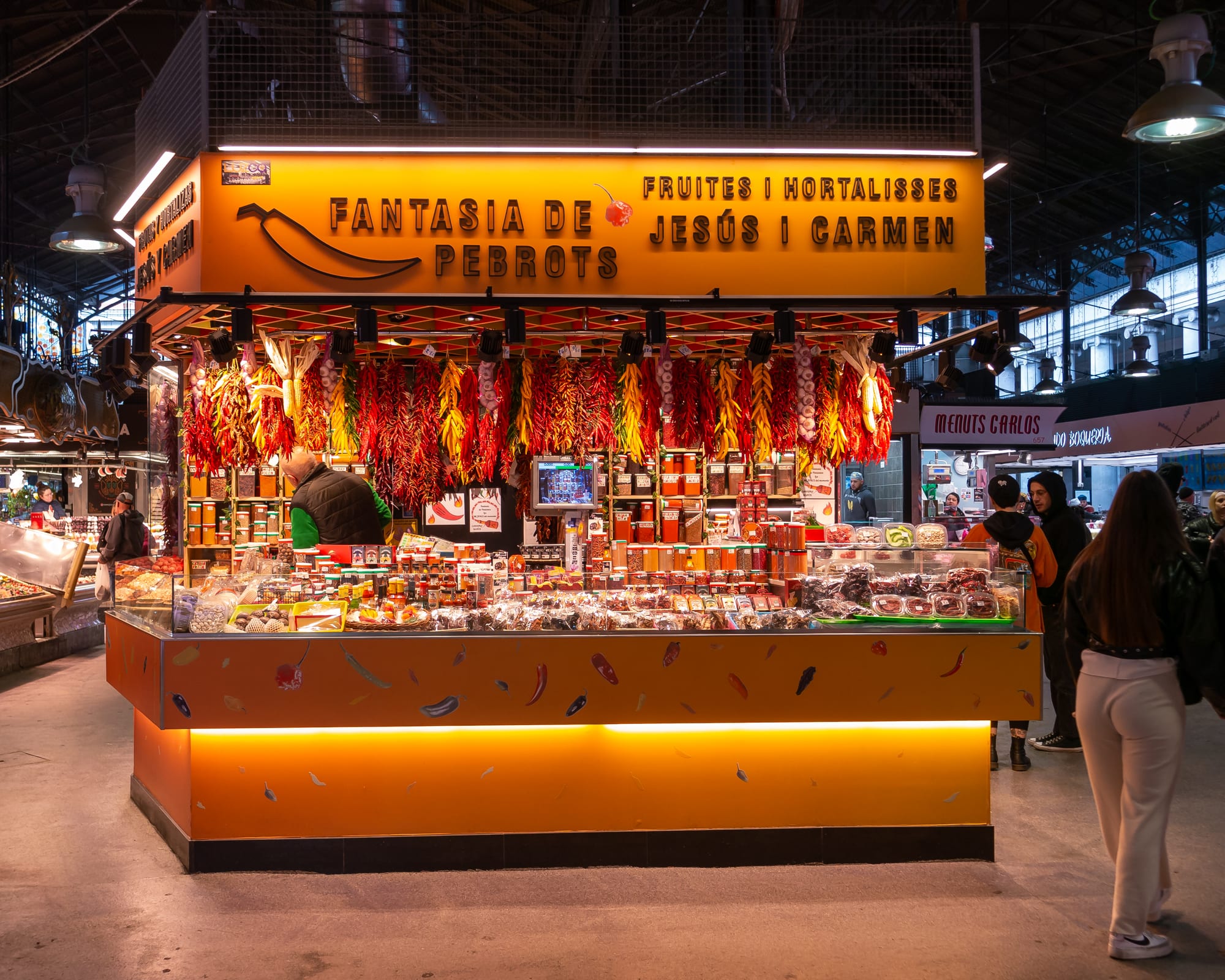
The local mercado, a covered municipal market of butchers, fishmongers, greengrocers and bars, remains a genuine daily errand in most towns and neighbourhoods, not a tourist attraction, even as supermarkets have taken a growing share of everyday shopping. Historic market halls such as the Mercado de San Miguel in Madrid have become dining destinations in their own right, keeping the same footprint but shifting from pure grocery shopping toward prepared food and drink. Plazas function as the other constant of public life: paved squares ringed by café terraces where people sit for an hour or more over a single coffee or drink, in cities and small towns alike, well into the evening.
Free time and weekends
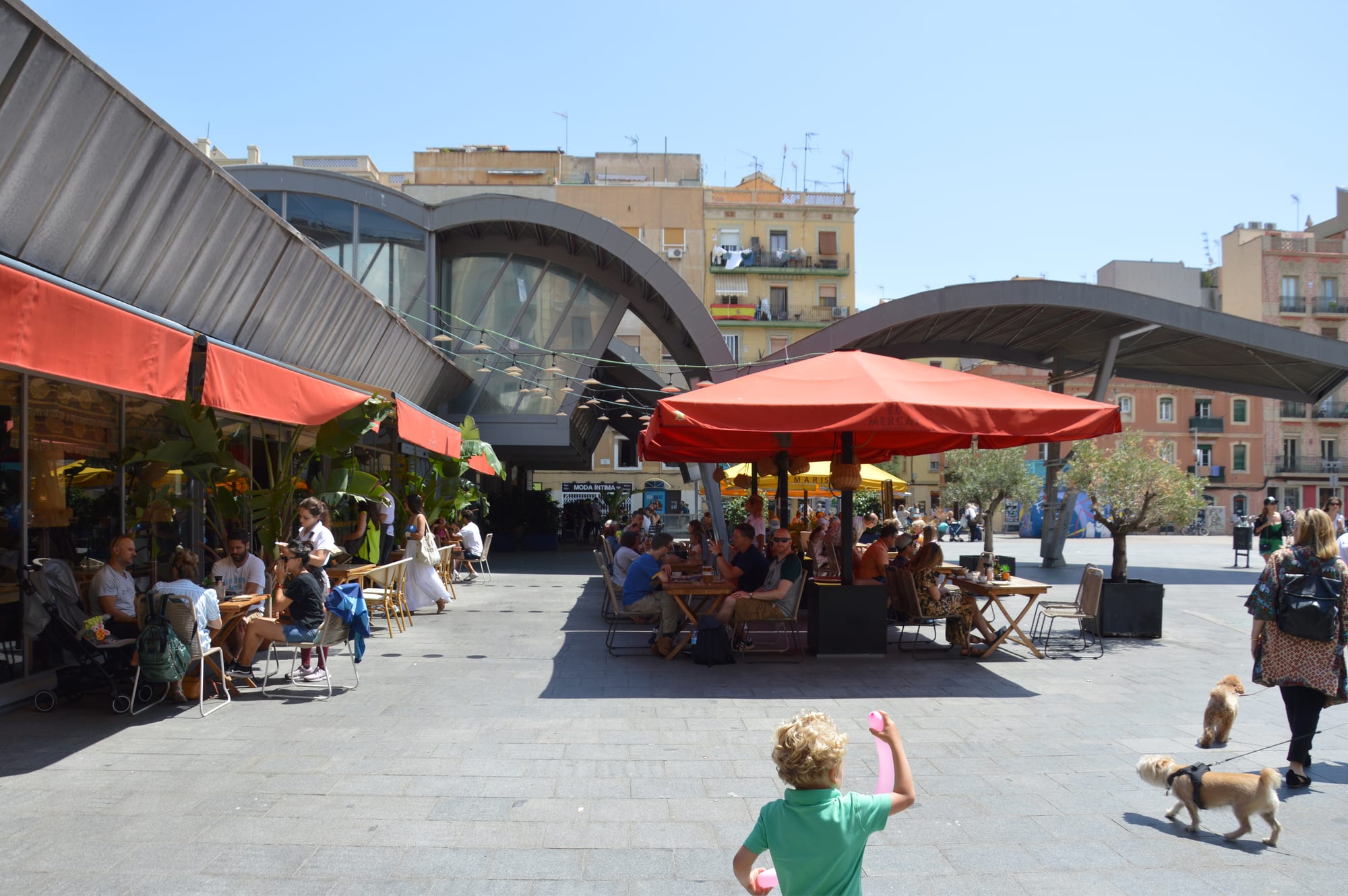
Weekend life centres on extended family lunches that stretch through the afternoon, and, where distance allows, day trips to the coast, the mountains, or a family town of origin outside the big cities. Squares and market buildings that serve as daily errands on weekdays turn into leisure destinations at the weekend, drawing families, groups of friends, and plenty of dogs and children out for the afternoon. Football is followed with genuine intensity nationwide, watched in bars and cafés as much as at home, and August remains the main holiday month, when many small businesses in the cities close outright as owners and staff leave for the coast.
A visitor's ordinary day
Cards and contactless payment are accepted almost everywhere, including small bars, though a little cash is worth carrying for markets and rural areas. Expect restaurant kitchens to run on Spanish hours: many do not open for dinner before 8pm, and a menú del día, a fixed-price, multi-course lunch offered on weekdays, is usually only available in the early afternoon. Shops in smaller towns may still close for a couple of hours around midday, particularly outside the tourist coast and in summer. High-speed AVE trains link the major cities quickly, and city metros are extensive and easy to use, making a car unnecessary for most itineraries outside rural regions.
What to take away
What organises an ordinary day in Spain is less any single custom than the timing of the day itself, with meals set an hour or two later than in most of its neighbours, and with the household, rather than the individual, still the default unit both meals and housing are built around.