Food · Spain
Spain: Food and the National Dish
Saffron rice cooked over an open fire in a wide, shallow pan, born on the farms outside Valencia and argued over ever since
By Worldlore Editorial · 16 September 2026
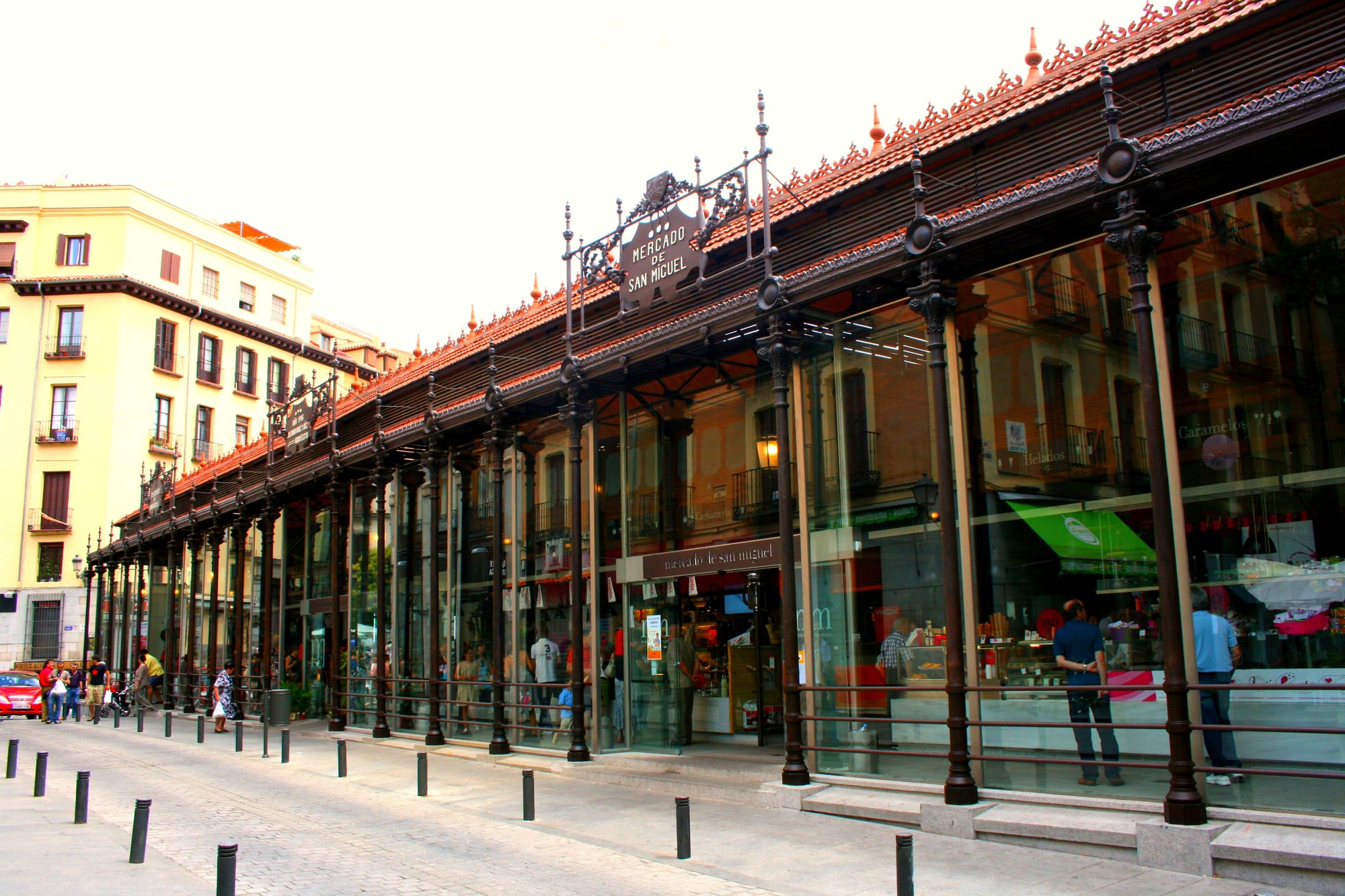
A cuisine that varies sharply from region to region
Spanish food resists easy generalisation more than most European cuisines, with distinct regional traditions across Catalonia, Andalusia, the Basque Country and elsewhere, each shaped by different geography, history and produce. One dish, however, has become internationally recognised as Spain's answer to a national dish.
The national dish: paella
Paella, saffron-infused rice cooked in a wide, shallow pan over an open flame, traditionally with rabbit, chicken, snails and green beans in its original Valencian form, or with seafood in its coastal variations, is widely regarded as Spain's national dish. Genuinely born on farms outside the city of Valencia, paella remains a point of regional pride and passionate debate over what counts as an authentic version, with Valencians often insisting seafood paella is a coastal adaptation rather than the true original recipe.
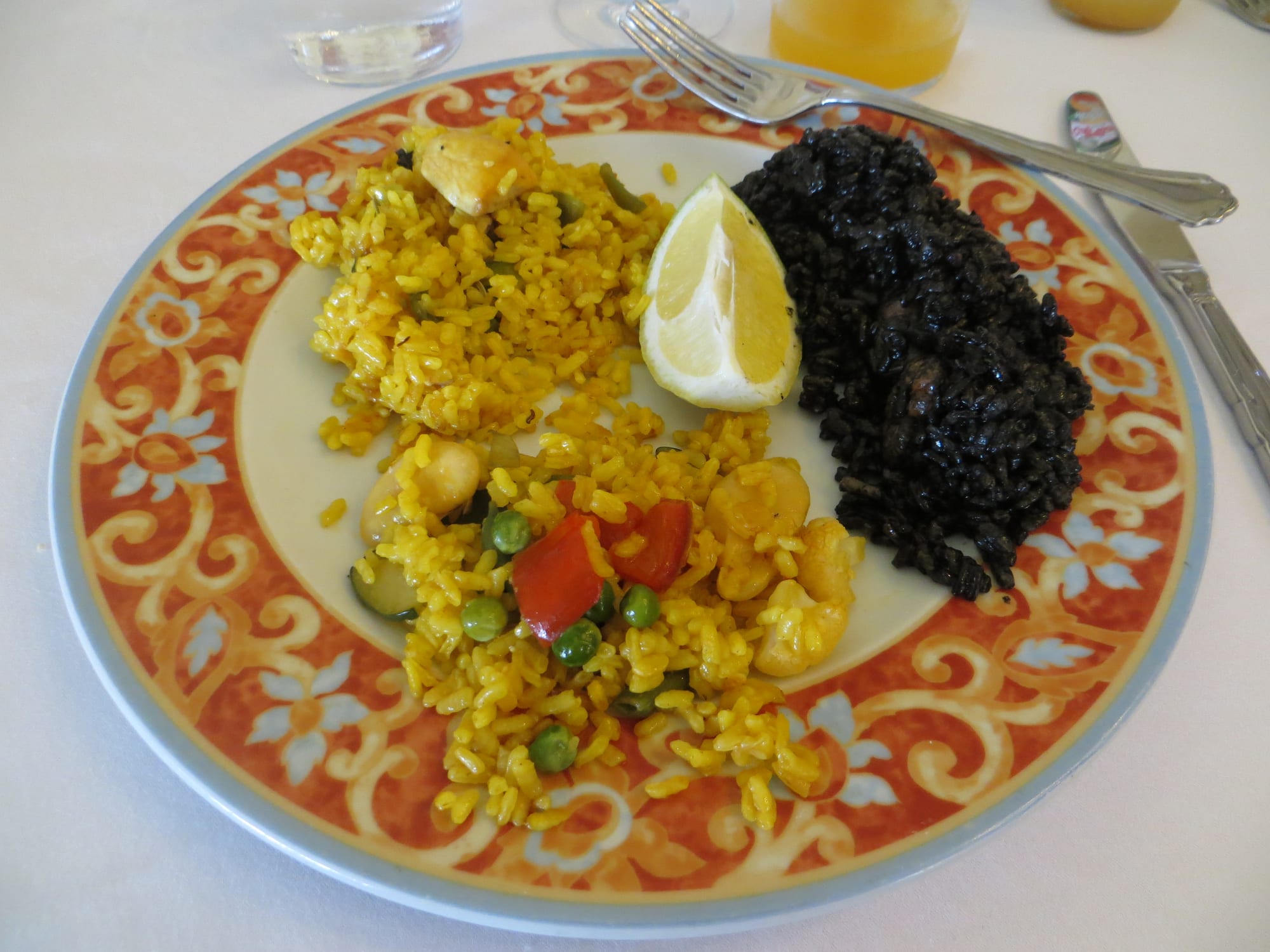
Olive oil, jamón and a genuinely regional pantry
Olive oil, garlic and saffron anchor much of Spanish cooking, while jamón, cured ham aged for months or years, remains one of the country's most prized and widely enjoyed products. Seafood along the coasts, and a wide range of vegetables and legumes inland, round out a pantry that shifts noticeably depending on which region of Spain you're eating in.
History behind the pan
Paella developed among farm labourers in the rice-growing marshlands outside Valencia, who cooked available ingredients, rabbit, snails and vegetables from the fields, together with rice in a wide pan over an open wood fire, a genuinely practical field meal that only later became a signature national dish. Jamón's centuries-old curing tradition, meanwhile, reflects Spain's long history of preserving pork through salt and time in a climate suited to slow, open-air curing.
Dishes to know
Five more to recognise across Spain:
- Jamón ibérico — cured ham from Iberian pigs, aged for months, one
of Spain's most prized food products.
- Tortilla española — a thick omelette made with potato and onion,
found in nearly every bar and home kitchen.
- Gazpacho — a cold tomato-based soup, especially popular in
Andalusia during summer.
- Pintxos — small snacks served on bread, a Basque Country
speciality closely related to tapas.
- Churros — fried dough pastries, traditionally dipped in thick hot
chocolate.
Drinks
Spanish wine, produced across numerous established regions including Rioja and Ribera del Duero, is a genuine point of national pride. Sangria, a wine-based punch with fruit, and coffee, taken throughout the day, are also widely enjoyed.
Eating as a traveller
Vegetarians will find vegetable-based tapas and tortilla española manageable, though jamón and seafood are central to much of Spanish dining culture. Tap water is generally safe to drink across Spain. Trying paella in Valencia itself, closer to where the dish originated, is a genuine way to taste it in its most authentic form.
What to take from the table
Paella, born from farm labourers cooking over an open fire, is the dish most associated with Spain internationally, but the country's real depth shows region by region, from Basque pintxos bars to Andalusian gazpacho.