History · South Sudan
South Sudan: The Newest Country
The world's youngest state, born in 2011 after Africa's longest civil war — and plunged within two years into a war of its own, between the leaders who had won independence together
By Worldlore Editorial · 10 September 2026
A country older than its independence
South Sudan is a landlocked country of perhaps 11 million people in the Upper Nile basin, its centre the vast seasonal wetland of the Sudd. It became independent on 9 July 2011, making it the world's newest widely recognised sovereign state. But its identity is old: a region of mostly Nilotic peoples — Dinka, Nuer, Shilluk and others — and smaller groups, largely Christian and followers of traditional religions, who spent more than a century resisting rule from the Arab, Muslim north of Sudan. The tragedy of independent South Sudan is that within two years its founding leaders turned on each other.
A short history
- pre-1800s
The peoples of the Nile
Dinka, Nuer, Shilluk and others; cattle-keeping and farming.
- 19th century
Slave raiding
Northern and Egyptian raiders devastate the south.
- 1899–1956
Anglo-Egyptian Sudan
Britain governs the south separately and lightly.
- 1955–1972
First civil war
The south fights the newly independent Sudan; the Addis Ababa accord ends it.
- 1983–2005
Second civil war
The SPLM/A under John Garang; around two million dead.
- 2005
Comprehensive Peace Agreement
Autonomy for the south and a promised referendum.
- 2011
Independence
98.8% vote to secede; South Sudan is born.
- 2013–2018
Civil war
Fighting between forces loyal to Kiir and Machar; hundreds of thousands dead.
- 2018
Peace deal
A power-sharing agreement, implemented slowly and partially.
A region apart
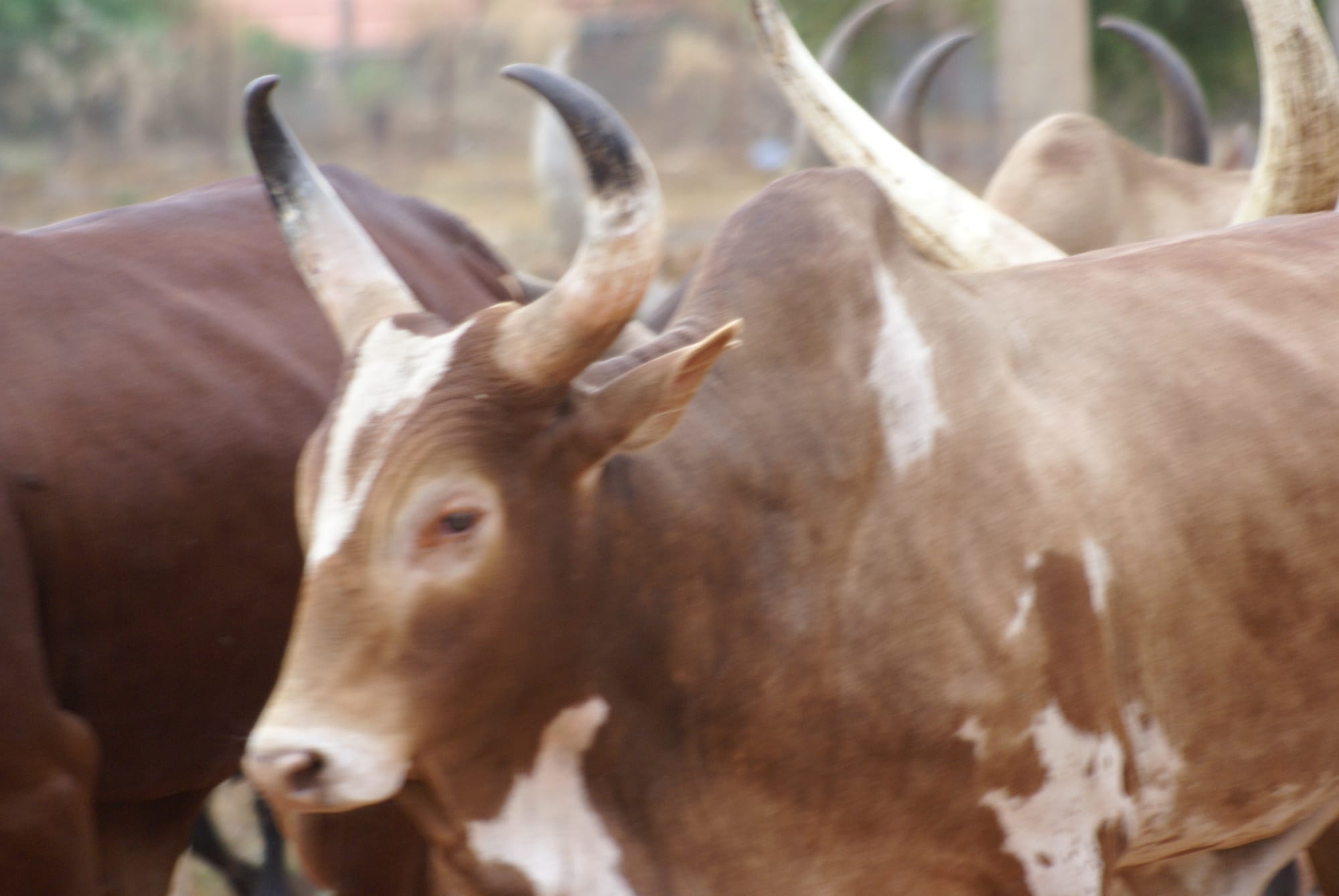
The peoples of southern Sudan developed cattle-centred societies along the Nile and its tributaries, largely beyond the reach of the northern kingdoms and of Islam. In the 19th century the region was ravaged by slave raiders operating from the north and from Egypt, an experience that left deep and lasting mistrust. Under Anglo-Egyptian rule from 1899, Britain administered the three southern provinces separately from the north under a "Southern Policy", limiting northern and Islamic influence and Arab trade, and doing very little to develop the area — leaving it, at independence, with almost no roads, schools or administration.
Two long wars
When Sudan approached independence in the 1950s, southerners feared — correctly — domination by the north. A mutiny in 1955 grew into the first civil war, which ended with the 1972 Addis Ababa Agreement granting the south regional autonomy. That autonomy was eroded and then abolished by President Gaafar Nimeiry, who also imposed Islamic sharia law nationwide in 1983, triggering the second civil war. The Sudan People's Liberation Movement/Army (SPLM/A), led by John Garang, fought Khartoum for 22 years in a conflict that killed an estimated two million people, mostly from war-induced famine and disease, and displaced millions more. Oil, found straddling the north–south boundary, raised the stakes. The discovery that neither side could win outright, US and regional mediation, and the wider pressures on Khartoum led to the 2005 Comprehensive Peace Agreement, which gave the south autonomy, a share of oil revenue, and a referendum on independence after six years.
Independence, then war
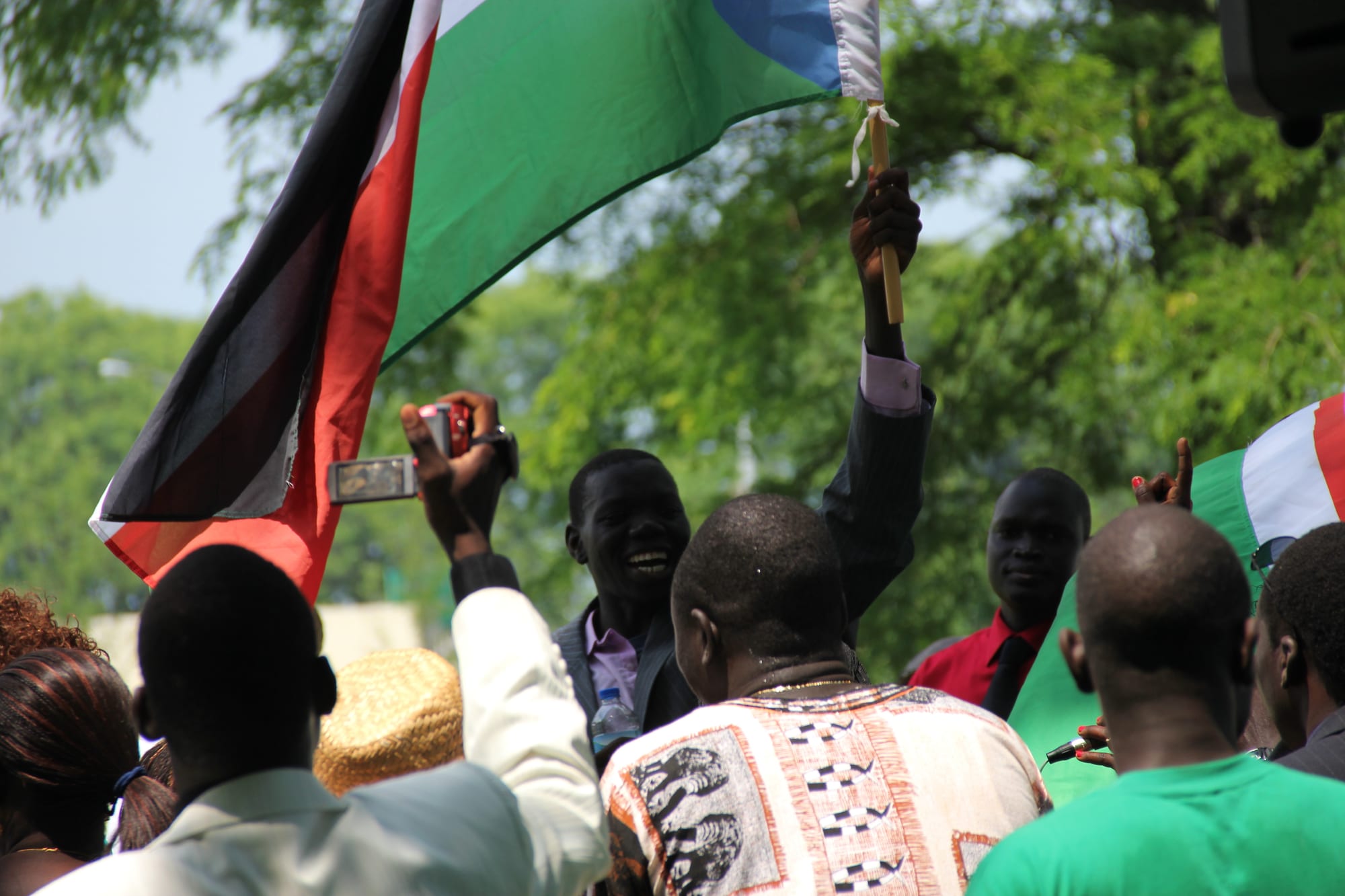
John Garang, who had argued for a reformed, united "New Sudan", died in a helicopter crash weeks after the peace deal; his successor Salva Kiir favoured outright secession. In January 2011 southerners voted 98.8 per cent to separate, and South Sudan became independent that July, joining the UN and the African Union. The euphoria was brief. The new state had oil revenue but virtually no other institutions, and power was divided uneasily between Kiir, a Dinka, and his vice-president Riek Machar, a Nuer. In December 2013 a political rupture between them turned into armed conflict in Juba and then a countrywide civil war, fought substantially along ethnic lines, with massacres, mass rape, the recruitment of child soldiers, and a famine declared in 2017. An estimated 400,000 people died and a third of the population was displaced.
An unfinished peace
A 2018 agreement (revitalising an earlier 2015 deal) brought Kiir and Machar back into a unity government, but implementation has been slow: the unification of armed forces, a permanent constitution and elections have all been repeatedly postponed, and localised violence, cattle raiding and flooding continue to displace people. Oil remains almost the entire formal economy and state revenue, and much of it is lost to corruption; most South Sudanese live by subsistence farming and herding and depend heavily on humanitarian aid. The country has yet to hold a national election.
What South Sudan carries
South Sudan won its independence through one of the longest and deadliest wars in modern African history, fought against domination by the north. It inherited oil but almost nothing else — no roads, no bureaucracy, no shared national politics beyond the liberation movement — and the rivalry between its two top leaders, set aside during the fight for freedom, became the fault line of a new war. Building a state, rather than winning one, has proved the harder task.