Daily Life · South Sudan
South Sudan: Songs for the Cattle Camp
A country where wealth, marriage and identity still run through the herd, homesteads and cattle camps that split with the seasons, and daily life carried on despite among the highest rates of displacement and food insecurity anywhere in the world
By Worldlore Editorial · 30 September 2026
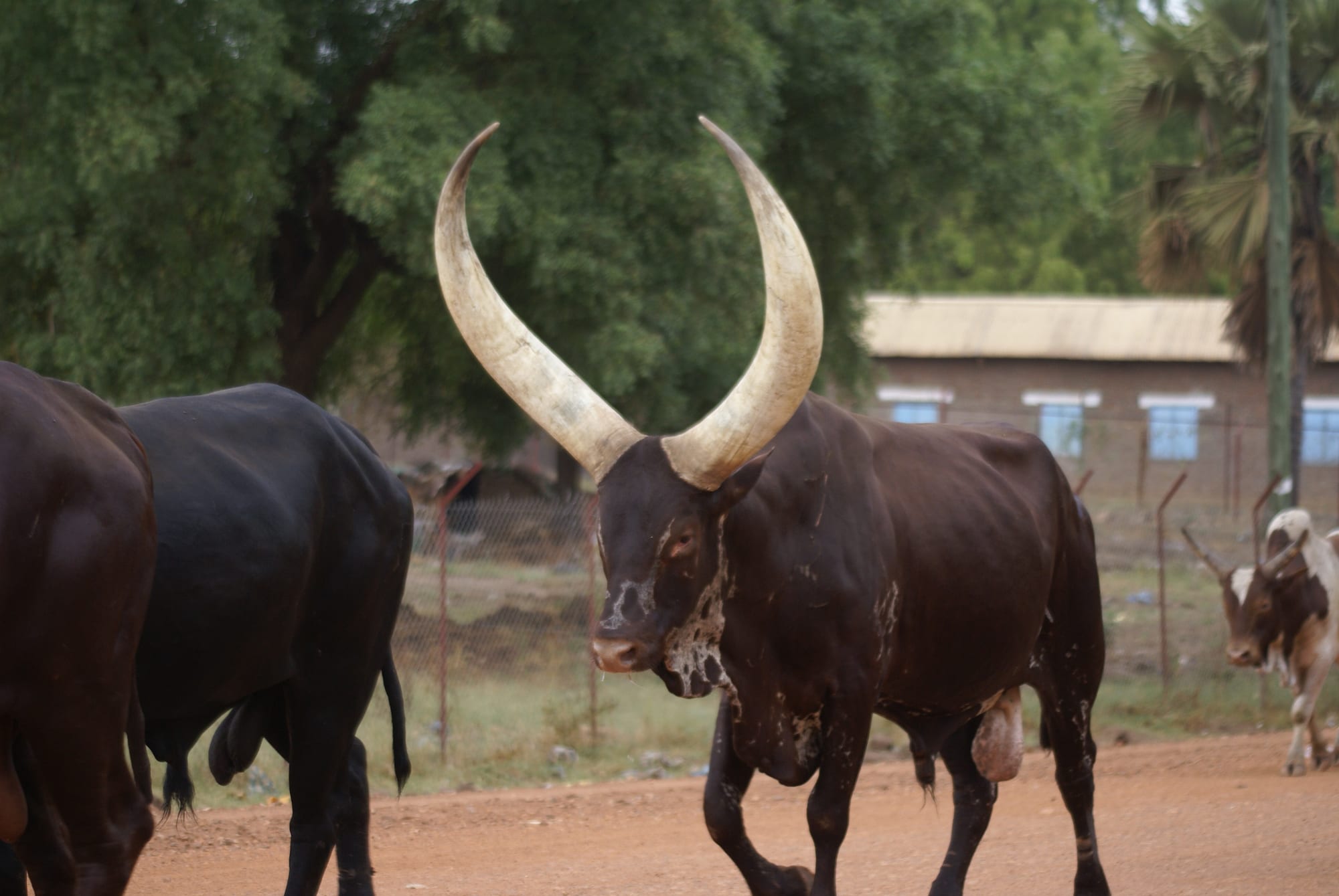
Cattle sit at the centre of daily life for much of South Sudan: they are wealth, bride-price, a subject of praise poetry, and often the reason a family's year is organised the way it is. The great majority of the roughly twelve to thirteen million people who live here are rural, growing sorghum, fishing the Nile and its swamps, or moving cattle with the seasons, in a country that became independent only in 2011 after Africa's longest civil war and has struggled to find peace since. Oil funds almost all of the state's revenue, but little of it reaches ordinary households, and daily life proceeds alongside some of the highest rates of displacement, food insecurity and flood damage recorded anywhere in the world.
Family and home life
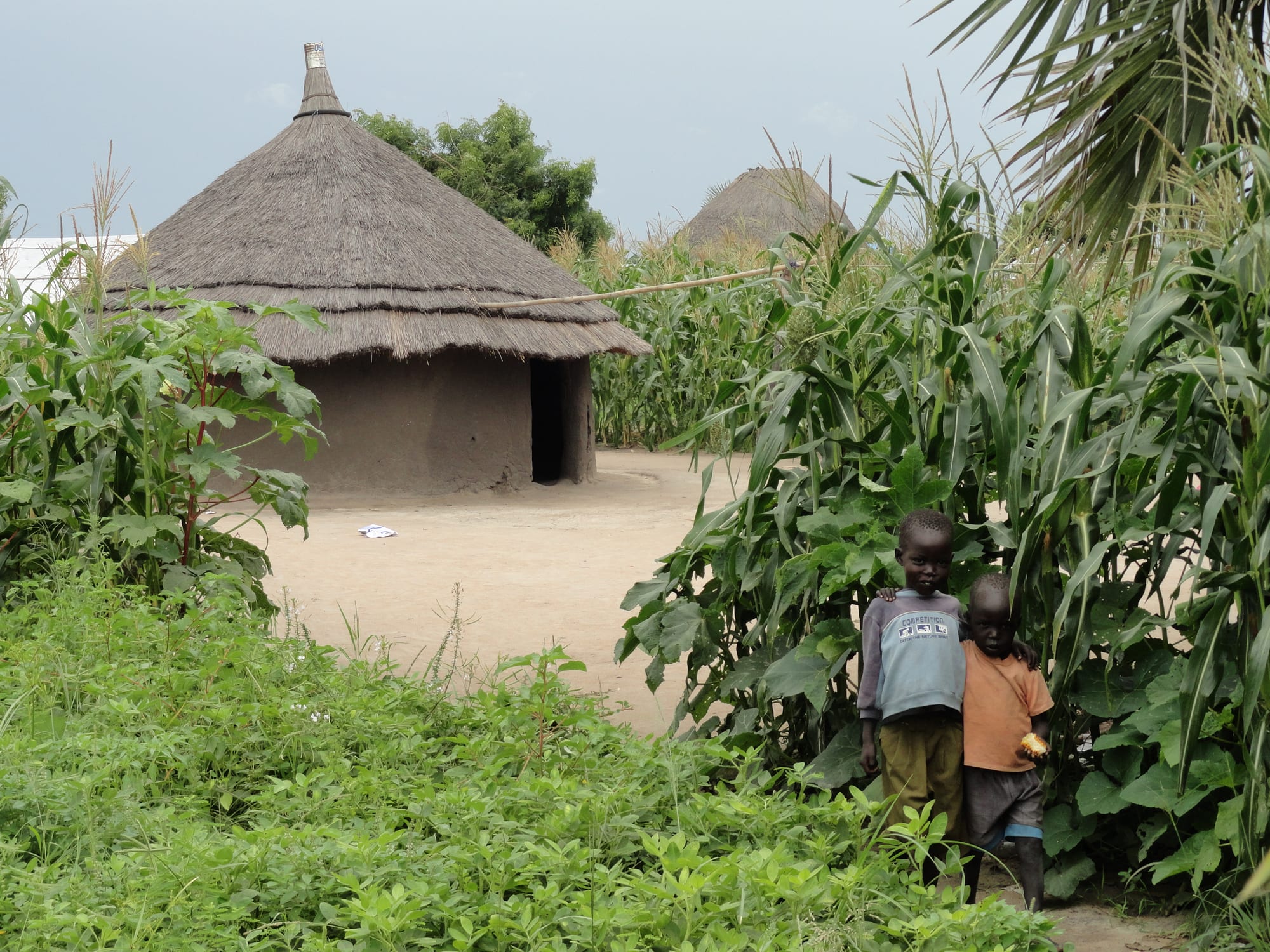
Among the Dinka, Nuer and other cattle-keeping peoples, who together make up the largest share of the population, a household's standing is measured in cattle as much as anything else, and a family's herd determines a young man's ability to marry. Homesteads are typically clusters of round, mud-walled, thatched-roof huts surrounded by sorghum and vegetable gardens, often tended by women and children while cattle graze nearby or, in the dry season, move to distant camps. Young men often spend long stretches of the dry season living at these cattle camps, sleeping beside the herd and building a close, lifelong attachment to particular animals that are given names and praised in song. Displacement disrupts this pattern for a huge number of families: around two million people are internally displaced and more than two million are refugees in neighbouring countries, and prolonged flooding in recent years has repeatedly driven people from their land and drowned herds and crops.
Work, school and the rhythm of the day
For most of the population, the working day still follows the season rather than a clock: sorghum is planted and harvested around the long rainy season from April to November, cattle are grazed near the homestead in the wet months and walked to distant camps and swamp pastures in the dry season, and fishing on the Nile and in the Sudd wetland fills out the diet in riverine areas. Literacy and school enrolment are among the lowest recorded anywhere, and formal jobs outside Juba are scarce; oil dominates the national economy but employs very few people directly. Juba itself, by far the largest town, runs on a more conventional working day built around markets, government offices and a large resident population of aid workers and humanitarian agencies, whose presence itself has become a fixture of the local economy and job market.
Community life and public spaces
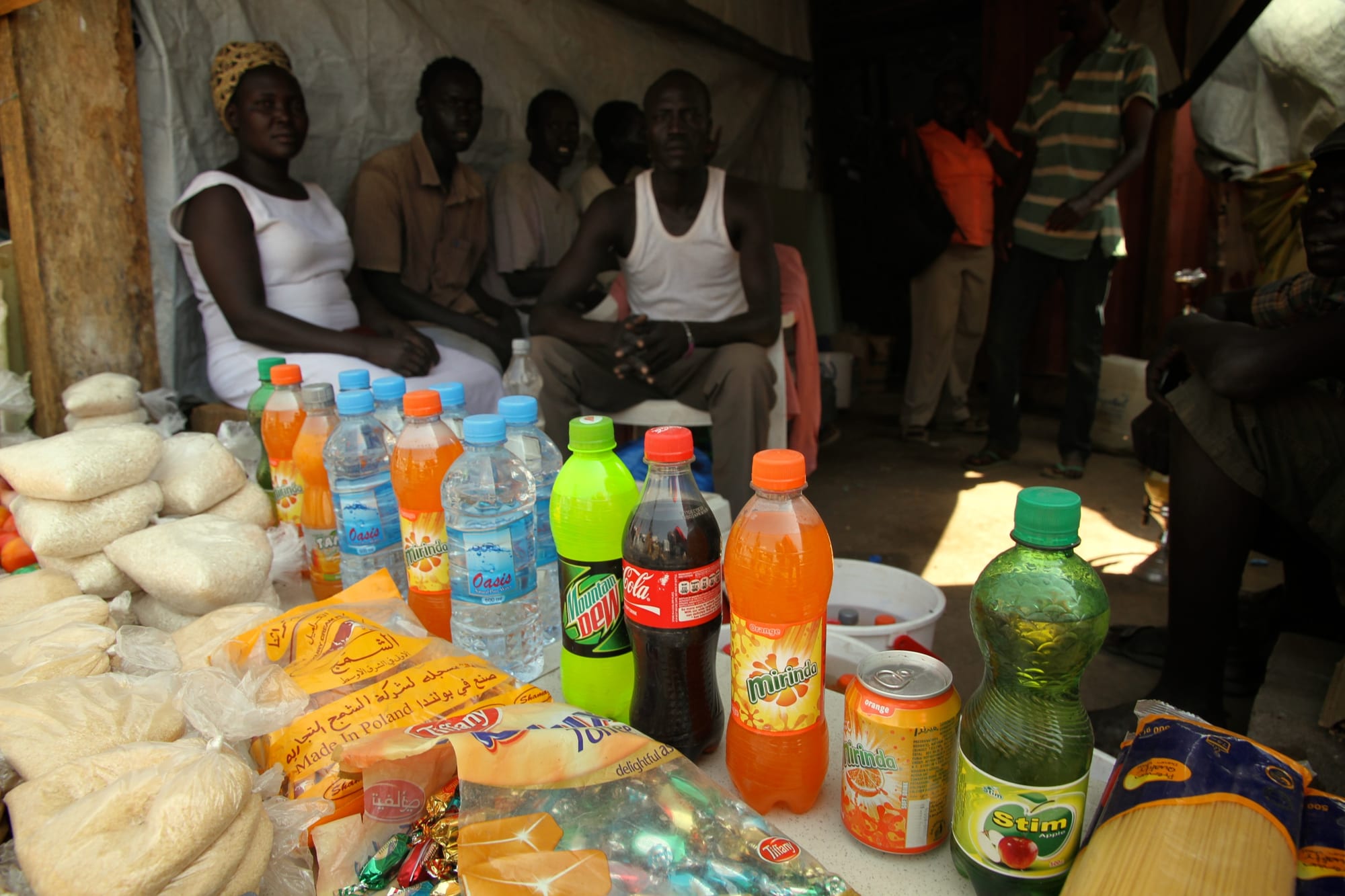
Juba is the hub through which almost all of the country's movement, goods and money pass, its markets and unpaved streets doing the work that would be spread across many cities in a larger country. Displacement has reshaped what public space looks like for a great many people: camps for the internally displaced, some now settled for years, have their own markets, small shops and services built up by residents themselves rather than provided ready-made. Away from Juba, the homestead and the cattle camp remain the main gathering points, along with the markets of smaller towns. Wrestling is one of the most popular traditional sports, and matches between communities draw large, enthusiastic crowds.
Free time and weekends
Dry-season cattle camps double as one of the main social occasions of the year, particularly for young people, who gather away from the home village with more freedom than village life usually allows, and courtship between young men and women often begins there. Community wrestling matches, staged between neighbouring villages or sections, are as much a social event as a sporting one, with spectators singing, drumming and dancing in support of their favourite wrestlers. Church attendance is widespread, Christianity having taken root alongside older beliefs across most of the country, and family visits fill much of whatever time farming, herding or paid work leave over.
A visitor's ordinary day
There is effectively no tourist infrastructure, and most governments advise against all travel to South Sudan. Almost every visitor needs a visa arranged in advance, visits are usually arranged through a sponsoring host organisation, and both movement between states and photography are restricted. The economy runs on US dollar cash; the South Sudanese pound has lost most of its value, and card payments and working ATMs are essentially nonexistent. Paved roads barely exist outside Juba, so travel beyond the capital means chartered flights or armed convoys, since overland routes can be affected by insecurity, flooding, or impassable roads for months at a time.
What to take away
What defines an ordinary day in South Sudan is a rhythm still set by cattle and the seasons rather than by the state, carried on by families who keep farming, herding and rebuilding through repeated cycles of conflict, flooding and displacement that would stop daily life elsewhere.