Attractions & Natural Wonders · South Sudan
South Sudan: Five Attractions and Natural Wonders
Cattle camps where herders coat themselves in ash and sleep beside their animals, one of the largest land mammal migrations on earth only recently confirmed at scale, and a vast wetland the size of a small country, described here for reference amid a fragile post-conflict transition
By Worldlore Editorial · 10 September 2026
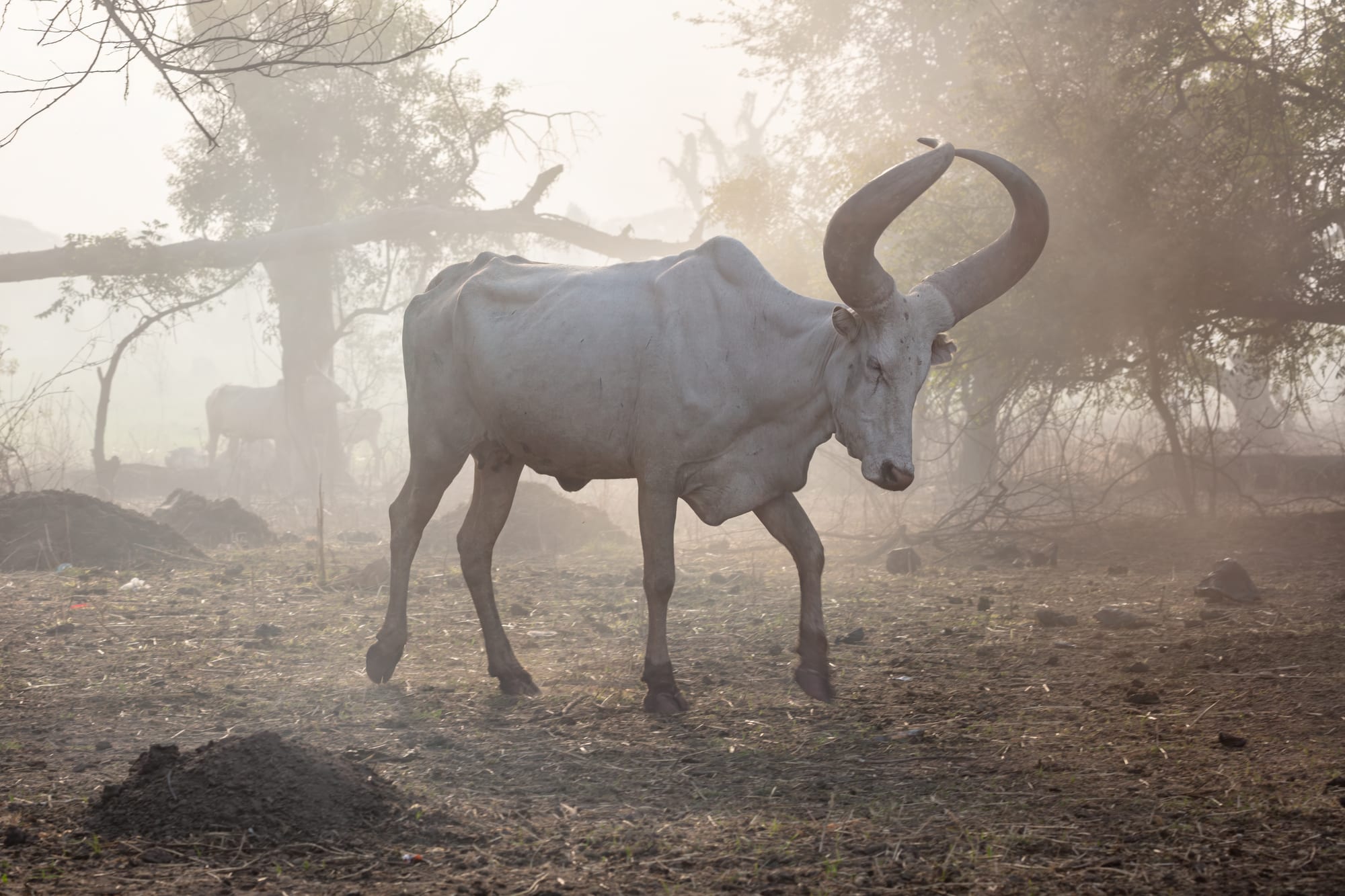
The world's youngest country
South Sudan, which became the world's newest country upon independence from Sudan in 2011, has spent much of the time since then engulfed in civil conflict, including a devastating 2013–2018 civil war and periods of renewed violence and political instability since. Beneath this difficult recent history, the country holds a vast wetland ecosystem and, remarkably, one of the largest overland mammal migrations left on earth — only confirmed at scale by aerial survey in the 2000s, after decades of war had kept the region essentially unstudied.
The five sights below are described for reference and cultural context, not as a current travel recommendation — read the note at the end before treating any of this as a travel plan.
1. Juba
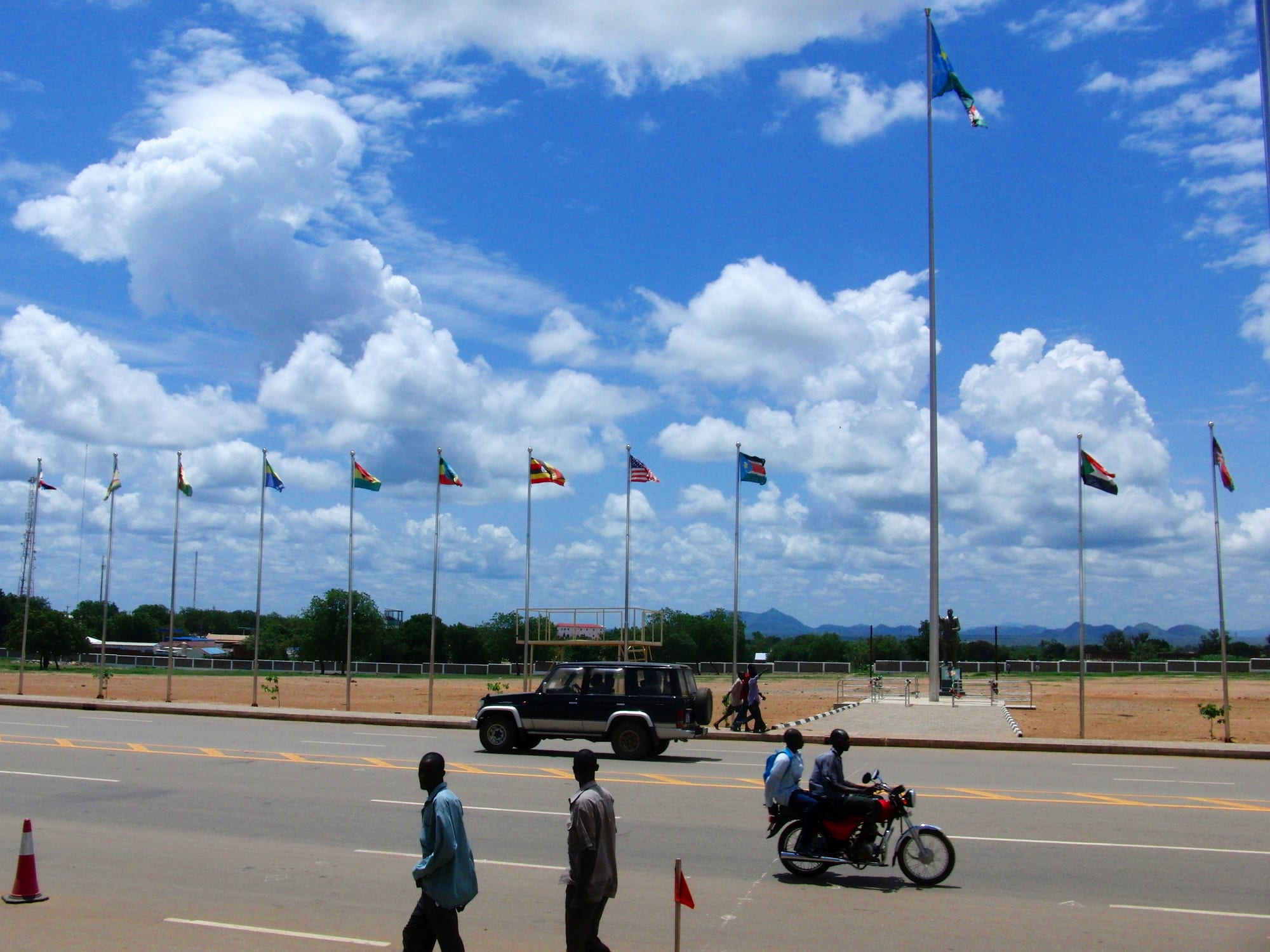
Juba, South Sudan's capital, sits on the banks of the White Nile and serves as the country's main political and commercial hub, though its infrastructure remains limited even by regional standards after decades of conflict and underdevelopment. It functions mainly as the practical gateway for humanitarian and diplomatic travel rather than tourism in any conventional sense.
2. The Mundari cattle camps
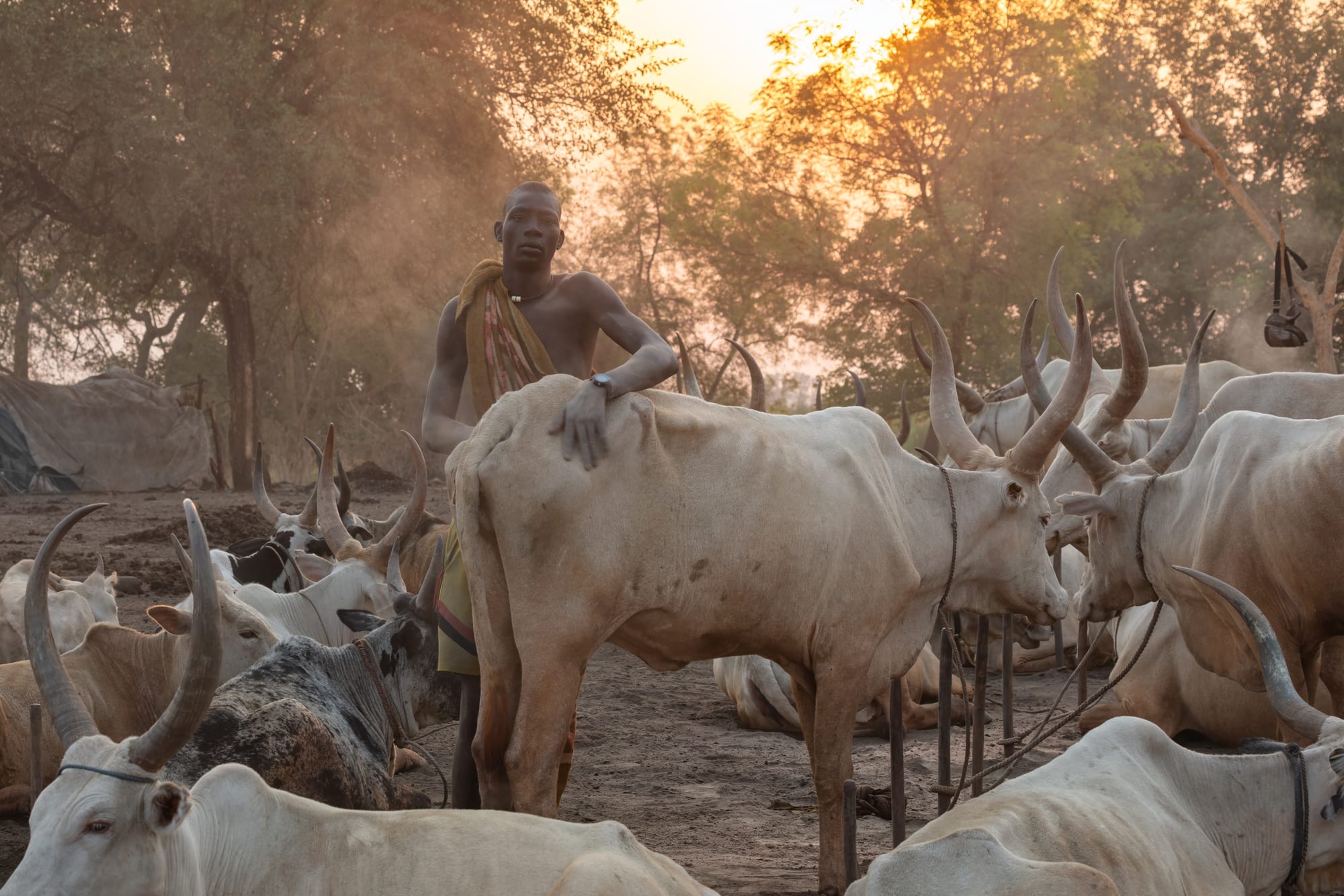
The Mundari, a cattle-herding people along the Nile near Terekeka, maintain one of the most visually striking pastoralist traditions in Africa — herders sleep alongside their prized long-horned cattle each night, coating both themselves and the animals in ash from dung fires that helps repel insects and gives skin and horns a distinctive pale colouring. It represents one of the very few points of contact the small number of visitors to South Sudan have with the country's rich cultural traditions.
3. The Boma-Badingilo migration
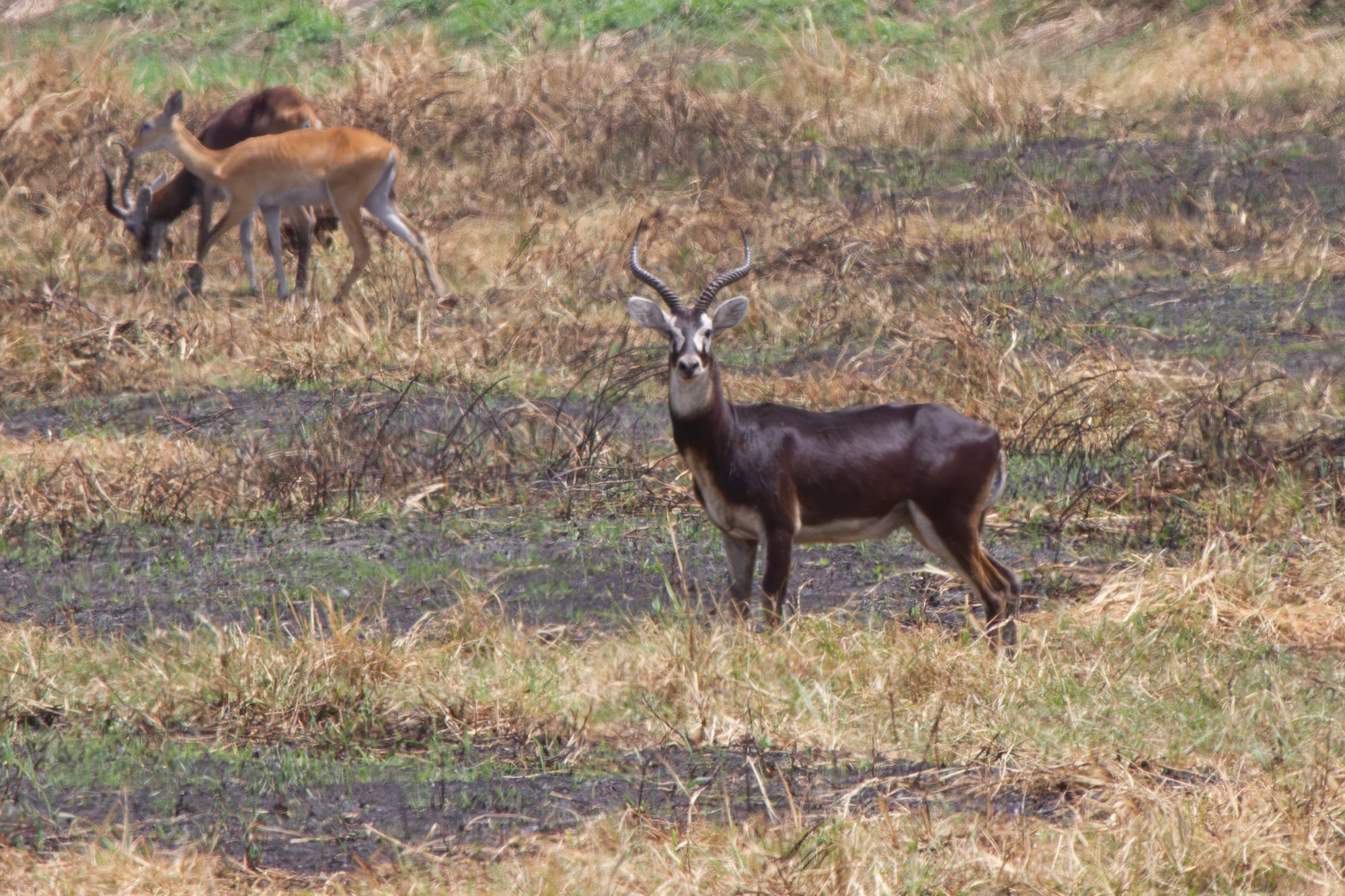
The Boma-Badingilo landscape in South Sudan's southeast holds a migration of white-eared kob, tiang antelope, and Mongalla gazelle involving well over a million animals — a spectacle comparable in scale to East Africa's famous wildebeest migration, but only confirmed by aerial survey in the 2000s after decades of civil war had left the region unstudied. It remains almost entirely undeveloped for tourism and studied mainly by conservation researchers rather than visited by travellers.
4. The Sudd
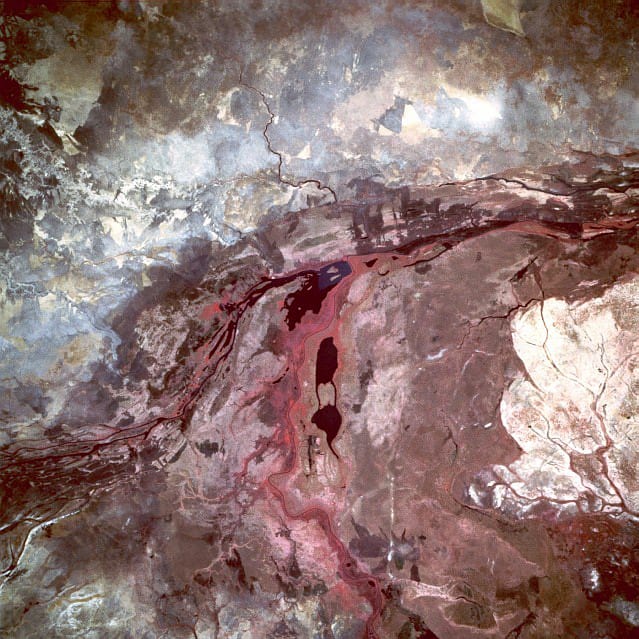
The Sudd, formed where the White Nile spreads out into a vast, slow-moving wetland, is one of the largest freshwater wetlands on earth, its extent varying dramatically with seasonal flooding. It supports huge populations of water birds and fish and remains one of the least-studied major wetland ecosystems anywhere, its remoteness and the country's conflict history having kept it largely undisturbed by outside development.
5. The Nile in South Sudan
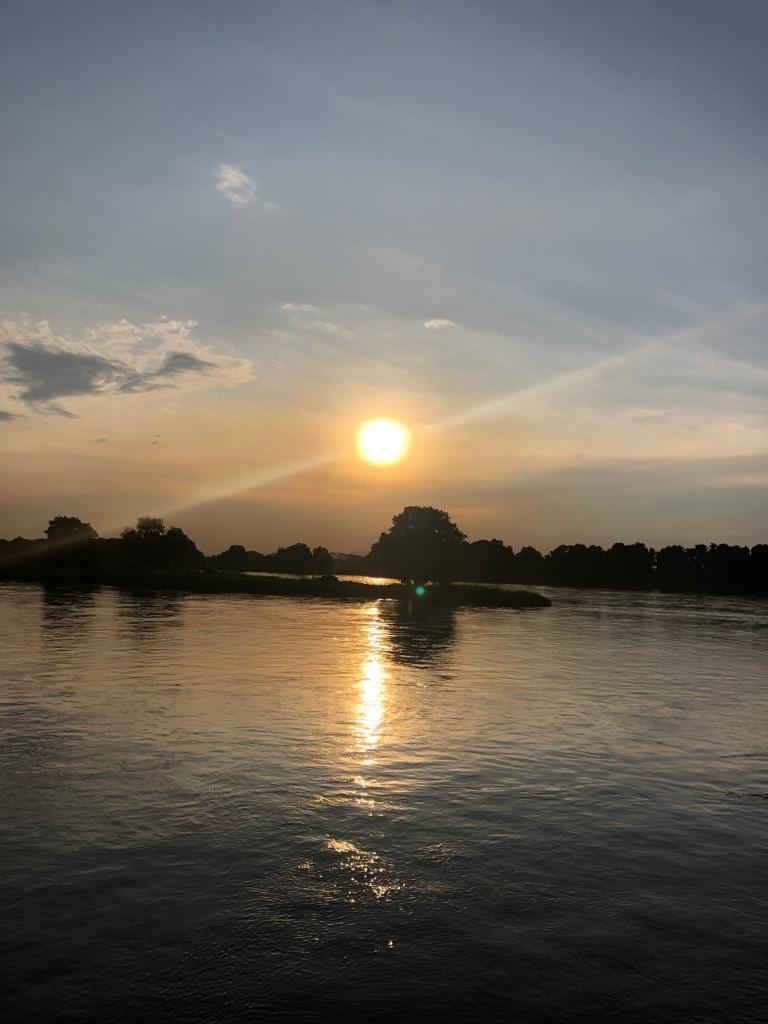
The Nile's passage through South Sudan, from Lake Victoria's outflow through the Sudd and onward toward Sudan and Egypt, remains one of the river's least documented and least travelled stretches, a reflection of the country's decades of conflict and isolation rather than any lack of natural significance.
Before you go: a serious note
South Sudan remains subject to a do-not-travel advisory from most Western governments, citing the risk of armed conflict, violent crime, kidnapping, and the extremely limited capacity for consular assistance given the country's fragile post-conflict state. Since the 2018 peace agreement that formally ended the civil war, implementation has been slow and uneven, with localised violence and displacement continuing in various parts of the country. The sights described above reflect the country's genuine natural and cultural significance, but almost no conventional tourism infrastructure exists, and any travel that does occur is generally tied to humanitarian, diplomatic, or specialist research work rather than tourism. Anyone considering travel here should rely on current, detailed government advice rather than on the description above.