History · South Africa
South Africa: The Long Road From Apartheid
A land of deep human history and deeper division — Dutch and British settlement, the mineral revolution, a war between white powers, half a century of legislated white supremacy, and a negotiated revolution that produced one of the world's most admired constitutions
By Worldlore Editorial · 19 September 2026
A country of many beginnings
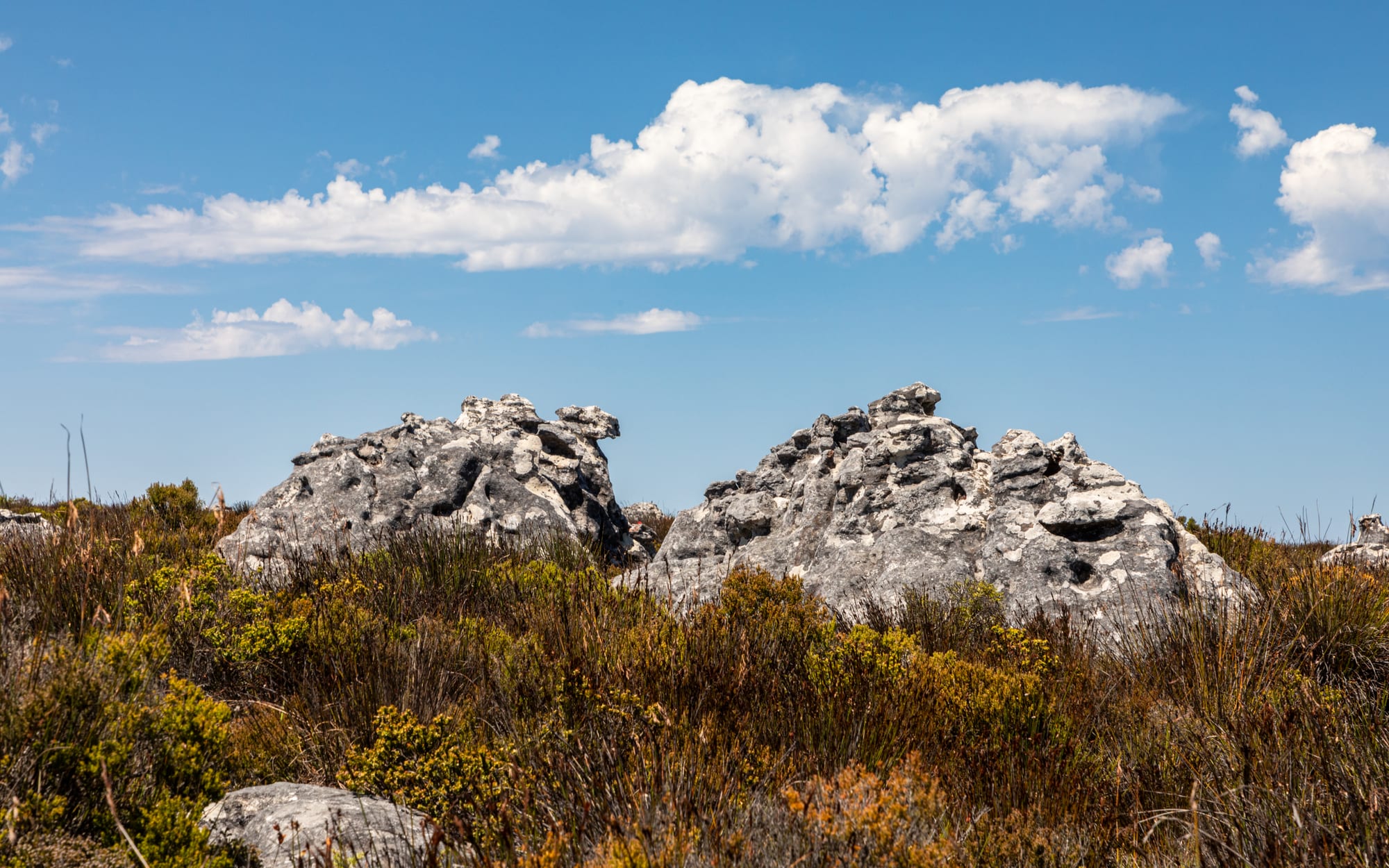
South Africa occupies the southern tip of the continent, with about 63 million people, eleven official languages, and a history of human occupation stretching back to some of the earliest evidence of modern humans anywhere. Its modern story is dominated by the collision of peoples on its soil — indigenous San and Khoekhoe, Bantu-speaking farming societies, Dutch and British colonists, and later Indian and other migrants — and by the system, apartheid, that from 1948 to 1994 tried to freeze that collision into a permanent racial hierarchy enforced by law.
A short history
- deep past
First peoples
San hunter-gatherers and, later, Khoekhoe herders.
- c. 300–1200 CE
Bantu migration
Farming and iron-working societies settle the east and north.
- 1652
The Dutch Cape
The VOC founds a station at Table Bay; slavery follows.
- 1806
British Cape
Britain takes the Cape permanently.
- 1830s–1850s
The Great Trek
Boers move inland and found republics; wars with African kingdoms.
- 1867 / 1886
Diamonds and gold
Mineral discoveries transform the economy and society.
- 1899–1902
The South African War
Britain defeats the Boer republics.
- 1910
Union
A self-governing white-ruled dominion.
- 1948
Apartheid
The National Party legislates comprehensive racial segregation.
- 1990–1994
Transition
Mandela is freed; negotiations produce democratic elections.
Before the colonists
Southern Africa holds some of the richest early human archaeology in the world, and the San, hunter-gatherers whose rock art covers the region, are among the oldest continuous populations on Earth. Khoekhoe herders spread with livestock about 2,000 years ago. From roughly the 3rd century CE, Bantu-speaking peoples moved south with cattle, crops and ironworking, forming chiefdoms and, over time, larger polities across the eastern half of the country; the stone-walled towns of the Highveld and the trading centre of Mapungubwe, which exported gold and ivory to the Indian Ocean around 1200, are part of this world.
The Cape, and the trek
The Dutch East India Company established a refreshment station at Table Bay in 1652. It grew into a settler colony that imported enslaved people from Asia, Madagascar and East Africa, dispossessed and largely destroyed Khoekhoe society, and pushed its frontier eastward until it met the Xhosa in a series of wars from the 1770s. Britain took the Cape during the Napoleonic Wars and kept it, abolishing slavery in 1834. Many Dutch-descended "Boer" farmers, resentful of British rule and abolition, migrated inland in the Great Trek of the 1830s–40s, clashing with the Zulu kingdom — then at its height under Shaka and his successors — and with the Ndebele and Sotho, and founding two republics, the Transvaal and the Orange Free State.
The mineral revolution and the South African War
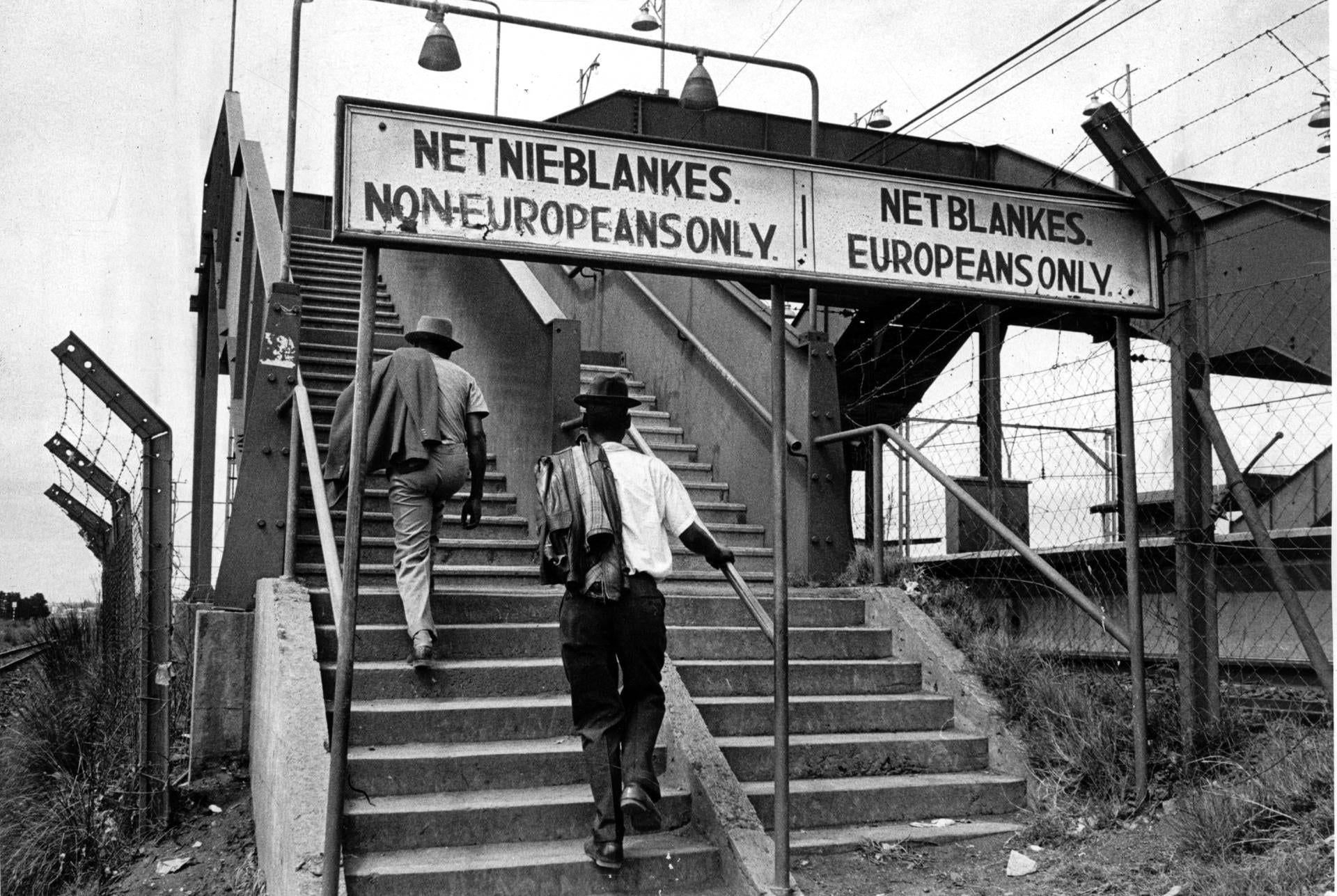
The discovery of diamonds at Kimberley in 1867 and of the world's largest gold deposits on the Witwatersrand in 1886 transformed everything. Mining drew capital, railways and hundreds of thousands of African labourers, controlled through a migrant-labour and pass system and housed in compounds — the template for the 20th-century racial order. Competition for control of the gold-rich Transvaal led to the South African War (1899–1902) between Britain and the Boer republics. Britain won, but only after a scorched-earth campaign and the internment of Boer and African civilians in concentration camps where tens of thousands died. In 1910 the Cape, Natal and the two former republics were joined as the Union of South Africa, a self-governing British dominion in which political rights were reserved almost entirely for whites.
Segregation, then apartheid
The Union's governments built an ever-tighter framework of segregation — the 1913 Natives Land Act confined African land ownership to a small fraction of the country — and in 1912 African leaders founded the South African Native National Congress, later the African National Congress (ANC). In 1948 the National Party, drawing on Afrikaner nationalism, won power and systematised segregation into apartheid ("apartness"): laws classified every person by race, banned interracial marriage, zoned cities by colour and forcibly removed millions from their homes, created nominally independent "homelands" to strip Africans of South African citizenship, and reserved skilled work, the franchise and the best land for whites. Resistance to the school system boiled over on 16 June 1976, when police opened fire on protesting Soweto schoolchildren; the uprising that followed spread nationwide and turned world opinion decisively against apartheid.
The struggle
Resistance ran from petitions and strikes to, after the 1960 Sharpeville massacre and the banning of the ANC, armed struggle. Nelson Mandela and other leaders were jailed for life in 1964. Repression intensified — detention without trial, torture, assassinations — but so did opposition: the 1976 Soweto uprising, the mass mobilisation of the United Democratic Front and trade unions in the 1980s, and a growing international campaign of sanctions, boycotts and disinvestment. By the late 1980s the country was under repeated states of emergency, the economy was stagnating, and the government and the imprisoned Mandela were holding secret talks.
The transition
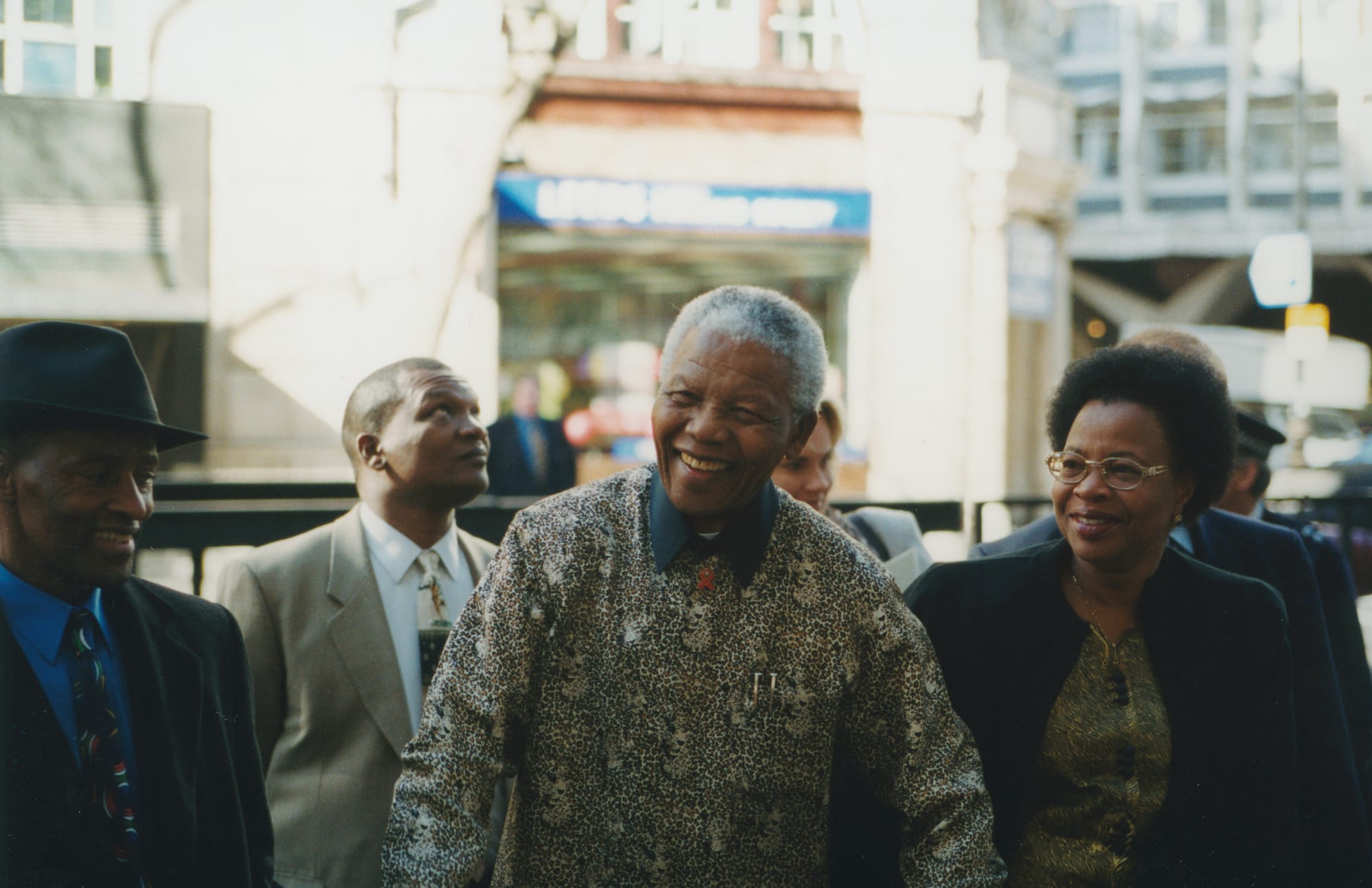
In February 1990 President F. W. de Klerk unbanned the ANC and other organisations and released Mandela after 27 years. Four years of negotiations followed, punctuated by serious political violence — much of it between ANC and Inkatha supporters, some of it fomented by a "third force" within the security apparatus. On 27 April 1994 South Africans of all races voted together for the first time; the ANC won, and Mandela became president of a Government of National Unity. A widely praised constitution took effect in 1997, and a Truth and Reconciliation Commission, chaired by Archbishop Desmond Tutu, documented apartheid-era crimes in public hearings that offered amnesty in exchange for full disclosure.
South Africa now
Democratic South Africa has kept its constitution, its courts and its free press, and has extended housing, water, electricity and social grants to millions. But it remains one of the most unequal societies in the world, with mass unemployment, and the ANC's long dominance has been eroded by corruption — above all the "state capture" of the Jacob Zuma years (2009–18), exposed in a judicial inquiry — and by failures in electricity supply, policing and local government. In the 2024 election the ANC lost its majority for the first time since 1994 and entered a coalition government.
What South Africa carries
South Africa's history is a long argument over who the country belongs to, settled for a century by force in favour of a white minority and then, remarkably, resolved by negotiation in the early 1990s rather than by the civil war many expected. The 1994 settlement gave everyone the vote and a rights-based constitution; it did not redistribute the land, the wealth or the opportunities built up over three centuries, and that gap is the central problem of the democracy that followed.