Food · South Africa
South Africa: Food and the National Dish
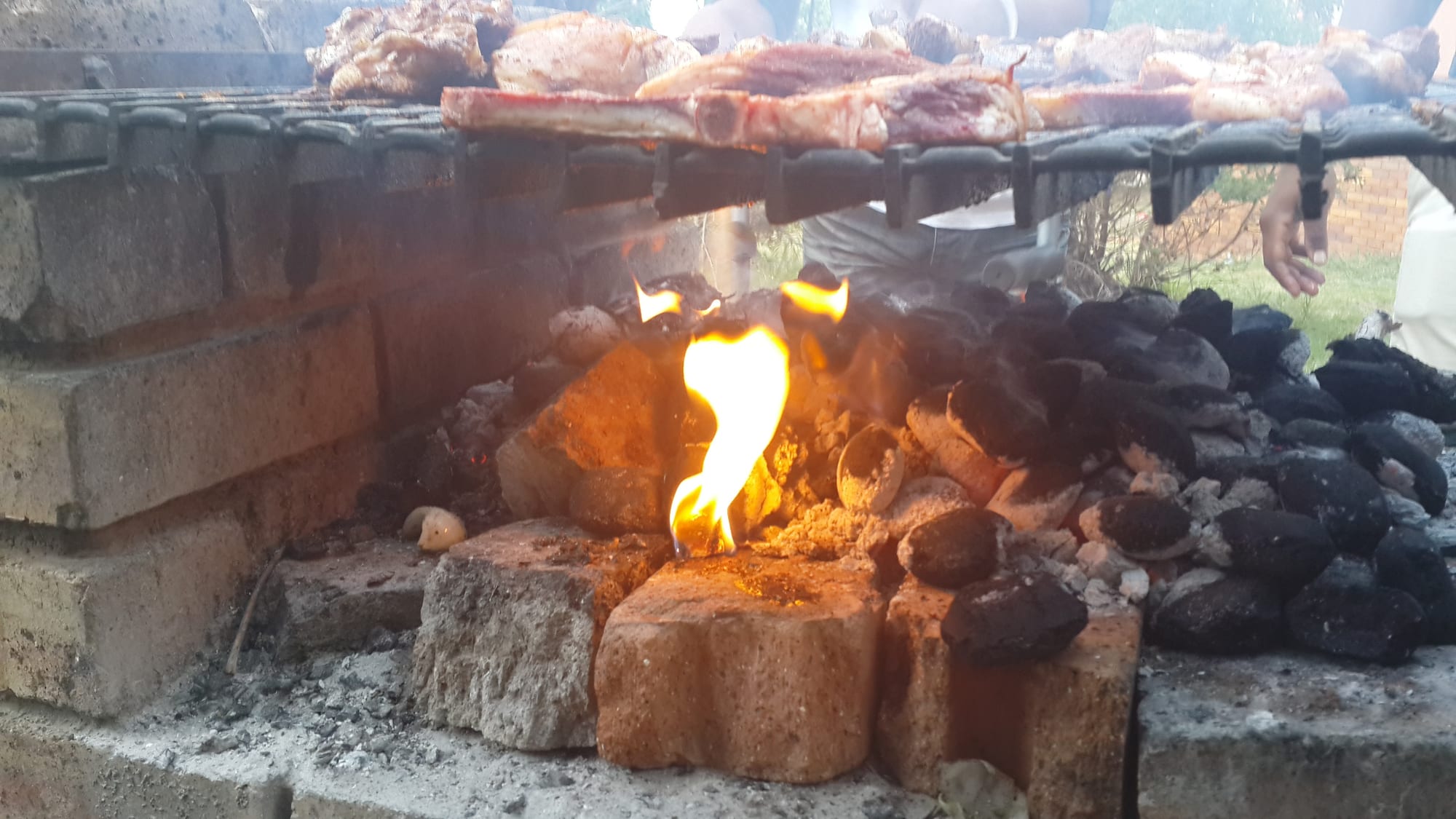
Grilled meat over open coals, a social ritual shared across every community in a country famous for its culinary diversity
By Worldlore Editorial · 16 September 2026
A cuisine that mirrors an unusually diverse country
South African food genuinely reflects the country's diversity, Indigenous African, Dutch and British colonial, Indian and Cape Malay influences all sit alongside each other, sometimes in the same meal, producing a food culture famous for variety more than for one overarching style.
The national ritual: the braai
The braai, meat grilled over open coals, most often boerewors sausage, steak or chicken, is South Africa's most widely shared food tradition, genuinely treated as a social occasion bringing together family and friends rather than simply a cooking method. National Braai Day, celebrated every September 24 alongside Heritage Day, formally recognises the braai as a unifying tradition across South Africa's different communities.
Meat, maize and a genuinely layered pantry
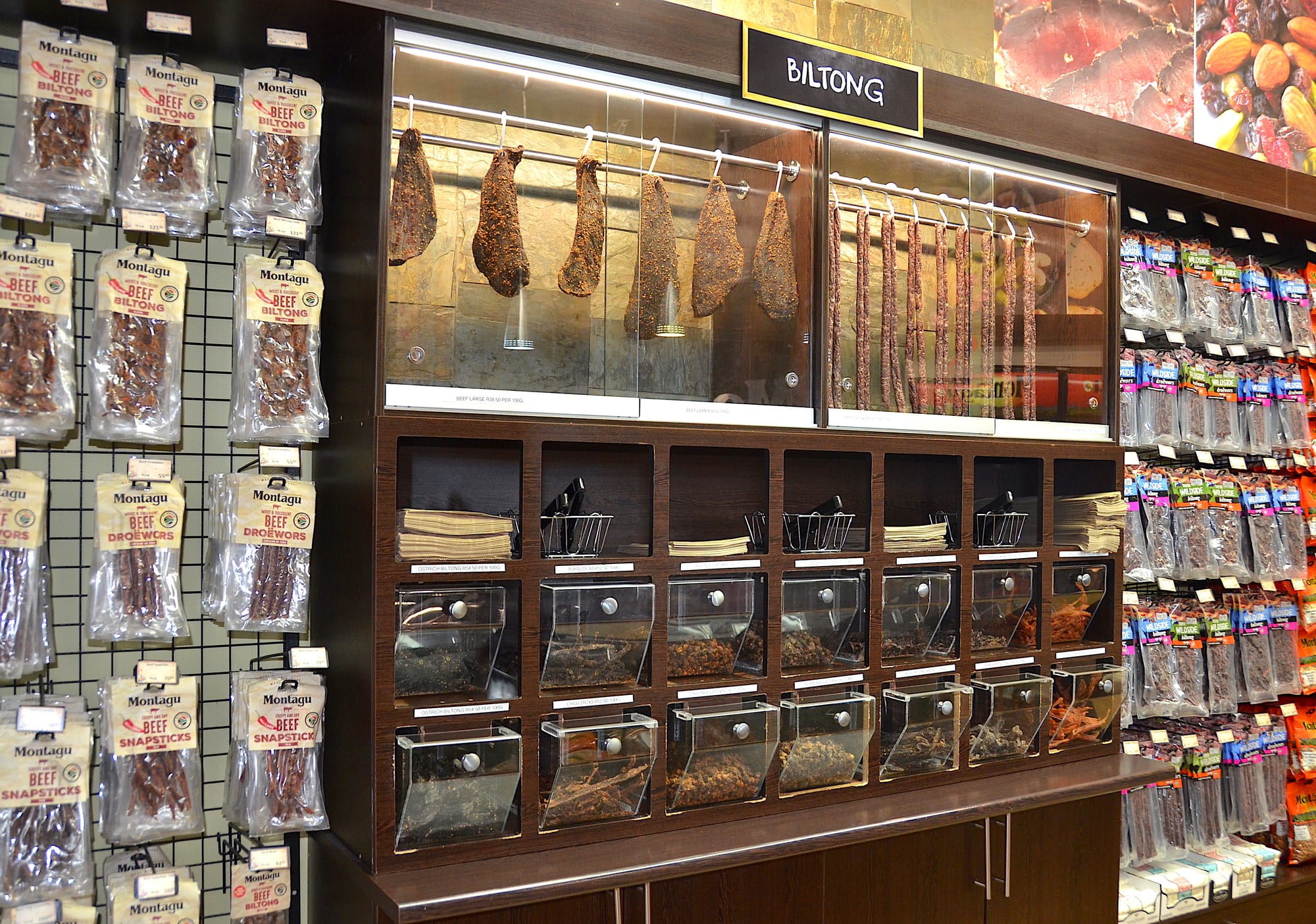
Beef, boerewors sausage and biltong, dried cured meat, anchor much of everyday South African cooking, alongside maize porridge (pap), a staple across many South African households. Curry spices, reflecting Cape Malay and Indian influence, and a wide range of vegetables round out a pantry shaped by the country's varied settlement history.
History behind the grill
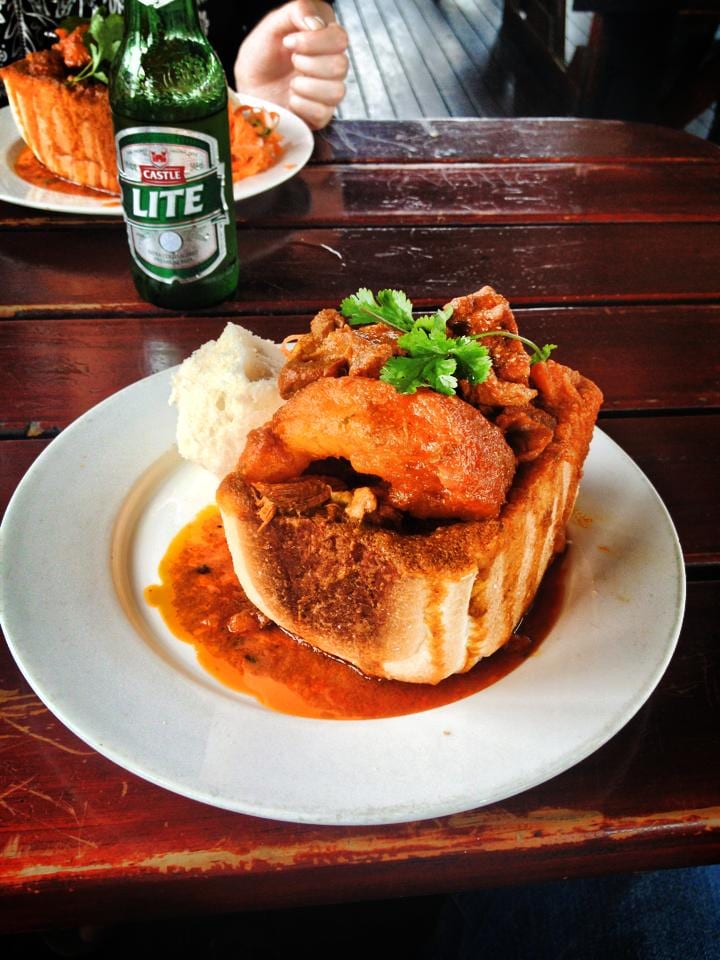
The braai traces to both Indigenous African open-fire cooking traditions and Dutch and British colonial-era grilling customs, converging into a shared national ritual practised across South Africa's different communities regardless of background. Bunny chow, a hollowed-out bread loaf filled with curry, developed in Durban's Indian community in the 20th century, reportedly as a practical way to serve curry to workers without cutlery, and stands as a distinctly South African dish born from that specific community's history.
Dishes to know
Five more to recognise across South Africa:
- Bunny chow — a hollowed bread loaf filled with curry, a Durban
Indian-South African invention.
- Bobotie — a spiced minced meat dish topped with an egg-based
custard, a Cape Malay specialty.
- Biltong — dried, cured meat, a genuine everyday snack nationwide.
- Pap — a maize porridge, a staple across many South African
households.
- Chakalaka — a spicy vegetable relish, often served alongside pap
and meat.
Drinks
Rooibos tea, made from a plant native to South Africa's Western Cape, is a genuine national product with a distinct flavour unlike regular tea. South African wine, produced across several established regions including Stellenbosch, and locally brewed beer are also widely enjoyed.
Eating as a traveller
Vegetarians will find pap, vegetable and curry-based dishes manageable, though meat is central to the braai tradition. Tap water is generally safe to drink across most of South Africa. Attending or being invited to a braai is a genuine, widely shared way to experience South African hospitality and food culture together.
What to take from the table
The braai, grilling meat over open coals as a shared social occasion, is the tradition that most unites South Africa's genuinely diverse food culture, one national ritual bridging countless different culinary backgrounds.