Attractions & Natural Wonders · South Africa
South Africa: Ten Attractions and Natural Wonders
A flat-topped mountain rising straight from a coastal city, one of Africa's greatest wildlife reserves, and the prison island where a future president spent 18 years before leading his country to democracy
By Worldlore Editorial · 10 September 2026
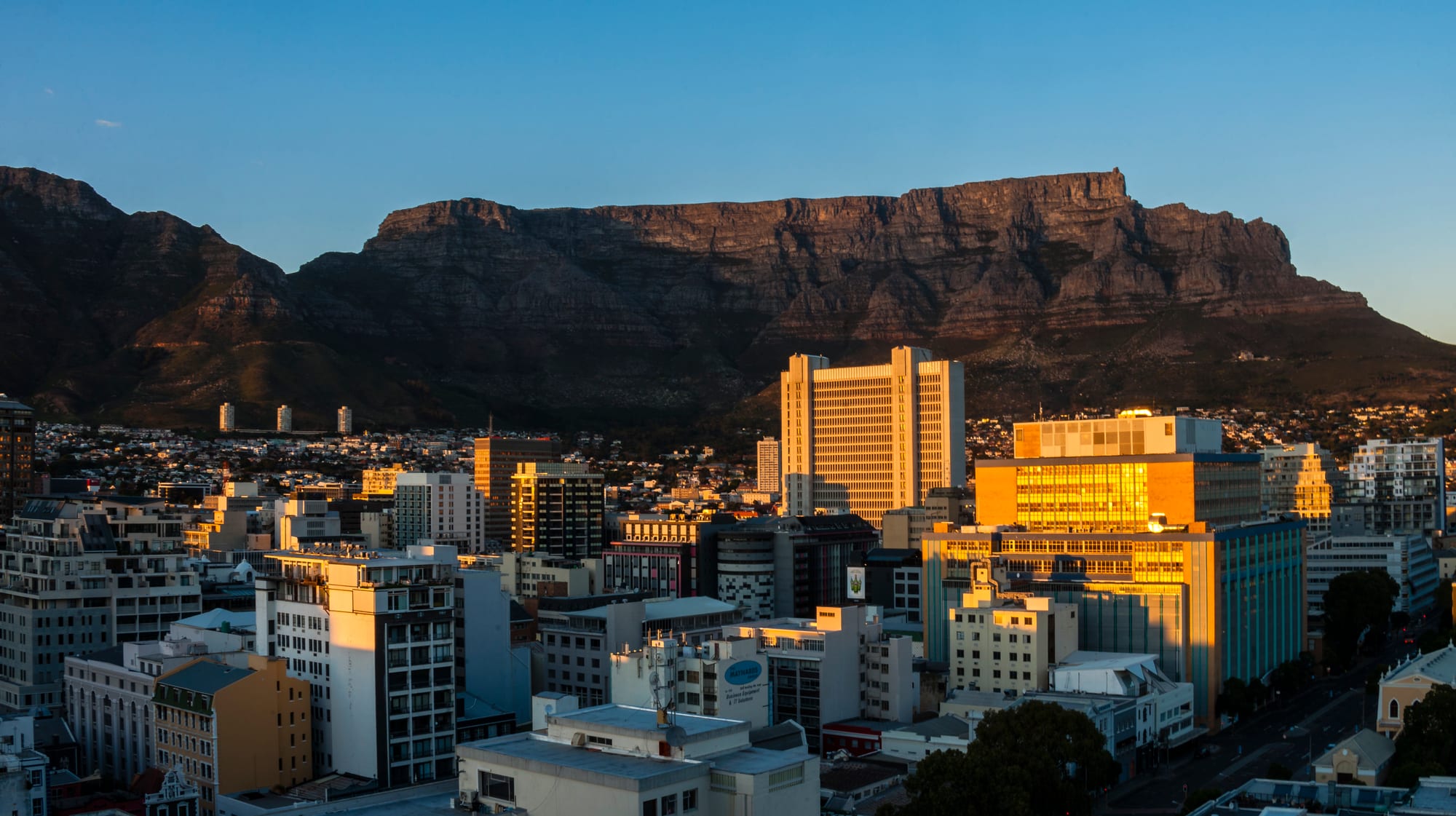
A country of extraordinary range, shaped by its history
South Africa packs an extraordinary geographic and cultural range into a single country — a flat-topped mountain rising directly from one of the world's most scenic coastal cities, some of the best wildlife viewing left on the continent, and a modern history defined by the struggle against and eventual fall of apartheid. Nelson Mandela's decades-long imprisonment and subsequent presidency remain central to how the country understands and presents its own recent past.
The ten below run from Cape Town and its peninsula to Kruger National Park, the eastern escarpment, Durban, and Johannesburg. April through September (the dry season) is generally the best time for wildlife viewing.
1. Table Mountain
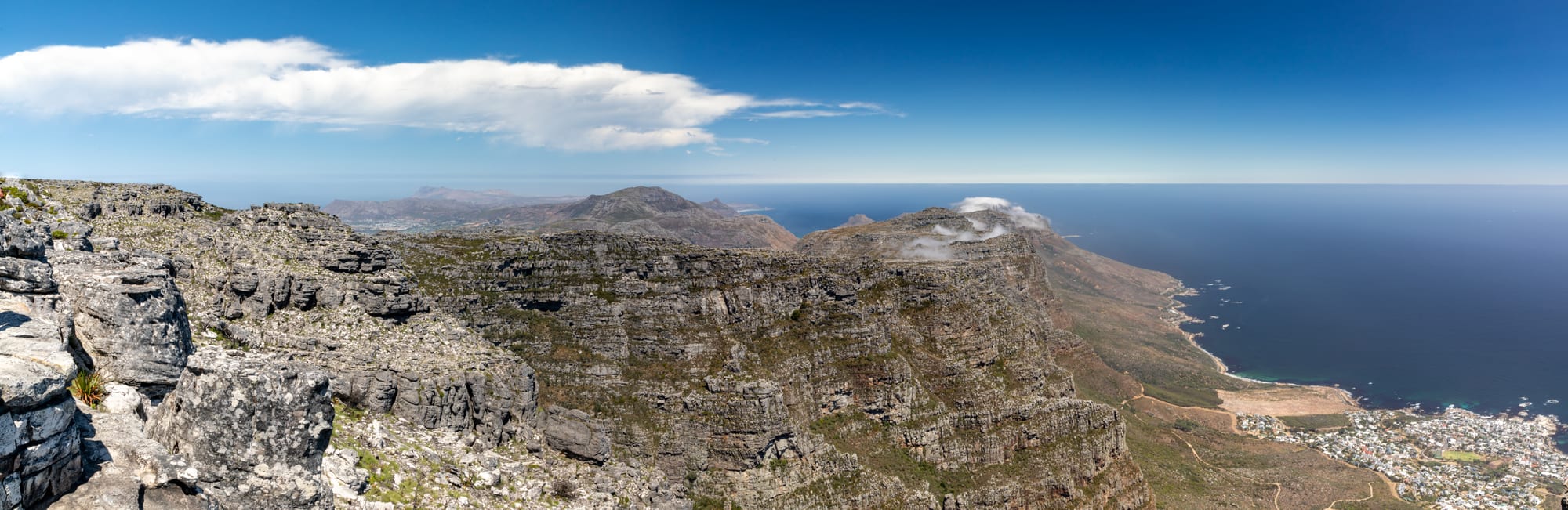
Table Mountain, its distinctive flat top formed over hundreds of millions of years, rises directly above Cape Town and is often wrapped in a cloud formation locals call the "tablecloth." A rotating cable car climbs to the summit in minutes, though hiking trails of varying difficulty also reach the top, giving sweeping views over the city, Table Bay, and the Cape Peninsula.
2. Kruger National Park
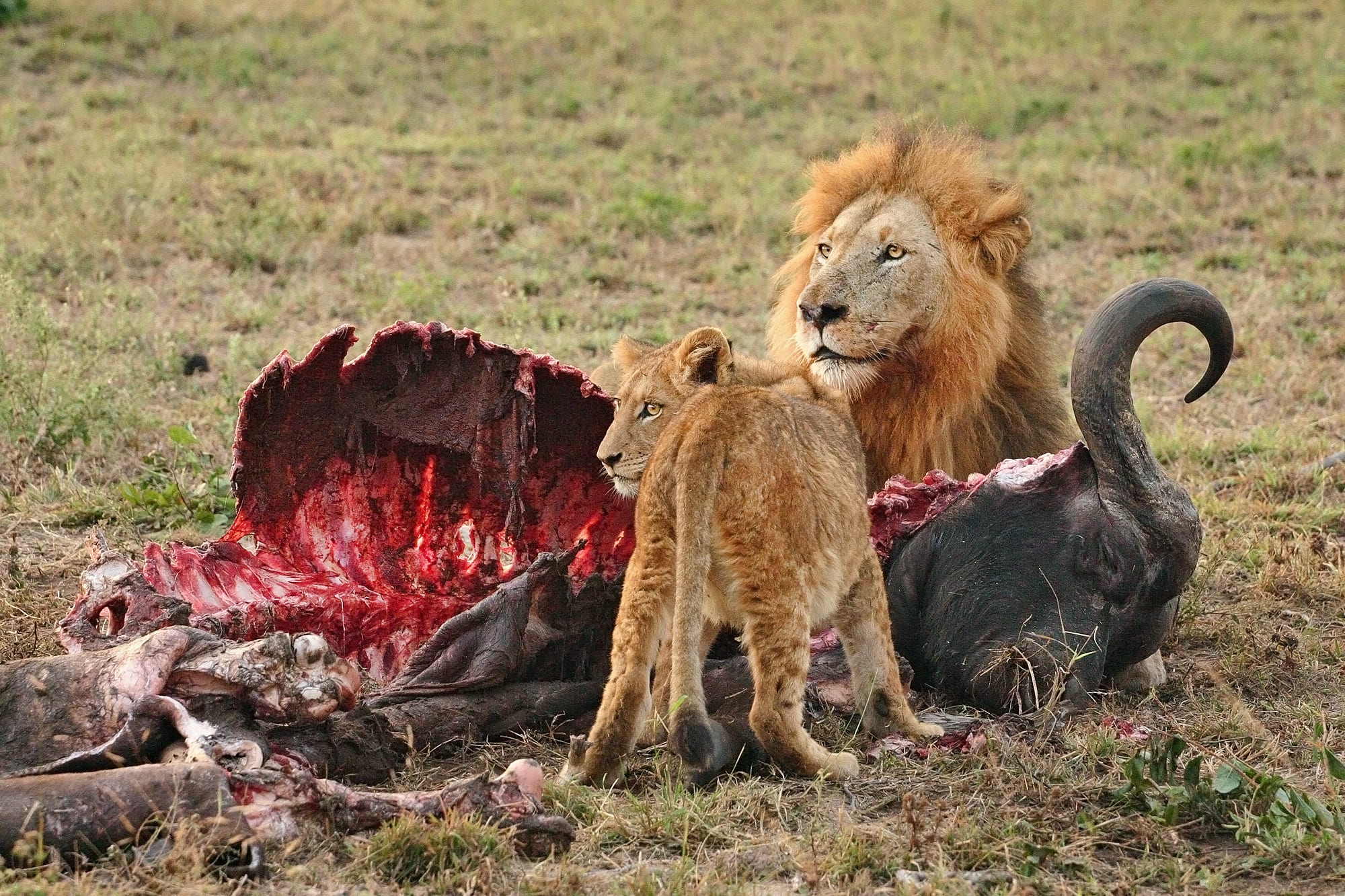
Kruger National Park, one of Africa's largest and oldest game reserves, holds all of the "Big Five" (lion, leopard, elephant, rhino, and buffalo) across nearly two million hectares of varied bushveld terrain. Its well-developed road network and range of accommodation, from budget rest camps to luxury private lodges, make it one of the most accessible major safari destinations on the continent for independent travellers.
3. Robben Island
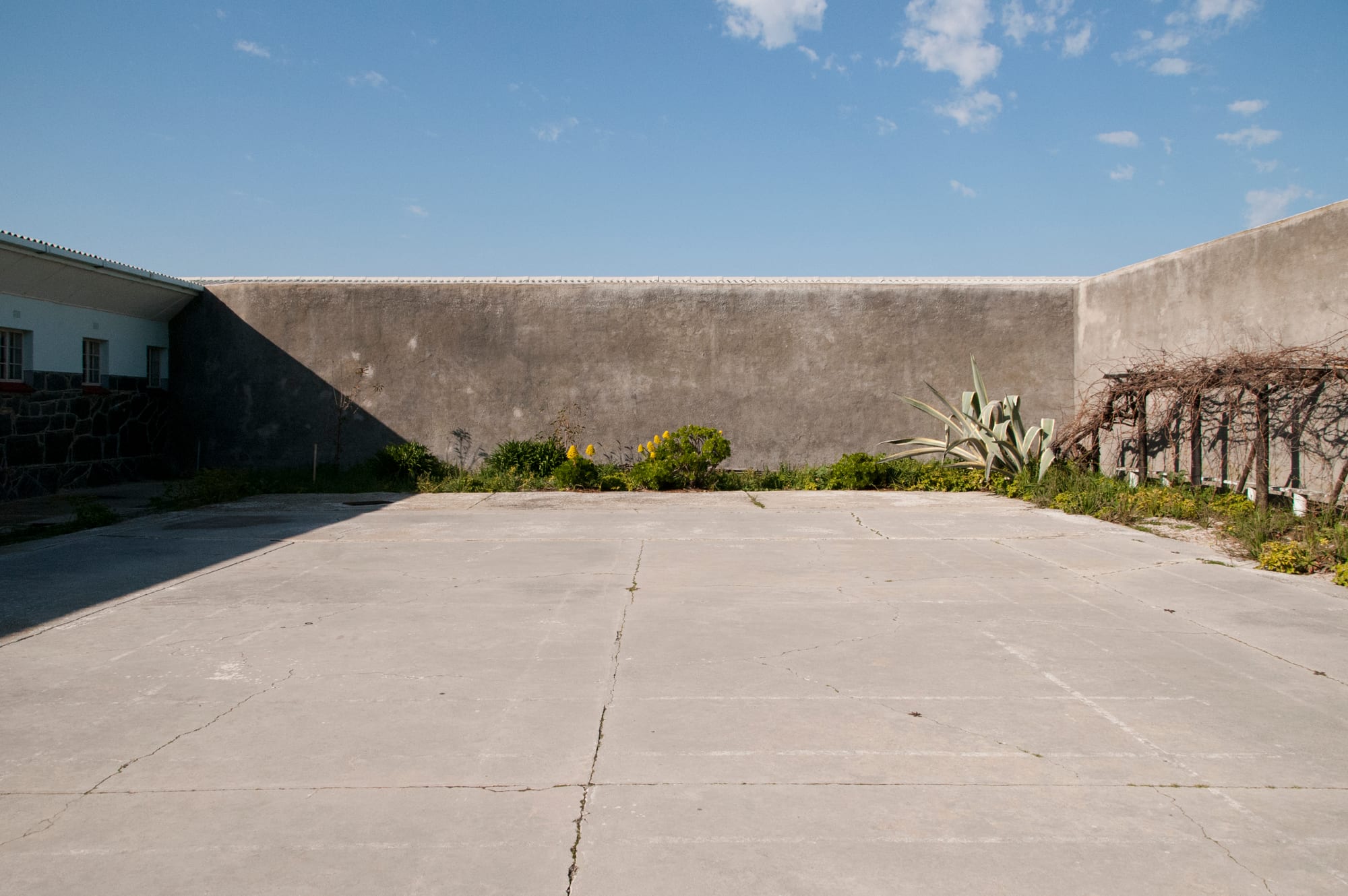
Robben Island, a short ferry ride from Cape Town, held Nelson Mandela and many other anti-apartheid political prisoners for decades, and is now a UNESCO World Heritage Site and museum, with tours often guided by former political prisoners themselves. It stands as one of the most direct and moving sites anywhere connected to South Africa's struggle against apartheid and its eventual transition to democracy.
4. The Cape of Good Hope
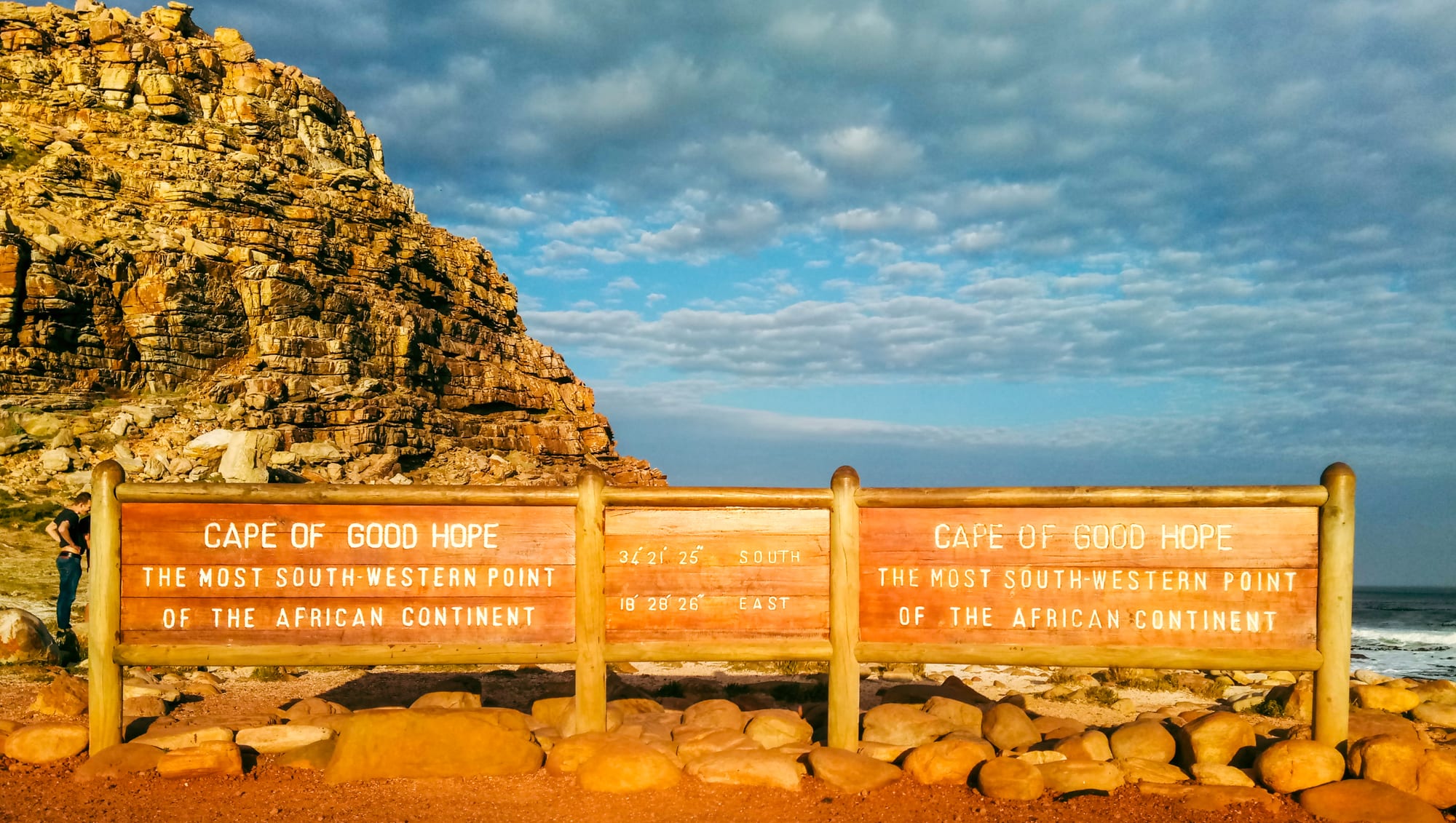
The Cape of Good Hope, long mythologised (somewhat inaccurately, as it is not quite Africa's southernmost point) as the meeting place of the Atlantic and Indian Oceans, anchors a dramatic nature reserve of fynbos vegetation, rugged cliffs, and a resident population of Cape mountain zebra and baboons, along with the famous African penguin colony nearby at Boulders Beach.
5. Blyde River Canyon
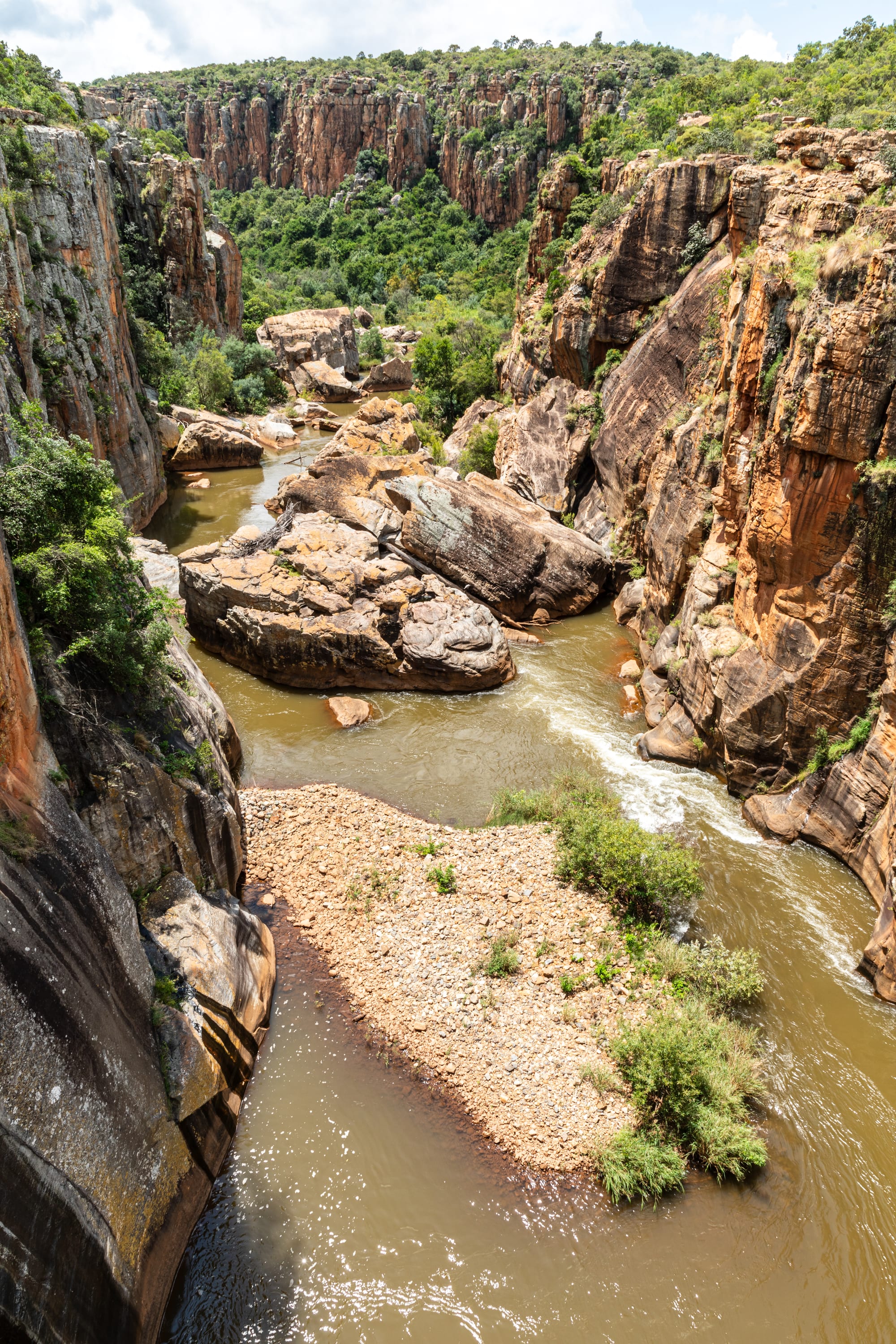
Blyde River Canyon, one of the largest canyons in the world and among the greenest given its subtropical vegetation, cuts through the Drakensberg escarpment along the popular Panorama Route, with viewpoints including Bourke's Luck Potholes (a series of cylindrical rock formations carved by swirling river water) and God's Window, looking out over the lowveld far below.
6. Durban's Golden Mile
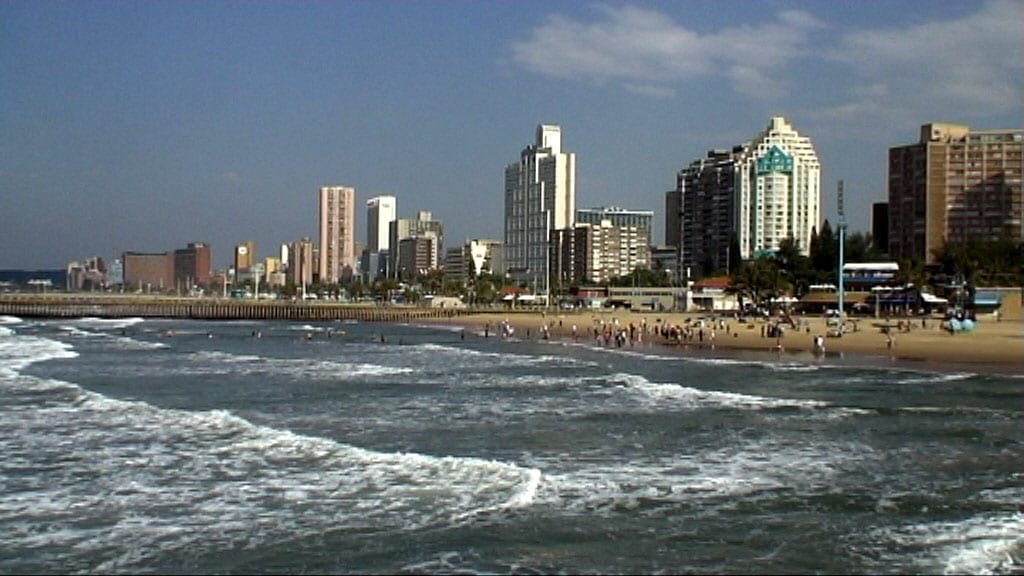
Durban, on South Africa's warmer Indian Ocean coast, is known for its Golden Mile beachfront promenade, a large Indian population and cuisine (including the bunny chow, a hollowed-out bread loaf filled with curry, invented here), and a laid-back beach culture distinct from Cape Town's more temperate, mountain-and-vineyard character.
7. The Cape Winelands
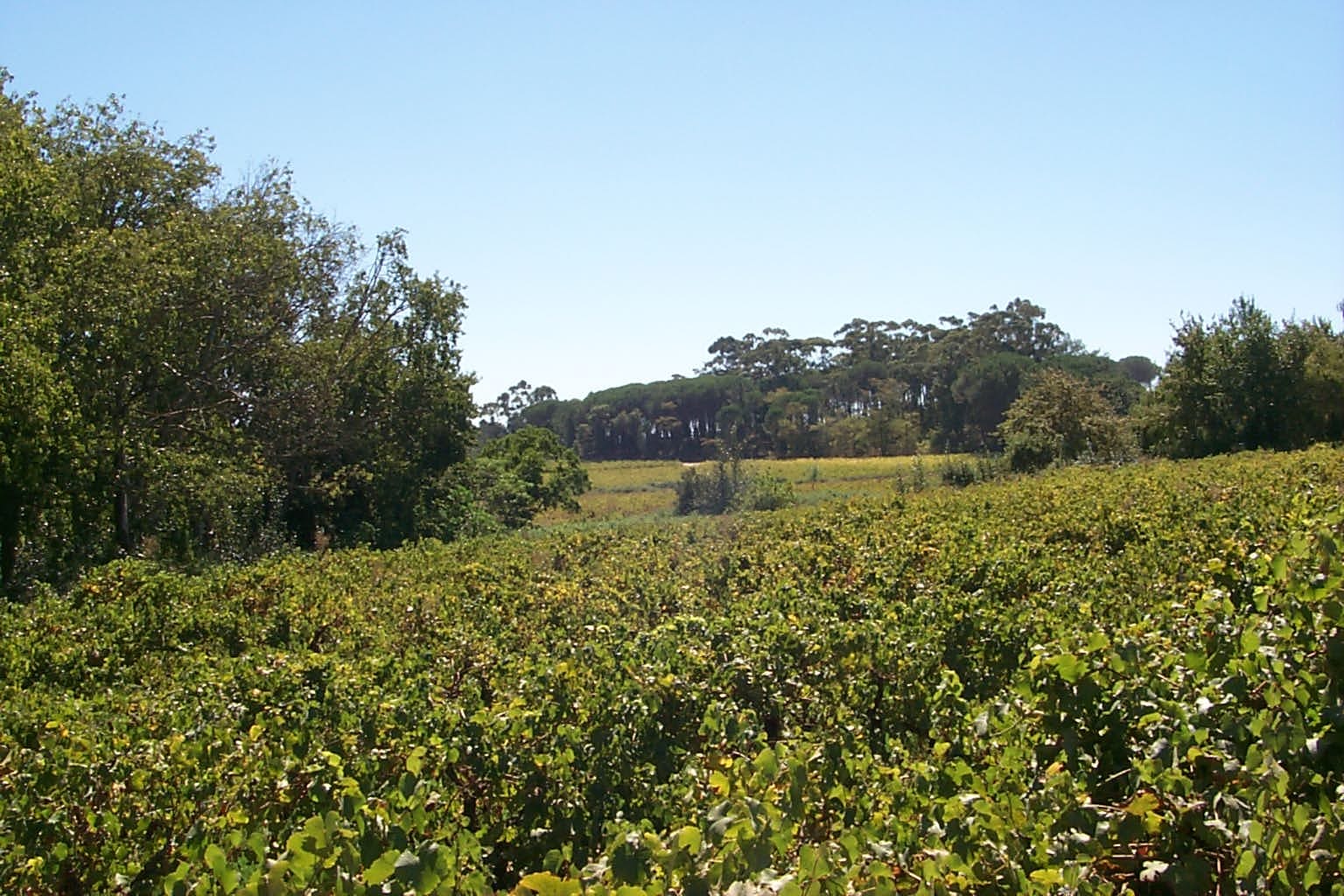
Barely an hour from Cape Town, the Cape Winelands centre on the historic towns of Stellenbosch and Franschhoek, South Africa's oldest wine-producing region, where gabled Cape Dutch homesteads dating to the 17th and 18th centuries sit among vineyards backed by dramatic mountain ranges.
Most estates offer tastings alongside the wine, and the region's farm-to-table restaurant scene has made it as much a culinary destination as a viticultural one.
8. The Drakensberg
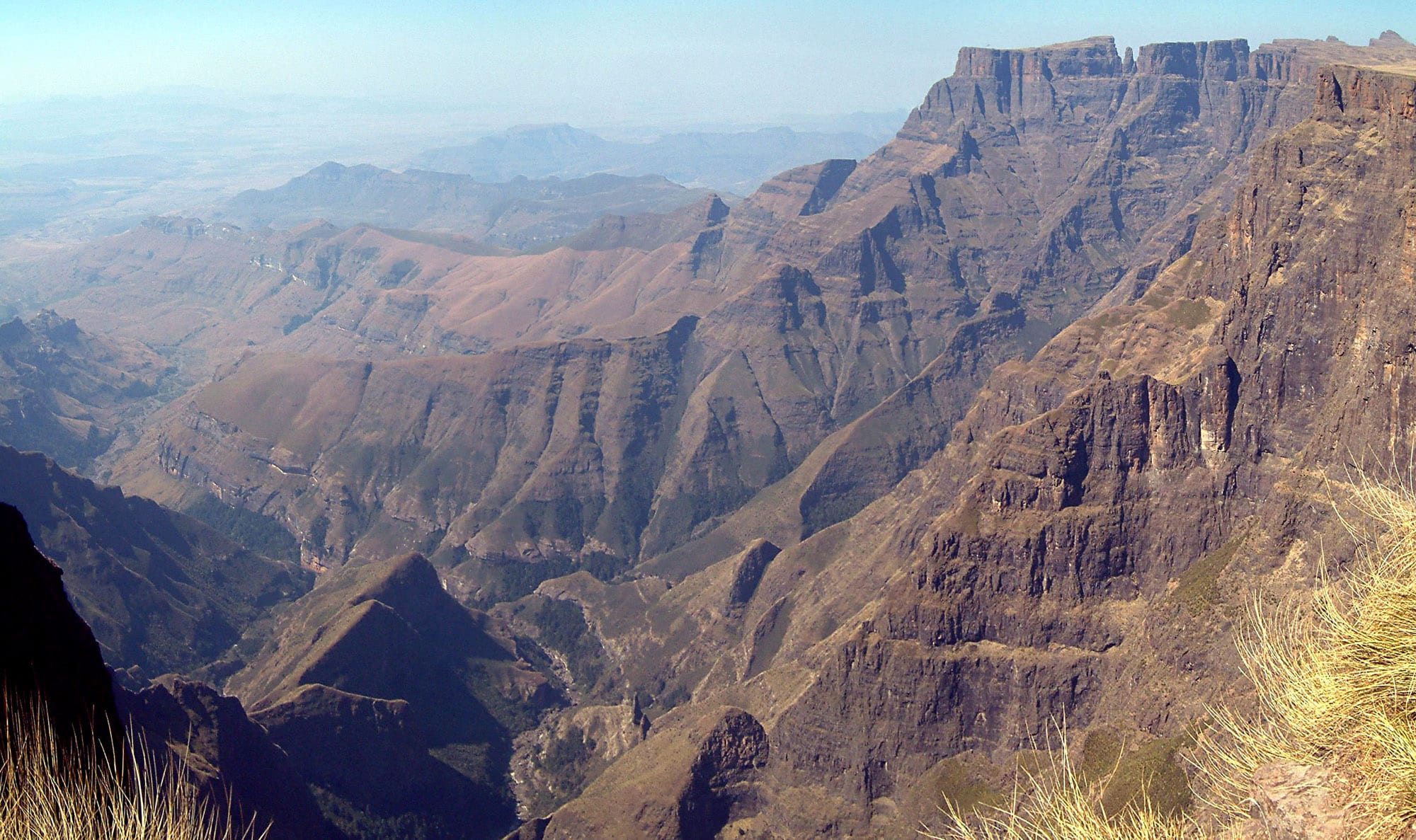
The Drakensberg, southern Africa's highest and most dramatic mountain range, forms a jagged basalt escarpment along the border with Lesotho, its centrepiece — the Amphitheatre, a sheer rock wall roughly five kilometres wide — ranking among the most spectacular mountain views on the continent. A UNESCO World Heritage Site, the range holds some of the country's best hiking, along with San rock art thousands of years old in its caves and overhangs.
9. Boulders Beach
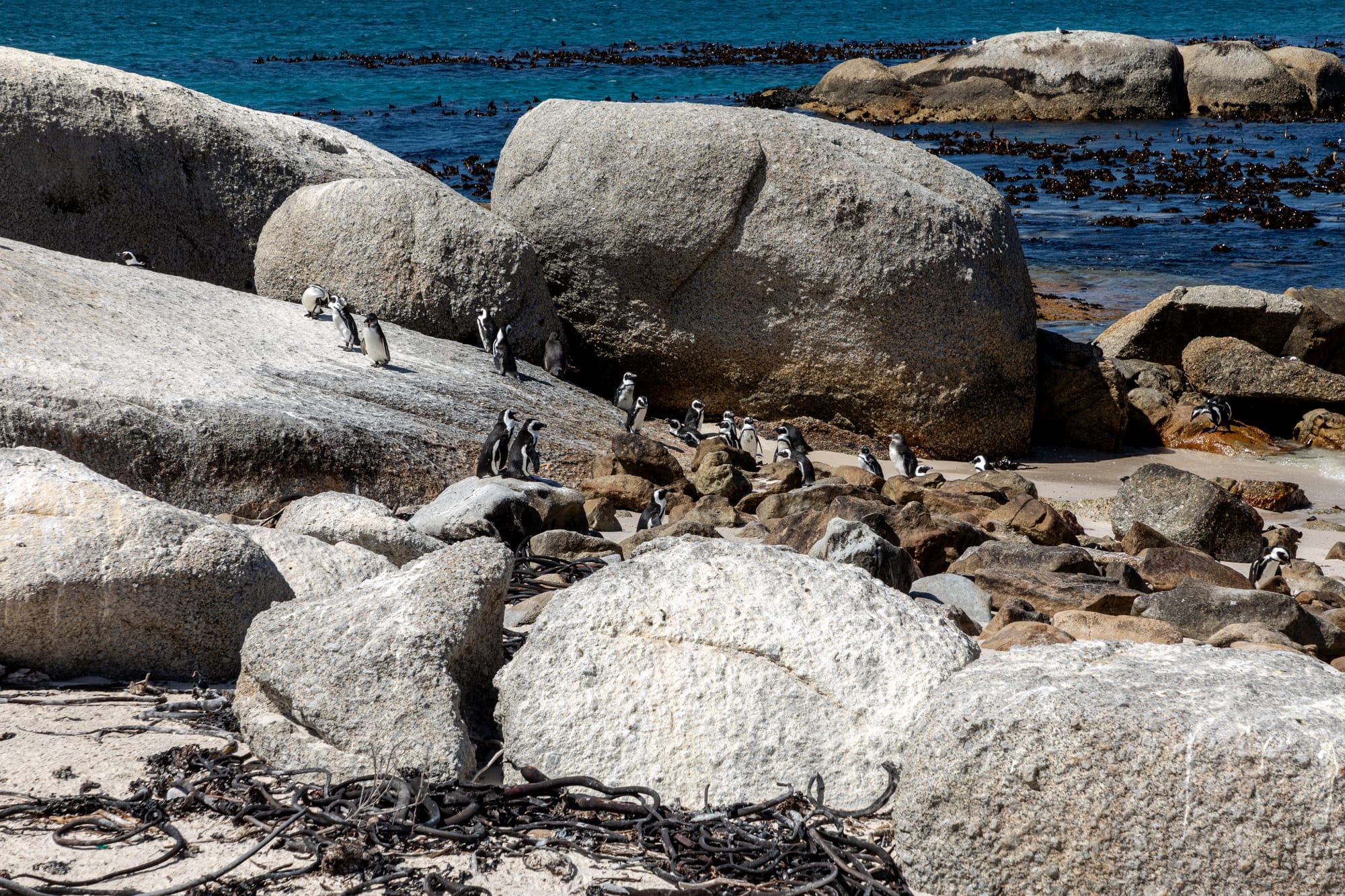
Boulders Beach, on the Cape Peninsula near Simon's Town, hosts a colony of several thousand African penguins that has nested among its giant granite boulders since the 1980s, one of the very few places in the world where the endangered species can be observed on land at close range from boardwalks built specifically for the purpose.
10. Soweto and Mandela House
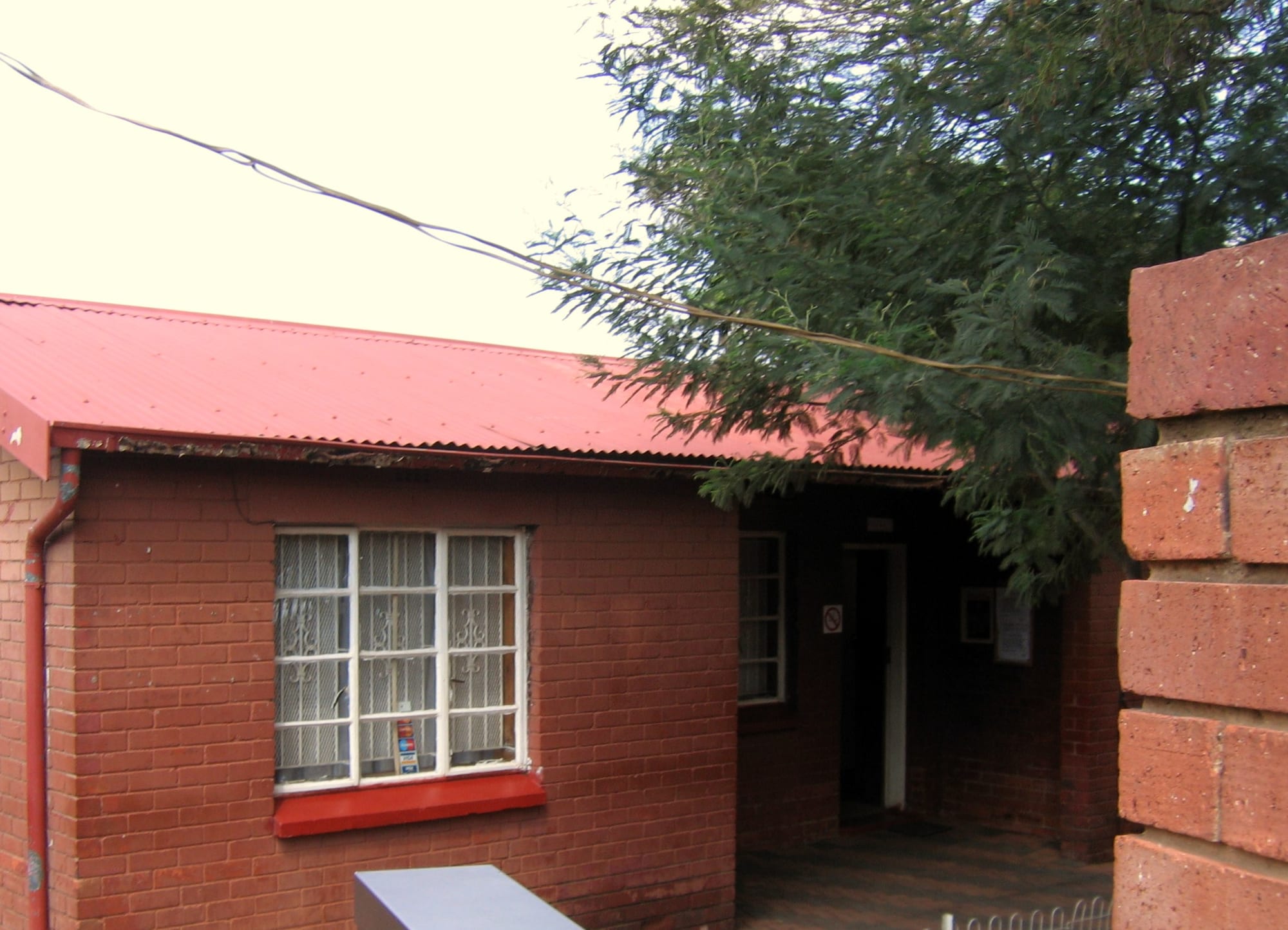
Soweto, Johannesburg's largest township and a centre of resistance to apartheid, holds the modest brick house where Nelson Mandela lived before his imprisonment, now preserved as a museum on Vilakazi Street — the only street in the world to have been home to two Nobel Peace Prize winners, Mandela and Archbishop Desmond Tutu.
Guided township tours here cover both the area's role in the 1976 Soweto uprising and its present-day life as one of South Africa's most historically significant communities.
South Africa rewards at least two weeks: a Cape Town and peninsula stretch (including the Winelands and Boulders Beach), combined with a safari in Kruger and, for those with time, the Panorama Route, Durban's coast, or Johannesburg and Soweto, gives a well-rounded introduction to the country's range.