Culture & Customs · South Africa
South Africa: A Person Through Other People
Twelve official languages, a dozen faiths and traditions living side by side, and a shared idea of humanity — ubuntu — that holds that no one becomes fully a person alone
By Worldlore Editorial · 30 September 2026
A visitor arrives at a family home and is met at the gate. There is a handshake and a smile, then another handshake, and another, until everyone present has been greeted, the eldest with particular care. Nobody moves on to the purpose of the visit until the questions have been asked: how is the family, how was the journey, is everyone well? A cup of tea appears, and it is accepted with both hands. When the visit ends, the host walks the guest back to the gate. Across a country of many peoples and many languages, this unhurried attention to each person is one of the things most South Africans share — the sense that a person is made a person by the people around them.
Faith, identity and values
South Africa is one of the most diverse countries in the world, and its diversity is written into its constitution. There are twelve official languages: English, Afrikaans, isiZulu, isiXhosa, isiNdebele, siSwati, Sesotho, Sepedi, Setswana, Xitsonga, Tshivenda and, since 2023, South African Sign Language. English is the common language of government, business and signs, but isiZulu and isiXhosa are the largest first languages, and most people switch comfortably between two or more. The country's peoples include Zulu, Xhosa, Sotho, Tswana, Pedi, Venda, Tsonga, Swazi and Ndebele communities, Afrikaners and English-speaking white South Africans, people of mixed heritage, and South Africans of Indian, Malay and other descent. Even the national anthem reflects this: it joins two songs into one and moves through verses in isiXhosa, isiZulu, Sesotho, Afrikaans and English.
The idea most often invoked as a shared value is ubuntu, a word found in the Nguni languages and summed up in the isiZulu proverb "umuntu ngumuntu ngabantu" — a person is a person through other persons. Ubuntu describes humaneness: the belief that identity and dignity come from belonging to a community and from how people treat one another. It took on national weight after the end of apartheid, the system of legislated racial segregation that lasted until the first democratic elections in 1994. Archbishop Desmond Tutu, who chaired the Truth and Reconciliation Commission, credited ubuntu with helping people choose forgiveness over revenge.
Faith is part of daily life for most people. More than eight in ten South Africans are Christian, and one of the largest of the African Independent Churches, the Zion Christian Church, blends Christian worship with elements of traditional African religion and places strong emphasis on physical and spiritual healing. A minority follow traditional African religion, and many Christians also honour the ancestors, keeping a spiritual connection with their ancestors through prayer and ritual. In Zulu culture, the sangoma, a traditional healer, acts as a mediator for the community, offering healing and counsel. South Africa also has long-established Muslim, Hindu and Jewish communities; Hindu South Africans observe major festivals such as Diwali (Deepavali).
Greetings and meeting people
A handshake accompanied by a smile is the standard greeting, especially on a first meeting. In rural areas people sometimes greet with both hands, and among friends a hug is common. Eye contact and a smile matter, and failing to greet someone, or passing them by without acknowledgement, can be taken as disrespectful — particularly outside the big cities. Some men wait for a woman to offer her hand before shaking it.
A greeting is rarely brief. South Africans generally take time to exchange pleasantries and ask after health and family before getting down to business, and a conversation that skips this step can feel abrupt. New acquaintances are addressed as Mr, Mrs or Ms with their surname until they suggest first names. Among Afrikaans speakers, older people may be called "oom" (uncle) and "tannie" (aunt) as a mark of respect, even by those who are not related to them. Eye contact is generally steady, although some older people avert their eyes as a sign of deference rather than evasion.
Communication tends to be direct and warm. People often speak their minds, disagree openly and fill silences rather than leave them, and friendly physical contact — a pat on the back, standing close — is common among many groups. A few gestures are best avoided: pointing at someone with an index finger is considered impolite, keeping hands in pockets while talking to someone can seem disrespectful, and the V-sign made with the palm facing inwards is offensive. In many communities the right hand is preferred for gestures, and gesturing with the left can cause offence.
Two phrases puzzle many visitors. "Now-now" means shortly, while "just now" means at some point in the near future — which may be rather later than expected.
Hospitality and being a guest
Visits are usually arranged in advance, although close friends and family may drop by unannounced. On arrival, everyone in the house should be greeted, and a guest can expect to be offered something to drink, very often tea. In some homes, particularly those of Indian heritage, turning down refreshments outright can be taken as rude, so accepting at least a little is the gracious course. Guests do not wander through the house without being invited, and it is wise not to praise any single object too enthusiastically, since some hosts may feel obliged to offer it as a gift. When it is time to leave, the host will often walk the guest to the door, the gate or the car.
A gift is not required, but bringing something is appreciated. Wine, chocolates or flowers are safe choices, and drinks are a common contribution to a meal. Gifts tend to be practical rather than lavish, presented neatly wrapped, and are usually opened as soon as they are received. Anything handed over — a gift, a plate, a cup — is best received with both hands cupped together.
Table manners depend on the household, and the simplest approach is to watch the hosts. Some families eat with a knife and fork, others with a spoon or with the fingers. In some homes food is served in a set order: guests first, then the eldest man, then the other men, then the children and the women. Pointing with cutlery is avoided, as is pointing the feet towards other people or towards the food when seated. Leaving a lot of food on the plate may disappoint the cook, while asking for a second helping is taken as a compliment, and in many homes it is expected. At the end of the meal, a word of thanks for the cooking is always welcome.
An invitation to a weekend braai often comes with the understanding that guests bring their own meat and drinks, so it is worth asking the host what to bring. In restaurants, the person who issued the invitation generally pays, and a tip of around ten per cent is customary, since service is not usually included in the bill.
Festivals and life's big moments
South Africa's public holidays are a guide to what the country chooses to remember. Freedom Day on 27 April marks the first democratic elections in 1994. Youth Day on 16 June commemorates the 1976 student uprising in Soweto, and National Women's Day on 9 August honours the women who marched against the pass laws in 1956. Human Rights Day in March and the Day of Reconciliation in December complete a calendar in which remembrance and celebration sit close together. Good Friday, Easter Monday (Family Day) and Christmas are public holidays too.
Heritage Day, on 24 September, is the most colourful. In the province of KwaZulu-Natal the date was once kept as Shaka Day, in memory of the Zulu king; when the new national holidays were agreed in the mid-1990s, it became a day on which all South Africans could celebrate their own cultural inheritance. Many people mark it by wearing traditional dress and spending time with family and friends.
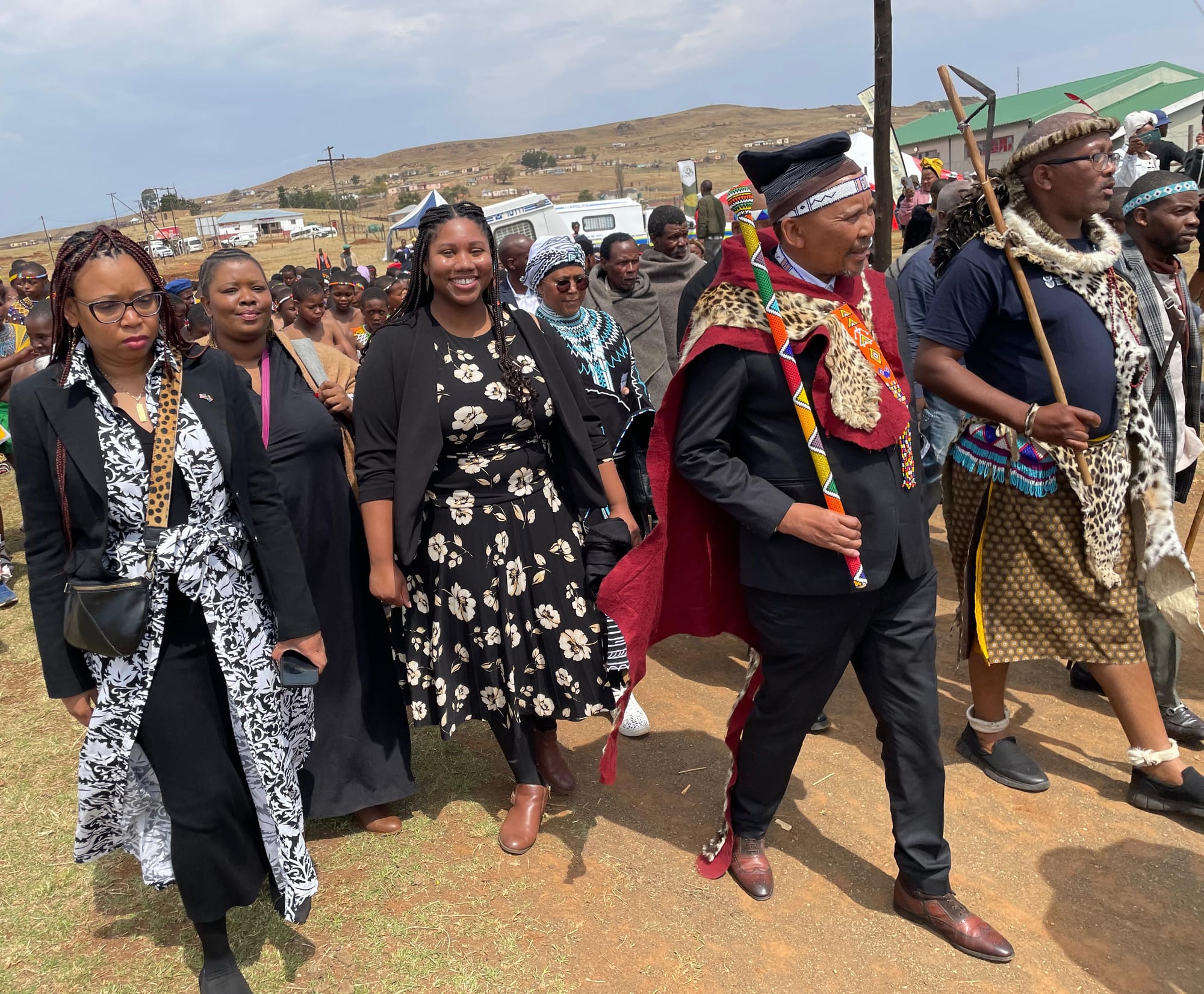
Marriage is often a joining of two families as much as two people. In many African communities, a customary marriage begins with lobola, in which the groom's family and the bride's family agree the gift that the groom's side will give — traditionally cattle, today often cash, livestock and gifts in combination. The couple do not negotiate themselves: uncles or other senior relatives represent each side, often after a formal letter has been sent to arrange the meeting. Lobola is understood as a way of building a relationship between the families rather than a purchase, and the Recognition of Customary Marriages Act of 1998 gives marriages concluded under customary law full legal standing. The negotiations are one step in a longer sequence of visits, gifts and celebrations that binds the two families together.
Funerals carry particular weight. In many communities they take place over a weekend and draw large crowds, with neighbours helping the bereaved family prepare the home and cook for the guests in the days before. The night before the burial, the body may rest in the family home, where close relatives and friends keep vigil and say their farewells in private. At the service itself, family members, church leaders and community figures all speak. For many families, carrying out these rites fully is an obligation to the person who has died, whose passage to join the ancestors they are meant to secure.
Arts, crafts and music
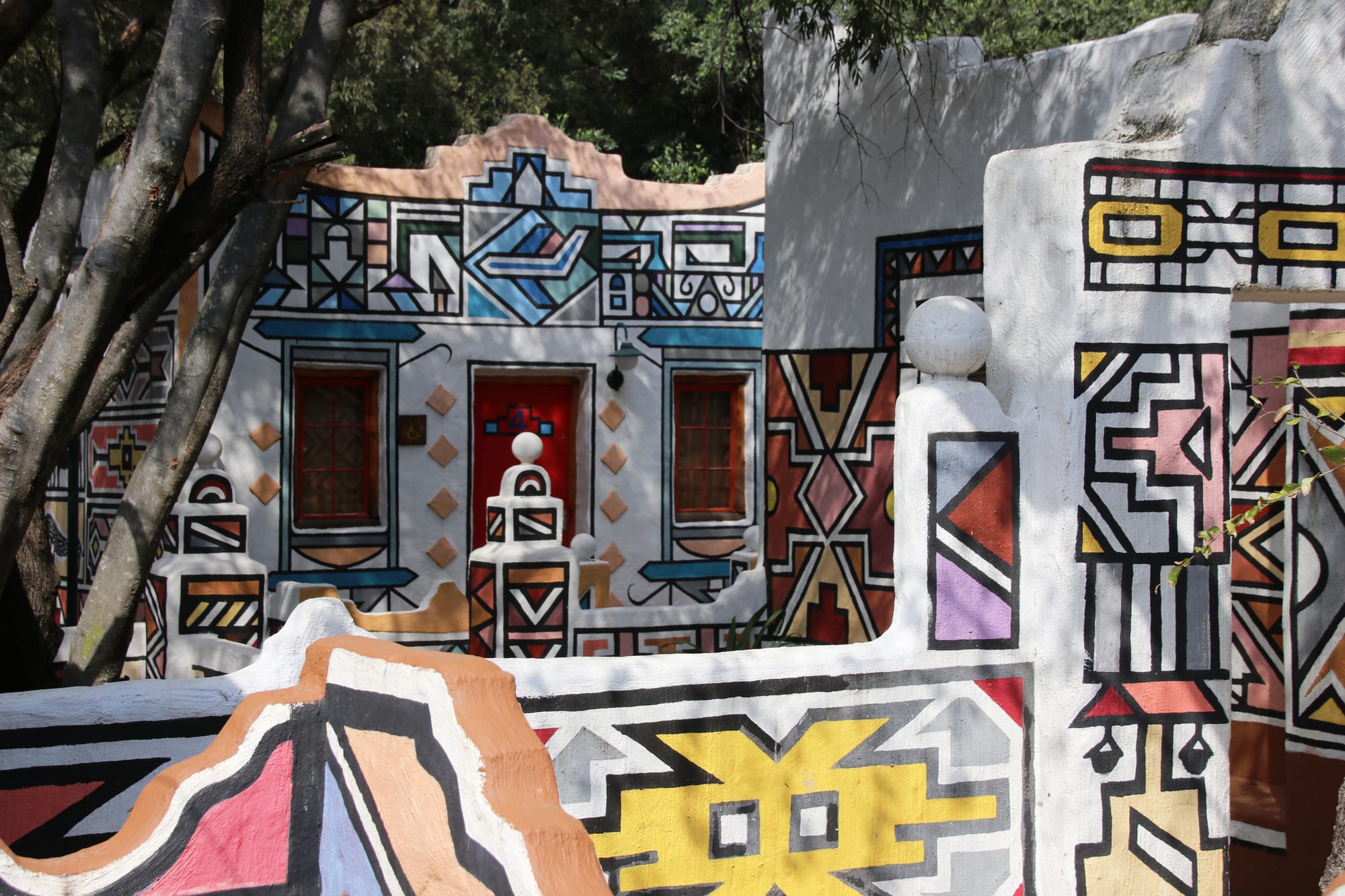
Many of South Africa's crafts carry meaning as well as beauty. Ndebele wall painting is the best known: bold geometric designs painted by women on the walls of their homes. The designs grew out of older Ndebele beadwork patterns and were once made with fingers and natural pigments — browns, blacks and other earth tones over a white limestone wash. Brighter bought paints later widened the palette to blues, greens and yellows. The patterns speak of identity, family and values, and the skill has traditionally been passed from mothers and mothers-in-law to younger women.
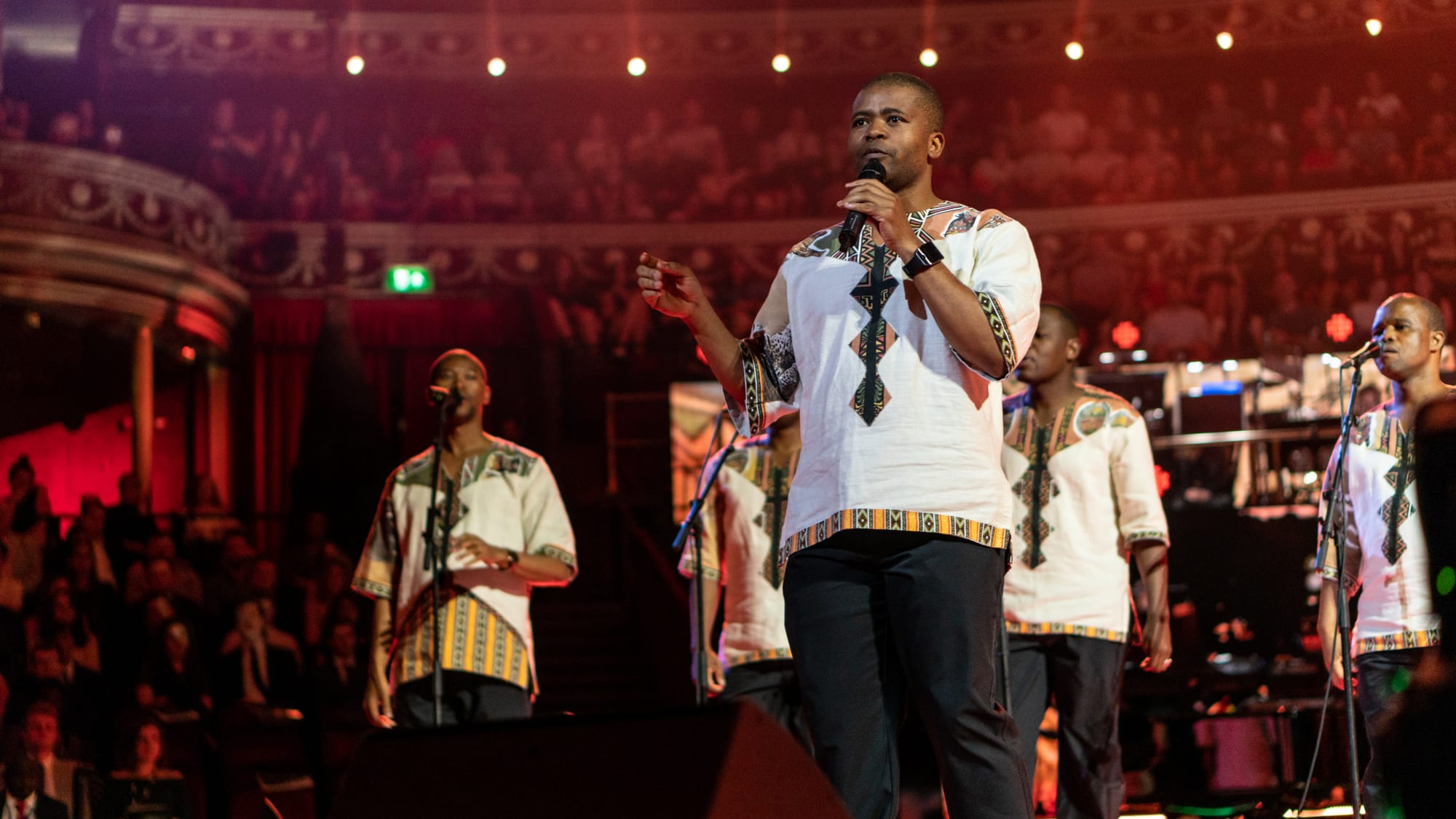
Isicathamiya, an unaccompanied choral style that developed among Zulu migrant workers, combines close harmony, a lead singer and call-and-response with light, shuffling footwork; its name comes from the Zulu verb -cathama, to walk softly or tread carefully. Its best-known ensemble, Ladysmith Black Mambazo, was formed by Joseph Shabalala in 1960 and carried the style around the world.
Popular music keeps reinventing itself. Amapiano, which emerged in the townships of Gauteng in the mid-2010s, blends deep house, jazz, soul and the older township sound of kwaito over a rolling "log drum" bass line. In less than a decade it travelled from house parties, lounges and minibus taxis to clubs and festivals around the world, becoming one of South Africa's best-known cultural exports.
Dos and don'ts for visitors
- Do greet everyone present, not just the person being visited, and take time to ask how they are before getting to business.
- Do shake hands with a smile on meeting someone, and use Mr, Mrs or Ms with a surname until invited to use a first name.
- Do receive things with both hands cupped together, and avoid gesturing with the left hand.
- Do accept a drink or a little food when it is offered in someone's home, and compliment the cooking at the end of the meal.
- Do ask the host what to bring to a braai, since guests often contribute their own meat and drinks.
- Do tip around ten per cent in restaurants, where service is not usually included.
- Don't point at people with a finger, keep hands in pockets while talking, or make the V-sign with the palm facing inwards.
- Don't photograph people, ceremonies or places of worship without asking first.
What to take away
South Africa's many cultures differ in language, faith and custom, but nearly all of them agree that respect begins with acknowledging every person present — and a visitor who greets warmly, listens patiently and honours elders will find that courtesy returned many times over.