Culture & Customs · Somalia
Somalia: The Weight of the Spoken Verse
A devoutly Muslim society organised by lineage, where honour, modesty and hospitality govern everyday conduct and poetry has long carried the news, the argument and the memory of the nation
By Worldlore Editorial · 30 September 2026
For most of Somali history, the most powerful thing a person could carry was not a weapon or a purse but a poem. Verses were composed aloud, without writing, and spread by memorisers who could recite them word for word, so that a new poem could travel far and wide long before any newspaper existed. Poetry did the work of history books, broadcasting and the press, and it was used for news, argument, courtship and feud alike. The Canadian novelist Margaret Laurence called Somalia a "nation of poets", and the phrase has stuck. It says something essential about Somali culture: words carry weight here, and so do the honour, faith and loyalties that the words defend.
This article is written to explain Somali culture, not to encourage travel. Decades of conflict, and an insurgency by the armed group al-Shabaab that continues in parts of the south, have displaced millions of people, and most governments advise against all travel to the country.
Faith, identity and values
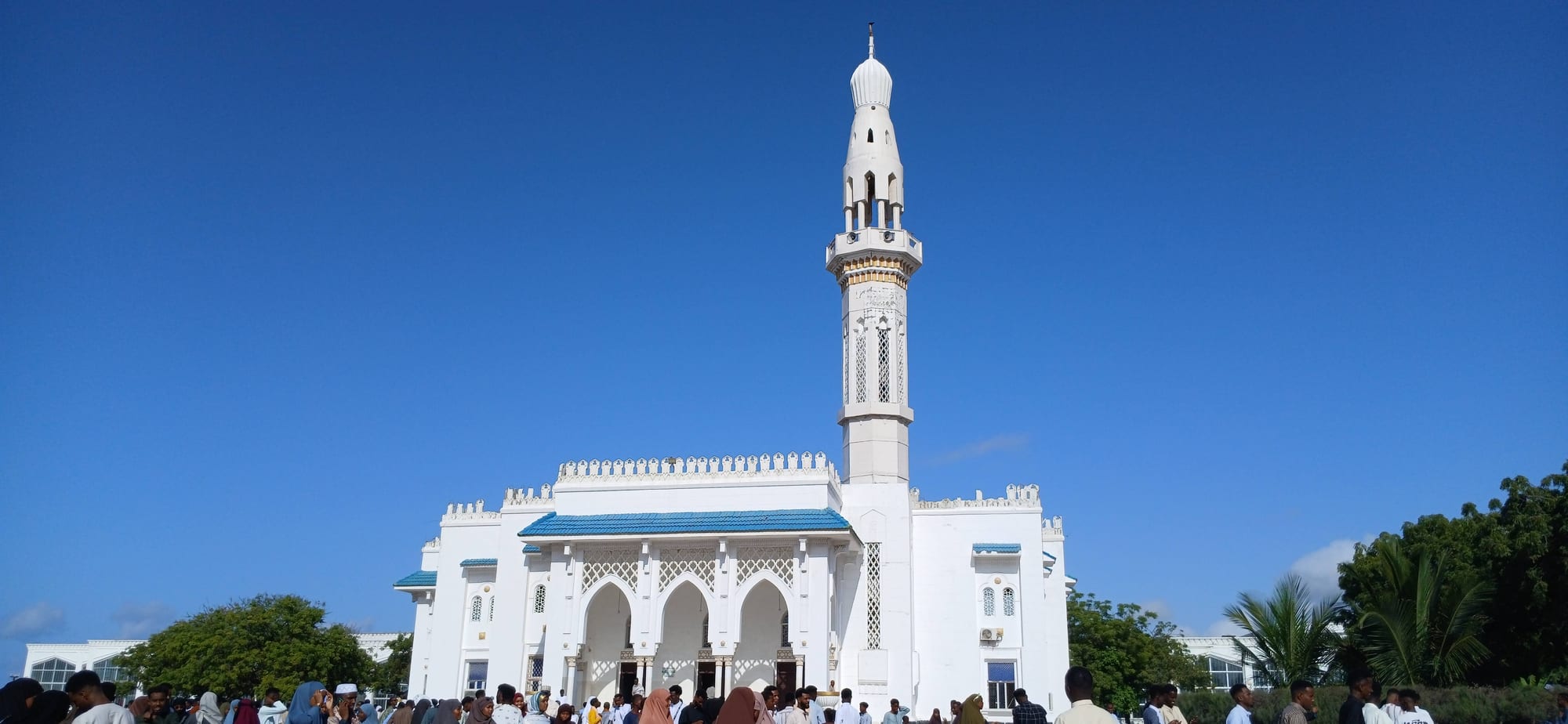
Islam is the foundation of Somali identity. Almost all Somalis are Sunni Muslims following the Shafi'i school of jurisprudence, and faith is expressed openly in dress, diet, regular prayer and constant reference to God's will; "inshallah", God willing, is part of almost every conversation about the future. Nearly every town has a mosque where men gather for Friday prayers, and openly non-practising Muslims are rare. Sufi orders have long shaped a devotional, moderate strand of Somali Islam, and some Somalis have turned to Sufism with renewed interest as a spiritual rather than political path.
Alongside faith stands lineage. Most Somalis belong to a clan, traced through the father's line, that links them to a wide network of extended families. The major clan families are usually given as the Darod, Hawiye, Dir, Isaaq and Rahanweyn, each divided into many sub-clans, and clan affiliation has long shaped social standing, marriage, the settlement of disputes and politics. It is also a painful subject, bound up with the civil war, and outsiders do well not to raise it casually. The status of the northwest, where the self-declared Republic of Somaliland has governed itself since 1991 with formal recognition so far from only one UN member state, Israel, which recognised it in December 2025, is another sensitive topic.
Somali values rest on a few strongly held ideas. Sharaf, or honour, is tied to the reputation of the family and depends on a person's demeanour, honesty, modesty and treatment of others rather than on wealth. Xishood, modesty, governs dress, speech and behaviour, and is expected most strictly of women. Generosity is a source of dignity: being helpful, hospitable and charitable with money, food, time and connections is admired, and spontaneous kindness to strangers is common. Families and communities depend closely on one another, never more so than since the civil war. Many Somalis also descend from pastoral herders who moved with their camels and goats and lived in portable domed dwellings called aqal, and that nomadic heritage remains a point of pride.
Greetings and meeting people
The traditional greeting is the Islamic "As-salaamu alaykum" ("peace be upon you"), answered with "Wa alaykum as-salaam". Among friends, more casual openings such as "Iska warran?" ("What's the news?") or "See tahay?" ("How are you?") are common. Men usually greet one another with a firm handshake, and women with a hug and a kiss on the cheek. Physical contact between men and women who are not close relatives is avoided, and a man should wait for a woman to offer her hand before shaking it. Standing up to greet an elder is a sign of respect.
People are usually addressed by their first name; surnames and formal titles are rarely used. Elders are often addressed with a family title followed by their first name, such as adeer (uncle) or habaryar (maternal aunt), whether or not they are actually related. Conversation tends to be direct and honest, often animated and fairly loud, with large gestures, though voices drop in religious settings. Eye contact is valued but kept brief, and lowering the gaze shows respect to elders. Beckoning with one finger is rude; the whole hand is used instead. The correct word for the people and their language is "Somali"; "Somalian" is regarded as a Western invention.
Hospitality and being a guest
Hospitality is a strong obligation, and a guest is treated with real generosity. Shoes are removed on entering a home unless the host says otherwise, and refreshments, usually tea, are offered at once; accepting them is a sign of respect. Offers of food and help are customarily declined politely more than once before being accepted, a ritual that lets the guest show humility and the host show generosity. Gifts are given and received with both hands or with the right hand alone, and anything containing alcohol or pork is avoided.
Meals are often eaten from a shared platter, and each person takes food from the section directly in front of them. The right hand is used for eating, and the left hand should not touch food. In many households men and women eat separately and have separate rooms for receiving visitors. No alcohol is served. Dress for visitors, as for Somalis, is modest: clothes cover the shoulders and knees, and women cover their hair.
Compliments are handled with care. Lavish praise of a child, a home or a possession can be associated with the evil eye, so a compliment is usually accompanied by "Mashallah" ("God has willed it"), and people respond to praise modestly, often with a compliment in return. Chewing khat, a stimulant leaf, is a common afternoon pastime among men but is considered inappropriate for women.
Festivals and life's big moments
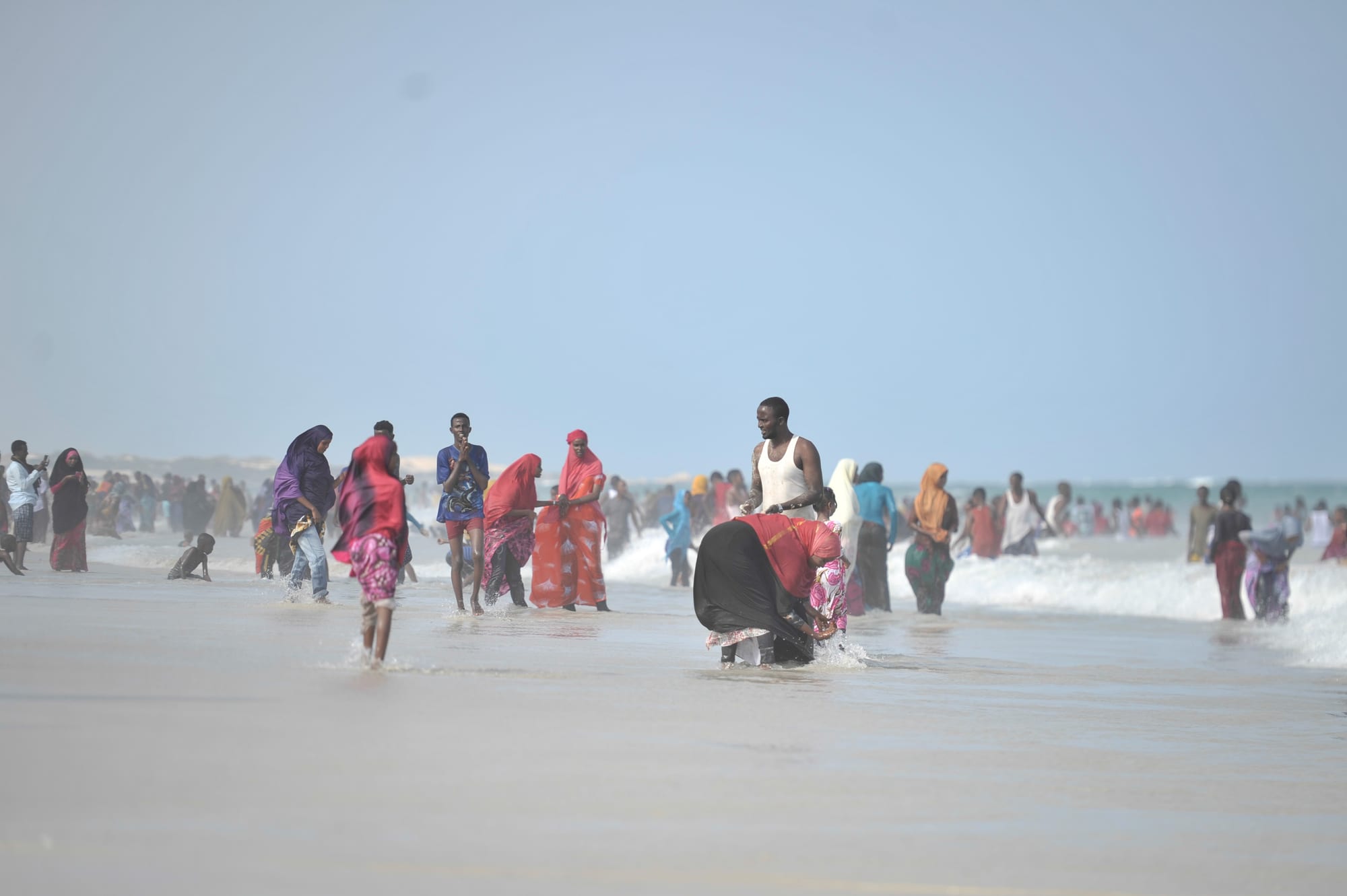
The Islamic calendar sets the rhythm of the year. Ramadan, the month of fasting from dawn to sunset, is widely observed. It ends with Eid al-Fitr, when thousands gather in mosques and open grounds early in the morning for the Eid prayer. People put on new clothes, visit relatives, share meals and give alms to the poor; the greeting of the day is "Ciid wanaagsan" ("Happy Eid"), and children receive gifts or money. Some two months later comes Eid al-Adha, the Festival of Sacrifice, which marks the end of the Hajj pilgrimage season. It too begins with communal prayers, men often wearing the long robe and headcloth that are part of Eid dress, and the meat of animals sacrificed for the feast is shared among relatives, neighbours and people in need. Families spend the rest of the holiday visiting and on outings, and beaches fill with people.
National dates are marked too. 1 July commemorates the independence and union of 1960, while in the northwest 18 May is observed as the anniversary of Somaliland's 1991 declaration. Ashura is also on the calendar.
Marriage is a matter for families as well as individuals. Weddings have traditionally been arranged through negotiations between the two families over several stages, though the couple usually keep the right to accept or refuse the match. The groom's family presents bride wealth, known as sooryo, to the bride's family, and the maher, the bride's own marriage gift, is formally declared at the engagement. After the wedding the bride usually moves to her husband's household. Islamic law permits a man up to four wives, and polygamous households exist, particularly in rural areas.
Funerals follow Islamic practice and move quickly. The dead are buried without a coffin, usually within 24 hours. The body is washed with warm water by relatives of the same sex, perfumed and wrapped in white cloth, verses of the Qur'an are recited, and the community gathers for the janaaso, the funeral prayer. Traditionally the men carry out the burial while the women remain at a distance, and elaborate funeral spending is regarded as unnecessary.
Arts, crafts and music
Poetry remains the prestige art of Somali culture, recited, memorised and fiercely judged, and it comes in several distinct forms. The gabay is usually chanted. The jiifto is also chanted and often melancholy, while the geeraar is short and associated with war. The buraambur is composed by women, the heello or balwo consists of short love poems that became hugely popular on the radio, and the hees covers popular songs. Because composition, performance and preservation traditionally happened without writing, a good memory was as valued as a good ear, and memorisers were essential to a poet's reputation.
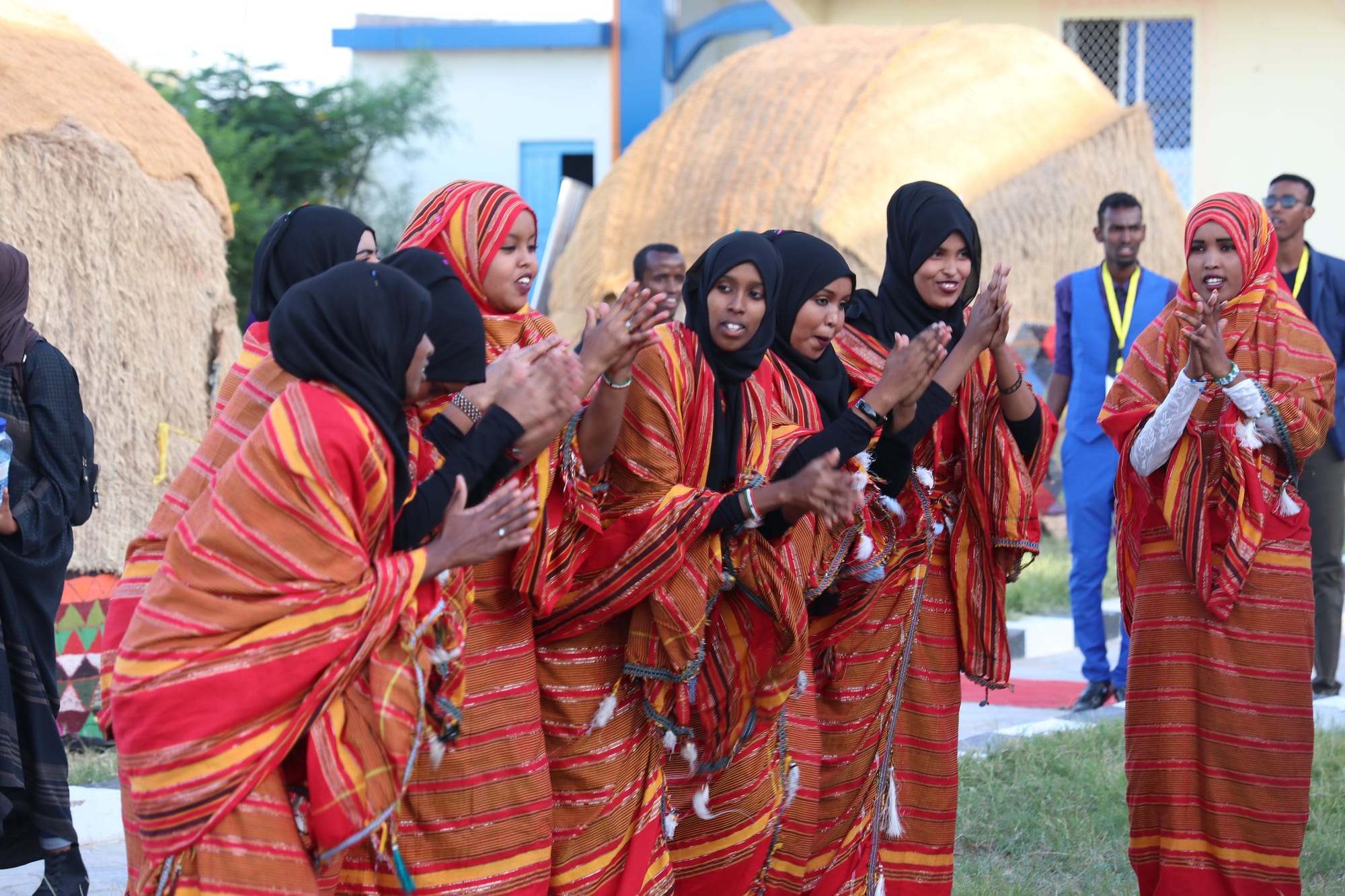
The subjects of poetry mirror the life it grew from. Camels, long the measure of a pastoral family's wealth, are a frequent theme, alongside love, war, clan and faith. Traditional dance, performed in bright striped cloth, draws on the same love of rhythm and language, and events showcasing Somali culture, such as university culture weeks, help keep the older dances alive for new generations.
Dos and don'ts for visitors
- Do check the latest government travel advice before any trip; most governments advise against all travel to Somalia because of terrorism, kidnapping and armed conflict.
- Do greet people with "As-salaamu alaykum", and as a man wait for a woman to offer her hand before shaking it.
- Do dress modestly, covering shoulders and knees; women are expected to cover their hair.
- Do use the right hand for eating, giving and receiving, and take food from the part of a shared platter directly in front.
- Do accept tea when it is offered, and expect offers to be politely declined once or twice before being accepted.
- Don't beckon with one finger or lavish praise on children and possessions; adding "Mashallah" to a compliment is customary.
- Don't raise clan, the civil war or Somaliland's status casually, as all are sensitive subjects.
- Don't use the word "Somalian"; "Somali" is correct for the people and the language.
What to take away
Somali culture rests on faith, lineage and a deep respect for the spoken word, and understanding the weight placed on honour, modesty and hospitality goes a long way towards understanding the country itself.