Daily Life · Somalia
Somalia: Cash by the Brick
A clan-structured society still organised as much around camels as around cash, a currency so devalued that street traders handle banknotes by the brick, and a country split between the relative calm of the self-governing north and ongoing conflict further south
By Worldlore Editorial · 30 September 2026
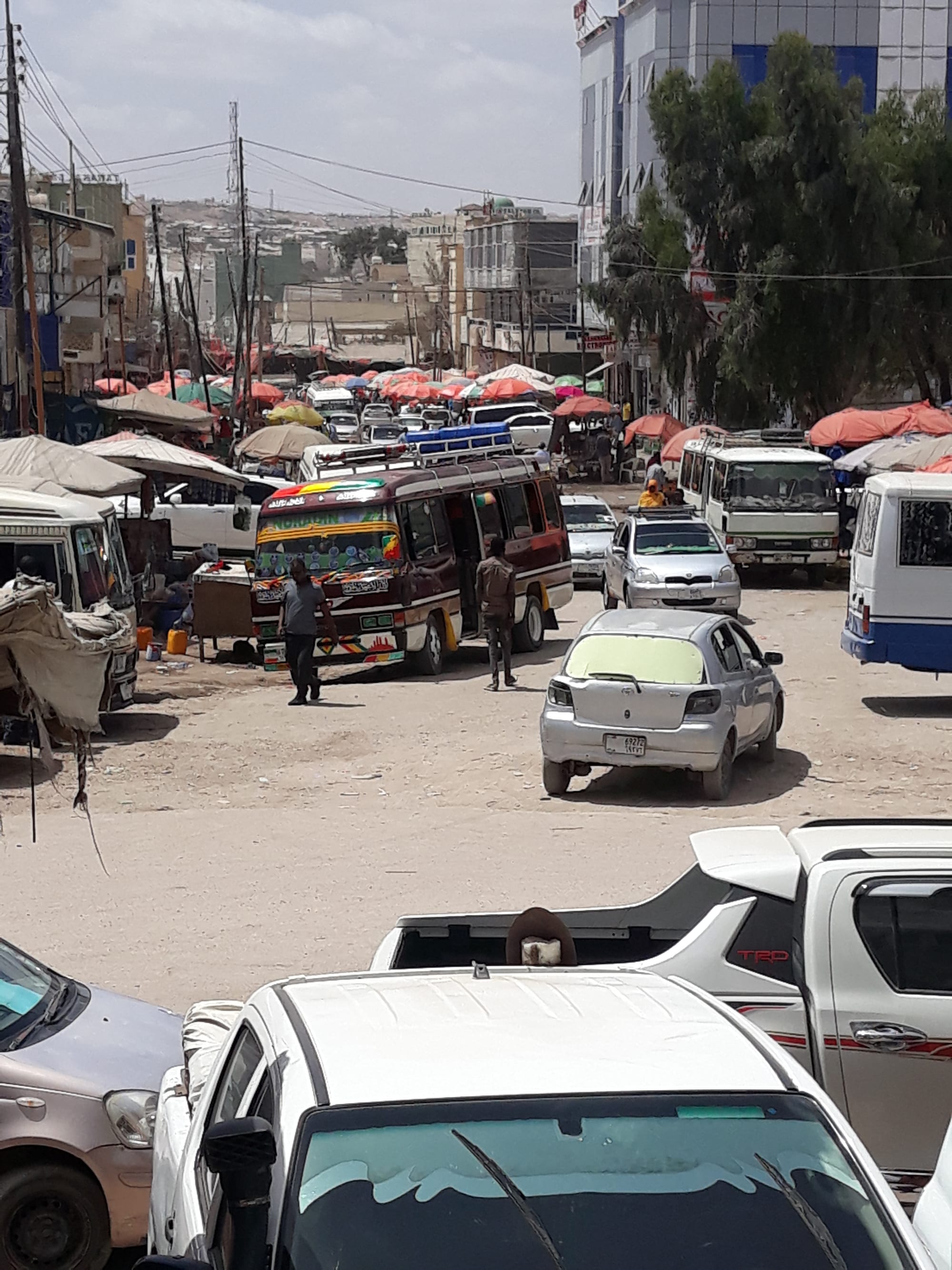
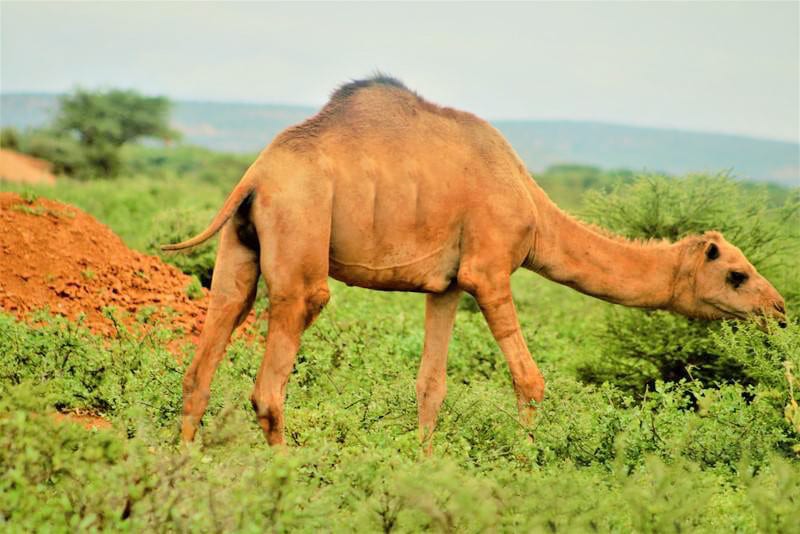
Daily life in Somalia is shaped by two forces that have nothing to do with the state: clan and camel. The qabiil, the genealogical clan system, still structures identity, marriage and dispute resolution more than any central government does, and pastoralism remains the backbone of the economy, with camels, goats and cattle moved in search of pasture by a large share of the population. Somalia has one of the largest camel populations of any country, and camel milk is a staple of pastoral households. Where the state is thin, private systems have filled the gap: money-transfer firms and mobile money move the country's cash, and remittances sent home by Somalis abroad are one of the pillars of the economy. Life also varies sharply by region: Hargeisa and the self-governing northwest are comparatively calm and function day to day much like other developing countries, while Mogadishu and much of the south remain shadowed by the al-Shabaab insurgency and repeated displacement.
Family and home life
The clan system organises far more of daily life than most outsiders expect, determining which family a person is born into, who they are likely to marry, and which network they can call on for support or protection. In pastoral households, family life moves with the herd, and children learn to manage livestock from a young age; in the riverine south and along the coast, families farm or fish instead. Remittances from relatives working abroad, chiefly in the Gulf, Europe and North America, are an ordinary part of many households' monthly income rather than a rare windfall, arriving mostly through hawala money-transfer offices and mobile money rather than a bank. Decades of drought and conflict have displaced millions of people, and camps of the internally displaced now ring Mogadishu and other cities. In 2026 the United Nations warned that about a third of the population faced a food crisis after severe drought and cuts in aid.
Work, school and the rhythm of the day
Most Somalis depend on livestock for their livelihood, and the pastoral day still runs on grazing, watering and moving herds rather than a fixed schedule, particularly in the vast interior. Schooling has never fully recovered from decades of conflict: a large share of Somali children are out of school, and many schools are run by communities, religious groups or aid organisations rather than the state. Somaliland has managed to keep markets, universities and local government running more consistently than the south, though poverty and unemployment remain high there too. For many Somali men, the working day ends with khat, a mild stimulant leaf grown in neighbouring countries, legal in Somalia and chewed through the afternoon, a habit that shapes social gatherings in many towns.
Community life and public spaces
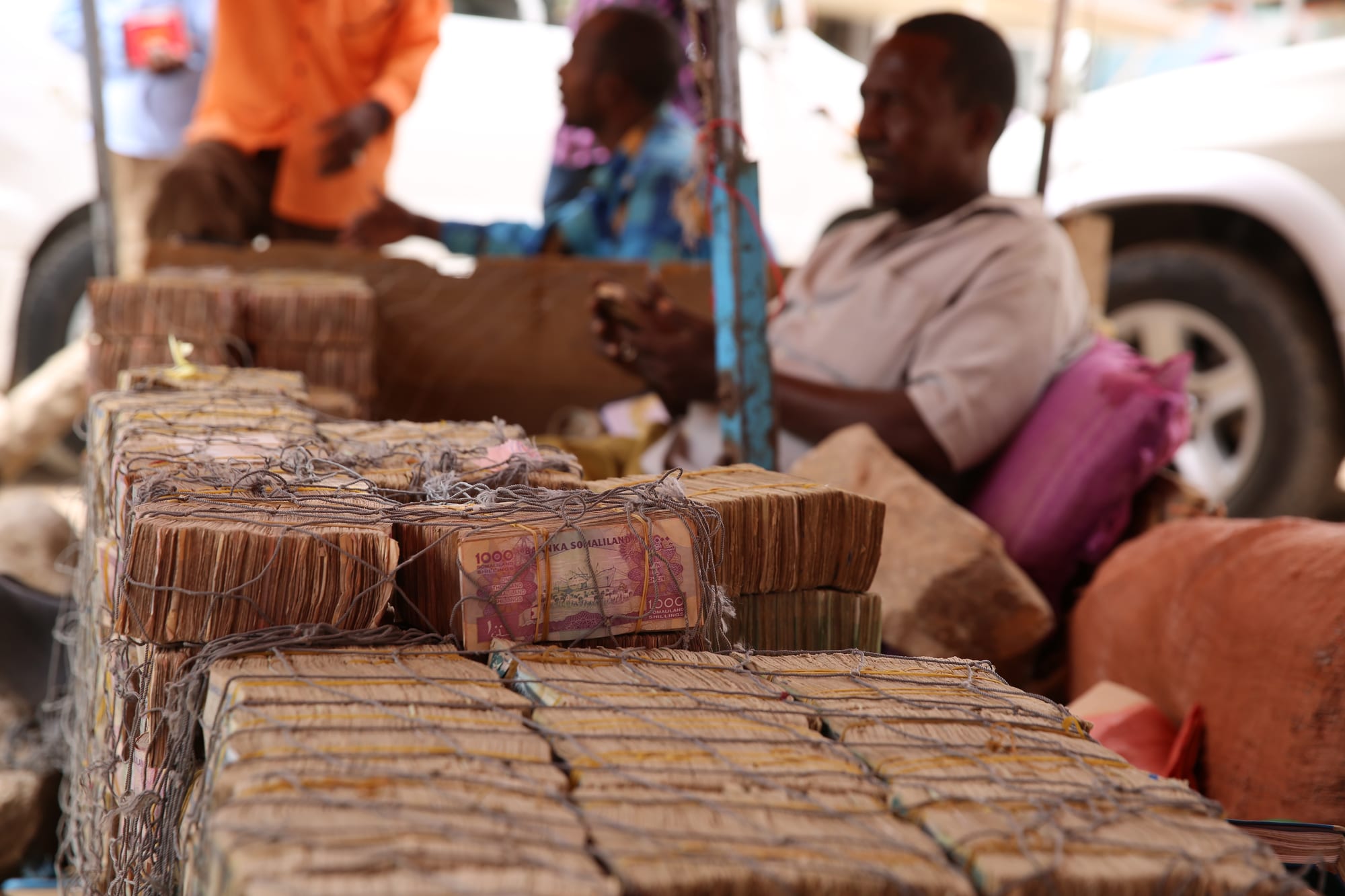
Markets are the backbone of public life in the towns: cloth, clothing and household-goods markets like Hargeisa's fill narrow lanes with stalls each day, while livestock markets handle the trading of camels, goats and cattle that much of the rural economy still runs on. Money itself is traded almost as a commodity: because the Somaliland shilling has so little value against the US dollar, street money-changers handle banknotes in large, string-tied bricks, reckoned by the stack rather than counted note by note. Mosques anchor neighbourhood life around the rhythm of daily prayer nationwide. In Mogadishu and other southern towns, security concerns shape public space more directly: checkpoints, periodic bombings and the risk of al-Shabaab attacks mean that crowded places carry real risk.
Free time and weekends
Friday, the Muslim day of communal prayer, anchors the week nationwide, with businesses slowing and families gathering afterwards. Football is the most popular sport, followed especially by young men, with a national league and cup. Oral poetry remains a prestige art form across Somali society, recited and closely followed, and Somalia has been called a nation of poets. In Somaliland, weekends bring family visits and, for those who can afford it, trips out to the coast.
A visitor's ordinary day
Much of the country runs on US dollar cash and mobile money rather than the Somali shilling (the northwest has its own Somaliland shilling), and mobile money is used by a large majority of people for everyday payments, even small ones. Most governments advise against travel to south-central Somalia entirely, and any visit there is realistically only possible with private security arranged in advance; the self-governing northwest is considerably calmer, but a mandatory armed police escort still accompanies foreign visitors outside Hargeisa. Somalia and Somaliland issue and require separate visas, so deciding which territory you are actually entering, and arranging the right paperwork and security for it, has to happen well before arrival rather than on the ground.
What to take away
What defines an ordinary day in Somalia is resilience organised outside the state: a clan system, a pastoral economy and a diaspora money network that between them keep households running in places government services mostly cannot reach, alongside a north-south divide in daily safety that shapes what "ordinary" actually means depending on where in the country you are.