Attractions & Natural Wonders · Somalia
Somalia: Five Attractions and Natural Wonders
Some of the oldest and best-preserved rock art in Africa, a long Indian Ocean coastline lined with white sand, and a self-declared republic that has charted a markedly calmer course than the rest of the country — described here for reference amid one of the world's most serious ongoing security situations
By Worldlore Editorial · 10 September 2026
A country of deep history and ongoing conflict
Somalia, on the Horn of Africa, holds some of the continent's oldest known rock art and a long, historically significant Indian Ocean coastline, but has also experienced more than three decades of civil conflict, weak central governance, and an ongoing insurgency by the militant group Al-Shabaab that continues to control or contest territory in parts of the country. The self-declared Republic of Somaliland, in the country's northwest, has functioned with markedly greater internal stability and its own government since declaring independence in 1991, though it remains internationally unrecognised as a separate state.
The five sights below are described for reference and cultural context, not as a current travel recommendation — read the note at the end before treating any of this as a travel plan.
1. Laas Geel
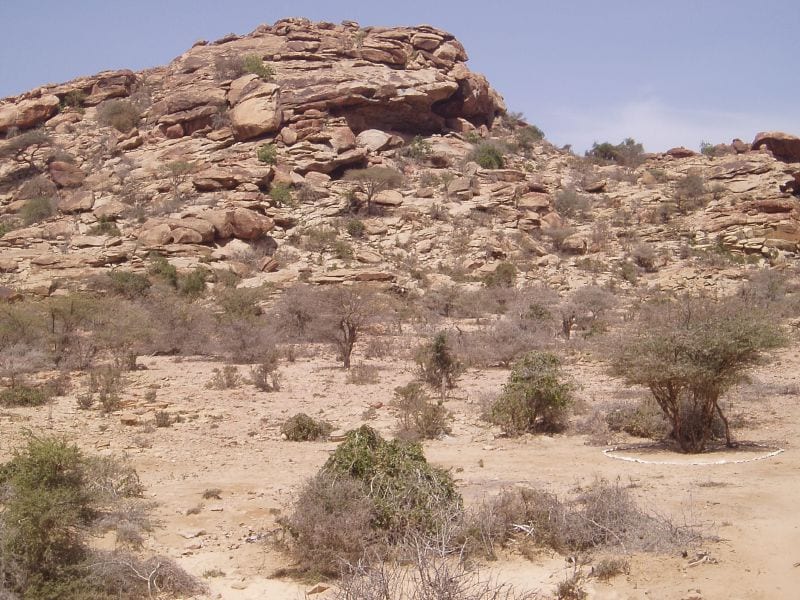
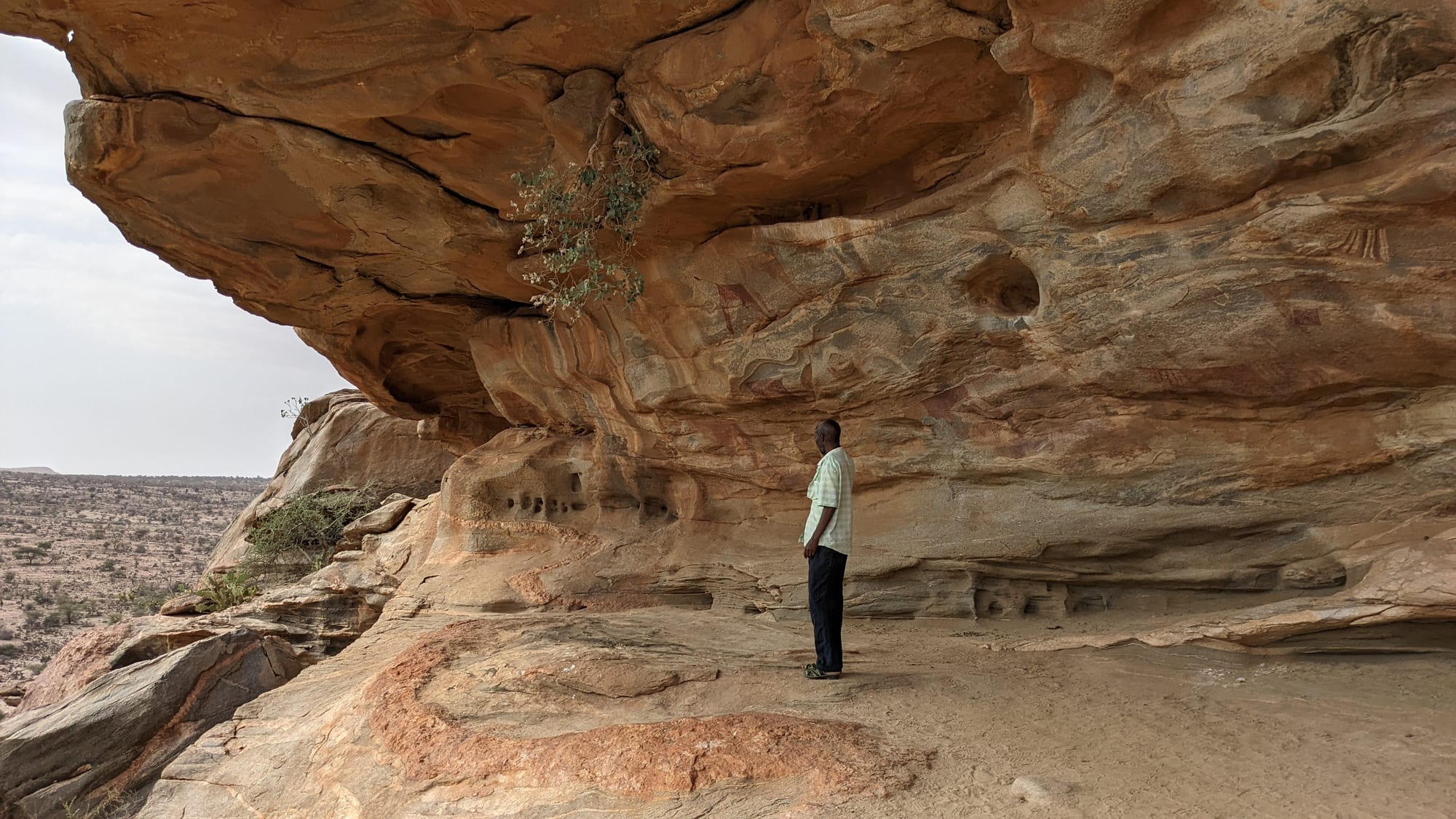
Laas Geel, in Somaliland near Hargeisa, holds some of the best-preserved and oldest rock art in Africa, estimated to be at least 5,000 years old — vivid paintings of cattle in ceremonial dress, along with humans and other animals, discovered by a French archaeological team only in 2002. It remains a candidate for UNESCO World Heritage status and one of the region's most significant and least-known archaeological sites.
2. Mogadishu
Mogadishu, Somalia's capital, was once celebrated as one of the most beautiful cities on the Indian Ocean coast, with Italian colonial architecture and a historic old town reflecting centuries as a trading port linking Africa, Arabia, and beyond. Decades of conflict have left much of that architectural heritage damaged or destroyed, though the city continues to function as the country's political and commercial centre under significant ongoing security constraints.
3. Liido Beach
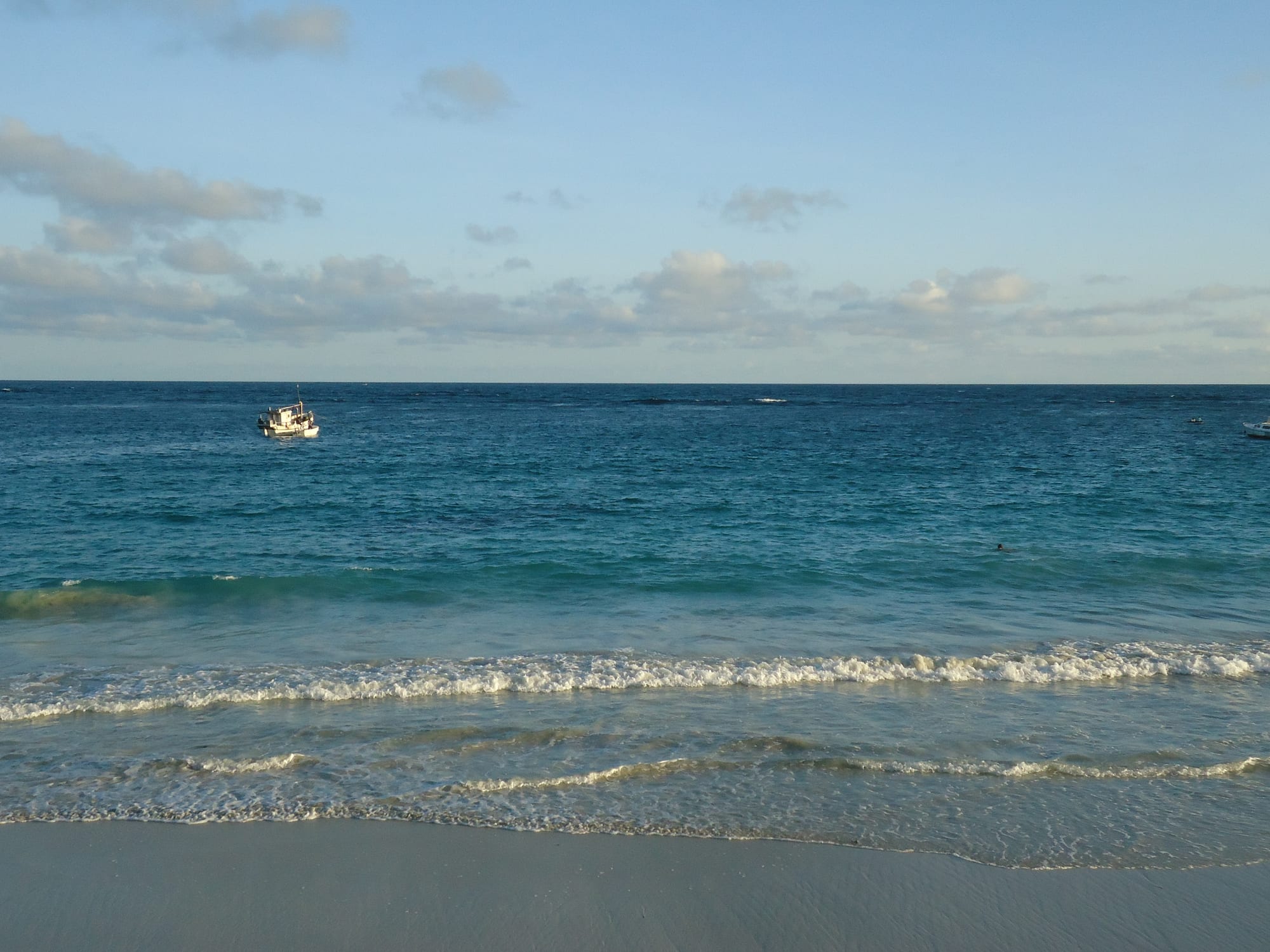
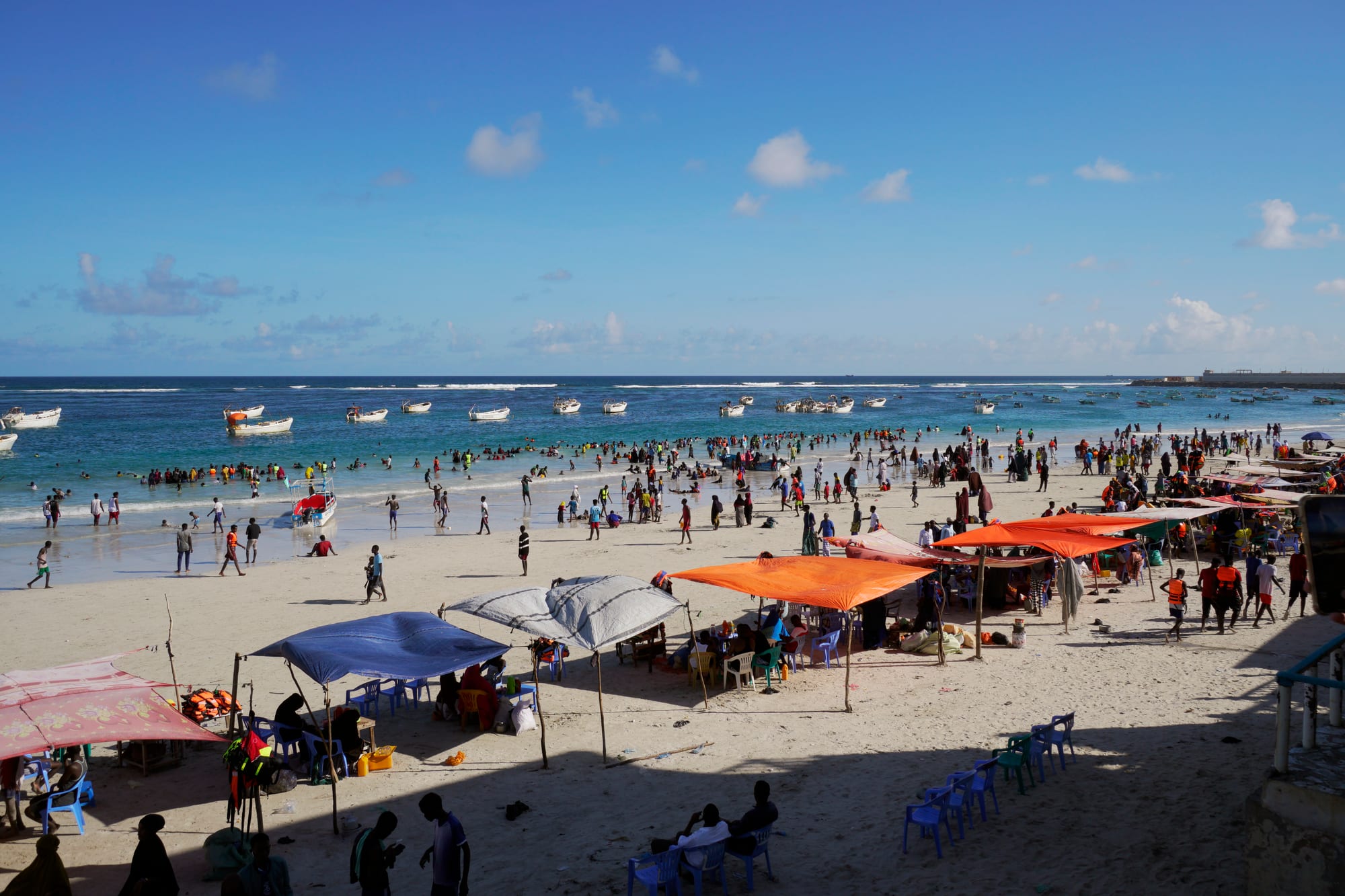
Liido Beach, on Mogadishu's Indian Ocean shoreline, remains a genuinely popular gathering spot for local residents despite the security situation in the wider city, its white sand and turquoise water a reminder of the coastline's natural appeal beneath the surface of the country's ongoing difficulties.
4. Berbera
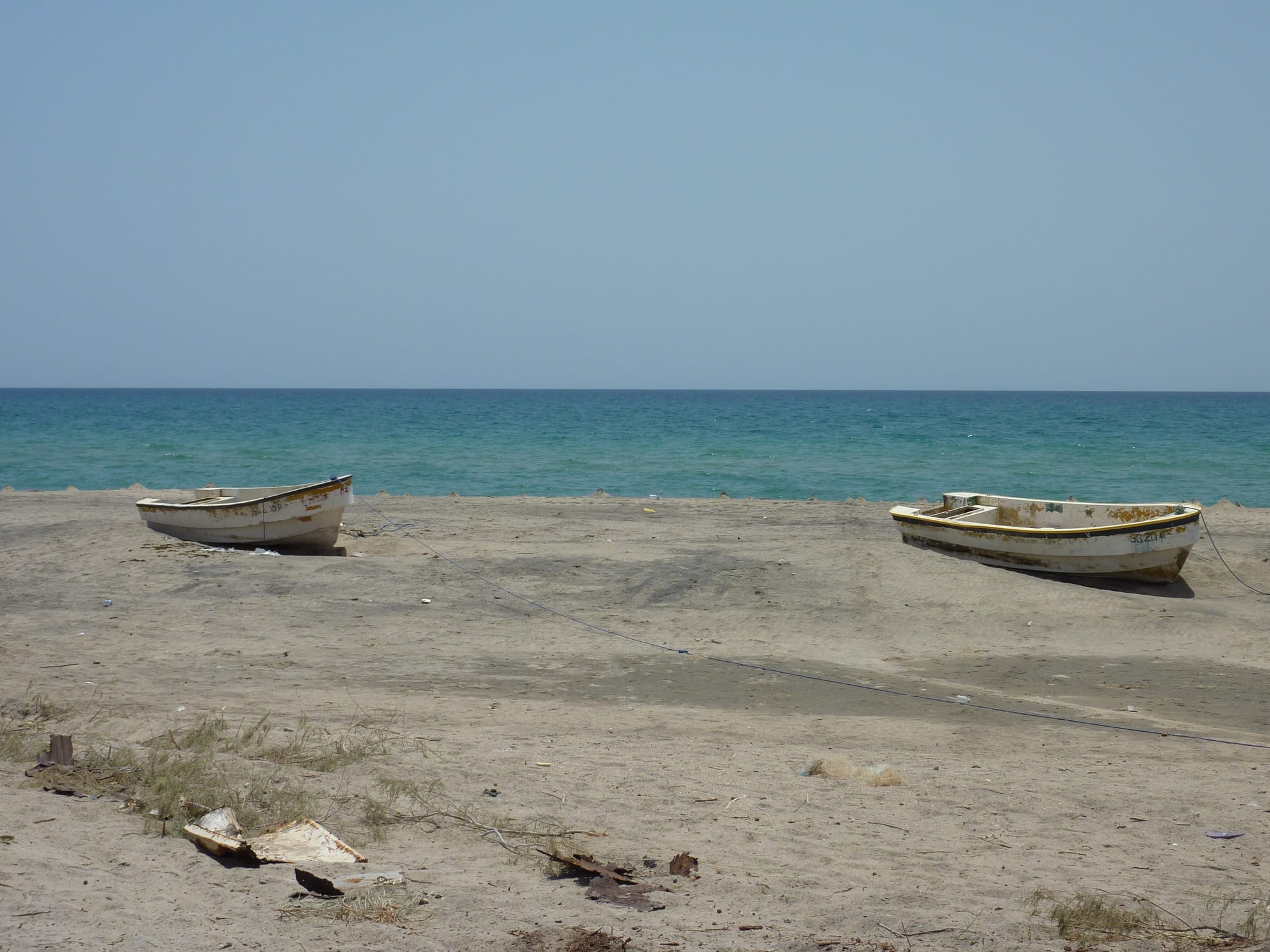
Berbera, Somaliland's main port on the Gulf of Aden, has a long history as a trading post linking the Horn of Africa with Arabia and beyond, and retains faded Ottoman and colonial-era architecture alongside long stretches of undeveloped beach. Its relative calm compared with much of Somalia proper has allowed a small amount of tourism infrastructure to develop.
5. Hargeisa
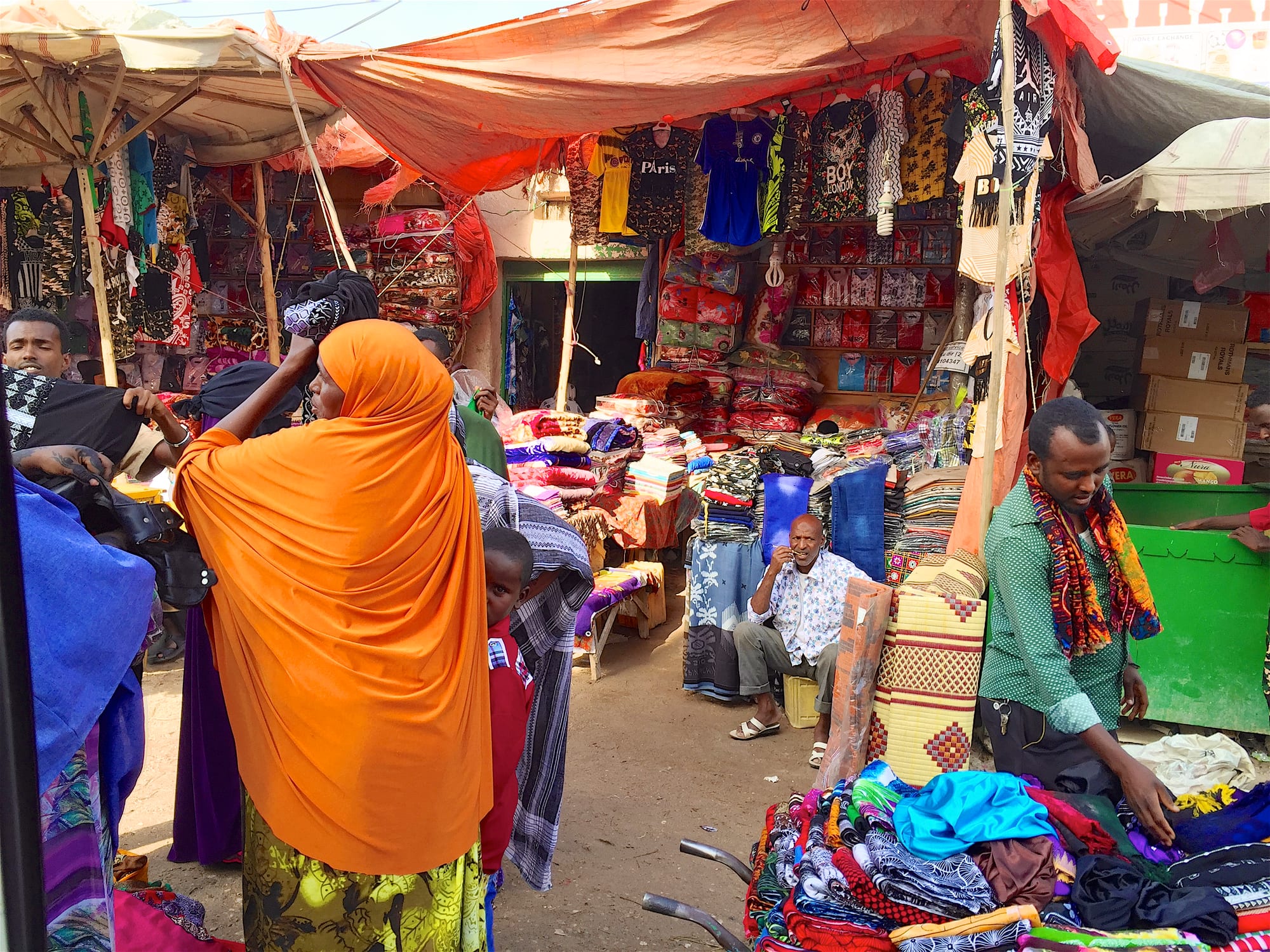
Hargeisa, the capital of Somaliland, functions as the administrative and commercial centre of a territory that has maintained its own government, currency, and passport since 1991, despite lacking international recognition as an independent state. It offers a markedly calmer entry point into the wider Somali cultural region than Mogadishu, including access to Laas Geel, though it remains subject to its own distinct travel considerations.
Before you go: a serious note
Most of Somalia remains subject to a do-not-travel advisory from Western governments, citing the ongoing threat from Al-Shabaab (which continues to carry out attacks including in Mogadishu), the risk of kidnapping, and the extremely limited capacity for consular assistance given weak central governance across large parts of the country. Somaliland, while considerably calmer and host to a small amount of tourism (including guided visits to Laas Geel), is not internationally recognised as a separate country and still carries its own specific advisories and access requirements. This article describes sites of genuine historical and cultural significance for reference; any actual travel decision should rest on current, detailed government advice and specialist local guidance, not on the description here.