Food · Solomon Islands
Solomon Islands: Food and the National Dish
Root vegetables, fish and coconut, the everyday staples of a scattered Pacific nation better documented for its wartime history than its cooking
By Worldlore Editorial · 16 September 2026
An island nation with no single dish to call its own
The Solomon Islands, an archipelago of hundreds of islands in the southwestern Pacific, has no confidently documented single national dish. This article describes what is genuinely eaten rather than inventing a signature plate the country doesn't claim.
Root vegetables, fish and coconut: the everyday plate
Root vegetables including taro, sweet potato and cassava, fresh fish caught locally, and coconut in milk and grated form anchor most everyday Solomon Islander cooking, a pattern shared broadly across Melanesian Pacific nations. Traditional feast cooking uses an earth oven method similar to the umu found elsewhere in the Pacific, wrapping food in leaves and cooking it over heated stones for community gatherings.
Dishes to know
What is genuinely eaten across the Solomon Islands:
- Taro and cassava — boiled or roasted root vegetables, the true
everyday staples nationwide.
- Fresh fish — caught locally and a genuine daily protein source
given the country's extensive coastline.
- Coconut-based dishes — fish or vegetables cooked in coconut milk, a
common preparation method.
- Earth-oven feasts — root vegetables, fish and meat cooked together
in heated stones wrapped in leaves, prepared for community gatherings.
Eating as a traveller
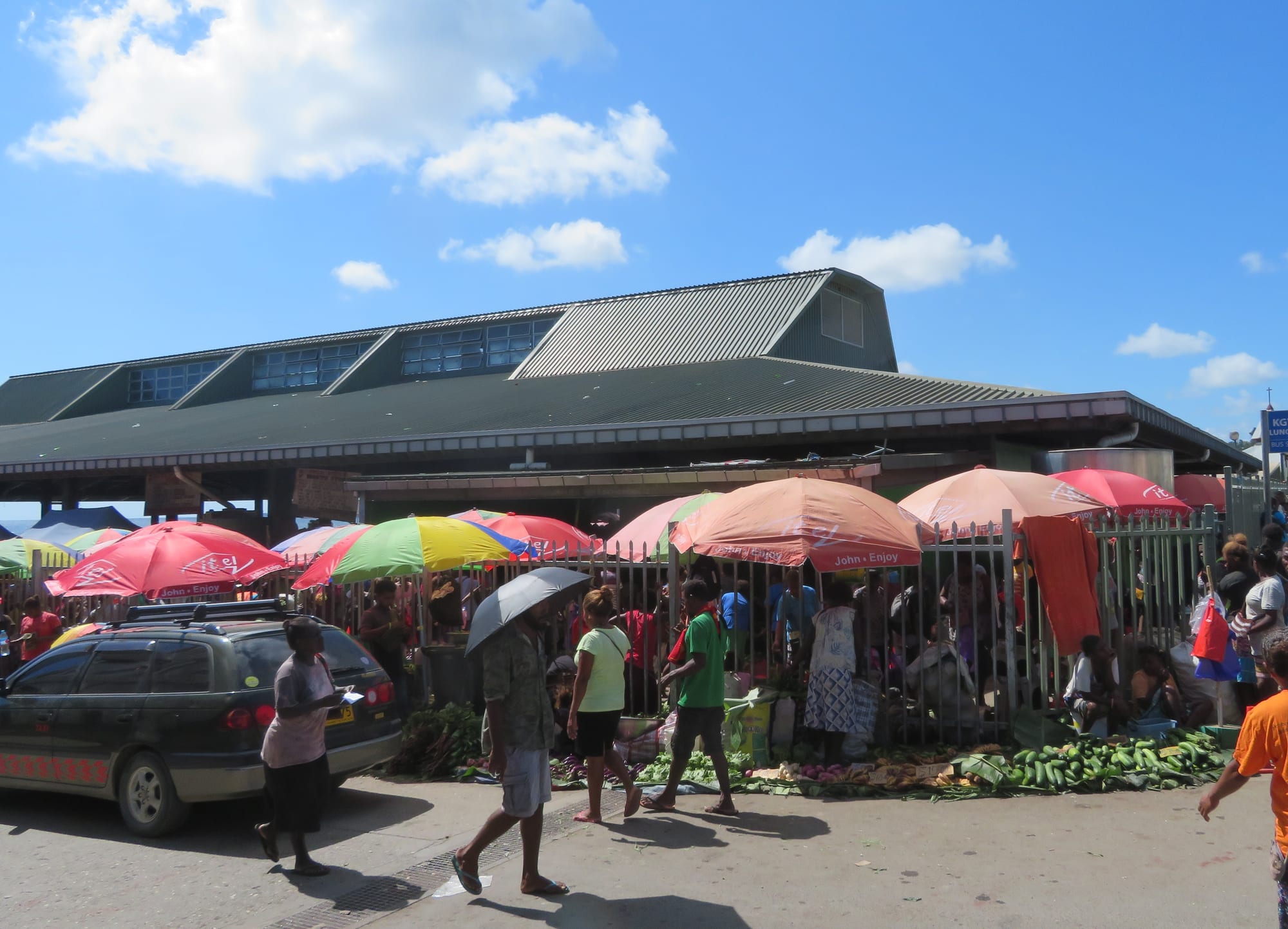
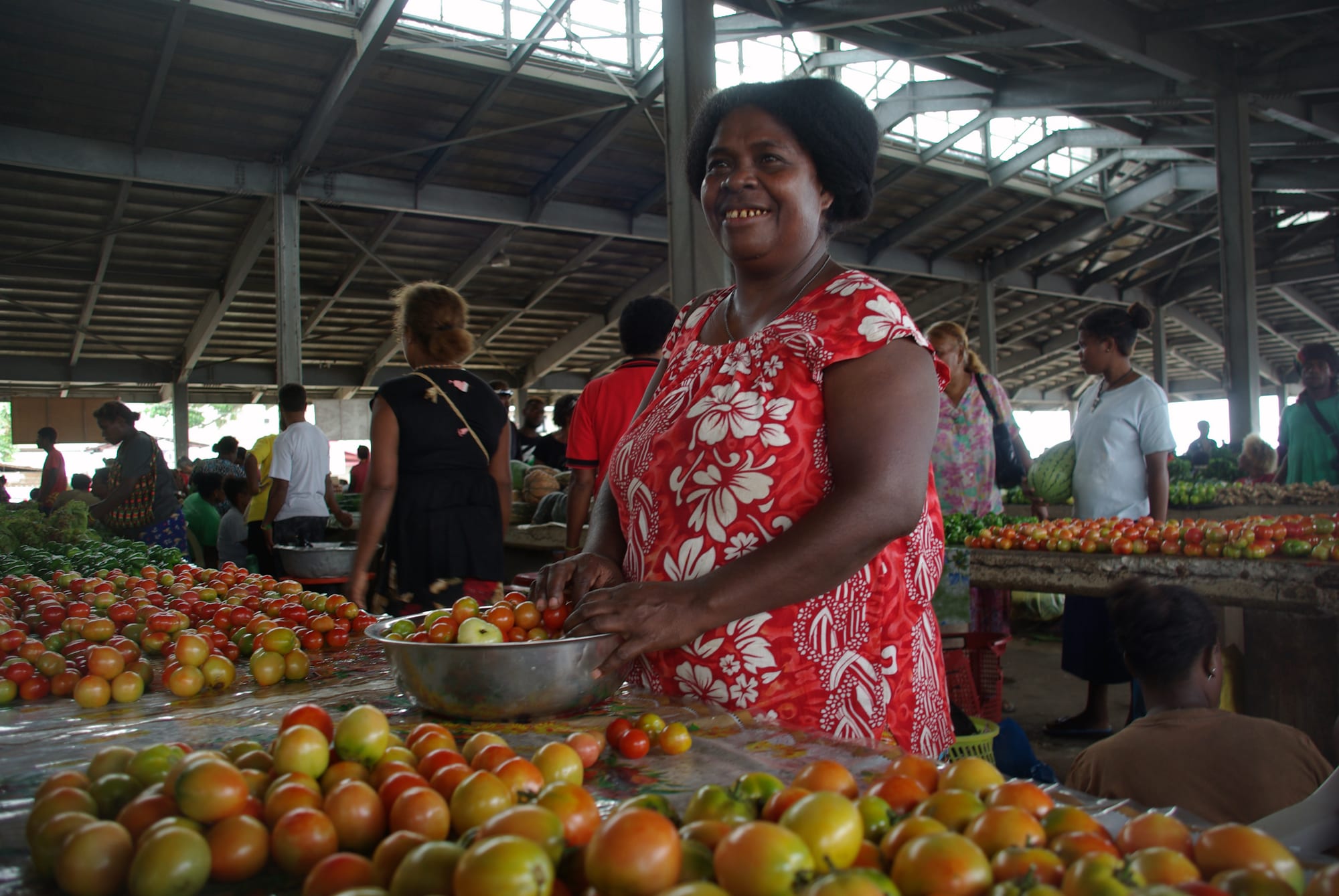
Vegetarians will find root vegetable and coconut-based dishes manageable, though fish is central to most everyday cooking. Tap water is not reliably safe outside Honiara's larger hotels; bottled water is the safer default. Visiting Honiara's Central Market offers a genuine look at the produce and fish that shape most Solomon Islander household cooking.
What to take from the table
Root vegetables, fish and coconut, cooked simply and shared at community feasts, are the true everyday picture of Solomon Islands food, a quieter, less internationally documented cuisine than the country's wartime history might suggest.