Attractions & Natural Wonders · Solomon Islands
Solomon Islands: Five Attractions and Natural Wonders
One of the largest lagoons on earth ringed by hundreds of islands, WWII wrecks still resting where they sank during one of the Pacific War's most decisive campaigns, and villages that welcome visitors with ceremony rooted in centuries of tradition
By Worldlore Editorial · 10 September 2026
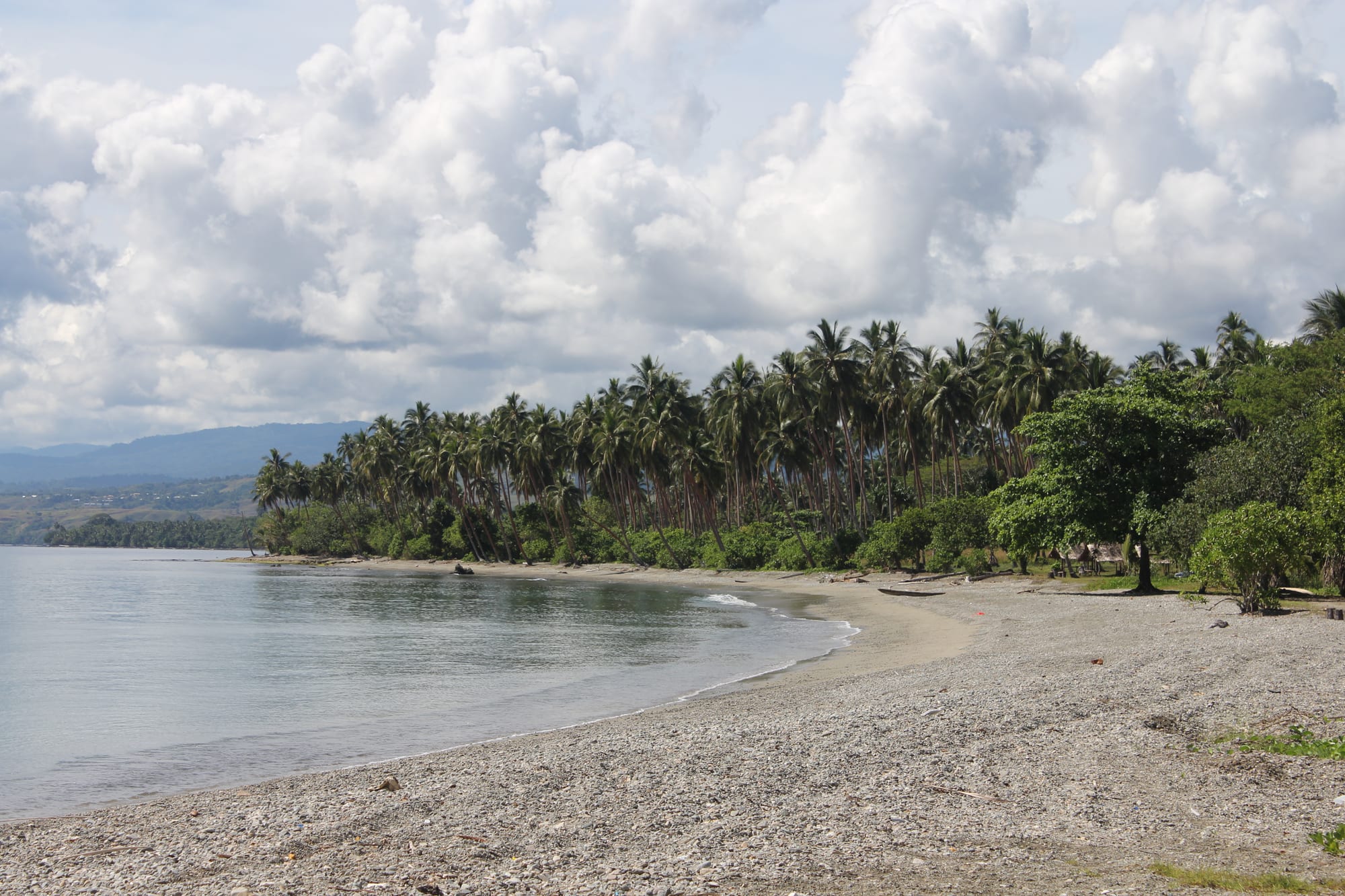
Nearly a thousand islands scattered across the Pacific
The Solomon Islands, an archipelago of nearly a thousand islands east of Papua New Guinea, holds enormous cultural diversity (over 70 languages spoken across a population of around 700,000) alongside some of the most significant World War II battle sites in the Pacific — Guadalcanal, in particular, saw a brutal six-month campaign in 1942–43 that marked a turning point in the war. The islands remain relatively undeveloped for tourism, drawing mainly divers and travellers seeking a genuinely off-the- beaten-path Pacific destination.
The five below run from the capital, Honiara, to the lagoons of the New Georgia group. The dry season (roughly April to November) is generally the most comfortable time to visit.
1. Marovo Lagoon
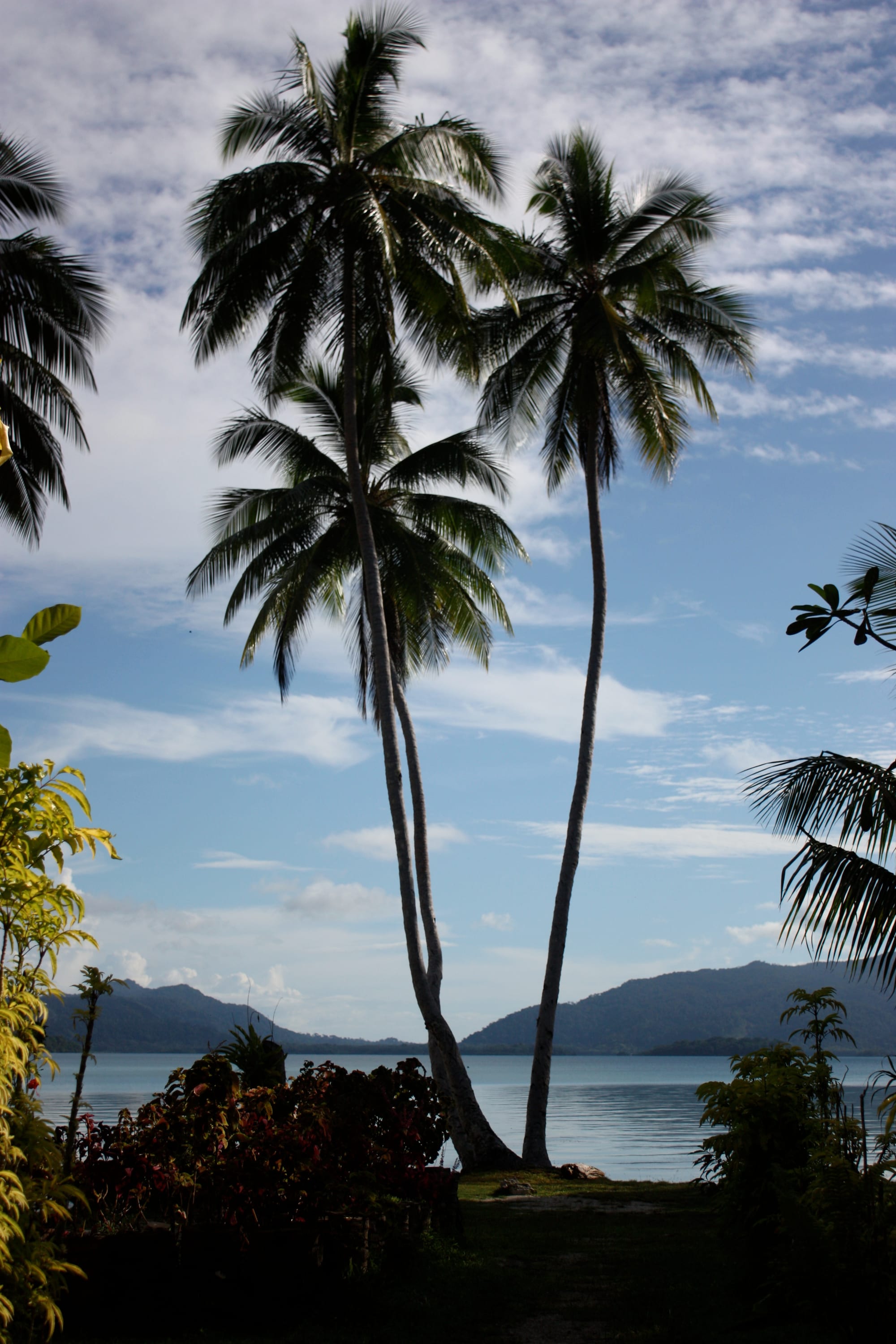
Marovo Lagoon, one of the largest saltwater lagoons in the world, is ringed by hundreds of small islands and fringed by extensive coral reef, largely undived and undeveloped compared with better-known Pacific diving destinations. Traditional stilt villages and small-scale ecotourism lodges around the lagoon offer one of the more authentic ways to experience Solomon Islands life away from the capital.
2. Honiara
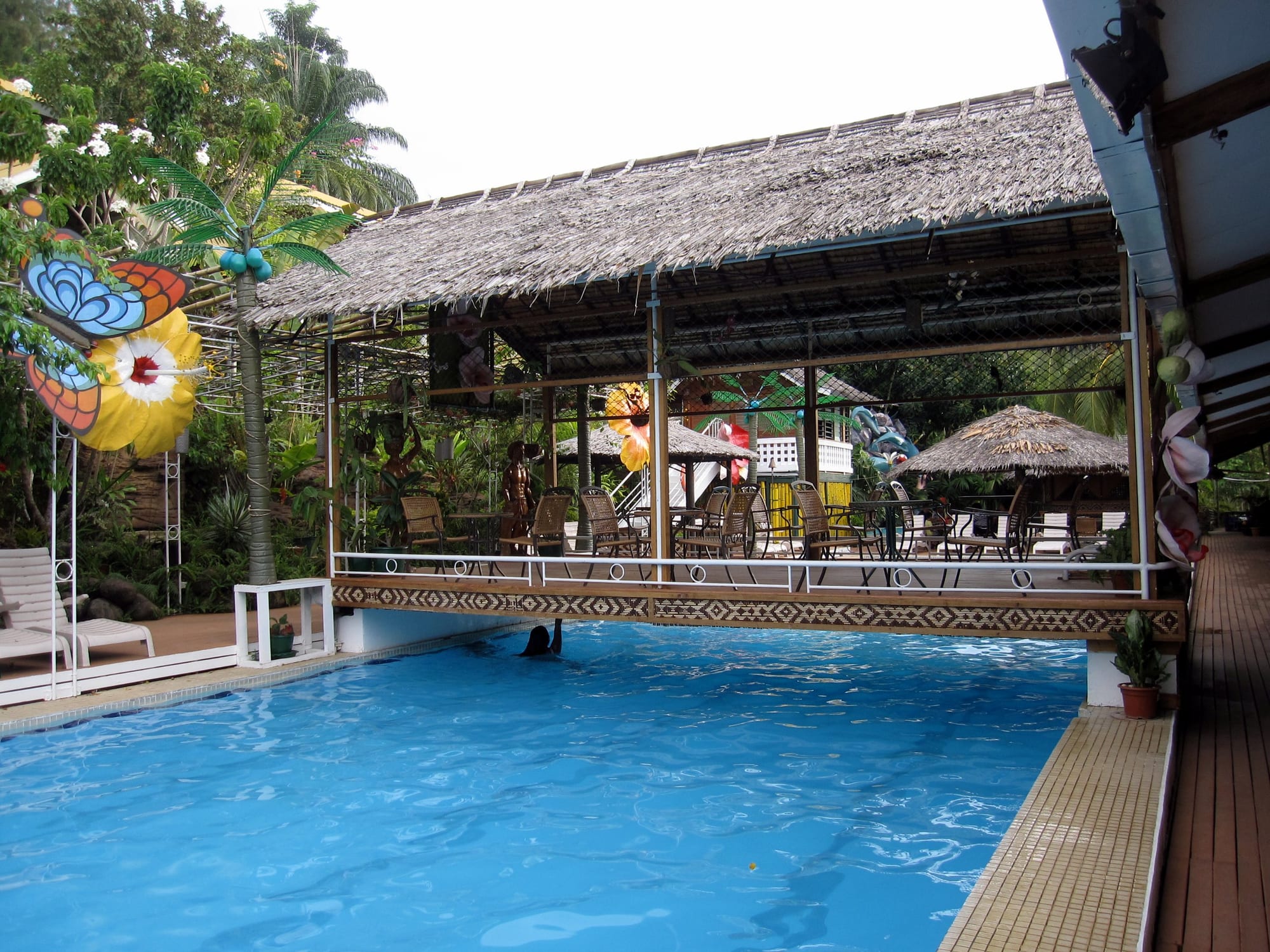
Honiara, the national capital on Guadalcanal, remains a modest, low-rise town that serves mainly as the practical gateway for onward travel to the rest of the archipelago, holding the national museum and central market alongside the country's main port and airport.
3. The Guadalcanal WWII battle sites
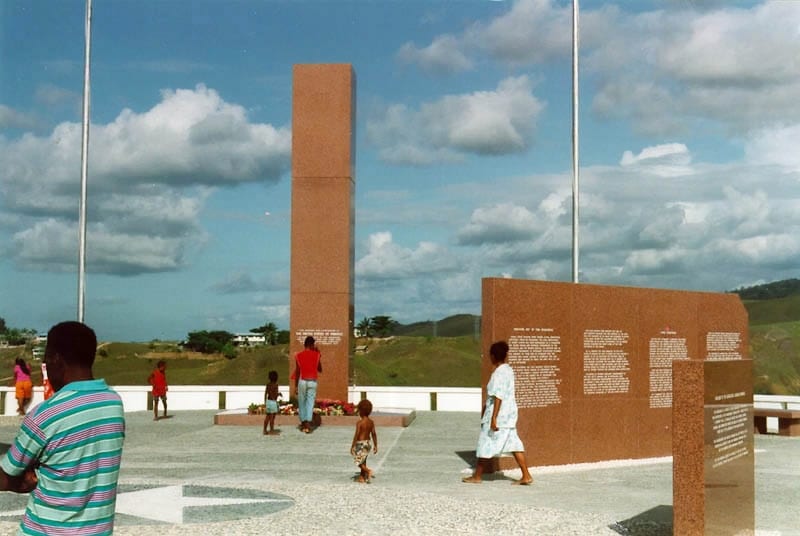
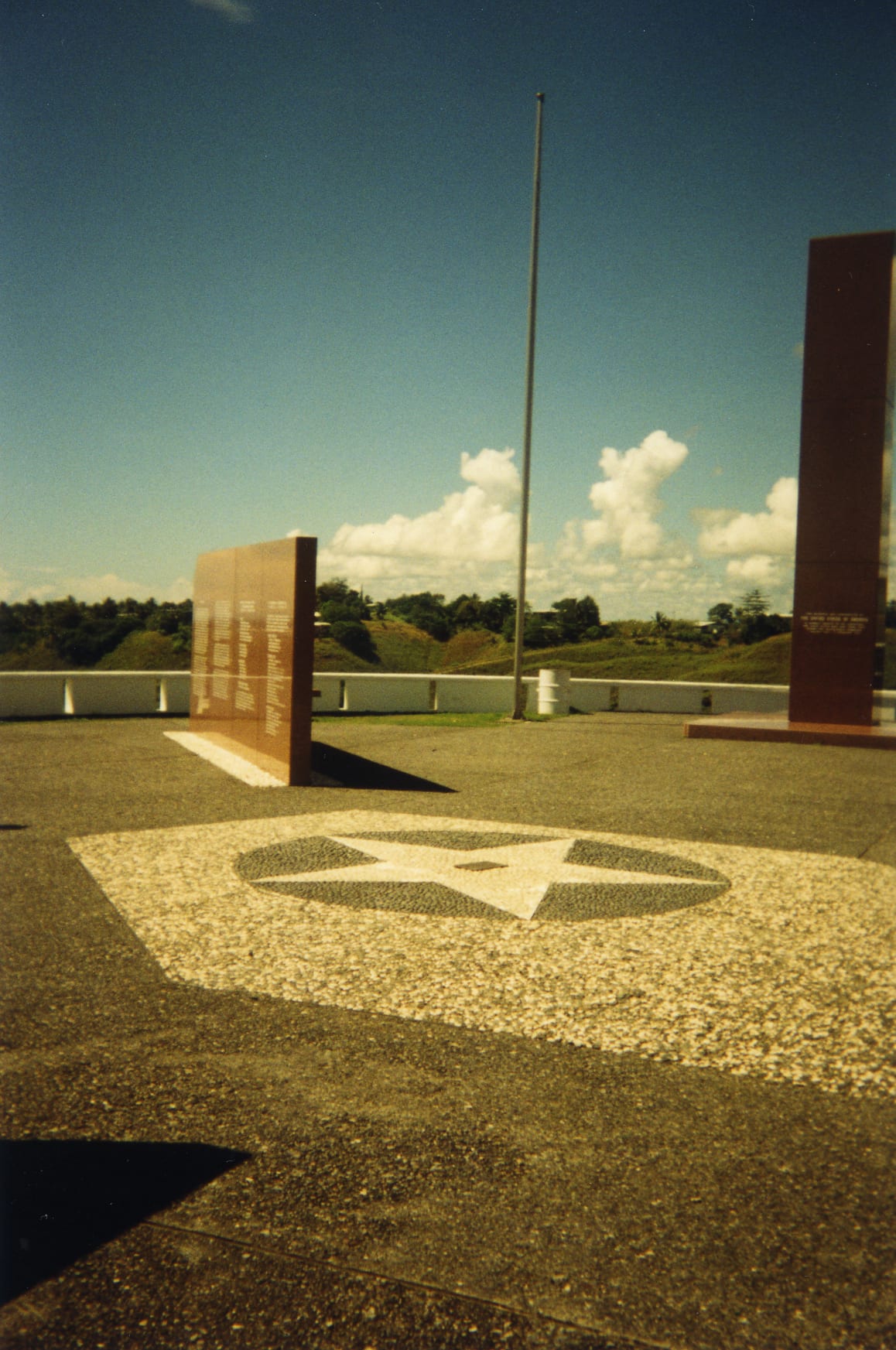
Guadalcanal was the site of one of the most pivotal and costly campaigns of the Pacific War, a six-month battle in 1942–43 between US and Japanese forces that marked the first major Allied offensive against Japan and a turning point in the wider war. The American Memorial overlooking Honiara, along with numerous wreck sites both on land and in the surrounding waters (part of what is nicknamed "Iron Bottom Sound" for the number of ships sunk there), preserve this history in detail.
4. Traditional village welcomes
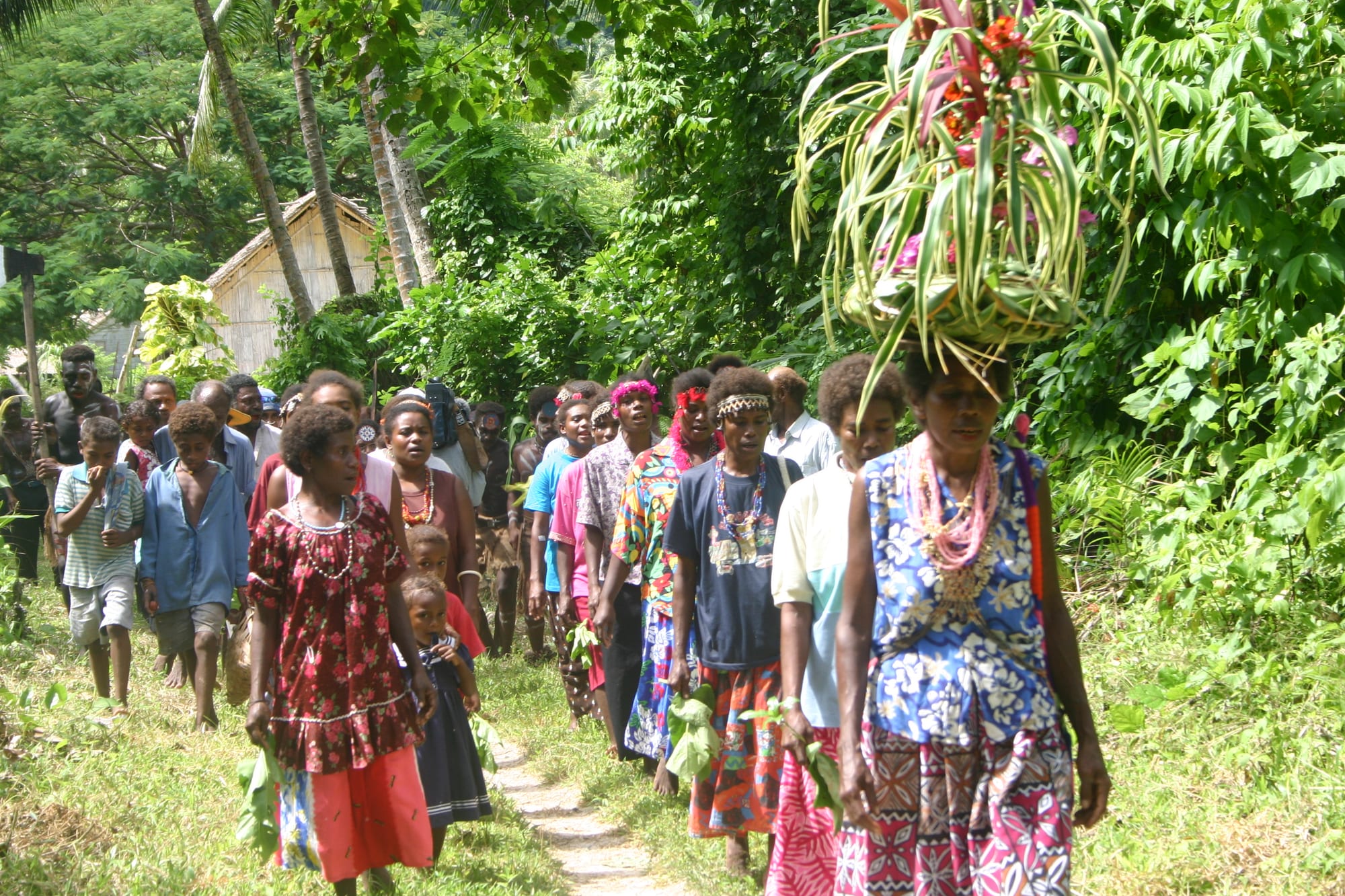
Many Solomon Islands communities maintain traditional welcome ceremonies for visitors, including choreographed warrior displays passed down through generations — a living cultural practice rather than a performance staged purely for tourists, reflecting the strength of custom (kastom) that remains central to community life across the islands' many distinct cultures.
5. Iron Bottom Sound diving
The waters around Guadalcanal, nicknamed Iron Bottom Sound for the dozens of warships and aircraft sunk here during the WWII campaign, offer some of the most significant wreck diving in the Pacific, drawing specialist divers from around the world to sites that remain largely undisturbed since the 1940s.
The Solomon Islands suit travellers seeking a genuinely remote Pacific destination: a trip combining Honiara's WWII history with time in the Marovo Lagoon or New Georgia group typically requires internal flights and careful planning, given limited infrastructure between islands.