Daily Life · Solomon Islands
Solomon Islands: A Country Held Together by Wantok
Village life built around the garden, the reef and a clan network that shares everything, a capital that pulls in young people faster than it can house them, and coastlines already being redrawn by a rising sea
By Worldlore Editorial · 30 September 2026
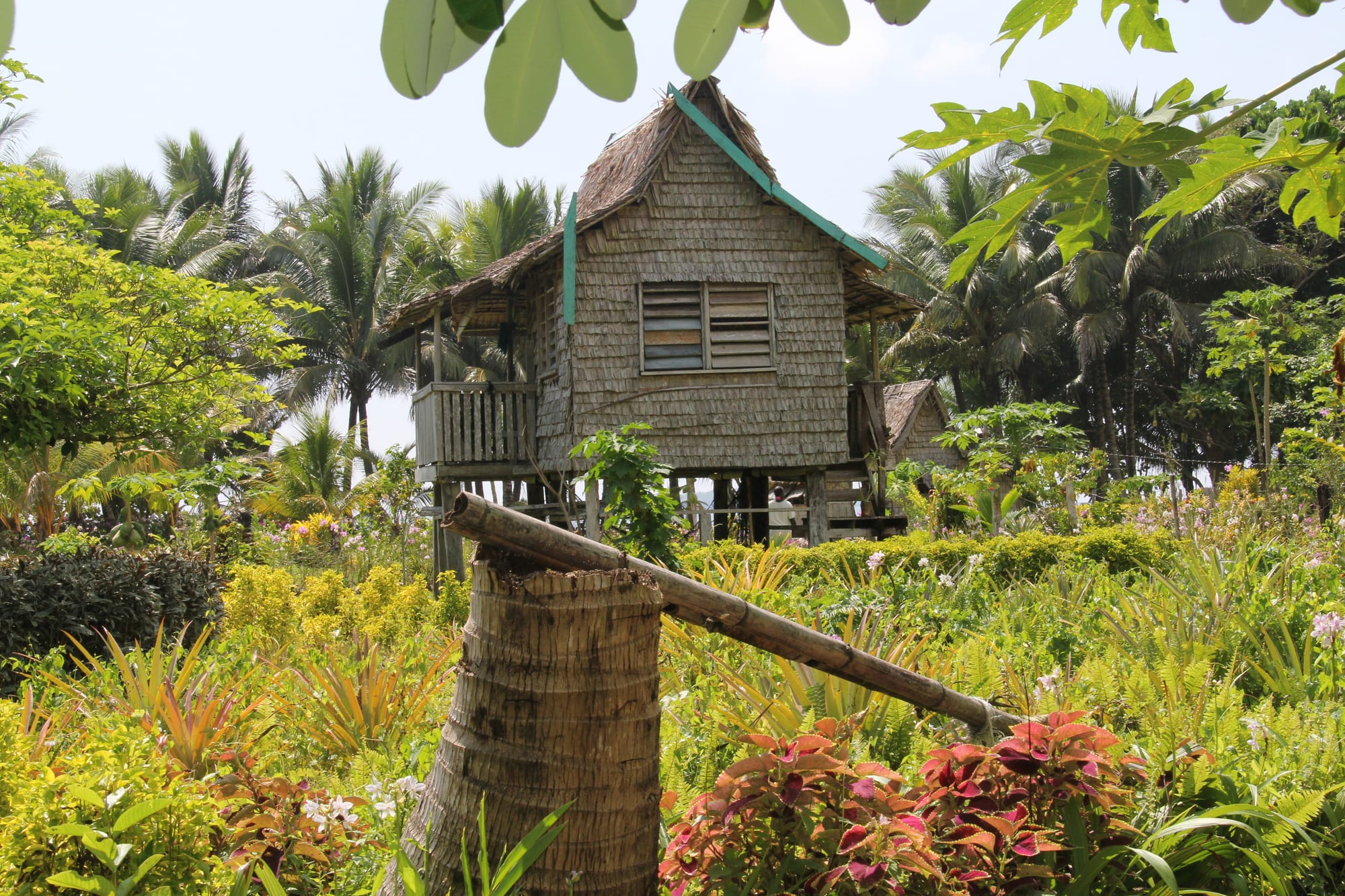
Across the six main islands and more than a thousand smaller ones of the Solomons, an ordinary day is still mostly a village day: more than three-quarters of the workforce lives by gardening root crops, fishing the reef and selling what's left over, rather than working a fixed job in a town. Honiara, the only real city, is the exception that pulls in a steady stream of young people looking for school places and paid work, straining a capital that was never built for its current size. Underneath all of it runs the wantok system, from the Pijin for "one talk", a network of shared language, clan and kinship that carries real, everyday obligations of mutual support, and land itself is mostly held not by the state but by the clans who have always lived on it.
Family and home life
Most households are part of a wider wantok network that extends well beyond parents and children, and in villages, extended family often lives together or close by, sharing garden land, labour and the catch from a day's fishing. Houses in coastal and village areas are commonly built on stilts, raised for airflow and to manage flooding, with woven palm-leaf walls and thatched roofs, though corrugated iron has become common for roofing where it can be afforded. Moving to Honiara for work or school tends to stretch the wantok network rather than break it: a relative newly arrived in the city can usually expect to be taken in by kin already there, in exchange for the same obligation extended back to the village when needed.
Work, school and the rhythm of the day
Daily work for most of the population follows the garden and the tide rather than a clock: tending taro, yams and other food crops, fishing the reef, and preparing copra, cocoa or produce to sell. Honiara runs to a more conventional working day, but the cash economy nationally leans heavily on logging, much of it foreign-run and widely regarded as unsustainable, along with fishing, palm oil and gold mining. Electricity and paved roads remain limited outside the capital, and a very young, fast-growing population means schools and jobs in Honiara are under constant pressure to keep up with the numbers arriving from the islands.
Community life and public spaces
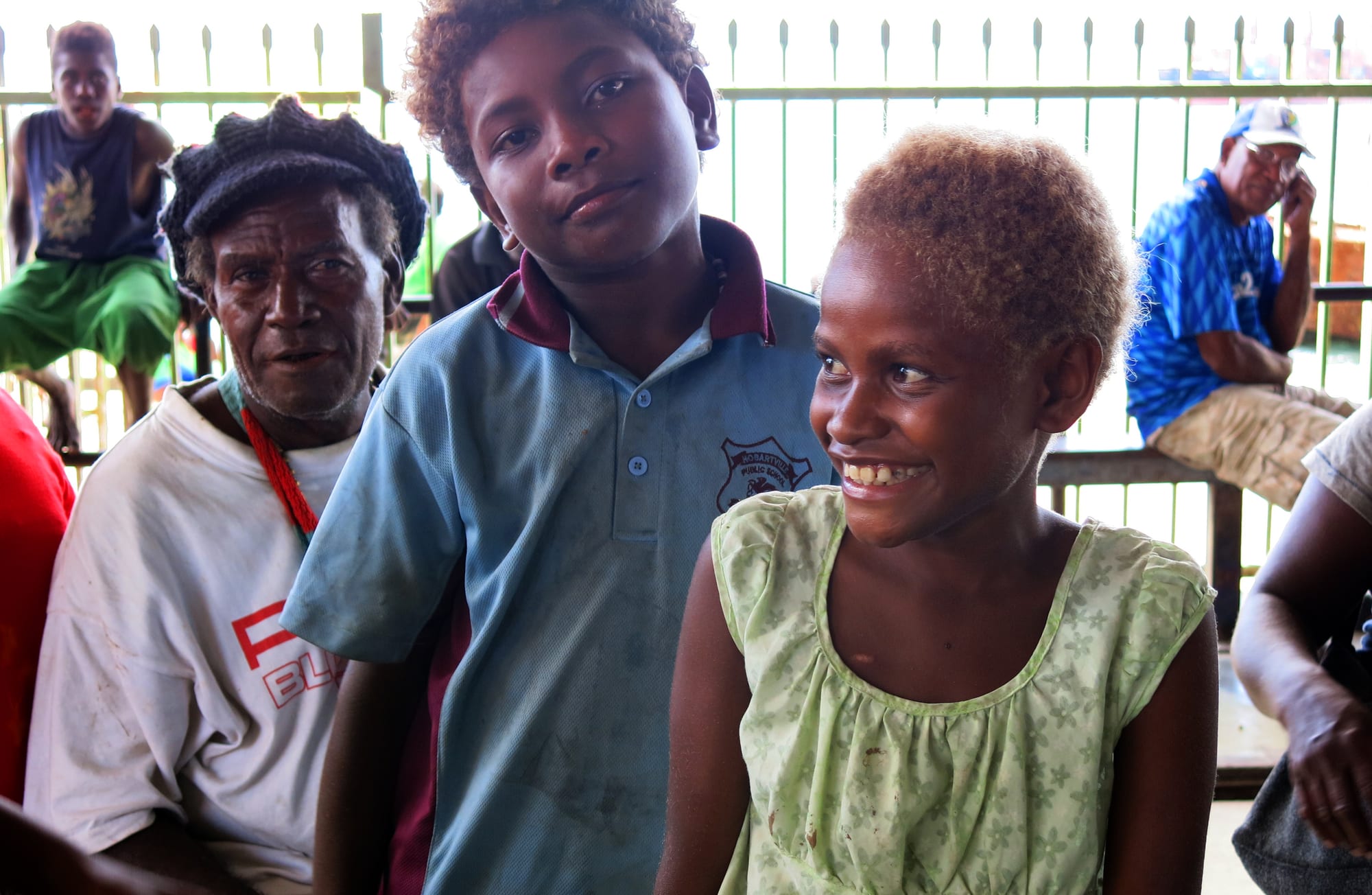
Honiara Central Market is the country's real public square: around a thousand vendors, roughly four in five of them women, sell fish, garden produce, crafts and shell money at a market built with its own boat ramp so fishermen can carry their catch straight in from Iron Bottom Sound. Away from Honiara, village markets and church gatherings do the same job on a smaller scale, and with almost no roads linking most islands, travel between them means a small plane, an inter-island ferry, a copra boat, or an open outboard-powered "banana boat" rather than a road trip.

Free time and weekends
Church life shapes much of the weekly calendar for most Solomon Islanders, alongside family and village gatherings that fill whatever time gardening and fishing leave over. Betel nut, chewed with lime and a pepper leaf, is an everyday social habit, widely shared and sold in small quantities. Reef swimming and fishing double as both recreation and food-gathering on any given day.
A visitor's ordinary day
The Solomon Islands dollar is the currency, and outside Honiara this is a cash economy with almost no cards accepted and ATMs limited to a handful of provincial centres, so carrying enough cash for an entire trip once you leave the capital is standard practice. Getting between island groups means booking a small domestic flight or a boat, both of which run on limited schedules and are routinely delayed or cancelled by weather, so building slack into any itinerary matters more here than in most countries. Most land, beaches and reefs are held under customary ownership by local clans rather than the state, a legal reality that shapes access to almost every beach, trail or fishing ground outside a handful of public spots in Honiara.
What to take away
What defines an ordinary day in the Solomon Islands is a life still lived close to the garden, the reef and the wantok network that supports it, even as a rising sea is already forcing some of those villages to move to new ground.