History · Slovenia
Slovenia: The Sunny Side of the Alps
A small Slavic nation held for a thousand years by Austria and Venice — the first republic to break from Yugoslavia, in a ten-day war, and the first ex-communist country to adopt the euro
By Worldlore Editorial · 10 September 2026
A small nation between worlds
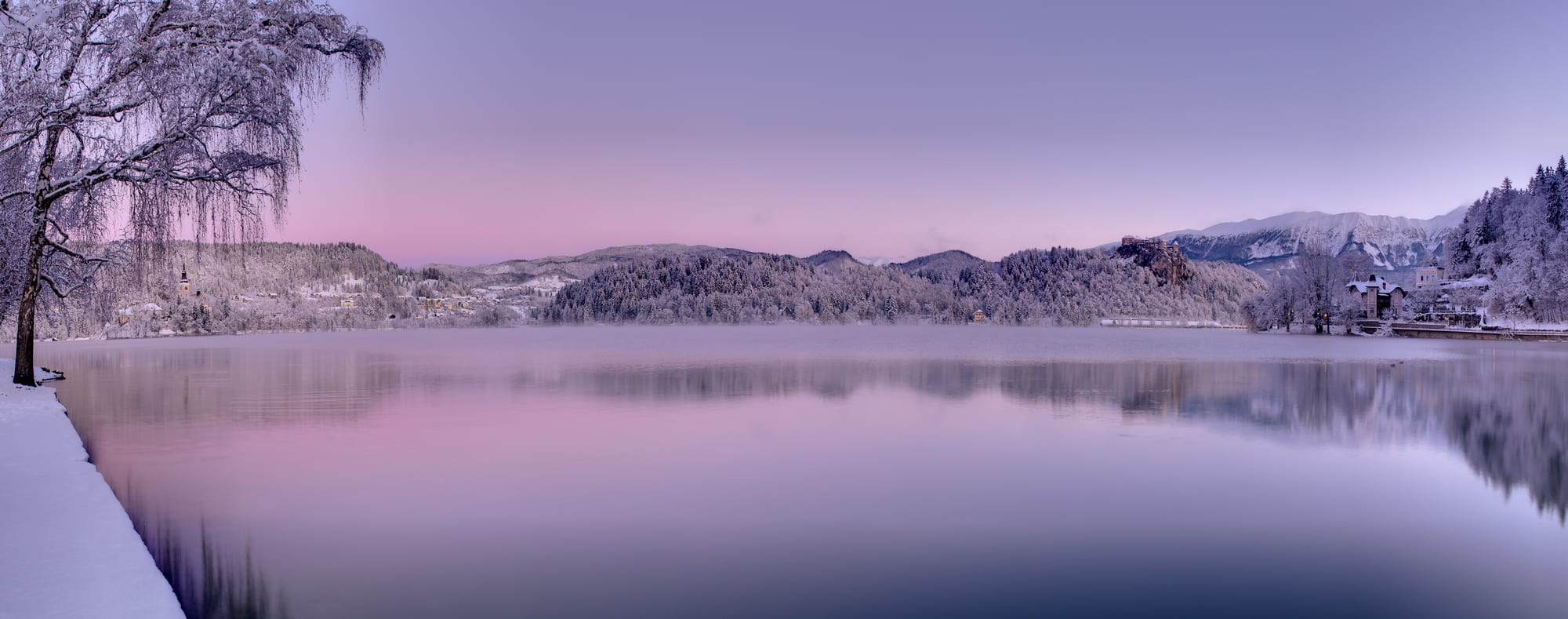
Slovenia is a country of about 2.1 million people where the Alps, the Mediterranean, the Dinaric karst and the Pannonian plain meet — a compact land with a short but scenic coastline. The Slovenes are a South Slavic people, but their history has run largely with Central Europe: for roughly a thousand years most Slovene-speaking lands were Habsburg territory, and the culture that developed is Catholic, Alpine and closely tied to Austria and Italy. Slovenia was the wealthiest and most Western-facing republic of Yugoslavia, and the first to leave it.
A short history
- 6th–7th c.
Slavic settlement
Slavs settle the eastern Alps; the principality of Carantania forms.
- c. 1000–1918
Habsburg lands
Most Slovene territory is ruled from Vienna as Carniola, Styria, Carinthia.
- 1550
The first Slovene books
Primož Trubar publishes in Slovene during the Reformation.
- 19th century
The awakening
A national movement; the poet France Prešeren.
- 1918
Yugoslavia
Slovenia joins the Kingdom of Serbs, Croats and Slovenes.
- 1941–1945
Occupation
Partitioned by Germany, Italy and Hungary; a strong Partisan resistance.
- 1945–1991
Socialist Yugoslavia
Slovenia is the federation's richest, most industrial republic.
- 1990
Referendum
88% vote for independence.
- 1991
The Ten-Day War
A brief conflict with the Yugoslav army; independence holds.
- 2004 / 2007
EU and the euro
Slovenia joins both.
The Habsburg centuries
Slavs settled the eastern Alps in the 6th century and briefly formed the principality of Carantania before falling under Frankish and then, from the Middle Ages, Habsburg control. For centuries "Slovene" was a language of peasants and priests, not of administration; the towns were German-speaking, and the coast around Koper looked to Venice. A key moment came with the Reformation: Primož Trubar printed the first books in Slovene in the 1550s, and a Slovene Bible followed, giving the language a literary foundation even though the Counter -Reformation soon reasserted Catholicism. Napoleon's short-lived "Illyrian Provinces" (1809–13), governed from Ljubljana, briefly promoted Slovene in schools and administration and left a lasting mark on national memory.
Awakening and Yugoslavia
The 19th century brought a Slovene national movement — literature, reading societies, demands for a united Slovenia and for the language's use in courts and schools — within an Austria-Hungary that granted some cultural rights but no territorial autonomy. When the empire collapsed in 1918, Slovene leaders, fearing Italian and Austrian claims on their land, joined the new Kingdom of Serbs, Croats and Slovenes (Yugoslavia from 1929). Italy did take the western third of Slovene territory, including Trieste and its Slovene population, and pursued forced Italianisation there under Fascism.
War, and socialist Yugoslavia
In 1941 the Axis carved Slovenia three ways, between Germany, Italy and Hungary, with plans to erase Slovene identity through deportation and Germanisation. A communist-led Partisan resistance grew strong, but the war was also a bitter civil conflict between Partisans and anti-communist "Home Guard" units allied with the occupiers; after liberation the victors summarily killed thousands of the latter and other prisoners, a crime not openly discussed until after 1990. In Tito's federal Yugoslavia, Slovenia — with about a twelfth of the population — produced a disproportionate share of exports and had the highest living standards, and chafed at transfers to poorer republics and at centralisation from Belgrade.
The Ten-Day War, and independence
As Yugoslavia's crisis deepened in the late 1980s, Slovenia liberalised fastest, holding multiparty elections in 1990 and a referendum in which 88 per cent voted for independence. Slovenia and Croatia declared independence on 25 June 1991. The Yugoslav army moved to seize Slovenia's borders; the resulting Ten-Day War killed around 60 people before a European-brokered ceasefire, and the army withdrew. With few Serbs in Slovenia and no territorial claims against it, Slovenia — unlike Croatia and Bosnia — escaped the long wars that followed.
Slovenia now
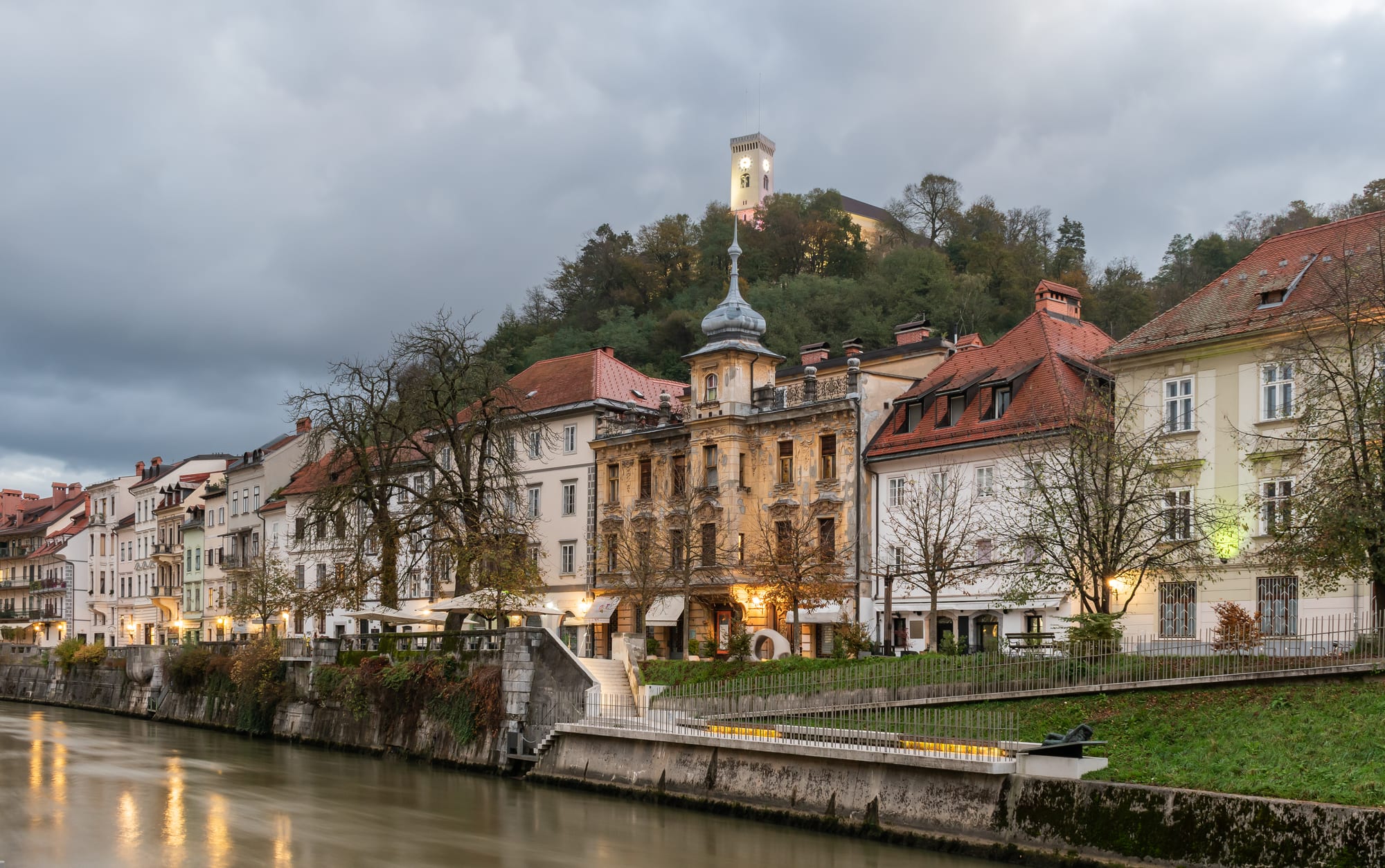
Slovenia joined NATO and the European Union in 2004 and, in 2007, became the first former communist state to adopt the euro; it held the rotating EU presidency in 2008 and 2021. A severe banking and debt crisis around 2013 forced austerity and bank bailouts but was weathered without an international rescue. Politics has been volatile, with frequent changes of government and sharp polarisation, including during the premiership of Janez Janša, and large anti-corruption and pro -government-accountability protests. A long-running border dispute with Croatia over the Bay of Piran remains unresolved despite an arbitration ruling.
What Slovenia carries
Slovenia spent a millennium as a set of provinces governed from Vienna, keeping its identity in its language, its literature and its villages rather than in any state of its own. It entered and left Yugoslavia as the richest, most Western piece of it, and it made that exit in ten days with minimal bloodshed — then moved quickly into the EU and the euro, the smoothest post-Yugoslav transition of them all.