Daily Life · Slovenia
Slovenia: A Country That Paints Its Beehives
Small households scattered between farmhouse hayracks and town apartment blocks, a country compact enough to ski in the morning and reach the coast by evening, and a nation where beekeeping is a way of life
By Worldlore Editorial · 30 September 2026
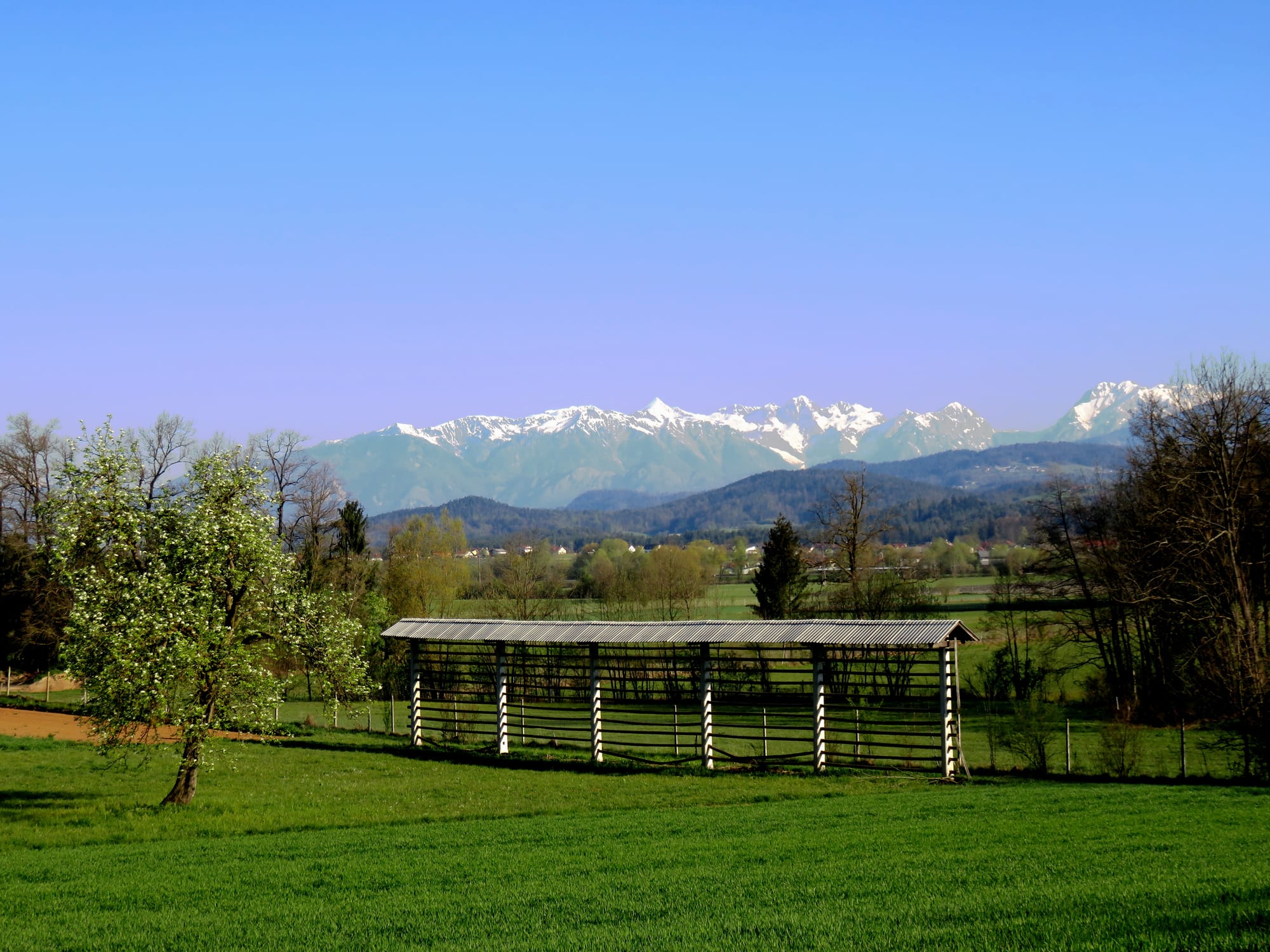
Slovenia is small enough that an ordinary day can genuinely include more than one landscape: skiing or a mountain walk in the morning, a stop in Ljubljana by midday, and the Adriatic coast or a neighbouring country by evening, all without feeling like a rushed itinerary. Households are small and mostly urban now, yet the countryside is never far away, marked everywhere by the kozolec, the freestanding wooden hayrack found on farms nationwide and treated as a genuine symbol of Slovene identity. Slovene is spoken almost everywhere, English is close behind among younger people, and the outdoors, more than any single custom, is what an ordinary day tends to revolve around.
Family and home life
The average Slovene household held 2.41 people in 2021, and families with children averaged 1.56 children, reflecting a country where the extended, multigenerational household of a century ago has given way to smaller, urban ones. Around a quarter of the population lives in and around Ljubljana, and home ownership is high nationwide. Even so, a rural house, a vineyard cottage or family land in the countryside remains common enough to keep many urban households tied to a village of origin, visited on weekends rather than lived in day to day.
Work, school and the rhythm of the day
The standard working day is eight hours, forty hours a week across five days, much like the rest of the EU. Children start primary school at five or six and finish it at fourteen or fifteen, and the school day starts early. Slovenia's compact size means many people cross into Austria, Italy or Croatia for work, shopping or errands as a matter of routine rather than as a special trip, and manufacturing, pharmaceuticals and car-parts production, closely tied to the German, Austrian and Italian economies, employ many people.
Community life and public spaces
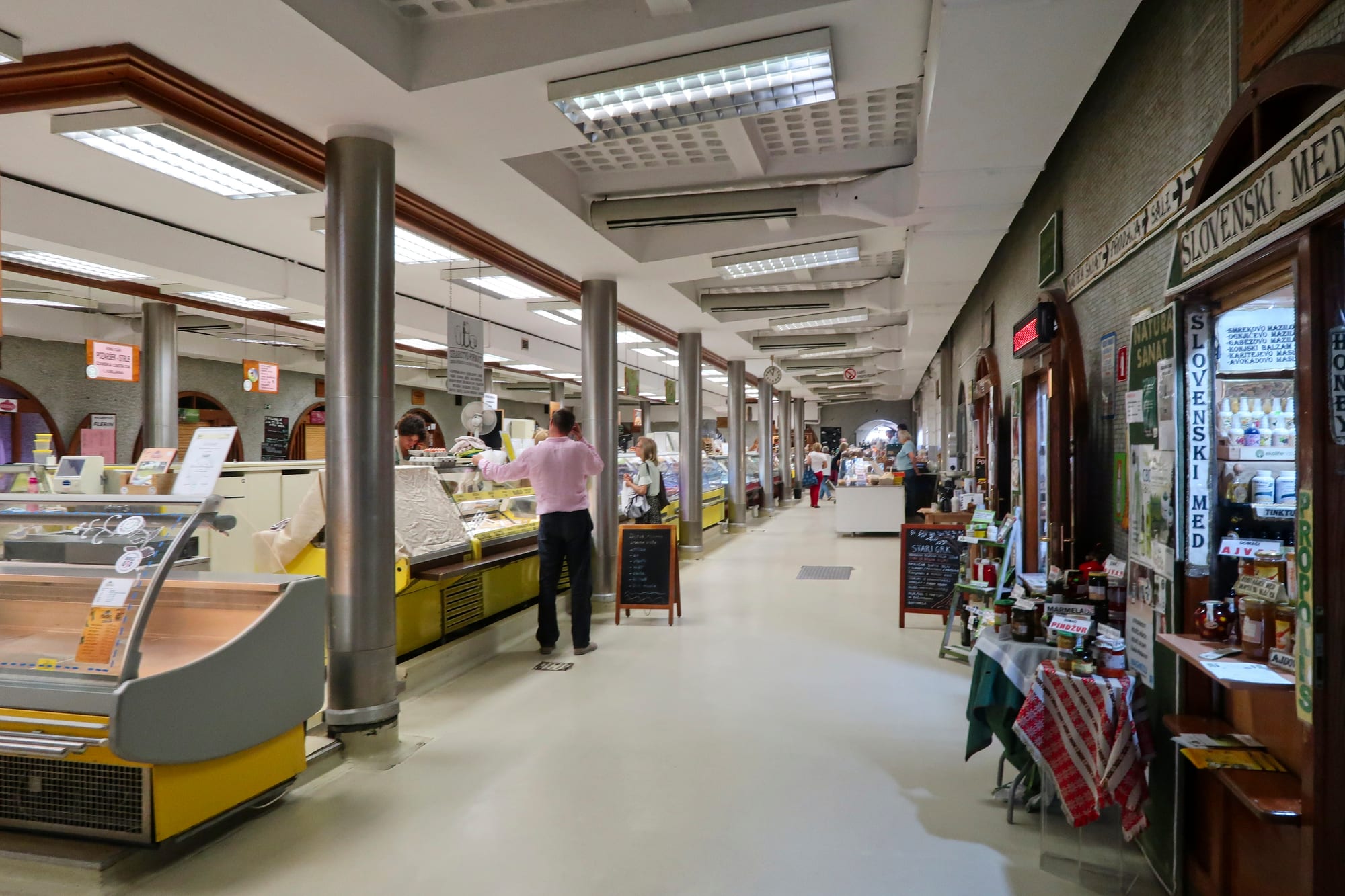
Ljubljana's Central Market, designed by the architect Jože Plečnik and a riverside market hall with a colonnade on its street side, is the clearest single example of how food shopping still functions as a daily public ritual rather than a weekly supermarket run: butchers, cheesemongers, honey and produce stalls trade in its halls and on the open-air stalls of Vodnik Square beside it, and smaller markets operate in many Slovene towns. Harmony singing is a deep-rooted tradition, kept alive by many amateur choirs, and café terraces fill through the afternoon in towns with a main square worth the name.
Free time and weekends
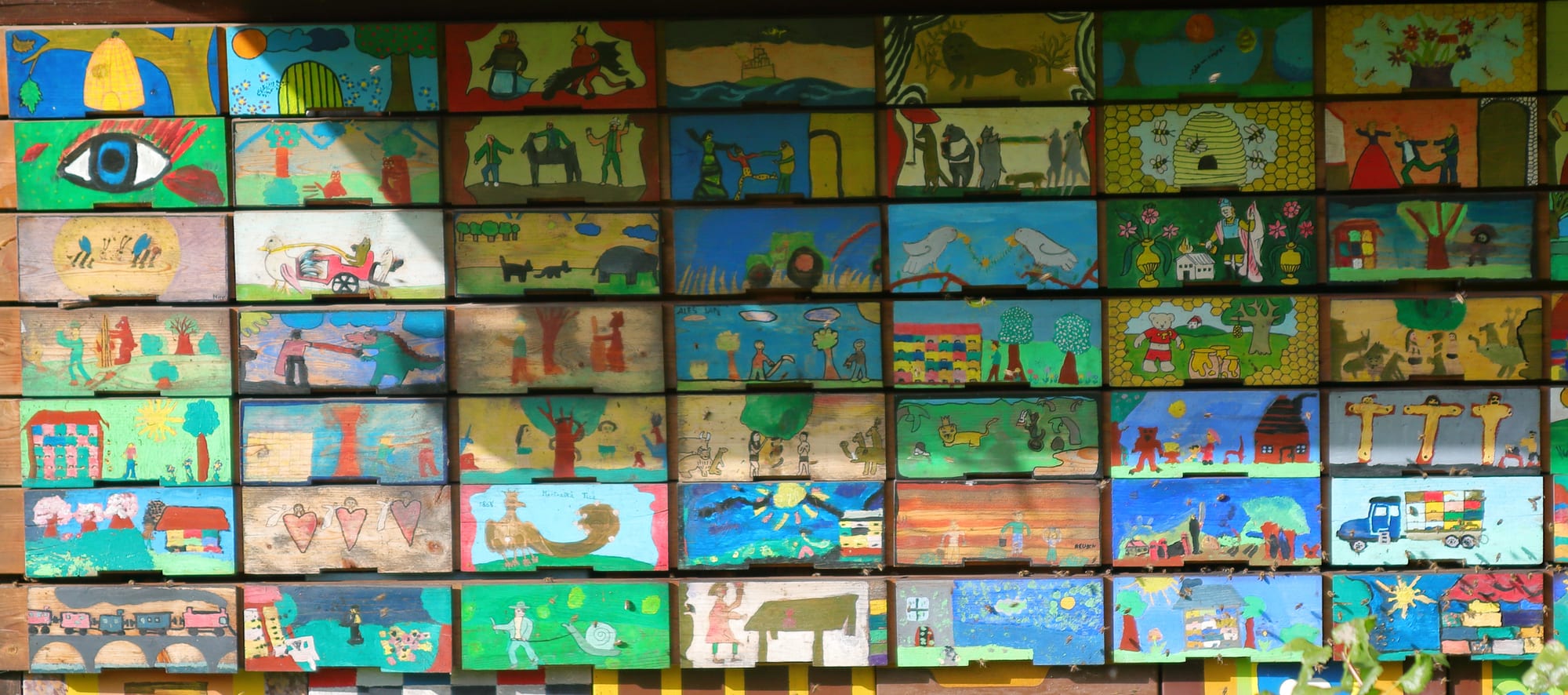
Hiking, cycling, skiing and climbing are mainstream weekend pursuits rather than specialist hobbies, helped by a small country where the Alps, the Karst and the coast are all within a few hours of almost anywhere. Beekeeping fits into this same rhythm as a genuine weekend pastime for thousands of ordinary Slovenes, most of them amateurs tending a handful of hives in their spare time rather than professional producers, often using small stackable hives, some still with painted front panels. Mushroom foraging, mountain hut visits and family lunches at a vineyard cottage round out a typical weekend for many households.
A visitor's ordinary day
Slovenia uses the euro, and cards are accepted almost everywhere, though small cash helps for parking machines, mountain huts and rural market stalls. Trains and buses connect the main towns cheaply but are not always fast, and a car is the practical way to reach the Julian Alps, the Karst caves and the short Adriatic coast in a single trip. Driving any motorway requires a prepaid vignette rather than a toll booth. Ljubljana's own airport is small, so many visitors arrive instead via Venice, Trieste, Zagreb or Vienna and drive in, which is a normal way to enter the country rather than an unusual one.
What to take away
What defines an ordinary day in Slovenia is how little distance separates any part of it — mountains, market, coast and countryside are all close enough that a single afternoon can move between several of them, in a country small enough to make that unremarkable.