History · Slovakia
Slovakia: The Country That Was Always Part of Something Else
A thousand years inside the Kingdom of Hungary, then Czechoslovakia, then a wartime puppet state, then Czechoslovakia again — a nation that only became independent, peacefully and by agreement, on the first day of 1993
By Worldlore Editorial · 19 September 2026
A new state on old land
Slovakia is a landlocked country of about 5.4 million people in the Carpathian mountains and the Danube plain, between Poland, Ukraine, Hungary, Austria and the Czech Republic. As an independent state it is very young — it dates from 1 January 1993 — but the Slovaks are an old people, and their defining historical experience is having spent almost the entire past millennium as a minority province of larger states: the Kingdom of Hungary, then Czechoslovakia, briefly a Nazi client, then Czechoslovakia once more. Independence, when it finally came, was negotiated rather than fought for.
A short history
- 833–c. 907
Great Moravia
An early Slavic state; Saints Cyril and Methodius bring a Slavonic liturgy.
- c. 1000–1918
The Kingdom of Hungary
Slovak lands are "Upper Hungary" for 900 years.
- 1526–1918
Habsburg rule
Hungary, and with it Slovakia, comes under the Habsburgs.
- 19th century
The national revival
Ľudovít Štúr codifies a written Slovak language.
- 1918
Czechoslovakia
Slovaks join the Czechs in a new republic after the First World War.
- 1939–1945
The Slovak State
A one-party clerical-nationalist client of Nazi Germany.
- 1944
The Slovak National Uprising
A revolt against the regime and the Germans.
- 1948–1989
Communist rule
Part of the Soviet bloc; the 1968 reforms are crushed.
- 1989
The Velvet Revolution
Communism falls across Czechoslovakia.
- 1993
The Velvet Divorce
Czechoslovakia splits peacefully into two countries.
Moravia, and the Hungarian millennium
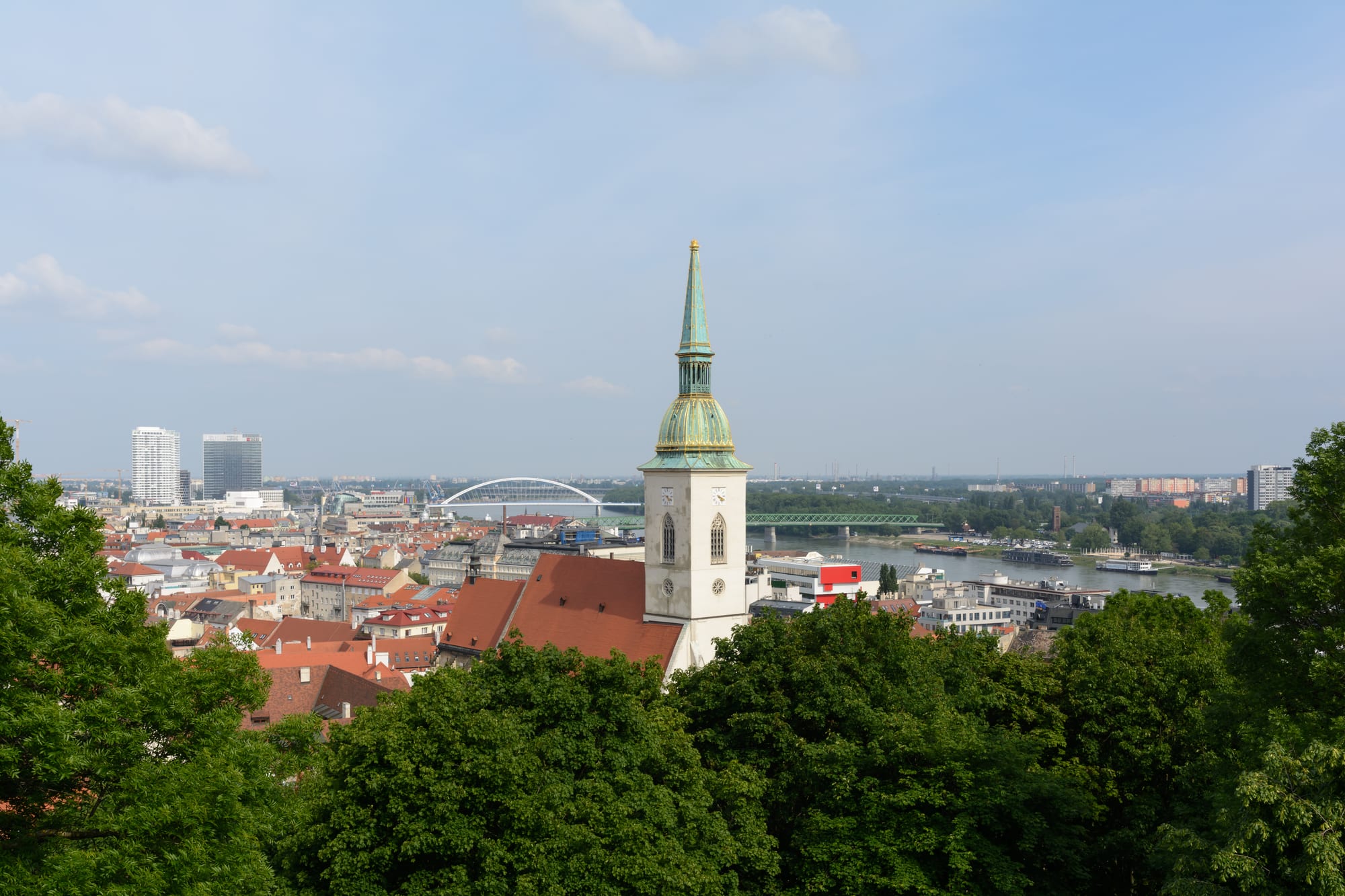
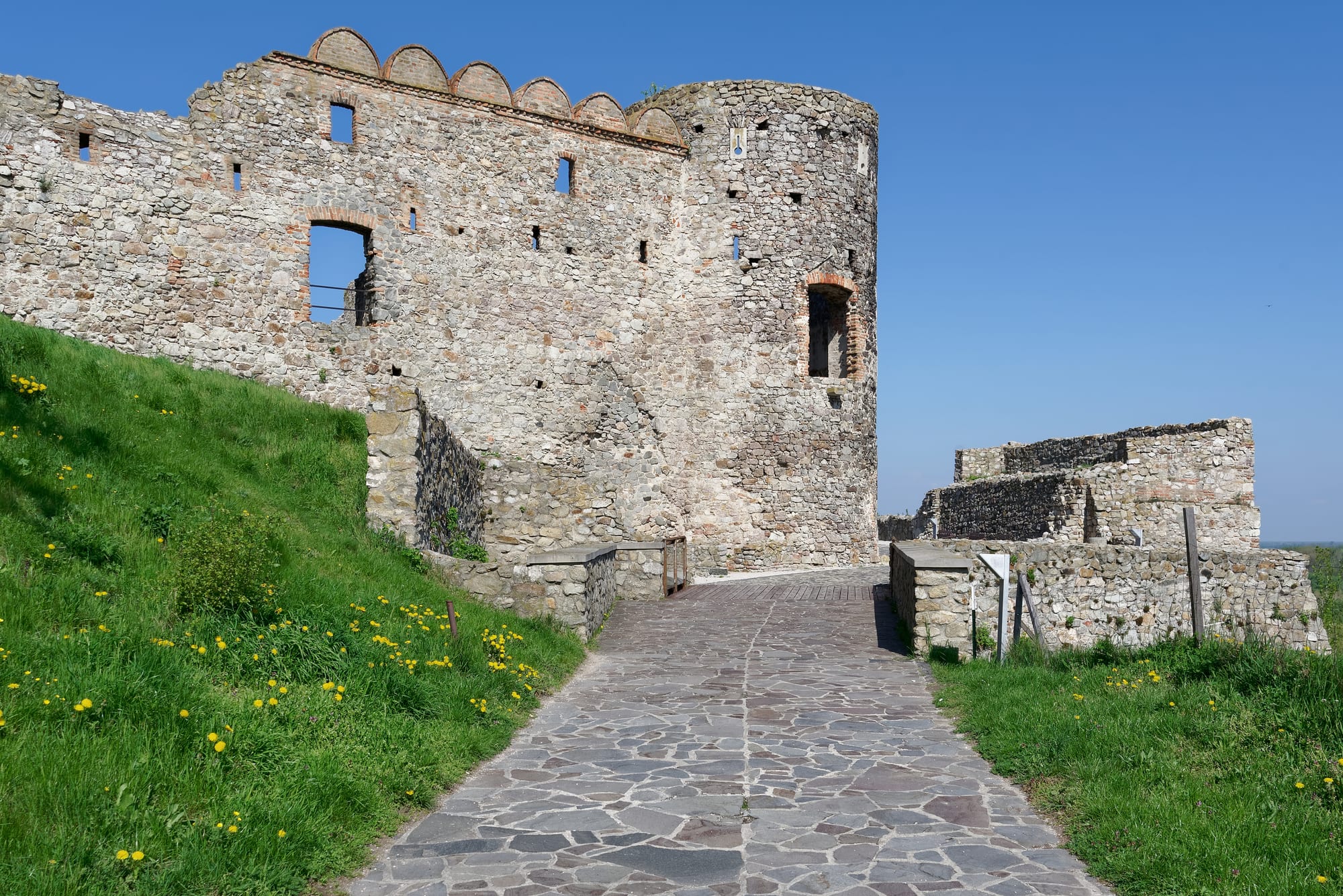
In the 9th century much of the region belonged to Great Moravia, a Slavic realm that adopted Christianity and, through the Byzantine missionaries Cyril and Methodius, the first Slavic liturgical language and script. Great Moravia collapsed under Magyar pressure around 907, and the Slovak lands were absorbed into the emerging Kingdom of Hungary, where they would remain — as "Upper Hungary", with no separate status — for roughly 900 years. When the Ottomans overran central Hungary in the 16th century, this northern strip became the core of Royal (Habsburg) Hungary, and Bratislava (then Pressburg/Pozsony) served as the Hungarian capital and coronation city for two centuries.
Revival and Czechoslovakia
A Slovak national movement grew in the 19th century, its decisive act the codification of a standard written Slovak by Ľudovít Štúr and his circle in the 1840s, distinguishing Slovak from Czech and from the Hungarian that the Budapest government increasingly pushed in schools and public life ("Magyarisation"). With Austria-Hungary's defeat and collapse in 1918, Slovak leaders joined with the Czechs to form Czechoslovakia. The new republic was democratic and, by regional standards, prosperous, but many Slovaks felt it was run on Czech terms and that promised autonomy never fully arrived.
The Slovak State, and the uprising
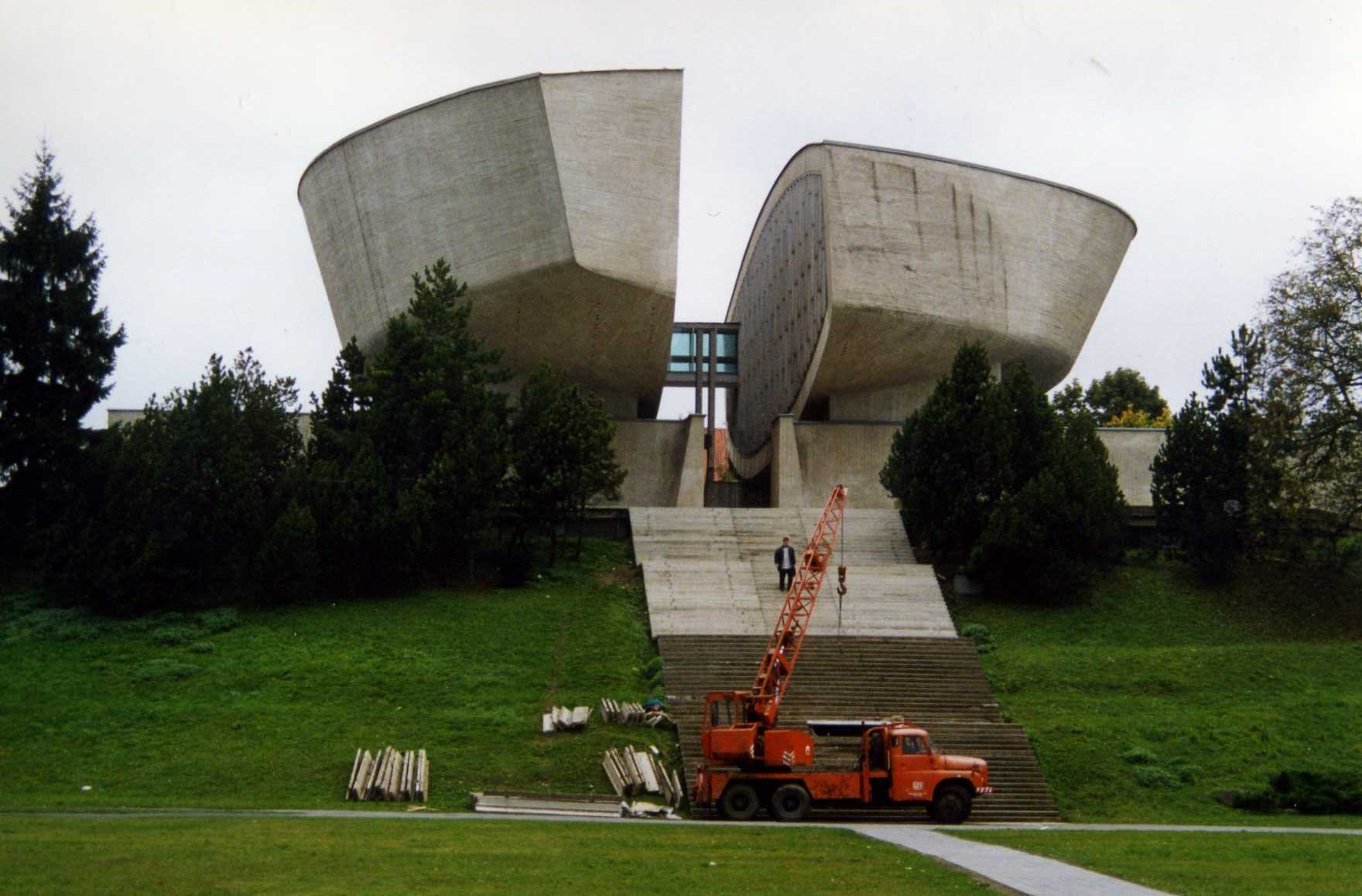
When Nazi Germany dismembered Czechoslovakia in 1938–39, Slovakia declared independence under Jozef Tiso, a Catholic priest, as a one-party client state of Germany. The regime deported around 70,000 Slovak Jews to Nazi extermination camps, most of whom were murdered. In August 1944 a broad coalition of soldiers, democrats and communists launched the Slovak National Uprising against Tiso's government and the German occupation; it held a swathe of central Slovakia for two months before being crushed, and it remains the founding event of modern Slovak democratic identity.
Communism, and the Velvet Divorce
Czechoslovakia was restored in 1945 and taken over by the Communist Party in 1948. The 1968 "Prague Spring" reforms — led by the Slovak Alexander Dubček — were ended by a Soviet-led invasion, though one lasting change was the 1969 federalisation of the country into Czech and Slovak republics. The Velvet Revolution of November 1989 brought down communism peacefully across Czechoslovakia. In the new democracy, Czech and Slovak politicians disagreed over the pace of economic reform and the shape of the federation, and in 1992, after elections, their leaders — Václav Klaus and Vladimír Mečiar — agreed to divide the country. Czechoslovakia dissolved on 1 January 1993 without a referendum and without violence: the "Velvet Divorce".
Slovakia now
The 1990s under Mečiar were marked by authoritarian drift and international isolation, but a change of government in 1998 put Slovakia back on a Western track: it joined NATO and the European Union in 2004 and adopted the euro in 2009, and its car-assembly industry made it, per head, one of the world's largest vehicle producers. Politics since has been turbulent — the 2018 murder of the journalist Ján Kuciak and his fiancée, which exposed links between organised crime and politics, brought down a government and mobilised mass protests, and in 2024 Prime Minister Robert Fico survived an assassination attempt.
What Slovakia carries
Slovakia's history is one of being inside other people's states — Hungary for nine centuries, Czechoslovakia for most of the 20th — and of a national identity kept alive through language, church and, crucially, the 1944 uprising, rather than through statehood. When independence came in 1993 it was the result of a political bargain between elites, achieved without a shot, which is itself a distinctive kind of founding.