Daily Life · Slovakia
Slovakia: From the Panelák to the Chata
A working week spent in a communist-era apartment block, a cheap lunch menu that structures the middle of the day, and a Friday exodus to the mountains or the family garden
By Worldlore Editorial · 30 September 2026
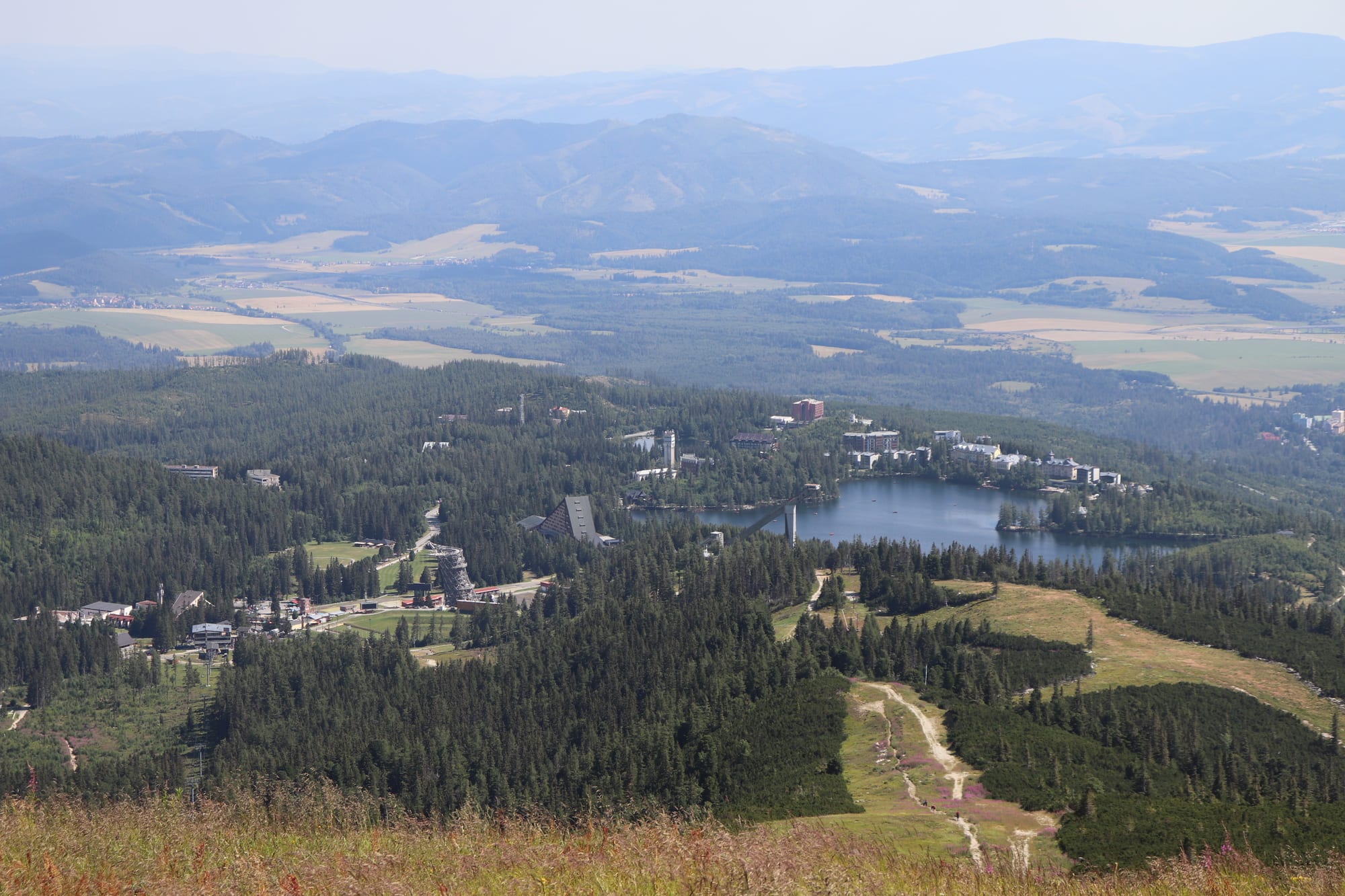
An ordinary week in Slovakia is split cleanly in two: five weekdays of work and school inside compact, efficient routines, then a weekend given over largely to the outdoors. Many people live in apartment blocks rather than houses, eat their main meal at midday rather than in the evening, and think nothing of driving an hour or more on a Friday to a mountain cabin, a family garden plot, or simply a village where a grandparent still lives. Slovak is spoken everywhere except a scattering of southern districts where Hungarian dominates, and the pace of the day picks up sharply once the weekend train and coach services toward the Tatras fill up.
Family and home life
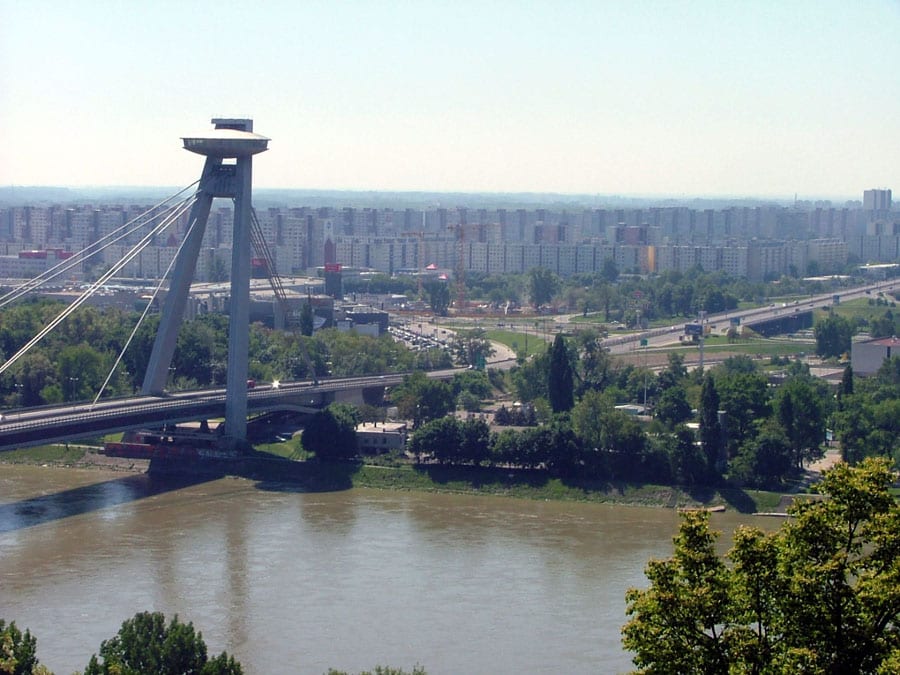
A large share of Slovaks live in a panelák, the prefabricated concrete apartment blocks built in vast numbers under communism; in Bratislava, the Petržalka estate across the Danube is the largest such development in Central Europe, home to more than 110,000 people. These flats have been renovated, insulated and often personalised since 1989, and they remain a common housing type in Slovak cities, standing alongside older village houses and newer suburban development. Family ties stretch well beyond the flat itself: grandparents often help with childcare, and many urban families keep a rural house or a garden plot inherited from parents or grandparents, visited on weekends to grow vegetables or simply get out of the city.
Work, school and the rhythm of the day
The standard working day runs about eight hours, often starting early in the morning and finishing in the late afternoon, with a short lunch break built into the middle. Car manufacturing anchors much of the economy — Slovakia has for years built more cars per head of population than any other country, in plants run by Volkswagen, Kia, Stellantis and Jaguar Land Rover — and its plants and suppliers employ a large part of the industrial workforce. Public holidays are taken seriously and shops and offices largely close on them, though several have been dropped as days off in recent years, leaving eleven non-working holidays in 2026. Bratislava's location against the Austrian and Hungarian borders means some people commute across a border for work, and others from central and eastern Slovakia travel to Czechia, Austria or Germany for longer stretches of work before returning.
Community life and public spaces
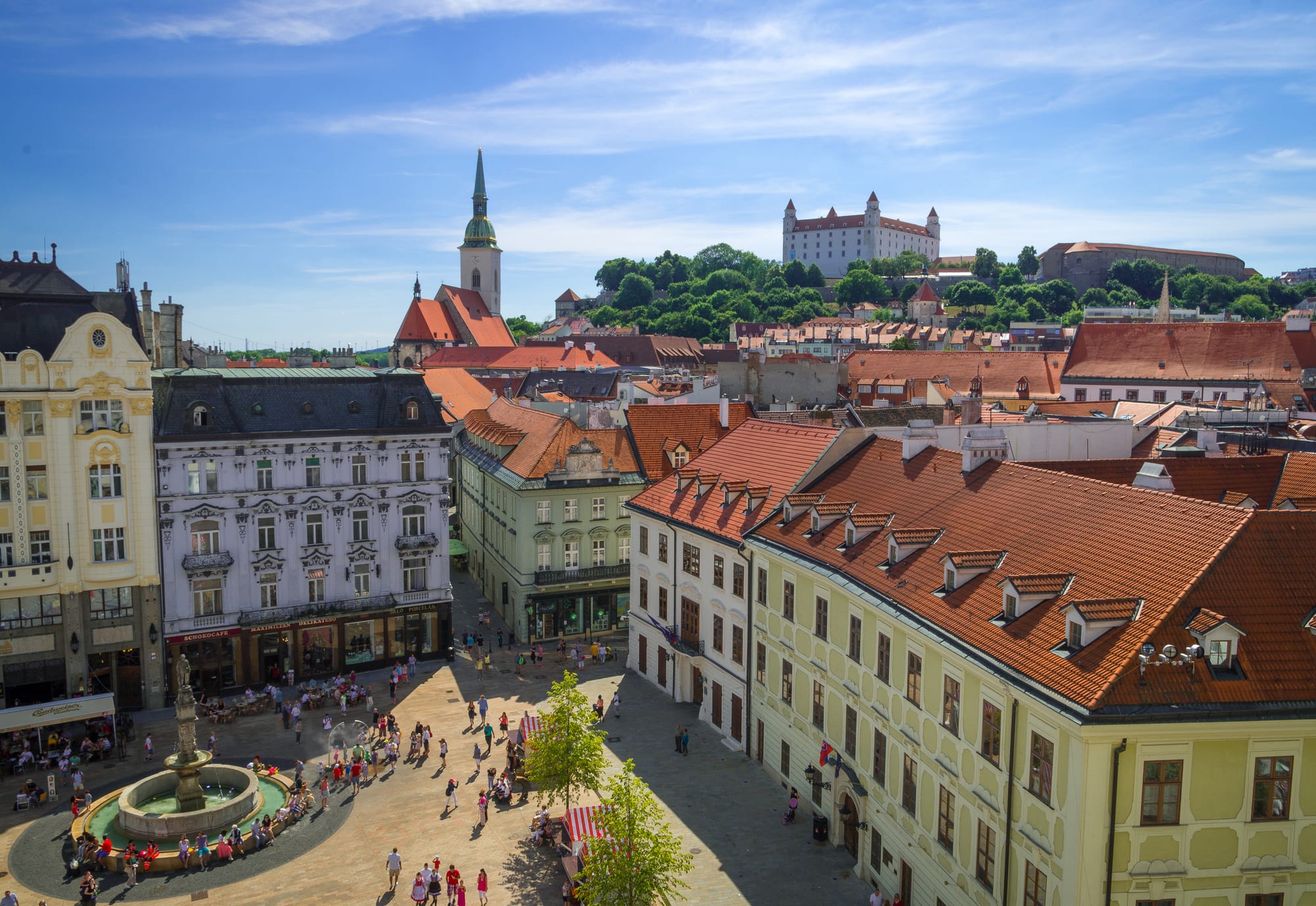
The cheap lunch menu, denné menu, chalked up outside restaurants each weekday, structures the middle of the day in Slovak towns: a two-course set meal, usually soup and a main course, ordered without much ceremony, that functions as the default place office workers, tradespeople and pensioners eat around midday. Town squares, cafés and the market halls of larger towns are the other fixed points of public life, busiest in the late afternoon and at weekends. Ice hockey, with football one of the two most popular sports, draws the country together like little else, watched on television in bars and living rooms nationwide whenever the national team plays.
Free time and weekends
Come Friday afternoon, many people head for the hills: the dense, well-marked trail network of the Tatras and the smaller Carpathian ranges draws hikers of every age, and mountain huts along the main routes do a steady trade feeding them. Others spend the weekend at the family garden or a rural house, tending vegetable plots or foraging for wild mushrooms in the surrounding forest, a popular autumn pastime. Skiing takes over in winter at resorts in the High and Low Tatras, and football, alongside hockey, fills out the sporting calendar the rest of the year.
A visitor's ordinary day
Slovakia uses the euro, and cards are accepted almost everywhere except small village shops, mountain huts and bakeries, where cash still helps. Trains and intercity buses are cheap and reach most towns, though a hire car is the more practical option for the mountains and eastern villages, and any motorway driving requires a prepaid vignette rather than a toll booth. The lunchtime denné menu is the easiest and cheapest way to eat well between roughly midday and 2pm; outside that window, restaurants revert to their full evening menu and prices. Shops in smaller towns can close early on Saturday and stay shut on Sunday, so plan food and cash needs around the working week.
What to take away
What defines an ordinary week in Slovakia is less the working days themselves than how completely people down tools by Friday evening and head for a mountain trail, a garden plot or a family house somewhere outside the city, restarting the same efficient routine again on Monday.