Food · Singapore
Singapore: Food and the National Dish
Poached chicken over rice cooked in its own fat, a Hainanese dish turned into the city-state's most argued-about comfort food
By Worldlore Editorial · 16 September 2026
A cuisine built from every community that settled the city
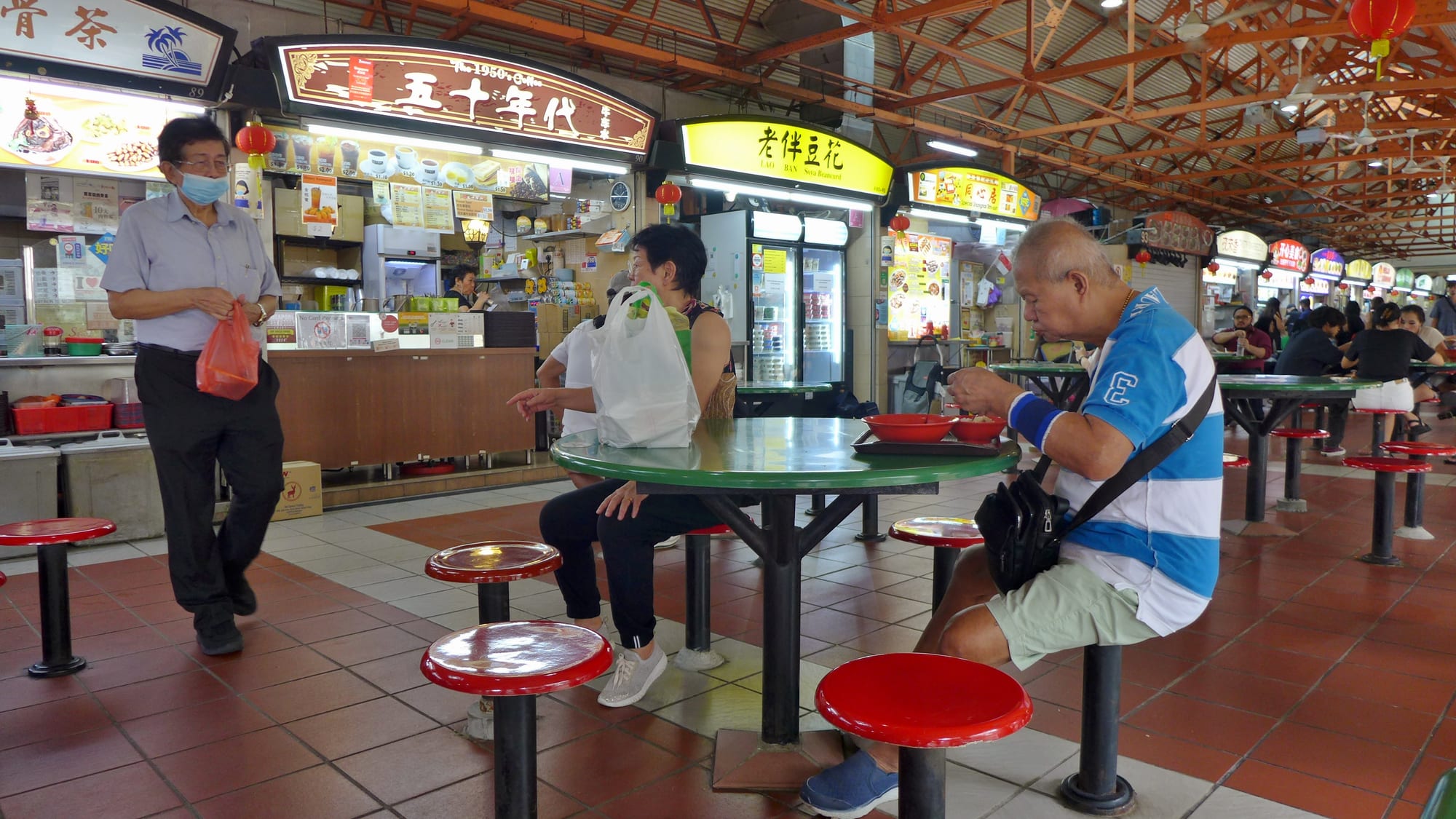
Singapore's food genuinely reflects its multicultural population, Chinese, Malay, Indian and Peranakan influences all sit side by side, often in the same hawker centre, rather than staying separate. That blend is most visible in the city-state's hawker culture, recognised by UNESCO in 2020 as a genuine part of the country's cultural heritage.
The national dish: Hainanese chicken rice
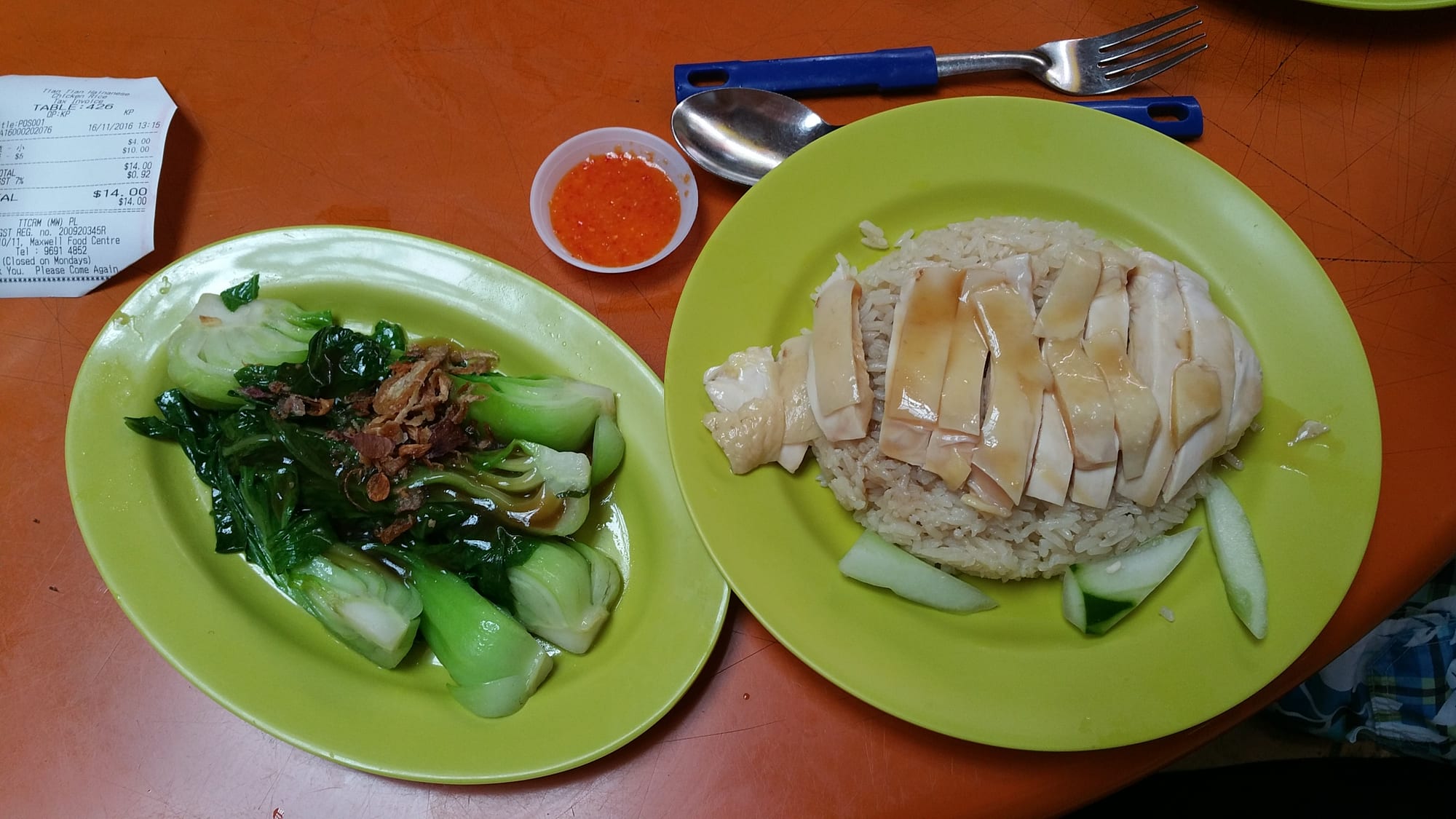
Hainanese chicken rice, poached chicken served over rice cooked in the chicken's own fat and stock, accompanied by chilli sauce, ginger paste and dark soy sauce, is widely regarded as Singapore's national dish. Brought by Hainanese immigrants and adapted locally, the dish is genuinely a matter of passionate local debate over which hawker stall makes it best, with Maxwell Food Centre's Tian Tian stall among the most famous and heavily queued examples in the city.
Rice, noodles and a genuinely multicultural pantry
Rice and noodles anchor much of Singaporean cooking, alongside chilli, coconut milk and a spice vocabulary drawn from Malay, Chinese and Indian traditions all at once. Seafood, given the city's coastal location, and a wide range of sauces and condiments round out a pantry shaped by centuries of trade and migration through the region.
History behind the hawker stall
Singapore's hawker culture developed from street food vendors who served workers and residents across the city's diverse communities, eventually organised into the purpose-built hawker centres still central to Singaporean daily eating today. That history, bringing Chinese, Malay, Indian and Peranakan cooking into shared physical spaces, explains why Singapore's food identity is built more on variety and coexistence than on any one culinary tradition dominating the rest.
Dishes to know
Five more to recognise across Singapore:
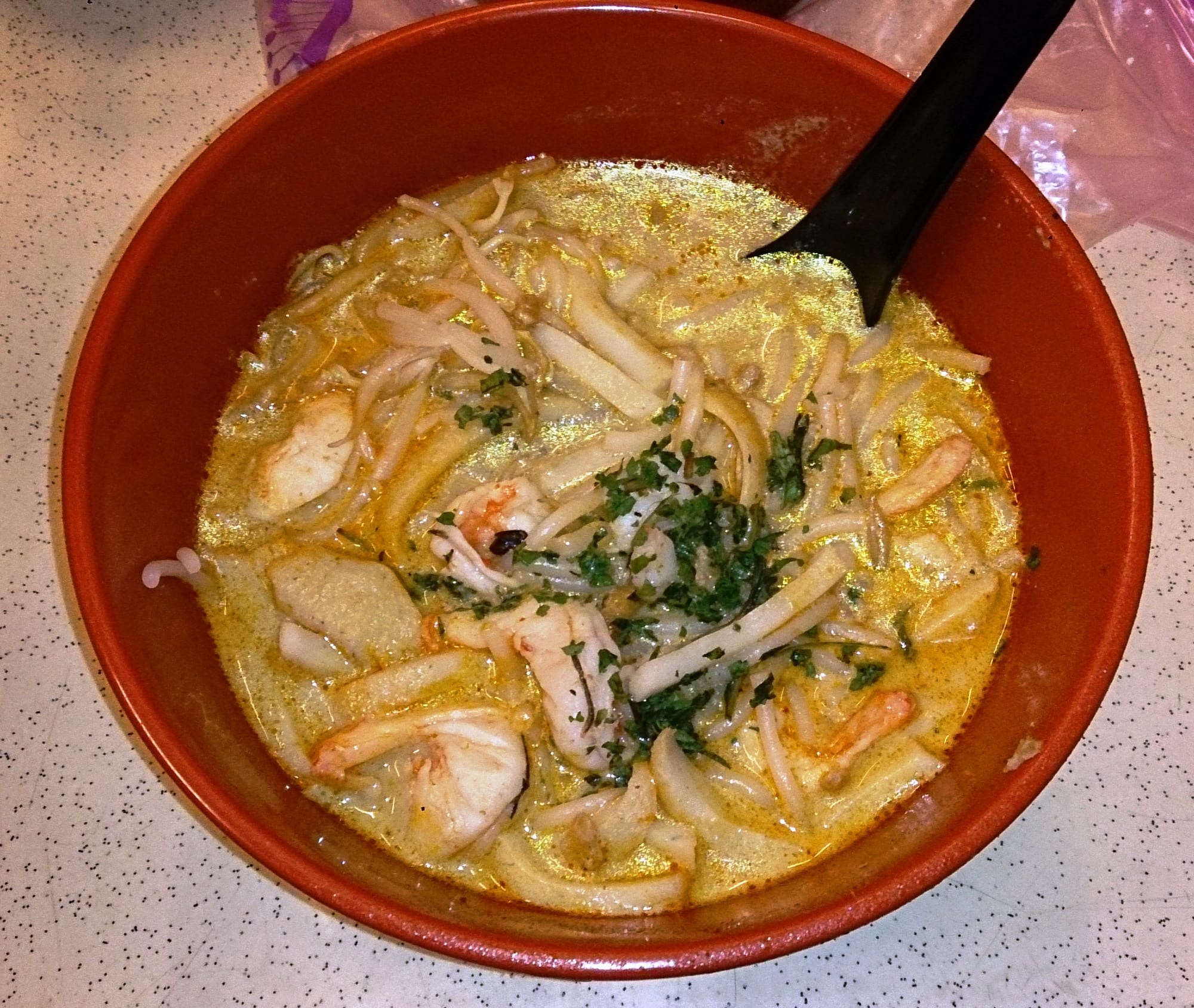
- Laksa — a spicy noodle soup in a coconut-based broth, with Katong
laksa among the most famous regional versions.
- Chilli crab — crab cooked in a sweet, tangy tomato and chilli sauce,
a signature Singaporean seafood dish.
- Char kway teow — stir-fried flat rice noodles with prawns, egg and
Chinese sausage.
- Roti prata — a fried flatbread, reflecting Indian influence, often
served with curry for dipping.
- Kaya toast — toast spread with coconut jam, traditionally eaten
with soft-boiled eggs for breakfast.
Drinks
Kopi, coffee brewed with condensed milk in the local style, is a genuine everyday drink ordered using its own specific vocabulary of preparation styles. Teh, milk tea prepared similarly, and fresh tropical fruit juices are also common everyday choices.
Eating as a traveller
Vegetarians will find noodle, rice and vegetable-based dishes manageable at most hawker centres, which typically offer options across several culinary traditions. Tap water is safe to drink directly across Singapore. Visiting a hawker centre like Maxwell Food Centre at lunchtime is the genuine, everyday way most Singaporeans actually eat.
What to take from the table
Hainanese chicken rice, argued over stall by stall across the city, captures Singapore's food identity best: a genuinely shared table built from every community that has ever settled there.