Attractions & Natural Wonders · Singapore
Singapore: Six Attractions and Natural Wonders
A grove of towering artificial "supertrees" doubling as solar collectors, a hotel with a ship-shaped pool deck floating 57 storeys above the ground, and a half-lion half-fish statue that has become a national mascot
By Worldlore Editorial · 9 September 2026
A city-state built on deliberate reinvention
Singapore, a small island city-state at the tip of the Malay Peninsula, has transformed itself since independence in 1965 from a modest trading port into one of the world's most prosperous and meticulously planned cities — a mix of ultramodern architecture, dense tropical greenery deliberately woven into the urban fabric, and historic ethnic quarters preserving Chinese, Indian, and Malay heritage side by side. Its reputation for cleanliness, efficiency, and strict rule enforcement has become as much a part of its identity as its skyline.
The six below are all within Singapore's compact urban core, easily covered by public transport in a few days. The city is hot and humid year-round, with a wetter monsoon period roughly from November to January.
1. Gardens by the Bay
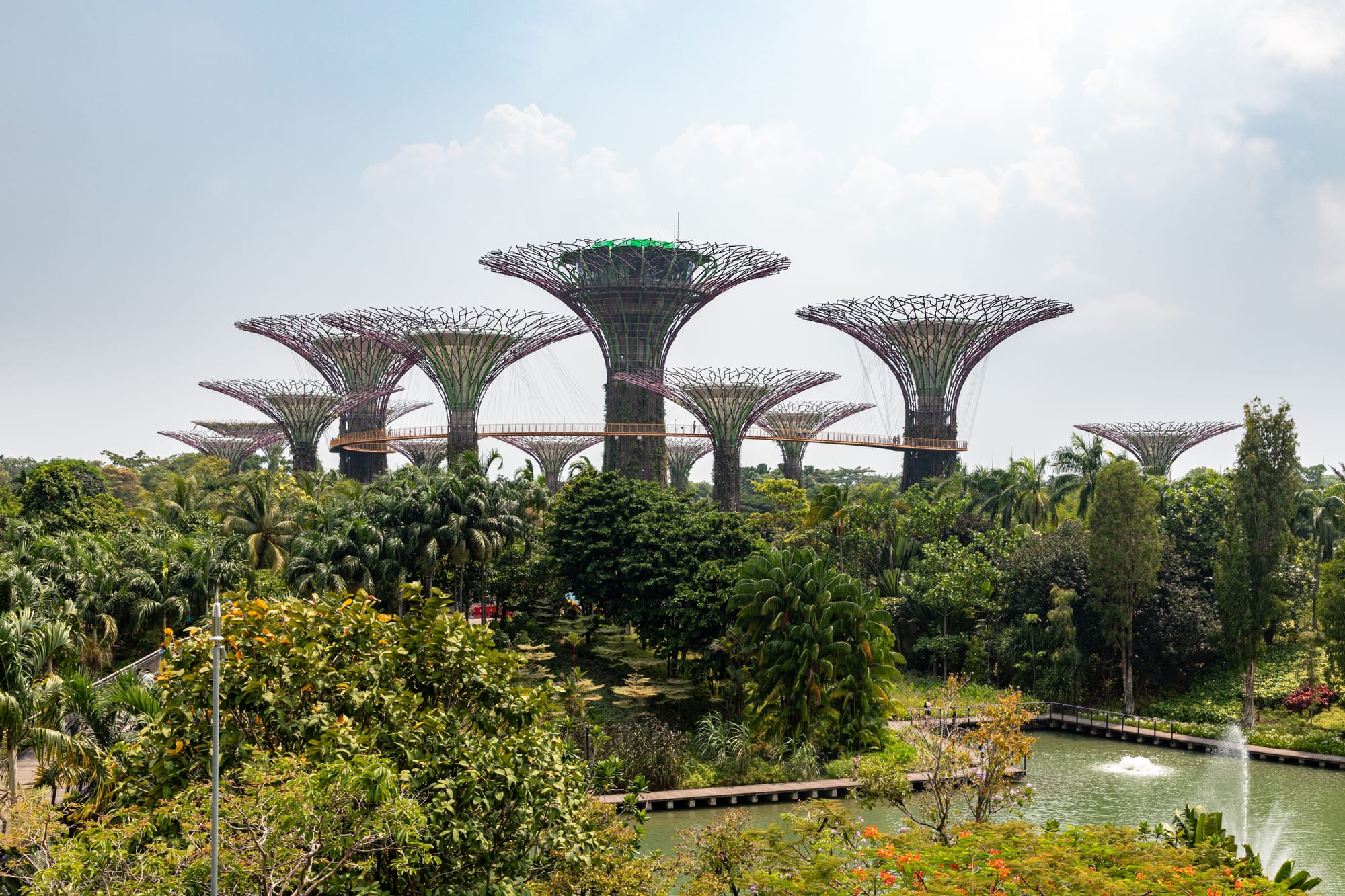
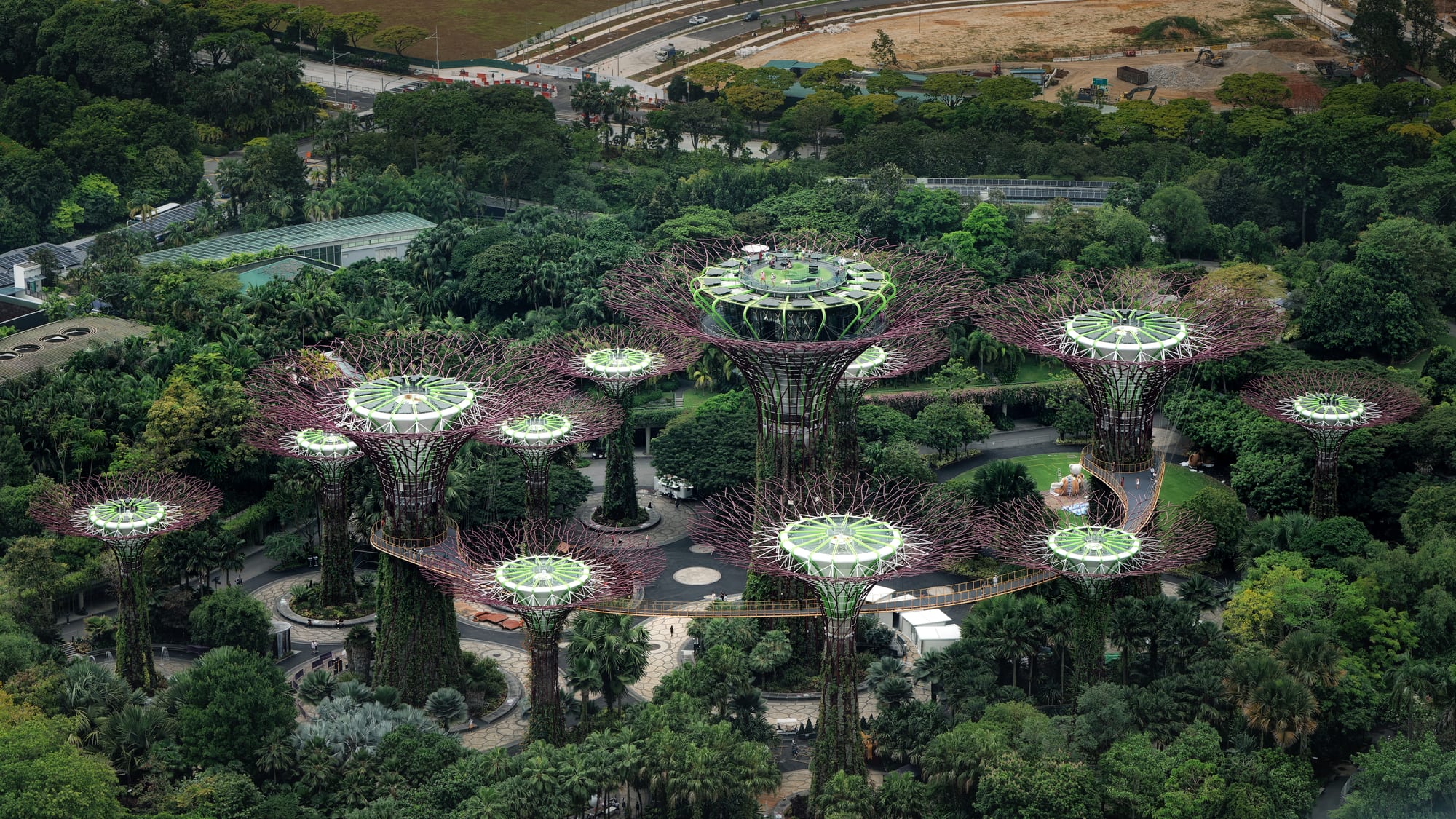
Gardens by the Bay, a 101-hectare park at the heart of the city's waterfront, is anchored by the Supertree Grove — towering vertical gardens up to 50 metres tall that double as solar energy collectors and rainwater harvesting structures, lit in dramatic nightly light shows. The adjoining climate- controlled conservatories recreate cool-climate and Mediterranean ecosystems entirely indoors, an ambitious feat given Singapore's tropical location.
2. Marina Bay Sands
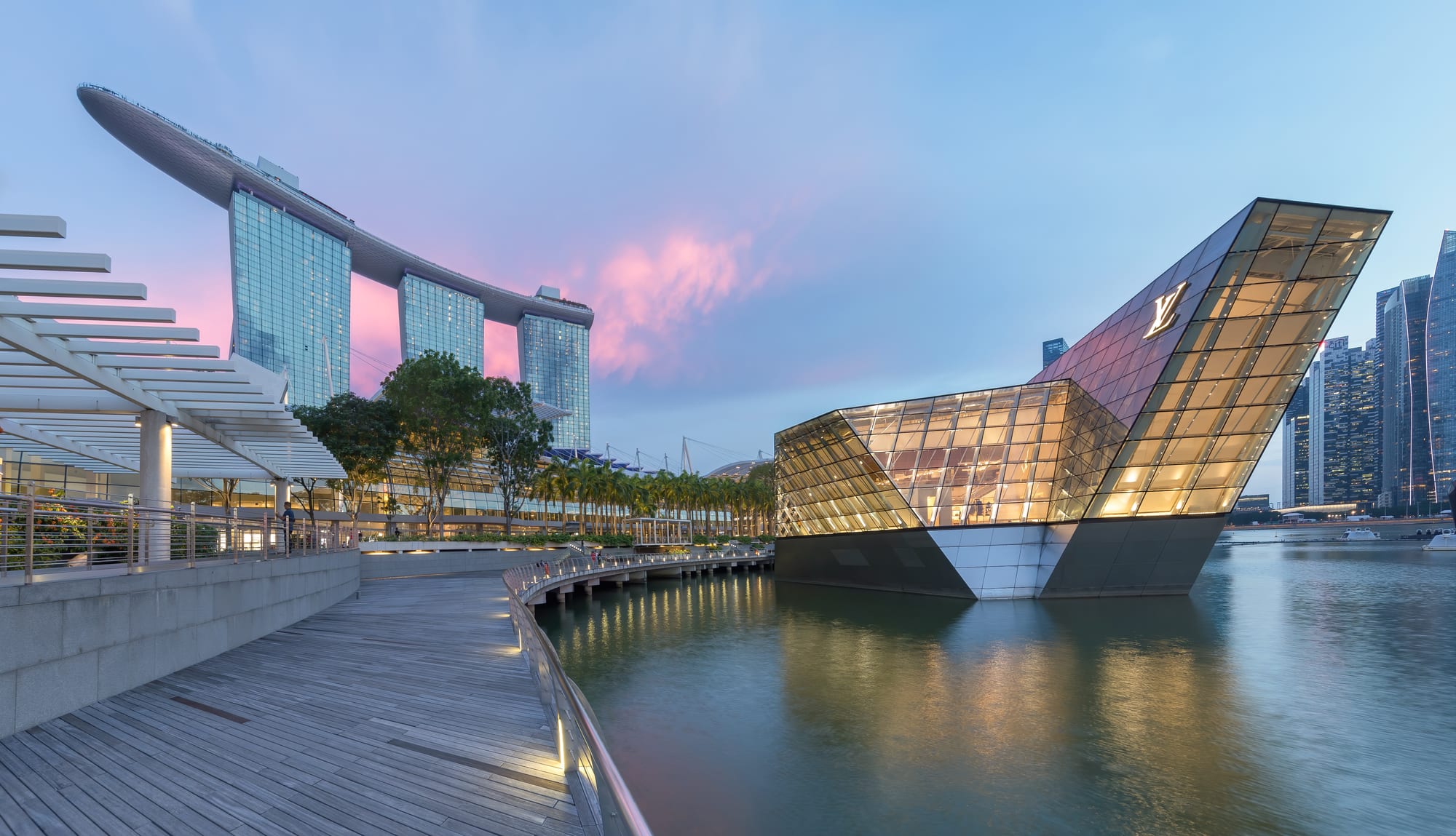
Marina Bay Sands, one of the most recognisable buildings in Asia, tops its three towers with a ship-shaped platform 57 storeys up, holding the world's largest rooftop infinity pool — open only to hotel guests, though its observation deck and surrounding mall, casino, and ArtScience Museum (shaped like a lotus flower) are open to all visitors.
3. The Merlion
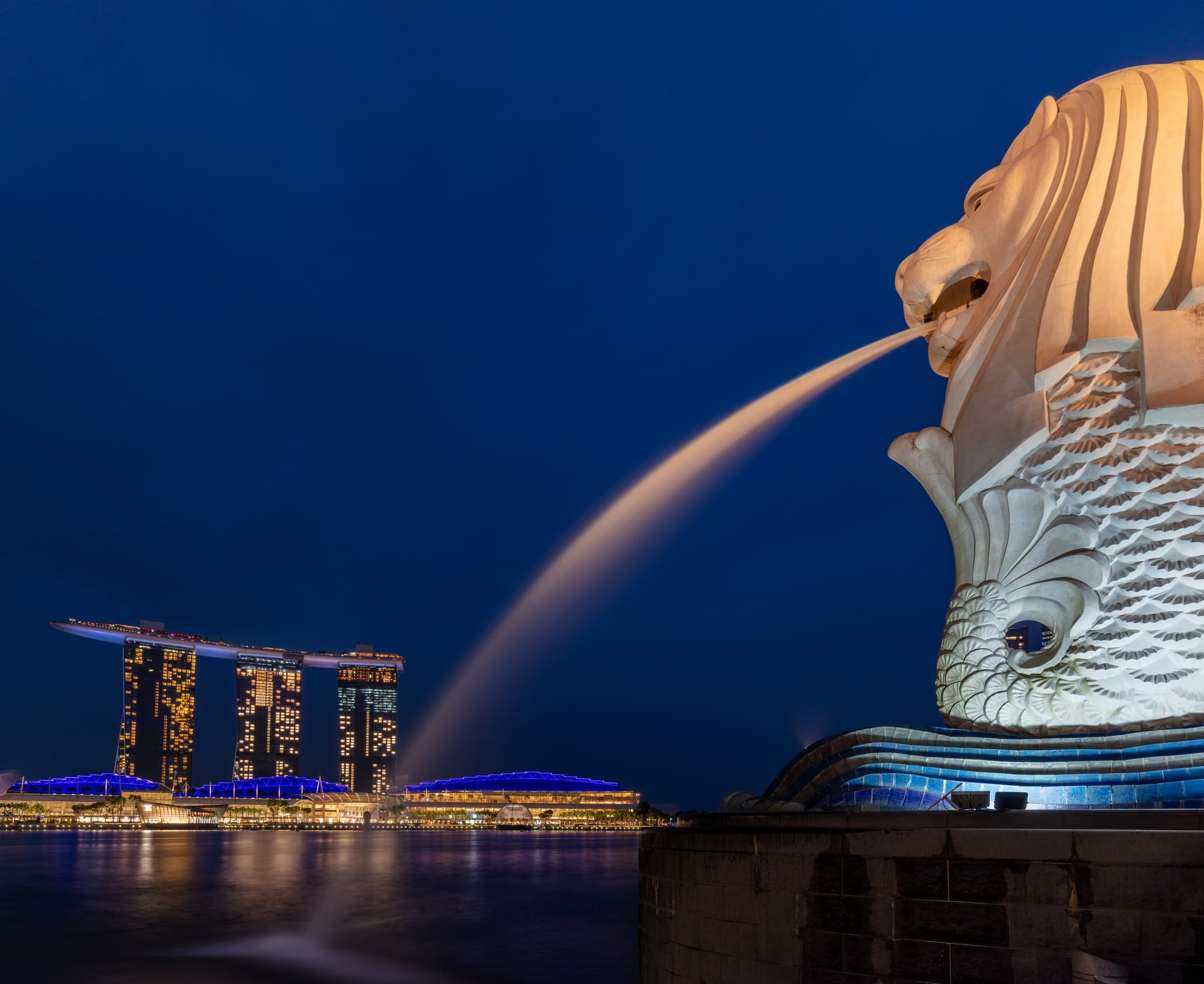
The Merlion, a statue combining a lion's head with a fish's body, was created in 1964 as a tourism board mascot referencing both Singapore's name (from the Sanskrit "Singapura," or Lion City) and its origins as a fishing village — it has since become one of the country's most recognisable symbols, spouting water into Marina Bay from its perch on the waterfront.
4. Chinatown
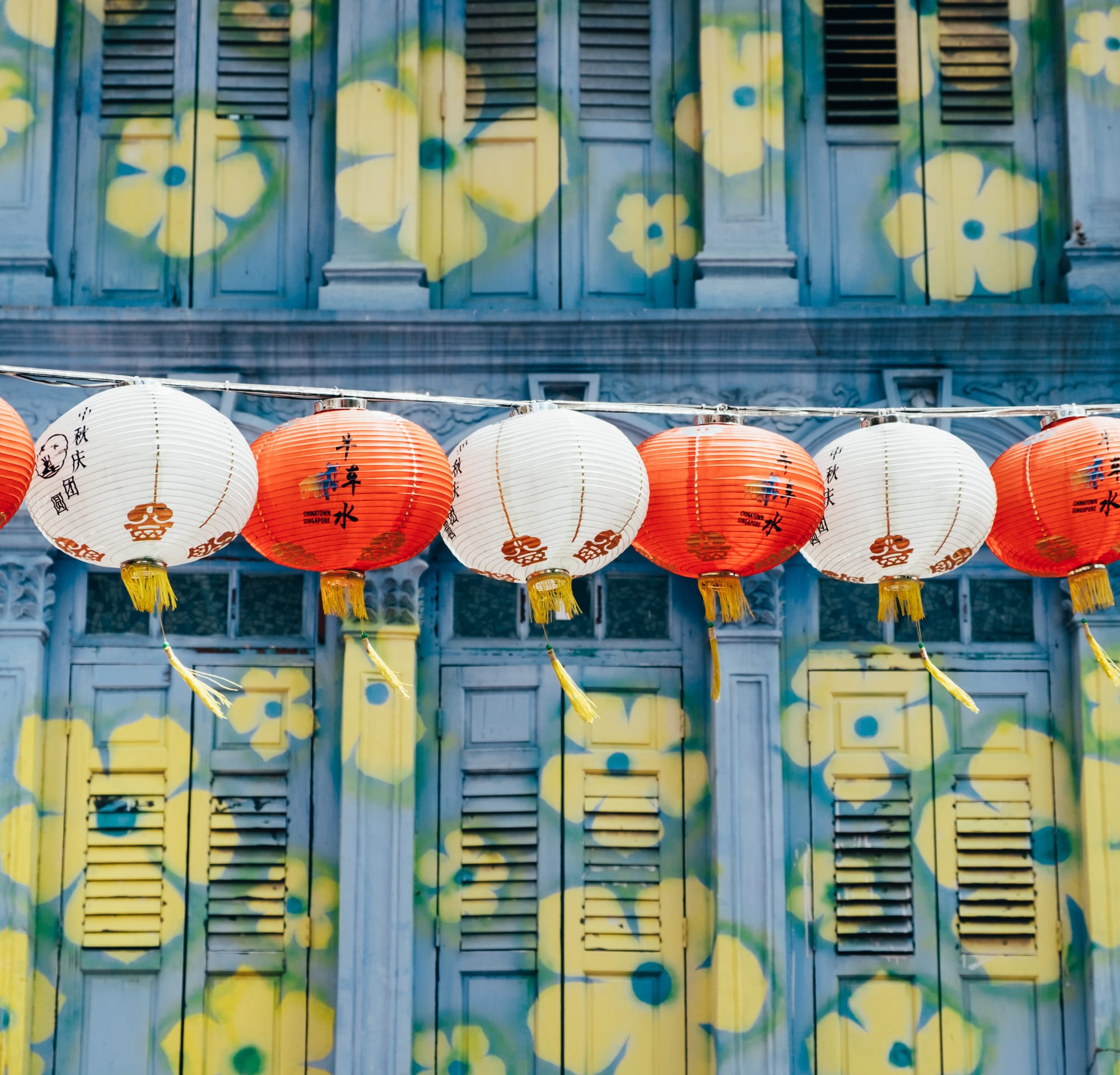
Singapore's Chinatown preserves rows of restored shophouses, temples (including the ornately decorated Buddha Tooth Relic Temple), and hawker food stalls reflecting the city's Chinese immigrant heritage, layered alongside now-fashionable bars and boutiques that have moved into the same historic buildings.
5. Little India
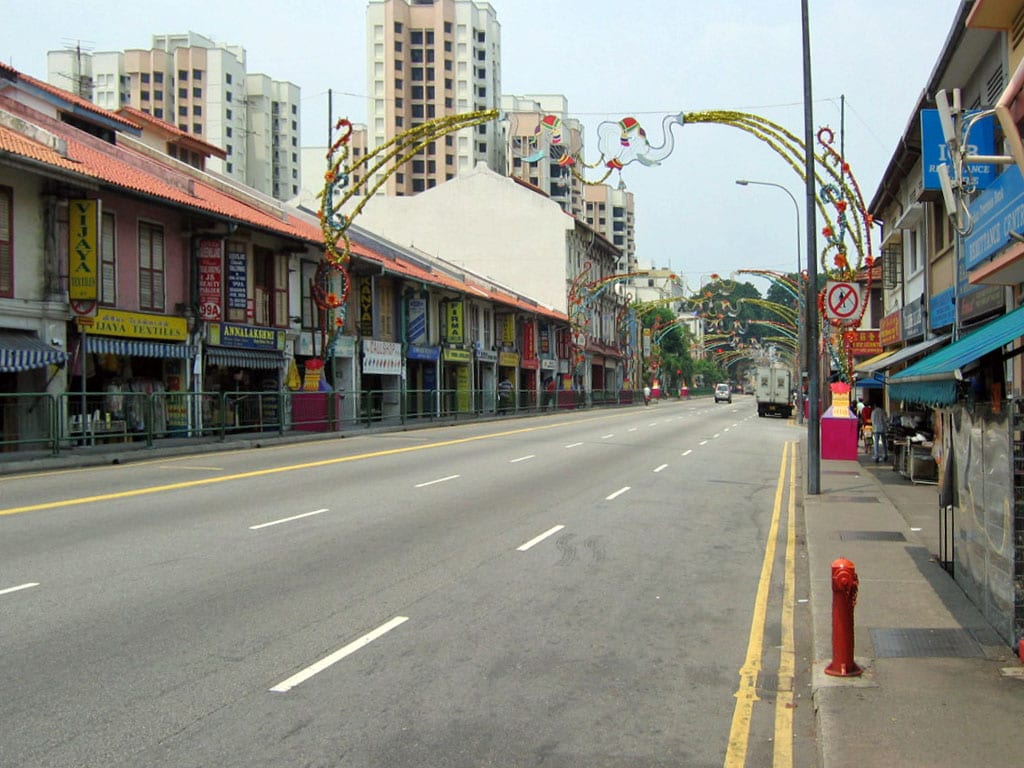
Little India, one of Singapore's most colourful districts, centres on Serangoon Road with its spice shops, gold jewellers, and Hindu temples, reflecting the city's significant Indian community dating back to early colonial-era migration. It is especially vivid during festivals like Deepavali, when the streets are strung with elaborate light displays.
6. Sentosa Island
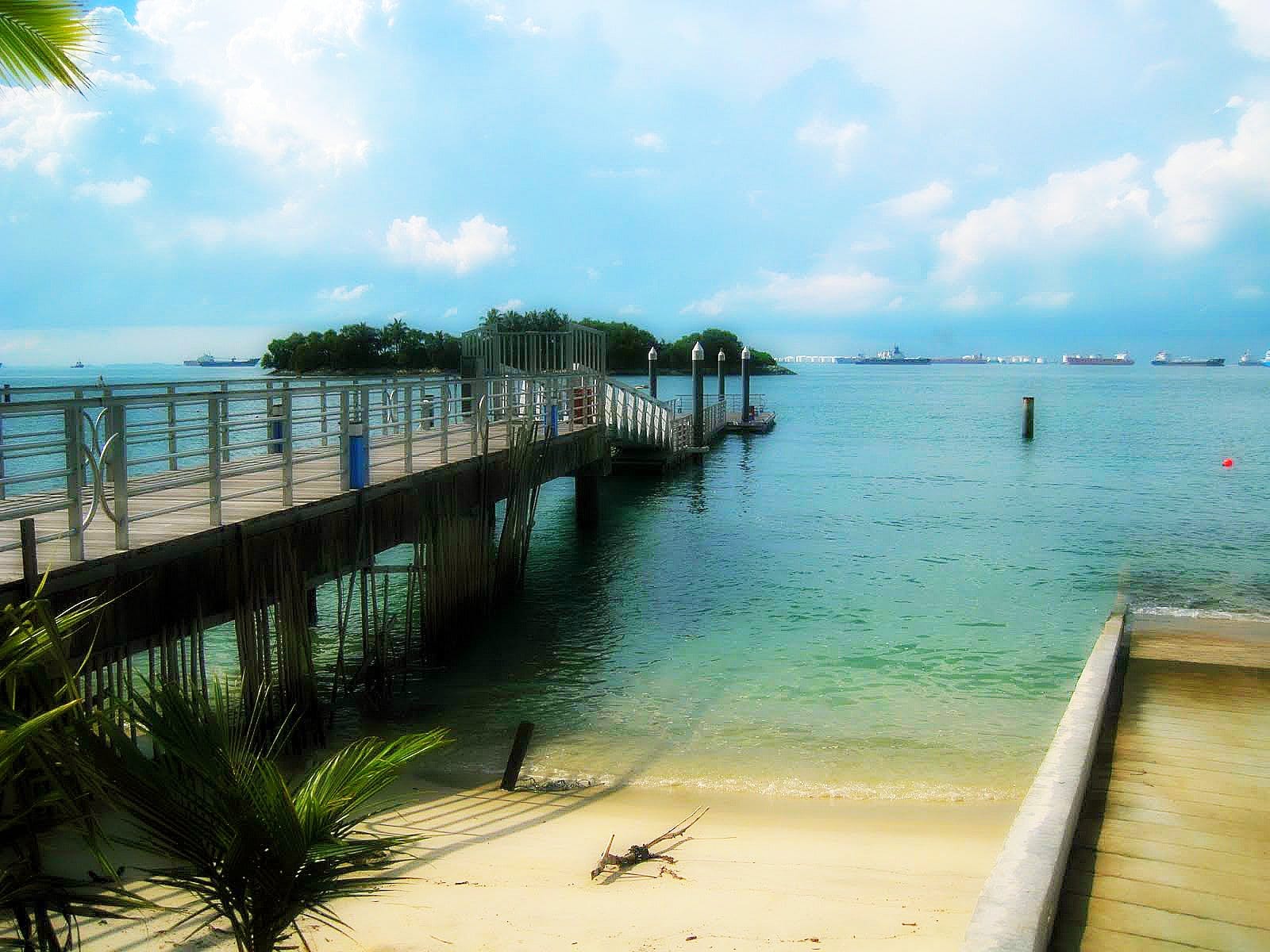
Sentosa, a resort island connected to the mainland by a short causeway, cable car, or monorail, holds Singapore's main beach clubs, a Universal Studios theme park, and family attractions — a deliberately built leisure zone that gives visitors a beach-and-theme-park escape without leaving the city-state at all.
Singapore is compact enough to see thoroughly in three to five days, with efficient public transport making it one of the easiest major Asian cities to explore without a car.