Daily Life · Singapore
Singapore: A Kitchen for the Whole Island
Four in five people housed by the same government agency, a hawker centre standing in for the family kitchen for much of the island, and a working week that still runs long
By Worldlore Editorial · 30 September 2026
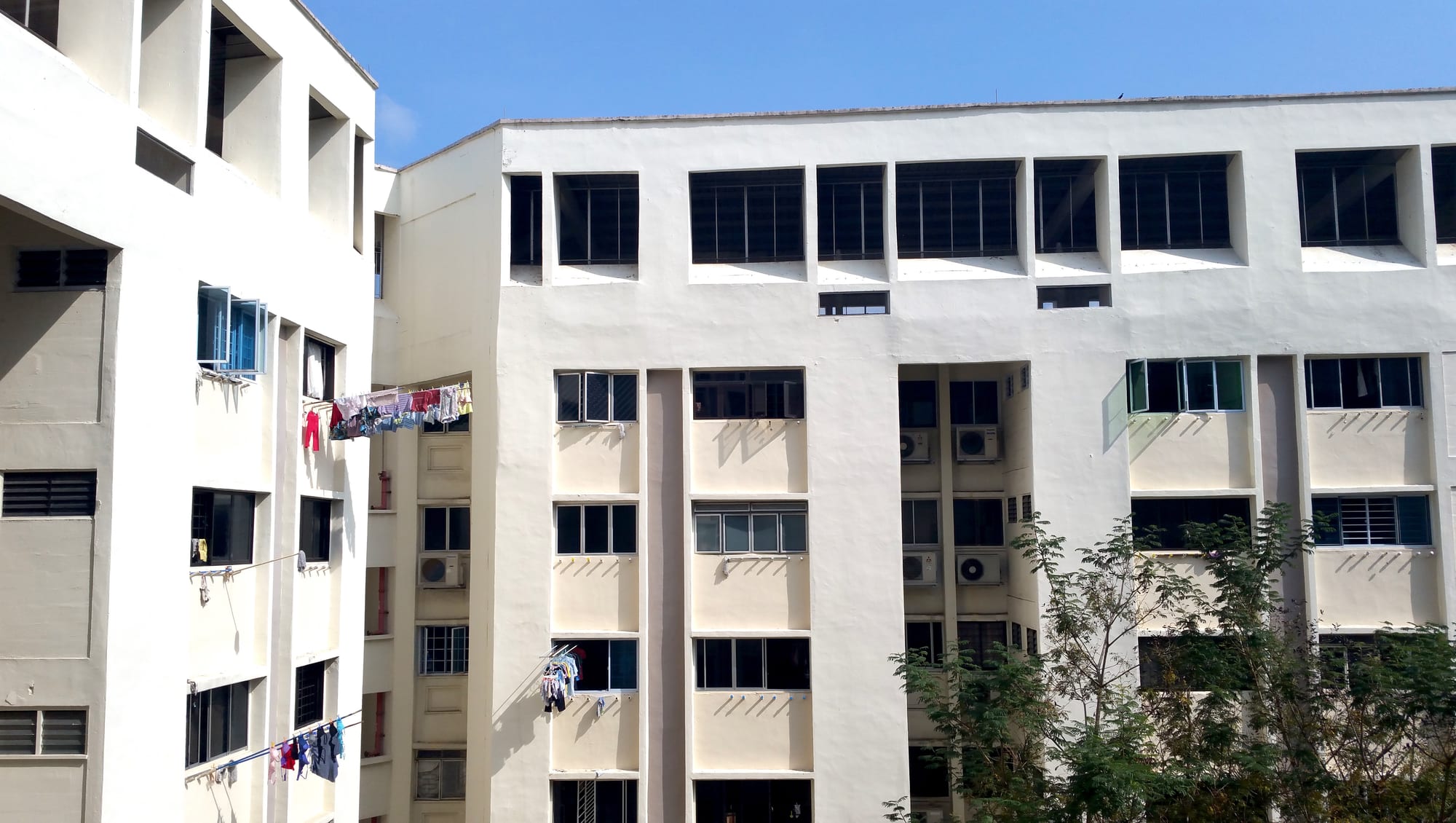
An ordinary day in Singapore runs on a tight, well-signed schedule. Most people wake in one of the government-built apartment blocks that shape the skyline of every neighbourhood, ride a spotless and punctual train or bus to work or school, and many eat at least one meal at a hawker centre, the open-air food court that functions as the country's real communal kitchen. Four official languages sit alongside each other on signage and announcements, and English, in its local Singlish-inflected form, carries most of the day's actual conversation. Underneath the order is a widely shared, half-joking self-description, kiasu, the fear of losing out, which shows up in queues that form early and a work culture that still runs long.
Family and home life
About four in five residents live in flats built and sold by the Housing and Development Board, most of them owner-occupied on 99-year leases rather than rented, and four-room flats are among the most common sizes. Family-based households remain the dominant pattern, and it is common for adult children to buy a flat near their parents rather than far from them, helping with childcare and everyday errands in a country where both parents typically work. Extended family still gathers often even where three generations do not share one flat, and the small shops built into the ground floors of many housing blocks and neighbourhood centres — a hairdresser, a minimart, a coffee shop — keeps daily errands within walking distance of home.
Work, school and the rhythm of the day
Singapore has a reputation for long hours, and while the average has come down over the past decade, employed residents still worked about 41.4 hours a week in 2025, down from roughly 44.2 hours ten years earlier, according to Ministry of Manpower figures. The standard week is Monday to Friday, though some workplaces also open on Saturdays. School is intensely competitive from an early age, built around national examinations at several stages, and after-school tuition is routine for many children rather than exceptional. Male citizens and second-generation permanent residents complete two years of full-time National Service, followed by periodic reservist training up to the age of 40, or 50 for officers, a shared experience that shapes a large part of male social life.
Community life and public spaces
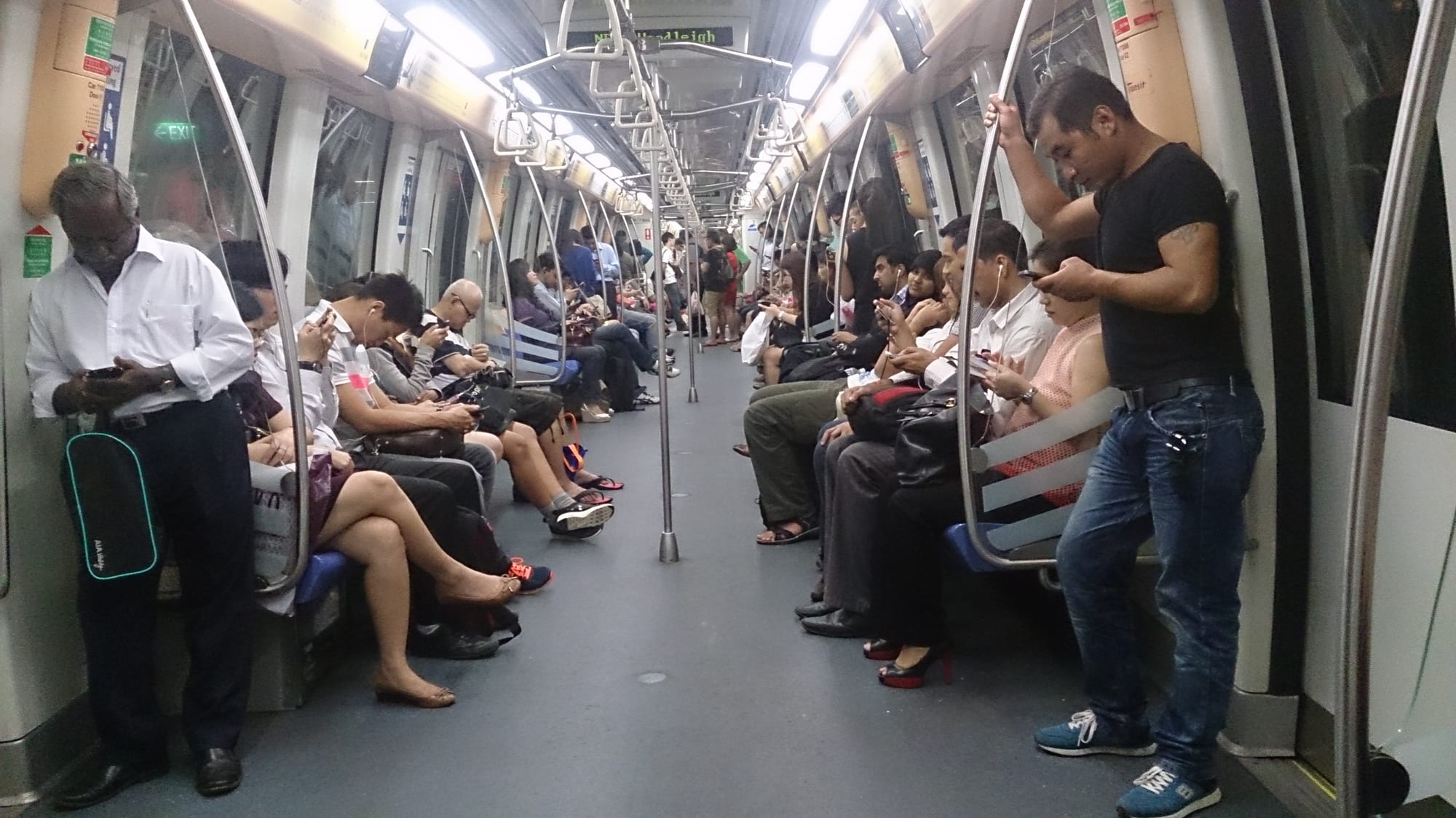
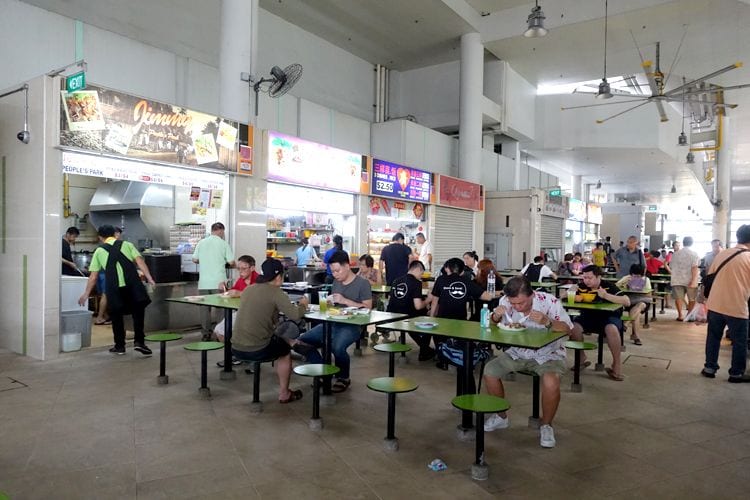
The void deck, the open, roofed ground floor found under almost every HDB block, is the closest thing Singapore has to a village square: residents pass through it daily, children play there on wet afternoons, and it is regularly booked out for weddings, funerals, and birthday parties. Hawker centres serve the same unifying function for food — more than 110 of them operate across the island, selling the cooking of the country's Chinese, Malay, and Indian communities side by side under one roof at shared tables. The MRT and bus network, clean and closely timed, is the backbone connecting all of it, carrying most residents to work, school, and the hawker centre without ever needing a car.
Free time and weekends
Weekends bring longer hawker centre meals with extended family, trips to one of the island's many parks and the connector paths that link them, and a steady flow of people to the shopping malls that anchor almost every town centre. Football is followed closely, void decks and neighbourhood courts fill with badminton and ball games in the cooler evening hours, and Sentosa island and the Botanic Gardens draw both locals and visitors on free days. With the whole island reachable within an hour or two by train, a day trip rarely needs a car, and many households also cross into neighbouring Johor Bahru in Malaysia for cheaper shopping and food.
A visitor's ordinary day
Public transport is the easiest way to move around: tap a contactless bank card or an EZ-Link card on the MRT and buses rather than hailing taxis for every trip. Payment is largely cashless — cards and mobile payment apps work almost everywhere, though some hawker stalls still prefer cash or PayNow. Shops and hawker stalls generally open by mid-morning and stay open into the evening, and returning your own tray after a hawker centre meal is now a legal requirement, enforced with fines like Singapore's other tidiness rules on littering and jaywalking. Drug laws are extremely strict, with mandatory penalties for trafficking, so this is not an area to misjudge.
What to take away
What defines an ordinary day in Singapore is how much of it runs through shared, state-built infrastructure — the same housing agency, the same hawker centres, the same train line — turning a densely packed island into a country where private life and public life sit unusually close together.