Daily Life · Sierra Leone
Sierra Leone: Where Rice Means Food
A very young country where rice is eaten at almost every meal and a meal without it hardly counts, extended families built around the farm, and a capital of market streets and packed poda-poda minibuses
By Worldlore Editorial · 30 September 2026
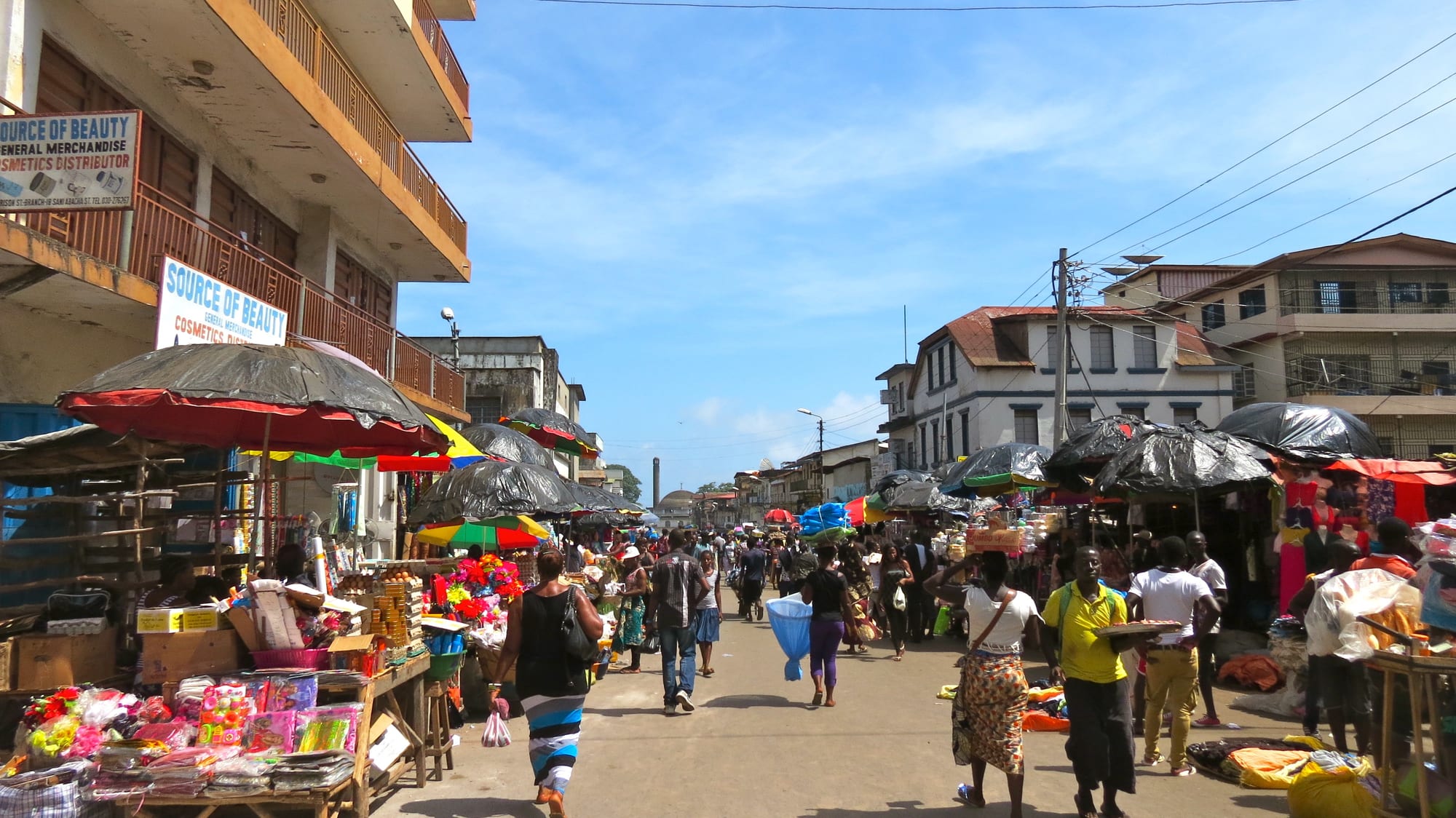
Sierra Leone is a young country in every sense: more than half its people are under 25, and daily life nationwide still runs largely to the rhythm of the rice harvest, even as Freetown's hilly, traffic-choked streets pull in more people every year. Rice sits at the centre of it all so completely that many people feel a meal is not complete without it, and it is eaten at almost every meal whether in a village compound or a city yard. Extended family remains the basic unit that daily life is organised around, stretched further still by a diaspora abroad whose money sent home is a genuine lifeline for many households.
Family and home life
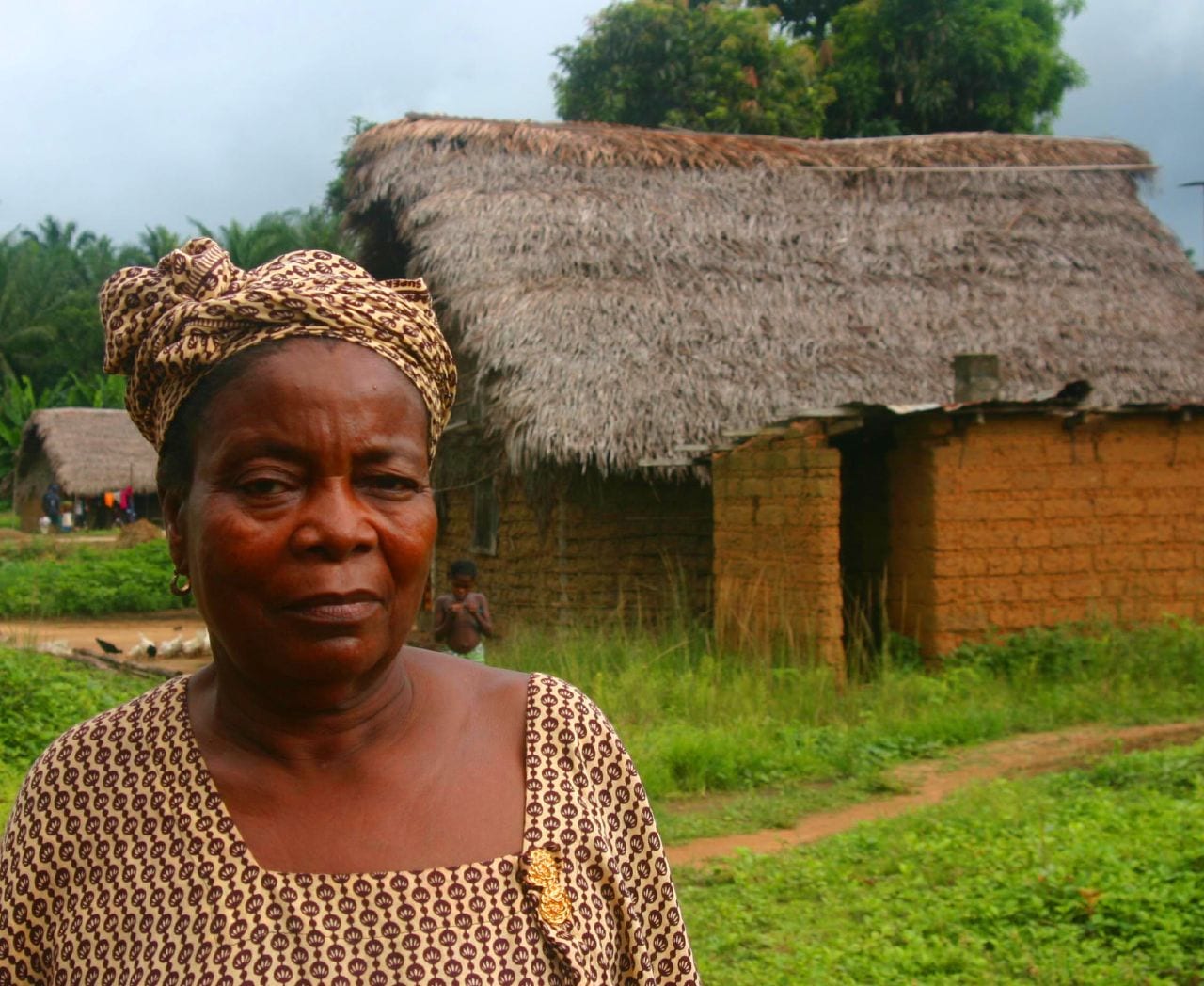
The extended family, not the nuclear household, is the normal unit of daily life, and it is common for grandparents, aunts, uncles and cousins to live together or nearby, with many generations sharing one household complex, particularly in rural areas where the family's rice farm is the organising fact of everyday life. Women and girls generally do the cooking, often over an open wood or charcoal fire, and meals are often served from one large shared dish that the household eats from together. Remittances from relatives working abroad make up a real share of many families' income, and are treated as an ordinary, expected part of how an extended household supports itself, not an exceptional gift.
Work, school and the rhythm of the day
Most Sierra Leoneans outside Freetown still farm, growing rice, cassava and oil palm on a mix of subsistence and small-scale commercial land, with work following the wet and dry seasons rather than a fixed office calendar. Freetown itself, home to well over a million people on a crowded peninsula, runs a more conventional working day, though unreliable electricity means businesses and households alike plan around frequent power cuts. Youth unemployment is high, and since 2024 the country has been dealing openly with a public-health emergency over kush, a cheap, highly addictive drug mixture that has spread fast among young people in the cities; the government declared a national emergency over it, and psychiatric admissions linked to it have soared.
Community life and public spaces
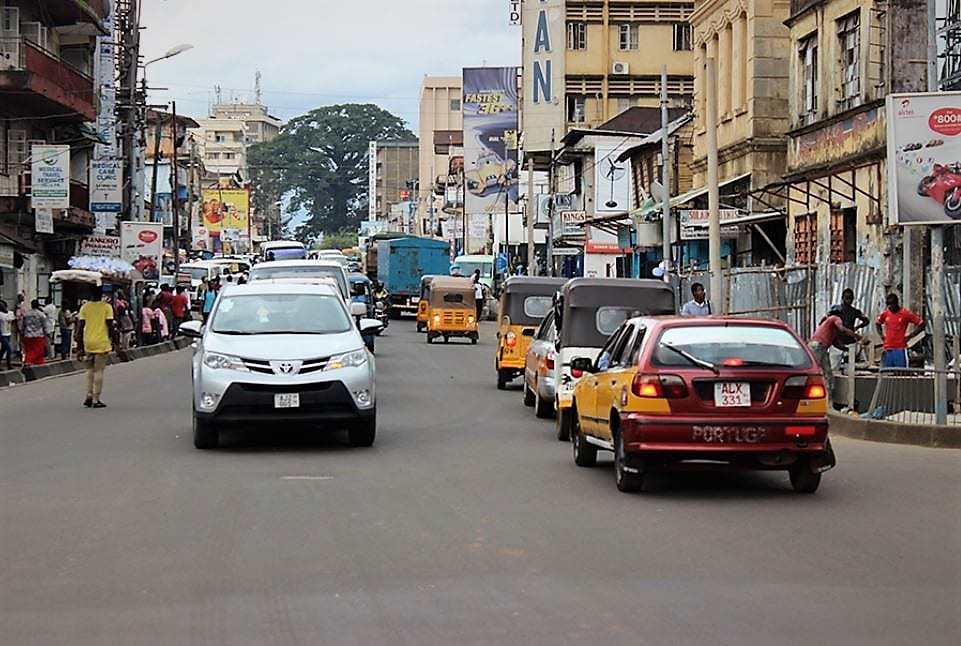
Freetown's streets double as its markets: umbrella-covered stalls selling food, clothing and household goods spill across pavements and roadways in the city centre, and much of everyday buying and selling happens on foot, in the open air, rather than inside fixed shops. Getting around the capital usually means a poda-poda, a shared minibus that runs a semi-fixed route and fills up before it leaves, or an okada motorbike taxi for a shorter, faster hop through traffic that can otherwise crawl along the peninsula's narrow, hilly roads. Away from Freetown, weekly village markets serve the same function on a smaller scale, often the main chance in a week to buy goods that aren't grown or made locally.
Free time and weekends
Football is the country's dominant shared passion, watched and played everywhere from proper pitches to any open patch of ground, and a good match draws a crowd regardless of the day of the week. Weekends bring larger family gatherings and, where a household can manage it, a trip to one of the beaches on the Freetown Peninsula, which are within reach of the capital and popular with residents as well as visitors. Church and mosque attendance shapes a large part of the weekly calendar for many people, alongside the extended family visits that fill whatever free time farm work or city jobs leave over.
A visitor's ordinary day
Sierra Leone runs mostly on cash: the leone is the currency, ATMs are limited to Freetown and a handful of towns, and cards are accepted at only a few hotels, so many visitors carry US dollars to change. Poda-poda minibuses and shared taxis are the cheapest way to get around Freetown, though a private taxi is the safer choice after dark. Expect frequent power cuts, patchy water supply outside the main hotels, and heavy daily rain if travelling during the May–November wet season, which can slow both road travel and daily errands considerably.
What to take away
What defines an ordinary day in Sierra Leone is how much still depends on rice and on family: a young, fast-growing country where the extended household, not the individual, remains the unit that daily life is built and shared around.