Attractions & Natural Wonders · Sierra Leone
Sierra Leone: Five Attractions and Natural Wonders
A 500-year-old cotton tree standing at the symbolic heart of a capital founded by freed and formerly enslaved people, a ruined slave-trading fort now a place of pilgrimage, and beaches ranked among the finest in West Africa
By Worldlore Editorial · 10 September 2026
A capital founded as a haven for the freed
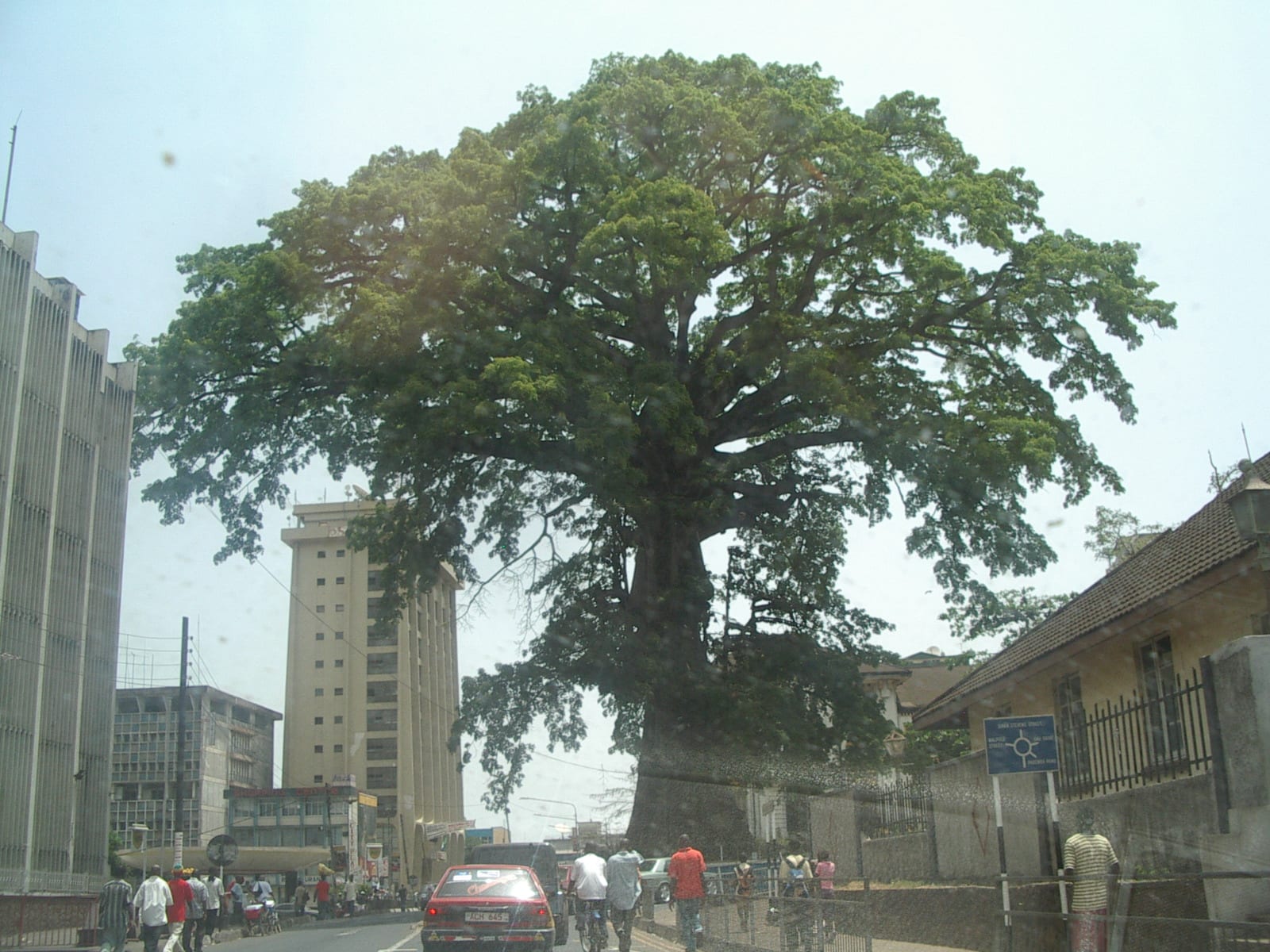
Sierra Leone's capital, Freetown, was founded in the late 18th century as a settlement for freed and formerly enslaved Black people, including Black Loyalists resettled from Nova Scotia and later Africans liberated from intercepted slave ships — a founding story still symbolised by the centuries-old cotton tree standing at the city's heart. Beyond this history, the country holds white-sand beaches regularly ranked among the best in West Africa, and a young but growing wildlife tourism sector centred on endangered chimpanzees.
The five below run from Freetown to its surrounding peninsula beaches and the historic slave-trade site of Bunce Island. The dry season (roughly November to April) is generally the easiest time to visit.
1. The Cotton Tree, Freetown
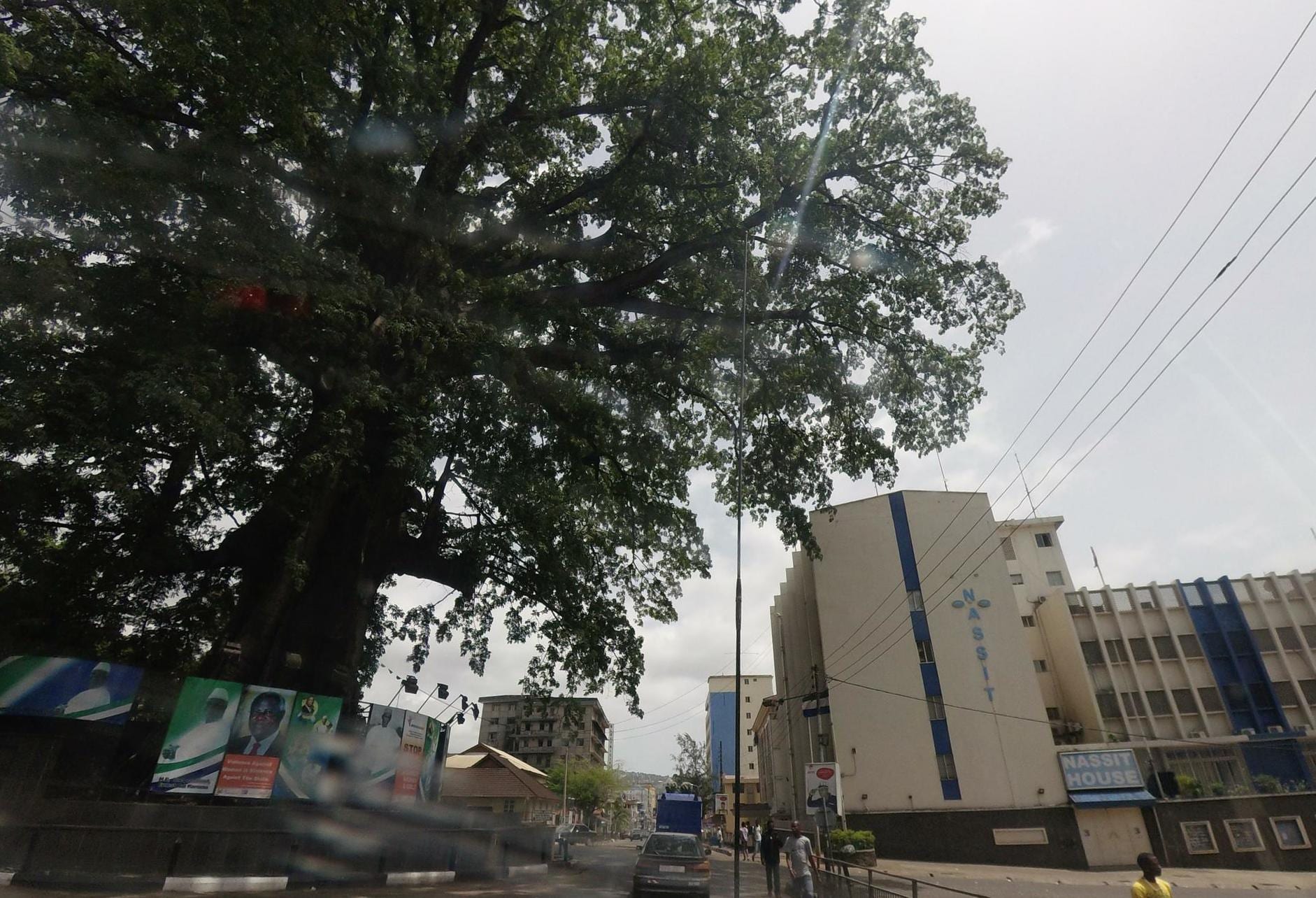
The Cotton Tree, standing at the symbolic centre of Freetown since freed settlers reportedly gathered beneath it to give thanks upon their arrival in 1792, remains the city's most enduring landmark, giving its name to the surrounding streets and serving as an unofficial symbol of the nation itself. The nearby National Museum documents Sierra Leone's history, including this founding story, in more detail.
2. Bunce Island
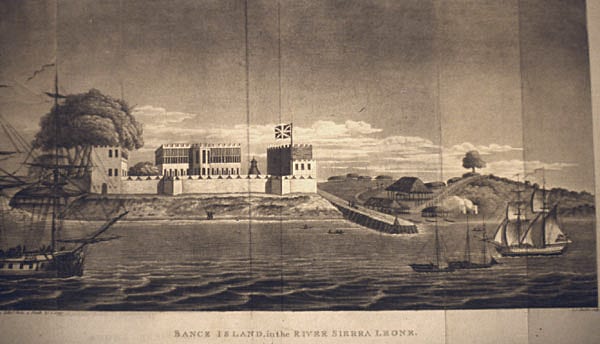
Bunce Island, upriver from Freetown, held a British-run slave-trading fort that shipped tens of thousands of captive Africans across the Atlantic, with particular historical ties to the rice plantations of coastal South Carolina and Georgia in the United States. Its ruins, though little developed for tourism, have become a site of pilgrimage for African Americans tracing ancestral roots to this specific stretch of the West African coast.
3. Tacugama Chimpanzee Sanctuary
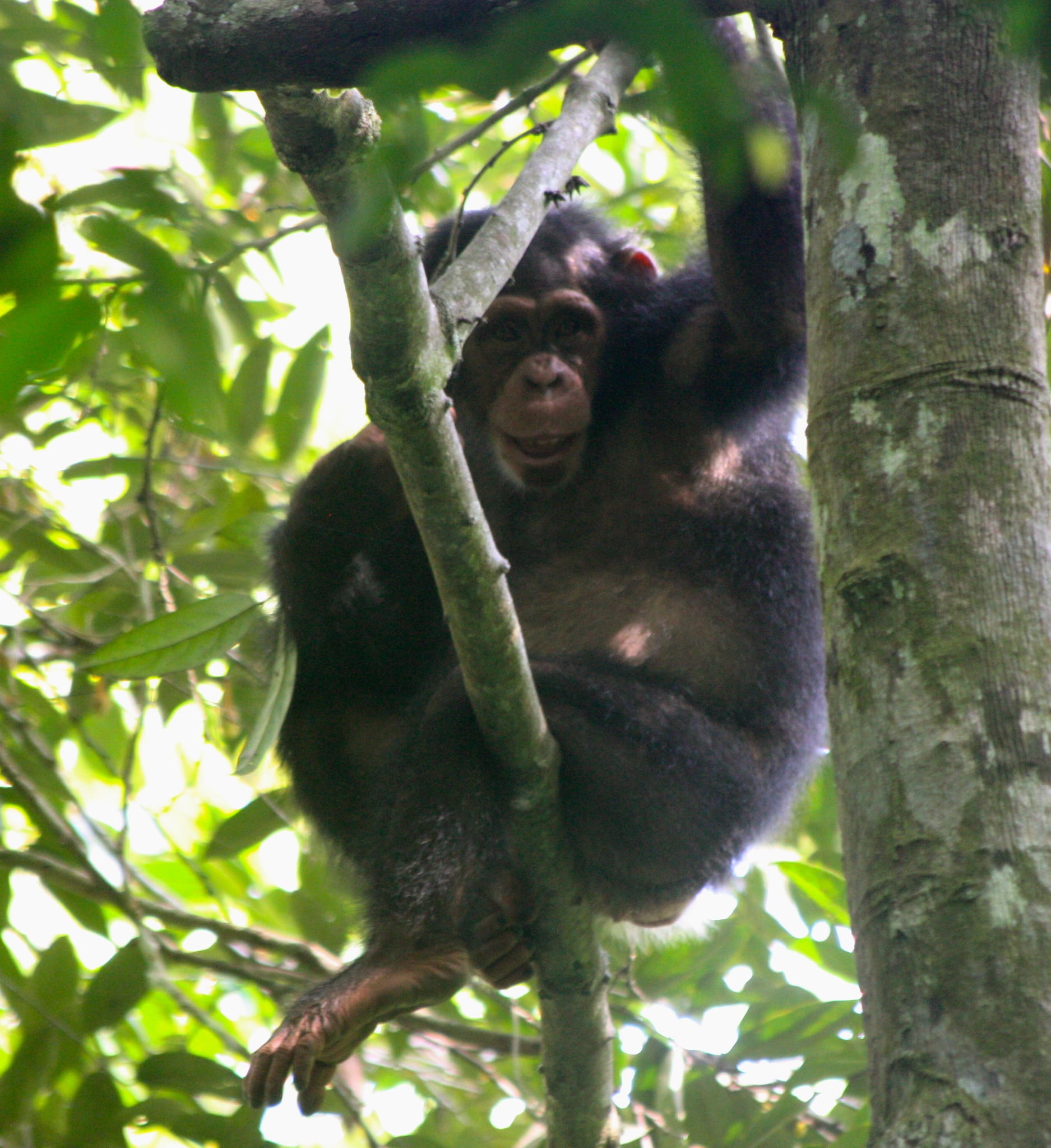
Tacugama, in the forested hills just outside Freetown, rescues and cares for orphaned and rescued Western chimpanzees — a critically endangered subspecies found only in a handful of West African countries — displaced by habitat loss and the illegal wildlife trade. Guided visits let travellers observe the chimps and learn about ongoing conservation efforts to protect the country's remaining wild population.
4. River No. 2 Beach
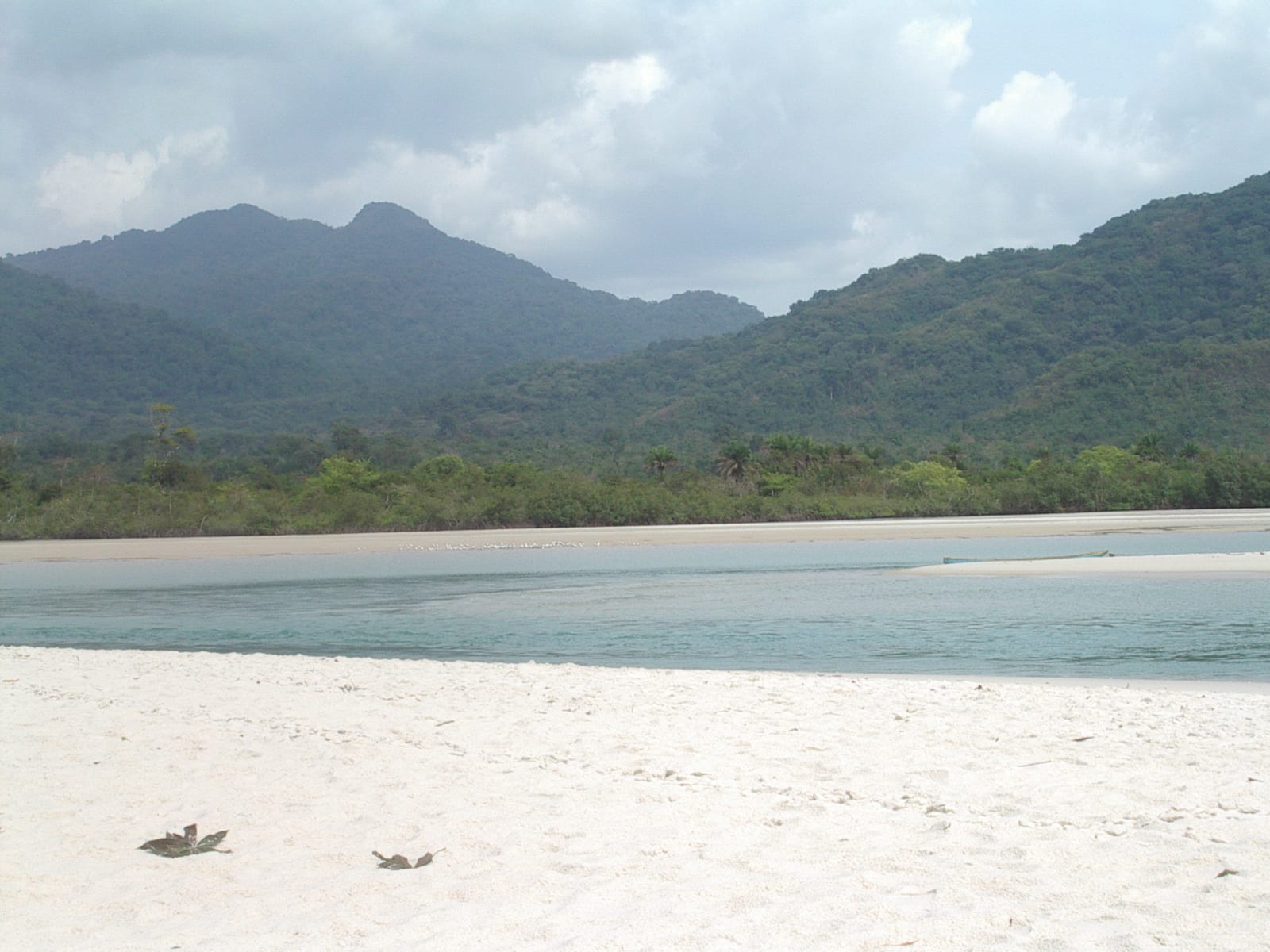
River No. 2 Beach, on the Freetown Peninsula south of the capital, is consistently ranked among the best beaches in West Africa — a wide crescent of pale sand backed by forested hills, with a river mouth at one end offering calm, freshwater swimming as an alternative to the ocean. Its relatively undeveloped state, compared with more built-up beach destinations elsewhere, is part of its appeal.
5. Freetown's beaches
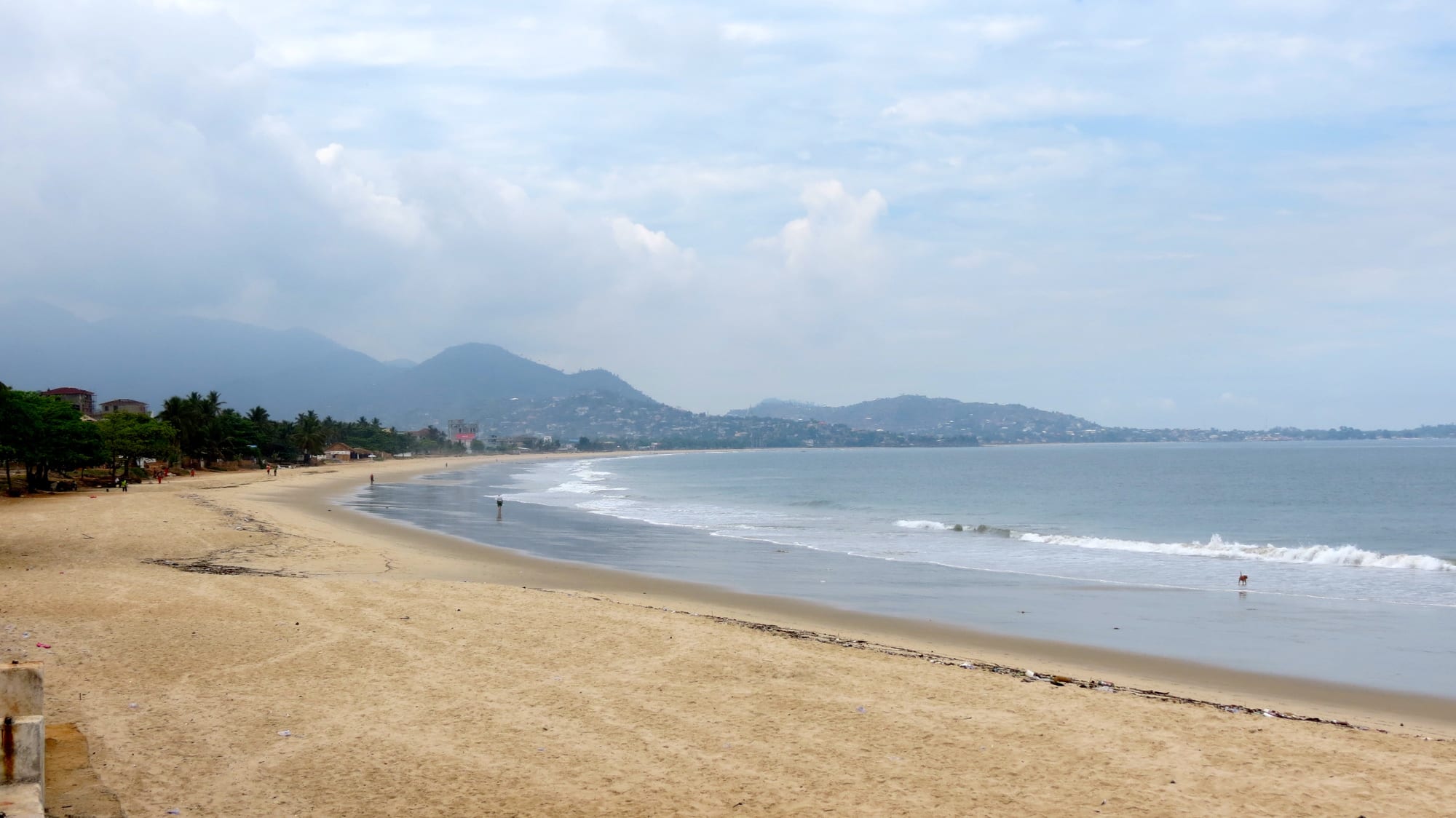
The wider Freetown Peninsula holds a string of beaches beyond River No. 2, including Lumley and Tokeh, each with a slightly different character — some still dominated by local fishing communities, others increasingly home to small resorts and guesthouses as the country's tourism industry, still recovering from civil war and the 2014 Ebola outbreak, continues to gradually rebuild.
Sierra Leone suits a focused week centred on Freetown and its peninsula beaches, with Bunce Island and Tacugama as accessible day trips from the capital for those interested in the country's deeper history and wildlife.