Attractions & Natural Wonders · Saudi Arabia
Saudi Arabia: Six Attractions and Natural Wonders
A lost Nabataean city of tombs carved into sandstone cliffs, the destination of the largest annual religious gathering on earth, and a wind-sculpted rock formation shaped unmistakably like an elephant
By Worldlore Editorial · 9 September 2026
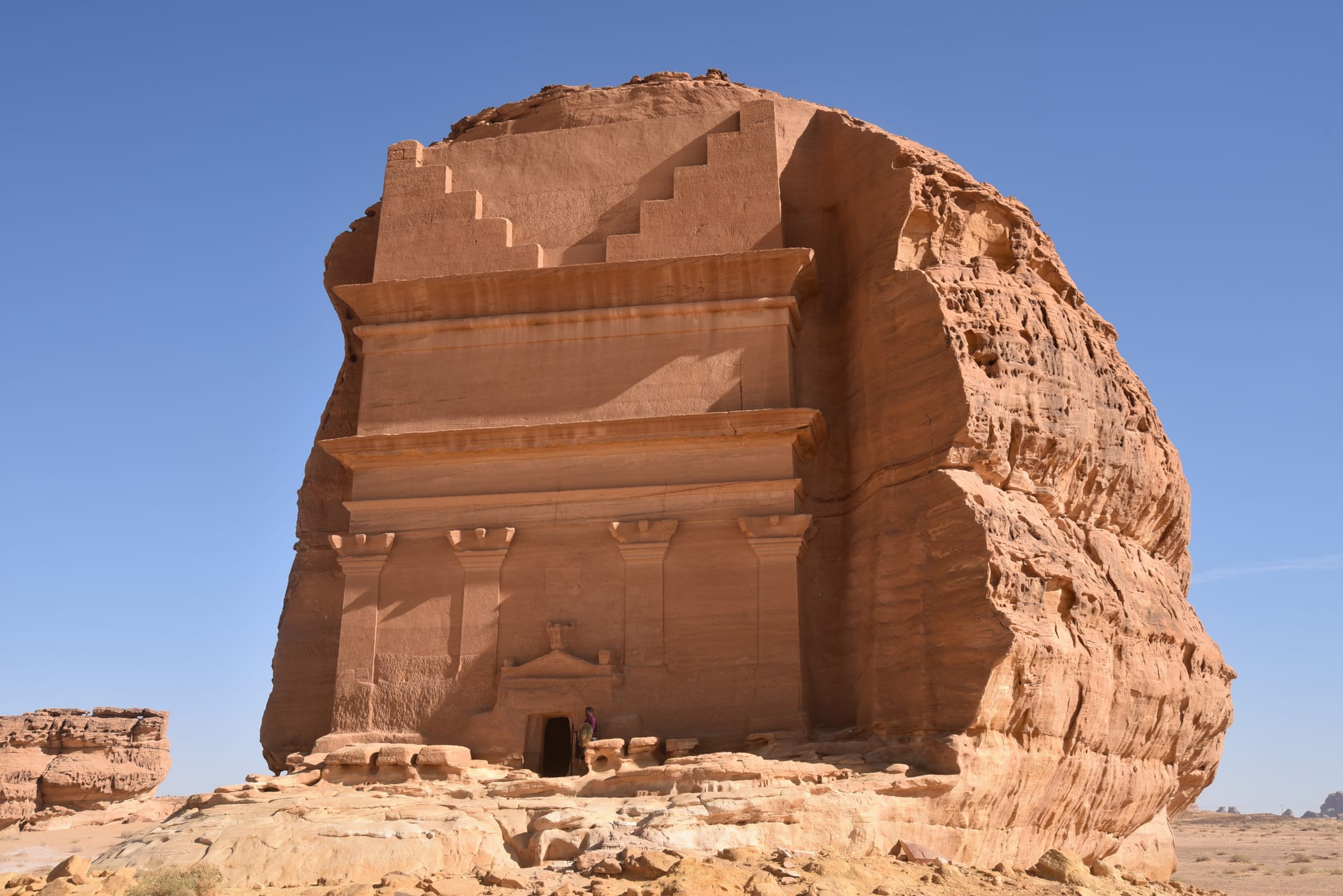
A kingdom newly opened to outside visitors
Saudi Arabia, home to Islam's two holiest cities, only began issuing tourist visas to international visitors in 2019, opening up ancient sites, desert landscapes, and Red Sea coastline that had been essentially closed to general tourism for decades. Its history stretches from Nabataean tomb cities that rivalled Petra to a modern capital transformed by oil wealth, while its religious sites remain, for Mecca in particular, restricted entirely to Muslims.
The six below run from the ancient sites of AlUla to the capital and the Red Sea coast. The cooler months (roughly October to March) are far more comfortable for outdoor sightseeing than the intense summer heat.
1. Hegra
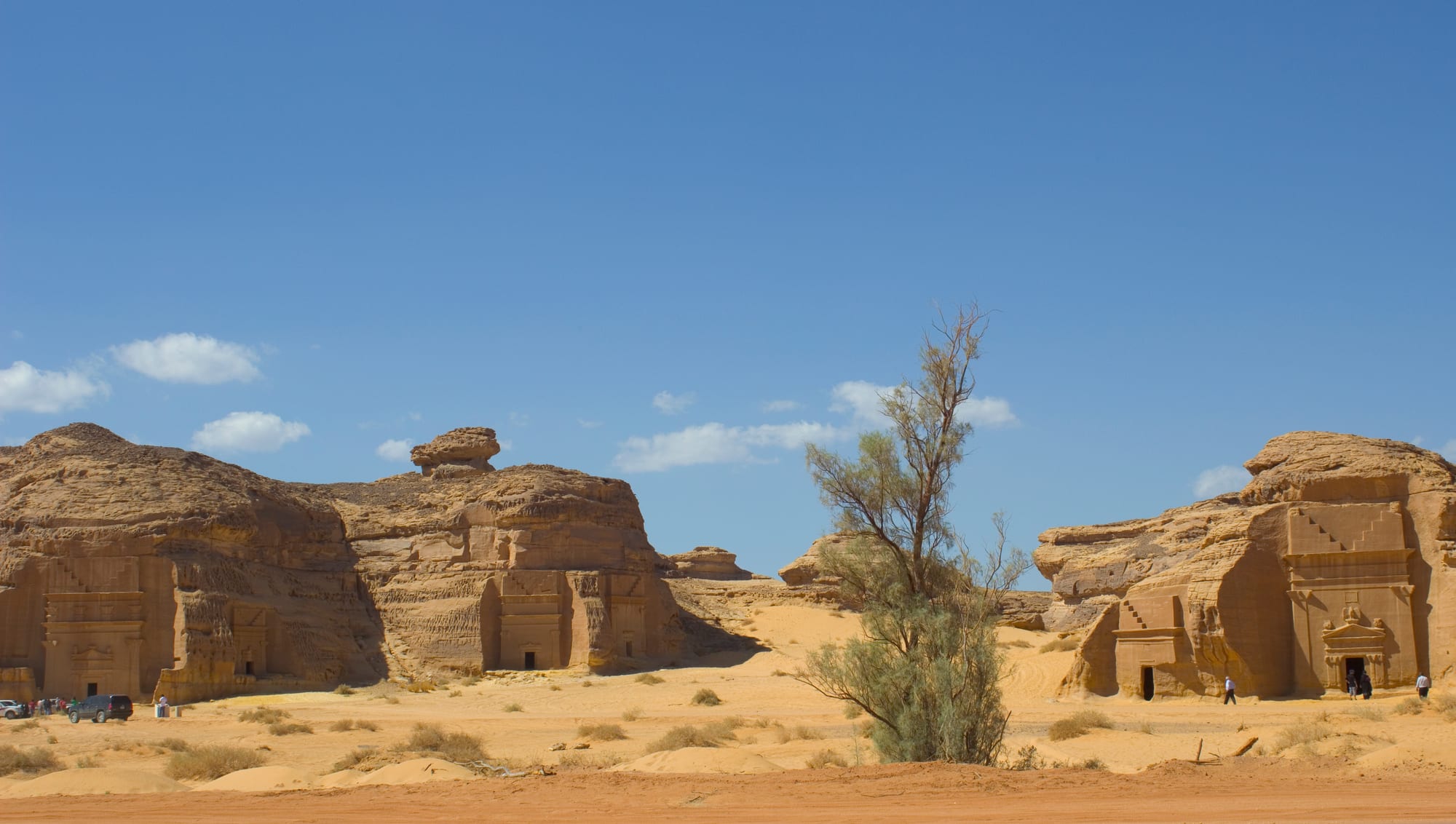
Hegra, Saudi Arabia's first UNESCO World Heritage Site, preserves over a hundred monumental tombs carved by the Nabataeans — the same civilisation responsible for Petra in Jordan — into sandstone outcrops across a remarkably well-preserved desert site. Long closed to casual visitors, it has become the centrepiece of the wider AlUla region's rapid development into one of Saudi Arabia's flagship tourism destinations.
2. Elephant Rock, AlUla
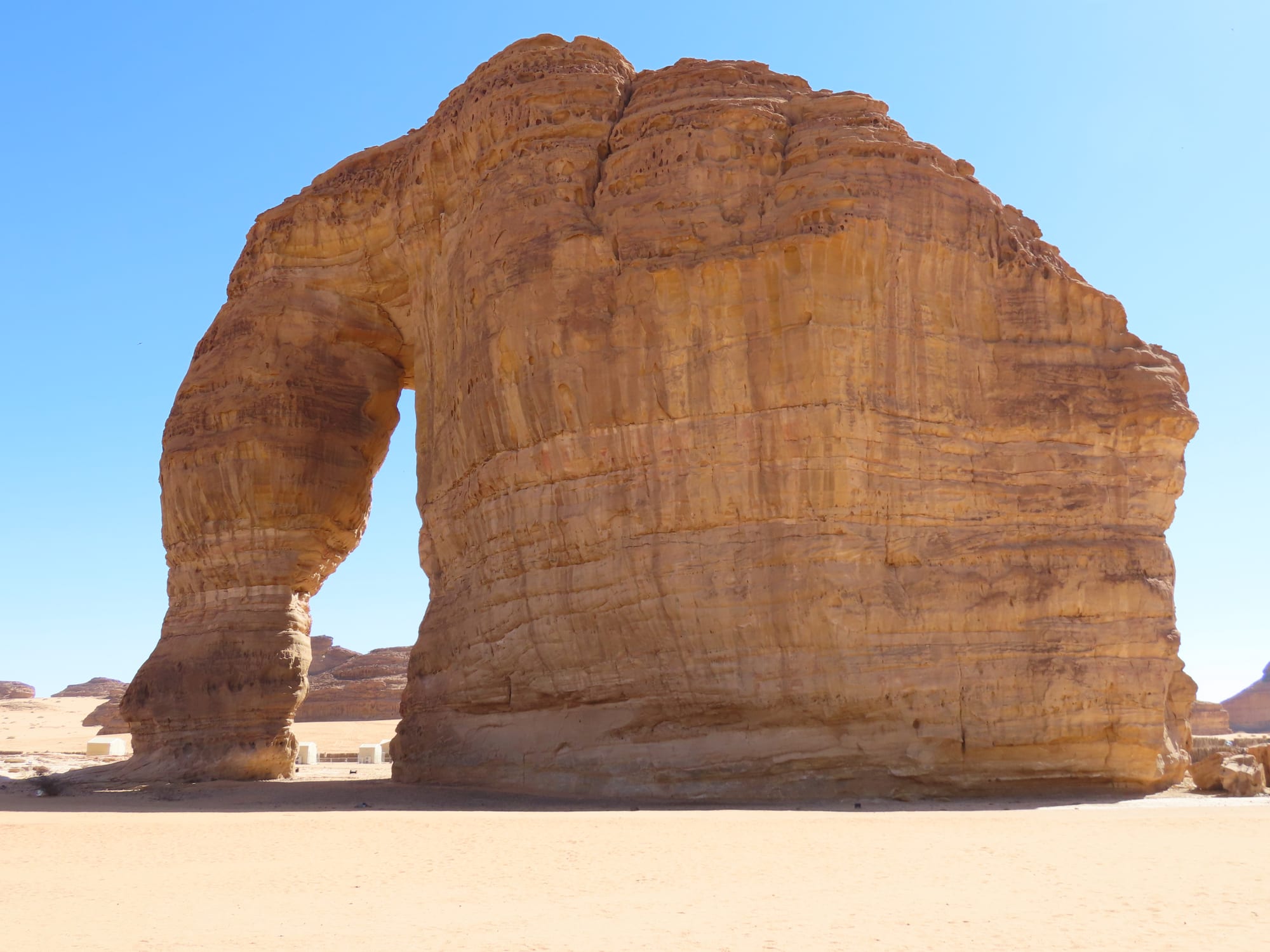
Elephant Rock, a striking sandstone formation eroded by wind over millions of years into an unmistakable elephant shape, sits among a wider landscape of similarly wind-carved rock formations across the AlUla valley — a popular sunset viewing spot now equipped with cafés and seating specifically built to take in the view as the rock's colours shift in the evening light.
3. Riyadh
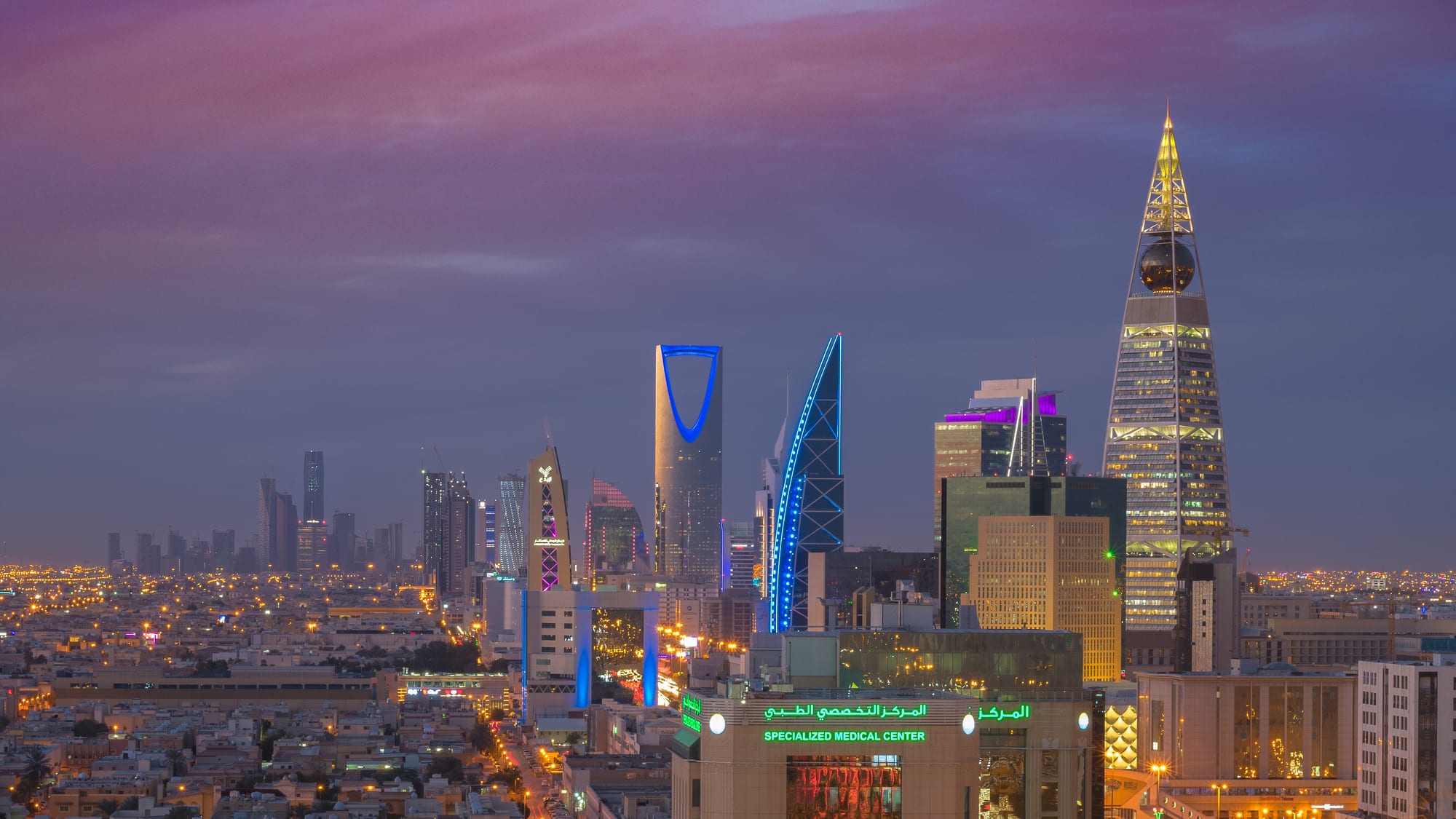
Riyadh, Saudi Arabia's capital, has grown from a modest walled town into a dense modern skyline within living memory, its Kingdom Centre and other towers reflecting the country's oil-driven transformation. Diriyah, the historic mudbrick birthplace of the Saudi royal family on the city's edge, is a UNESCO World Heritage Site offering a direct contrast to the capital's contemporary architecture.
4. The Masjid al-Haram, Mecca
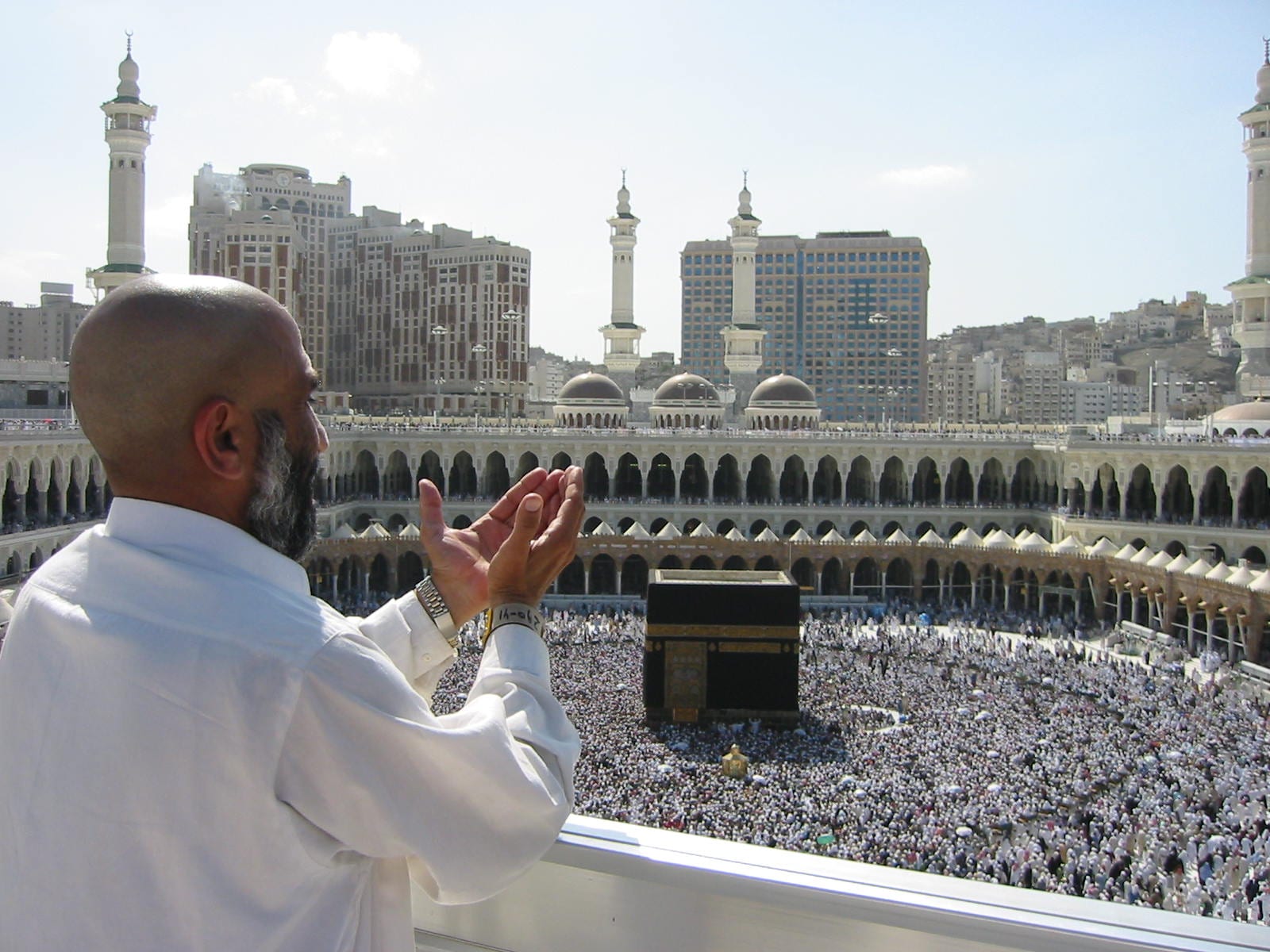
The Masjid al-Haram, surrounding the Kaaba in Mecca, is the holiest site in Islam and the focal point of Hajj, the annual pilgrimage that draws several million Muslims from around the world each year, alongside Umrah pilgrims outside the Hajj season. Entry to Mecca itself is restricted to Muslims only, making this the one major site on this list that non-Muslim visitors cannot access in person.
5. Historic Jeddah (Al-Balad)
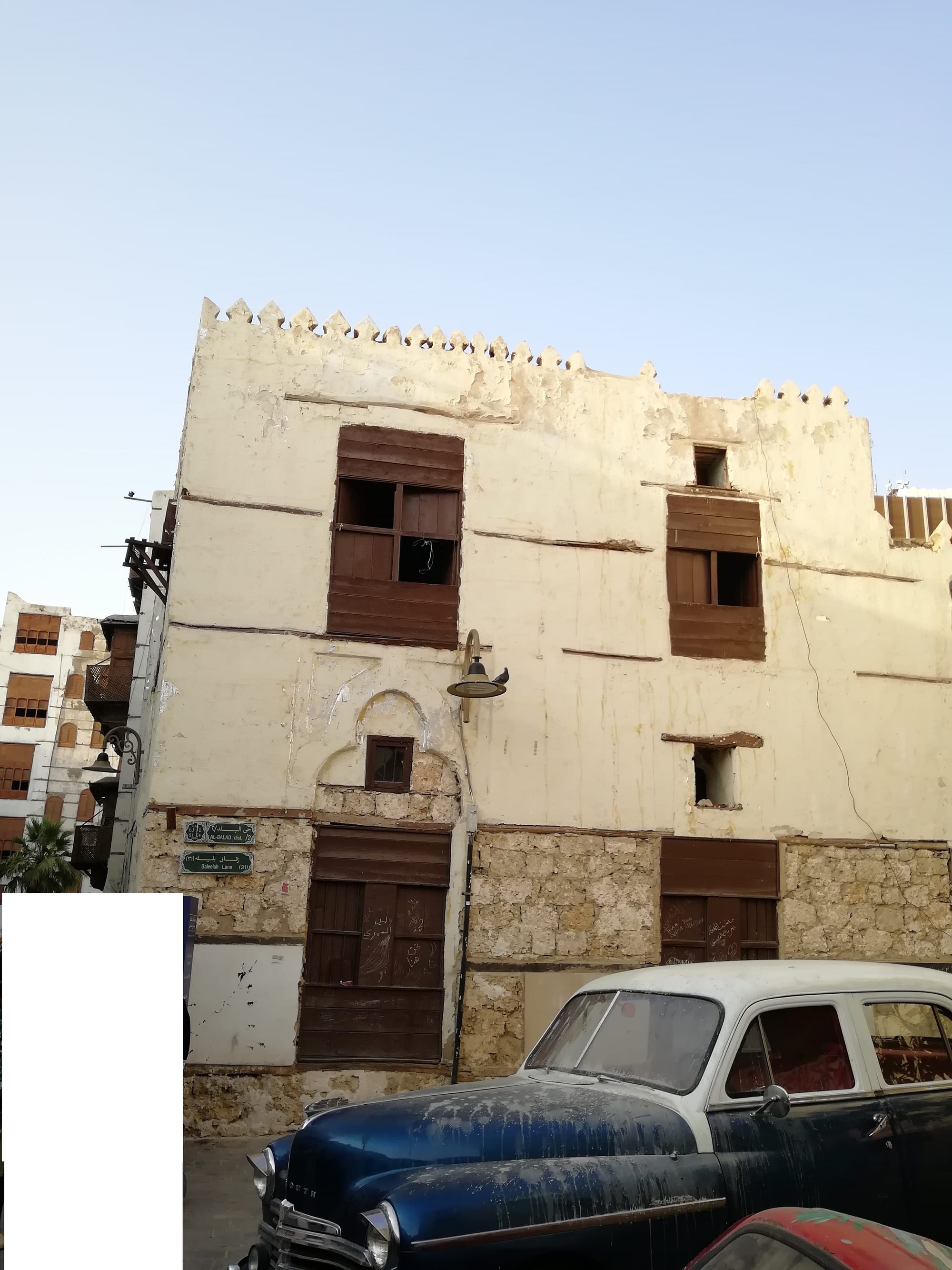
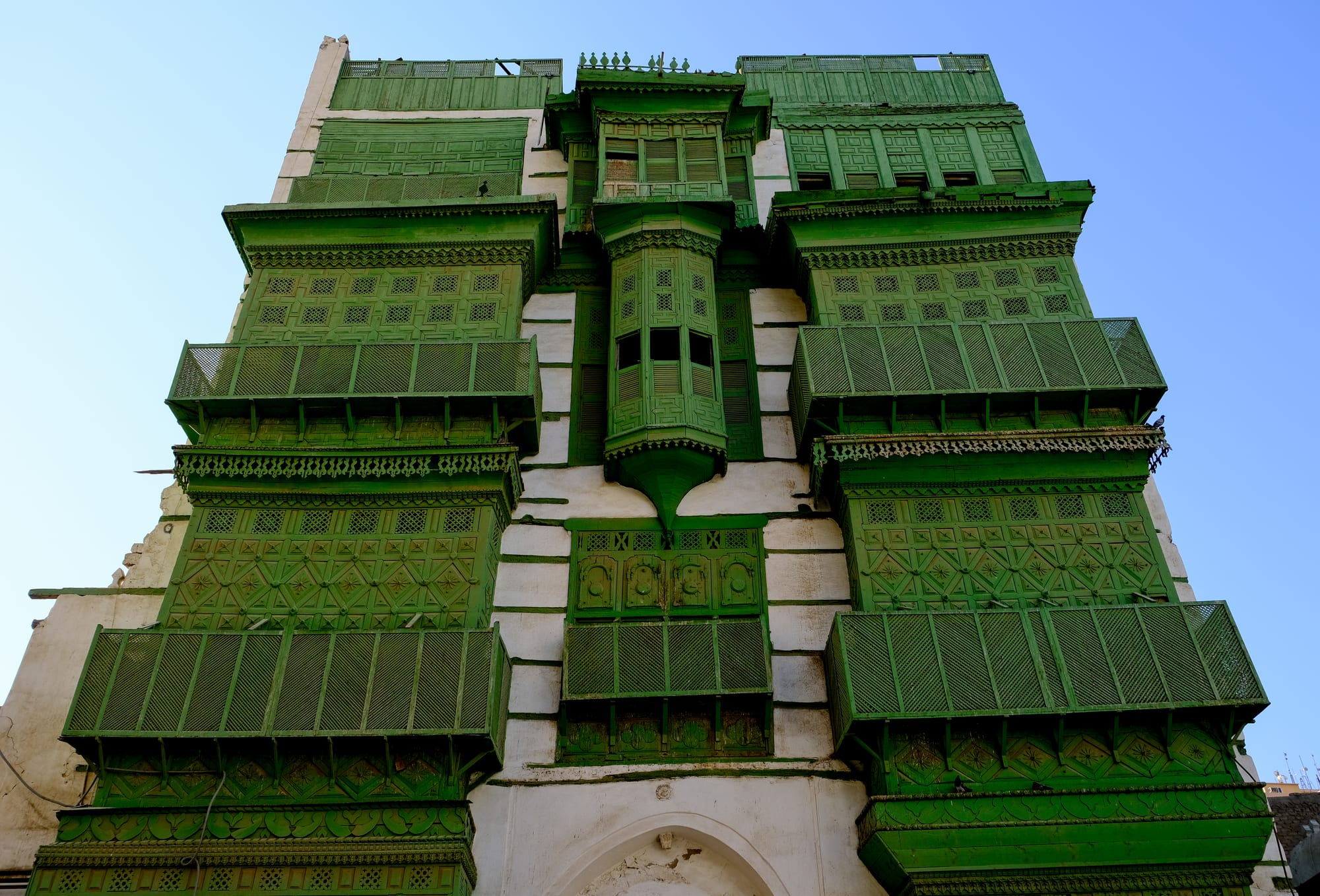
Al-Balad, Jeddah's historic old town, preserves multi-storey coral-stone merchant houses decorated with elaborately carved wooden lattice windows (rawasheen), built over centuries by a trading city that served as the main gateway for Hajj pilgrims arriving by sea. A UNESCO World Heritage Site, it gives one of the clearest windows anywhere into pre-oil Red Sea coastal architecture and urban life.
6. Jeddah's Red Sea coast
Beyond its historic core, Jeddah serves as the main gateway to Saudi Arabia's Red Sea coastline, home to extensive, largely undived coral reefs now being opened up for diving and snorkelling tourism as part of the country's broader push to diversify beyond religious and business travel — alongside a modern seafront corniche lined with public sculpture and, notably, one of the world's tallest fountains.
Saudi Arabia's tourism infrastructure remains new and rapidly expanding: a trip combining Riyadh, AlUla, and Jeddah gives a well-rounded introduction, generally requiring at least a week to ten days given the distances involved and each site's own logistics.