Daily Life · São Tomé and Príncipe
São Tomé and Príncipe: Life at Leve-Leve Speed
Households often run by women who trade at the market, a working day still shaped by the old cocoa estates, and an everyday byword — leve-leve, "easy-easy" — that is less a slogan than a description of how the day actually moves
By Worldlore Editorial · 30 September 2026
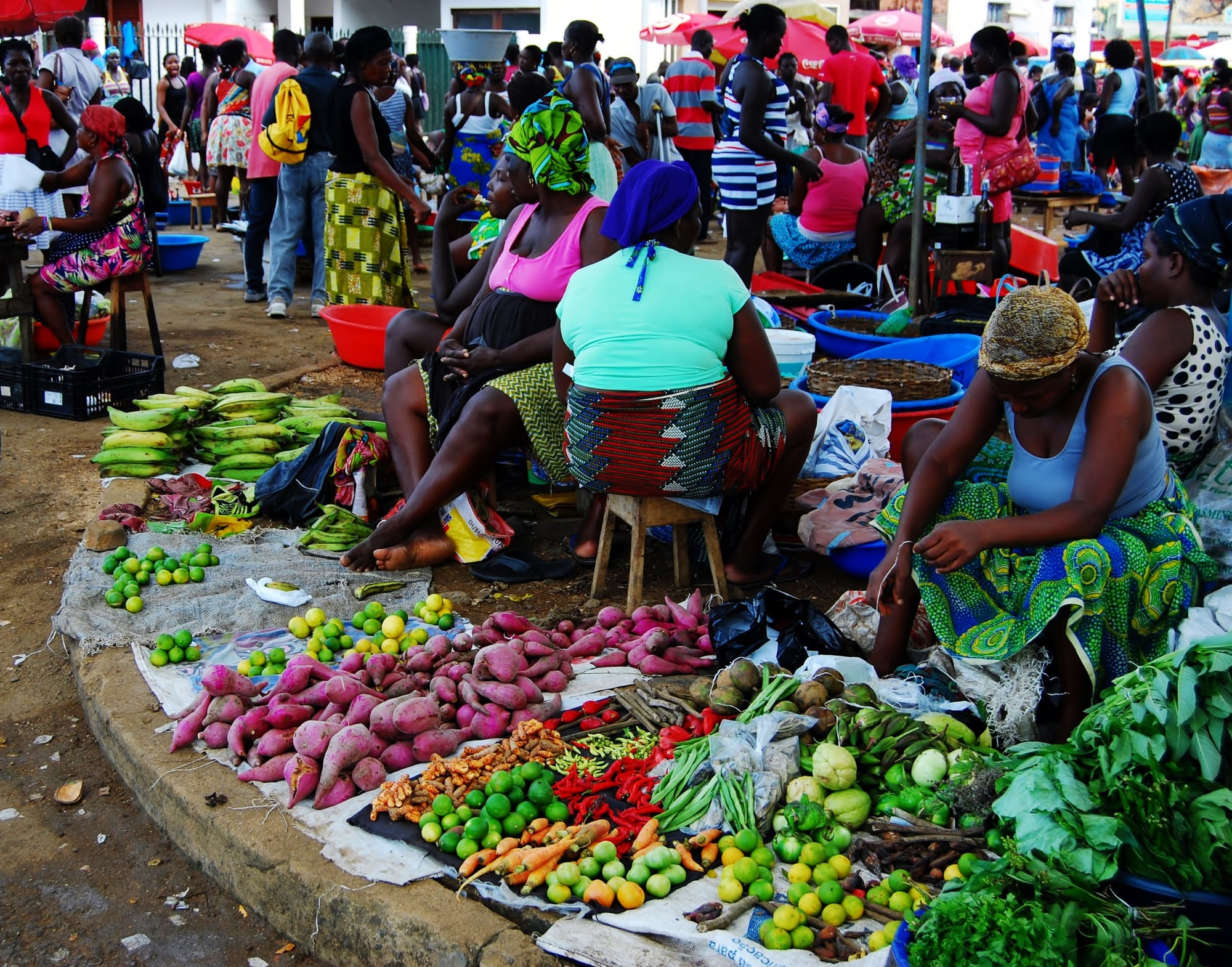
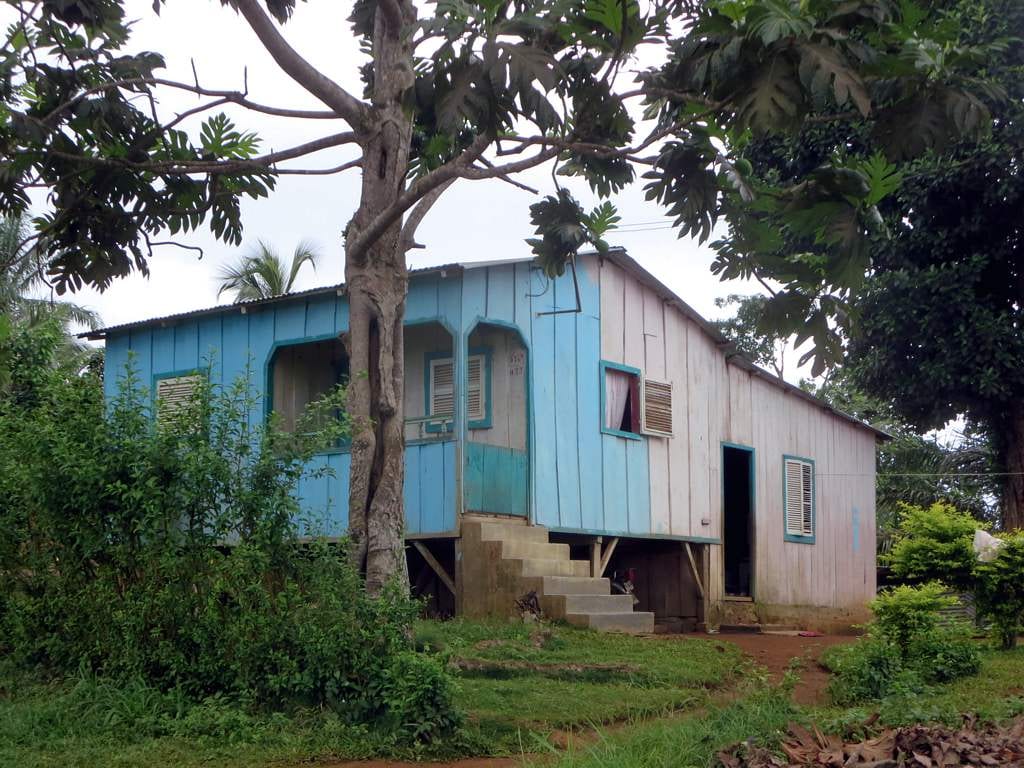
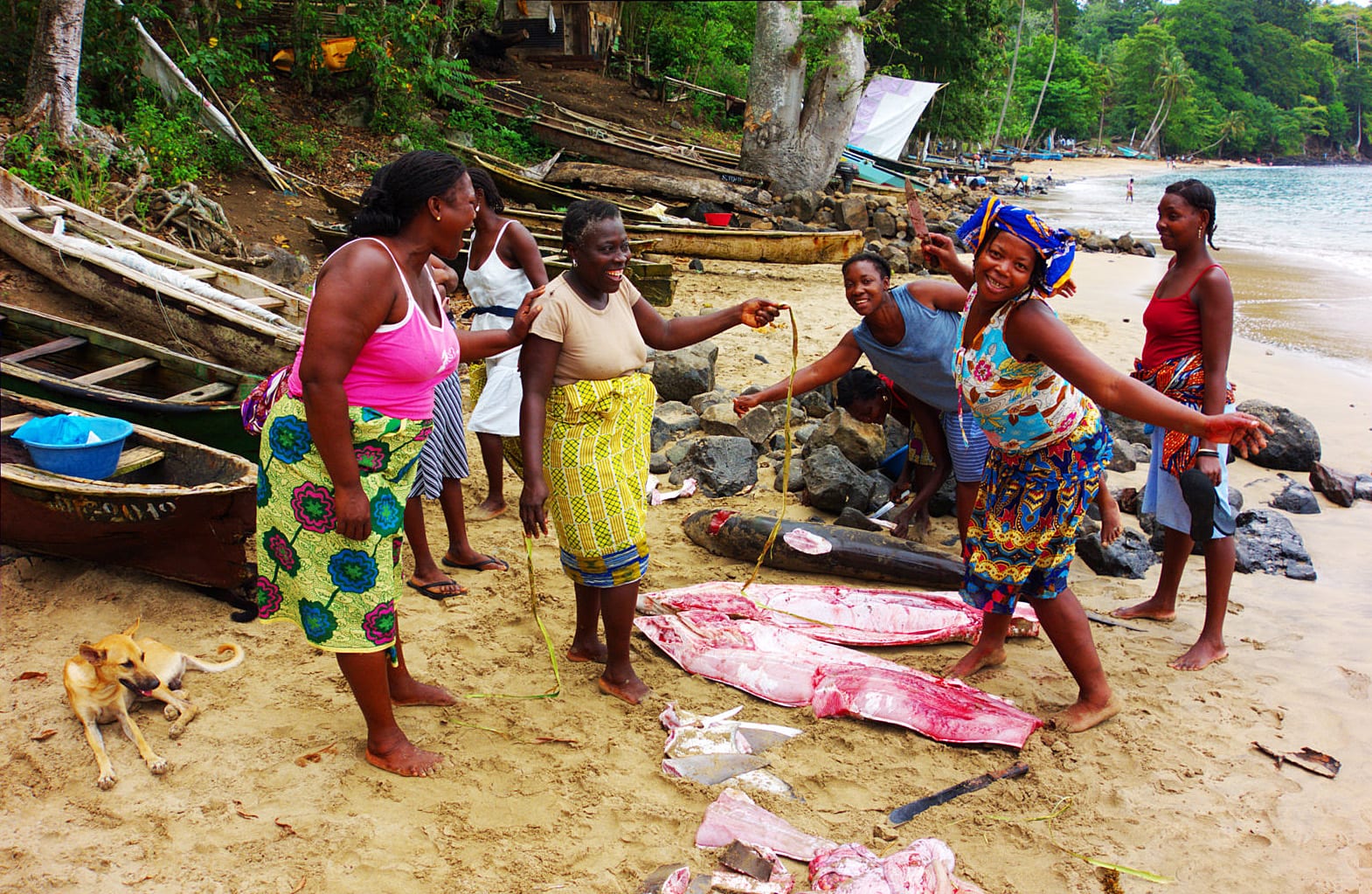
Life on São Tomé and Príncipe moves at what islanders themselves call leve-leve, easy-easy, a phrase that doubles as an unofficial national motto. Days open early and warm quickly under the equatorial sun, fishermen bring pirogues in with the morning catch, and market women carry produce to town on their heads to sell by midday. Much of the population still lives within reach of the old roças, the colonial-era plantation estates that once ordered the working day and whose old buildings still sit at the heart of many villages. Many households are headed by women, and much of the family's money passes through their hands.
Family and home life
Around two in five households are headed by women (39% in a 2009 count), and women who trade often manage their own income. Church marriage exists alongside informal unions, and many couples live together without marrying formally. Extended family and community ties fill the gaps this leaves, particularly on the old roças, where workers' housing was built close together and family life spilled into shared outdoor space.
Work, school and the rhythm of the day
Primary school starts at six and enrolment is high by regional standards; most children now complete primary school, and far more continue into secondary than a generation ago. Secondary schools are fewer than primary schools, so for some rural children continuing means a longer daily journey or a stay with relatives in town. Work for adults still follows the shape the roças gave the country: many rural households farm cocoa, coffee or food crops on land that was once plantation ground, while coastal families fish from wooden pirogues, work that starts early so the catch can reach market the same morning. A standard working week runs Monday to Friday, though market trading and small errands continue into Saturday.
Community life and public spaces
The market is the true public square of São Toméan daily life, and it is largely a women's space: many produce and fish sellers are women, and many lay out their goods on cloths spread over the ground rather than at fixed stalls. Fishing beaches serve a similar function in coastal villages, where boats are drawn up beside houses and the day's catch is processed and sold on the sand within sight of home. Power cuts are frequent outside the capital, which shapes evenings as much as any planned gathering does, and church, still a strong presence in this largely Catholic country, anchors the weekly calendar alongside the market.
Free time and weekends
Football is the most popular sport and a big social outlet for many young men, played on any patch of open ground as much as in an organised league. Beaches fill on Sundays and public holidays, both for swimming and for family gatherings that can run all afternoon, and the beaches near the capital and the palm-lined coves further out see steady local use, not just visitors. Church attendance remains a fixture of the weekly rhythm for much of the population, and the tchiloli and danço-congo, the islands' centuries-old outdoor performances of music, dance and theatre, still draw crowds when a performance falls on a free day.
A visitor's ordinary day
São Tomé and Príncipe runs mostly on cash: the currency is the dobra, pegged to the euro since 2010, and euros themselves are widely accepted, but cards work at only a handful of hotels and ATMs are largely confined to the capital, so visitors should carry enough cash for time outside São Tomé town. Roads on São Tomé are serviceable near the capital but rough and unlit in the interior and south, so a 4x4 and daylight travel are worth planning around; Príncipe is small enough that lodges arrange transfers directly. Power cuts happen without much warning outside the main towns, and journeys, whether by shared taxi, hired car or the infrequent Príncipe boat, generally take longer than the map suggests.
What to take away
An ordinary day here runs on the rhythm the roças first set and the market women still keep: unhurried by outside standards, but organised, cash in hand, around who actually does the work of running the household.