Food · São Tomé and Príncipe
São Tomé and Príncipe: Food and the National Dish
A fish stew simmered with palm oil and greens, from a small volcanic island nation once among the world's largest cocoa producers
By Worldlore Editorial · 16 September 2026
A cuisine shaped by volcanic soil and a plantation past
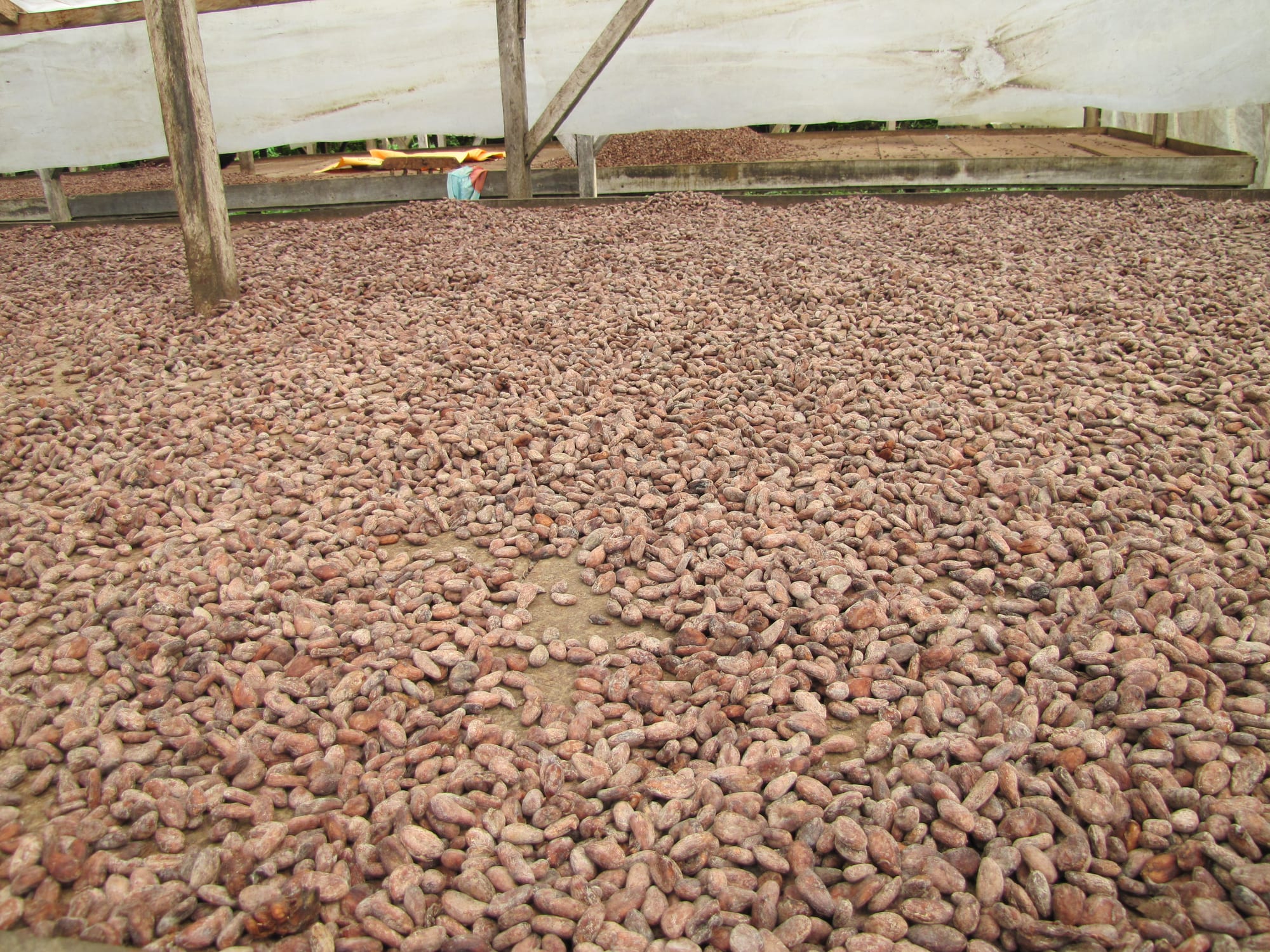
São Tomé and Príncipe, a small two-island nation off the coast of Central Africa, was once among the world's largest cocoa producers, a colonial-era plantation economy that reshaped the islands' population and food history alike, even as everyday island cooking leans more on fish and local produce than on the cocoa crop itself.
The national dish: calulu
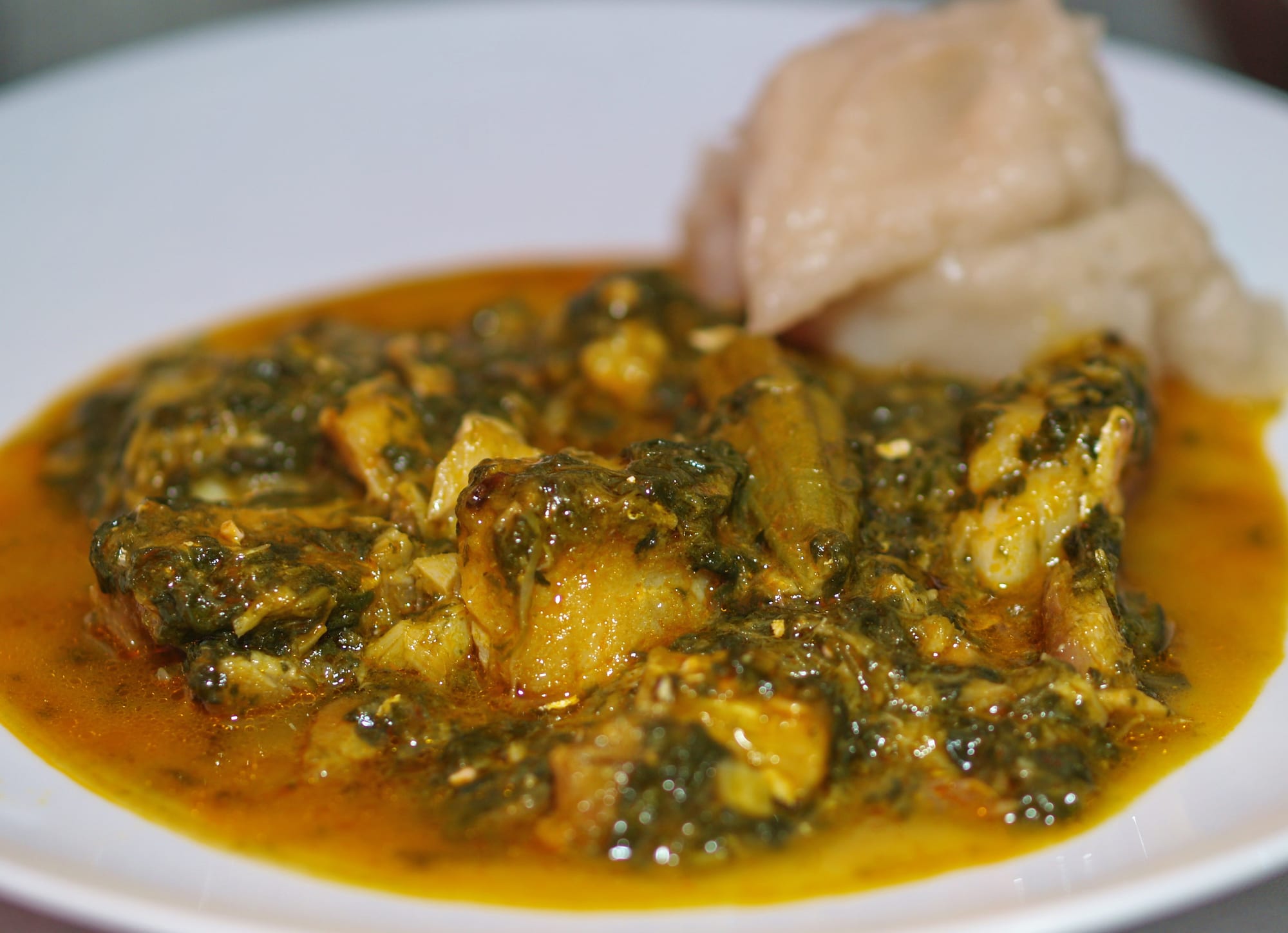
Calulu, a stew of fish or meat cooked with palm oil, okra and leafy greens, often served with funge (a cassava or cornmeal paste), is São Tomé and Príncipe's national dish. Genuinely shared with Angola under the same name, calulu reflects the two countries' historic Portuguese colonial and Atlantic trade connections, though the São Tomé version leans more heavily on the islands' own fresh fish.
Fish, palm oil and a genuinely tropical pantry
Fresh fish, caught from the waters surrounding both islands, and palm oil anchor most everyday São Tomé cooking, alongside cassava, breadfruit and banana. Cocoa, historically the islands' dominant export crop, and coffee, also grown on the volcanic soil, round out a pantry shaped as much by colonial-era plantation agriculture as by the islands' own fishing tradition.
History behind the plantation
Portuguese colonisers established São Tomé as one of the world's leading cocoa-producing territories by the early 20th century, a plantation economy, known locally as the roça system, that relied on forced and contract labour and reshaped the islands' population through the arrival of workers from across Portuguese Africa. Cocoa production has declined significantly since independence in 1975, but the islands' volcanic soil continues to support a smaller, increasingly specialty-grade cocoa and chocolate industry today.
Dishes to know
Four more to recognise across São Tomé and Príncipe:
- Funge — a cassava or cornmeal paste, served as an accompaniment to
stews like calulu.
- Grilled fish — a genuine daily staple given the islands' fishing
tradition.
- Breadfruit — a starchy staple, boiled or roasted, common across the
islands.
- Blátchi — dried, salted fish, a traditional preserved staple.
Drinks
Palm wine, tapped from palm trees and mildly fermented, is a genuine traditional drink across São Tomé and Príncipe. Coffee, grown on the islands' volcanic soil, and locally brewed beer are also commonly consumed.
Eating as a traveller
Vegetarians will find cassava, breadfruit and vegetable-based dishes manageable, though fish is central to most everyday cooking. Tap water is not reliably safe outside major hotels; bottled water is the safer default. Visiting a working roça (former plantation estate) to see the islands' cocoa-drying process offers a genuine look at the history behind the islands' most famous export.
What to take from the table
Calulu, shared with Angola but built from São Tomé's own fresh fish, captures the islands' food story directly: shaped by colonial-era plantation history as much as by the fish caught just offshore.