Daily Life · San Marino
San Marino: A Country Below Its Own Fortress
A hilltop city kept for the tourists, most people living in the ordinary towns below it, and more than a third of employees driving in from Italy each morning across a border nobody has to stop at
By Worldlore Editorial · 30 September 2026
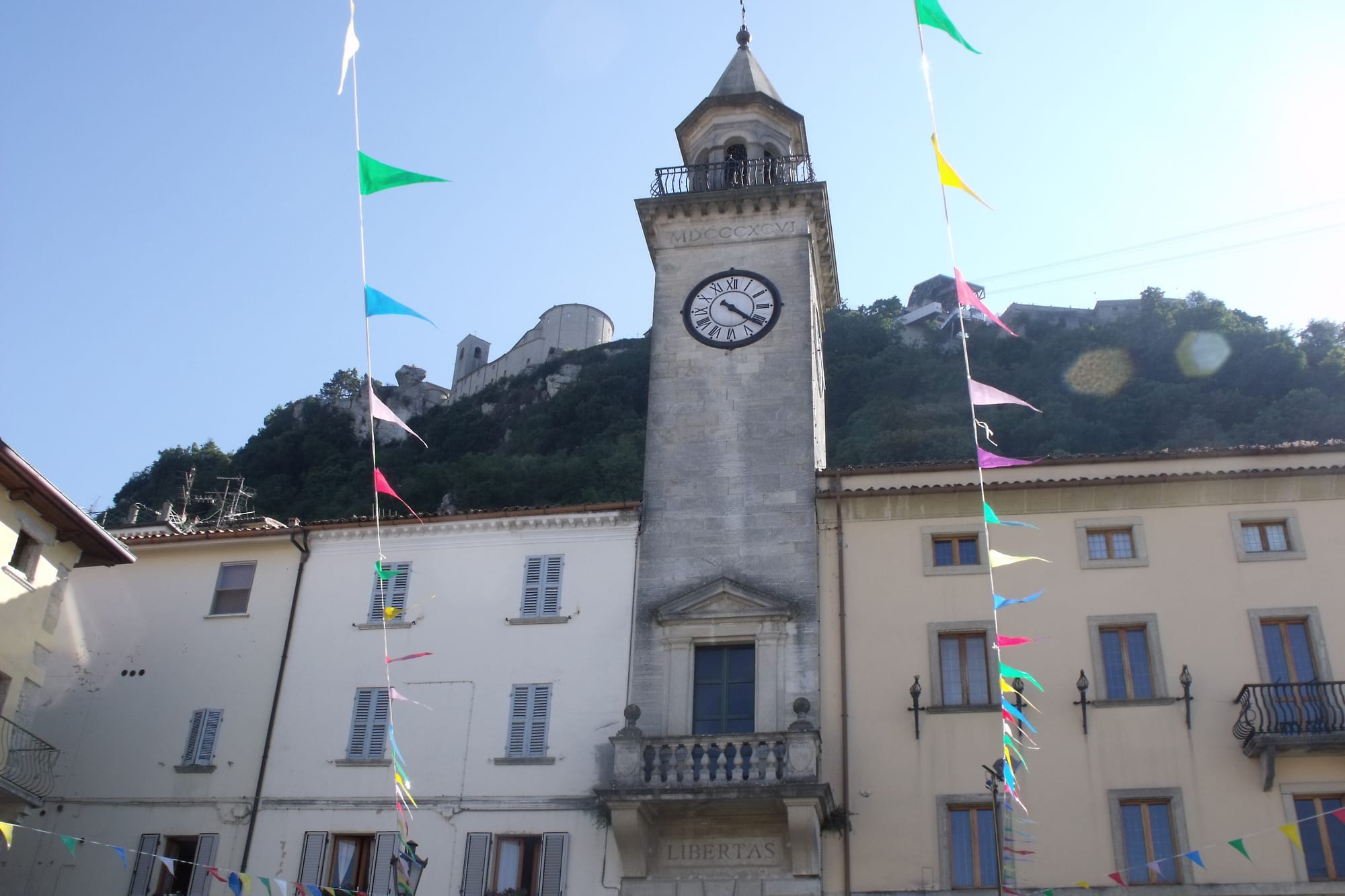
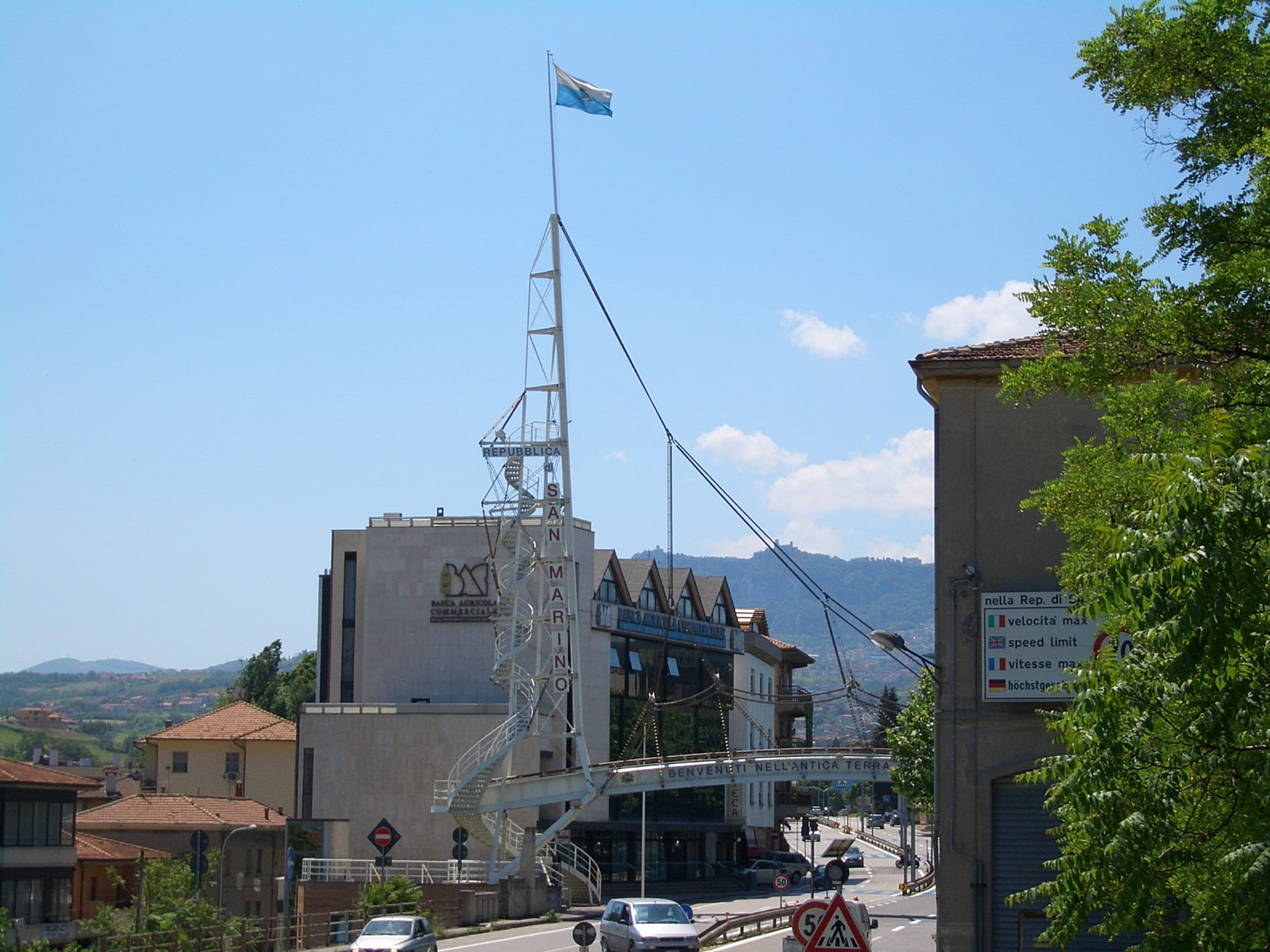
San Marino covers just 61 square kilometres, and only around one in eight of its roughly 34,000 residents actually live in the hilltop historic city that appears on every postcard, which is kept largely for the two million tourists who visit each year. Ordinary life happens lower down the mountain, in Serravalle, Dogana and Borgo Maggiore, towns that blend into the Italian suburbs of Rimini so completely that there is no checkpoint or visible line marking where Italy ends and San Marino begins. A working day here is, for a large share of the population, indistinguishable in practice from a working day just across that invisible border.
Family and home life
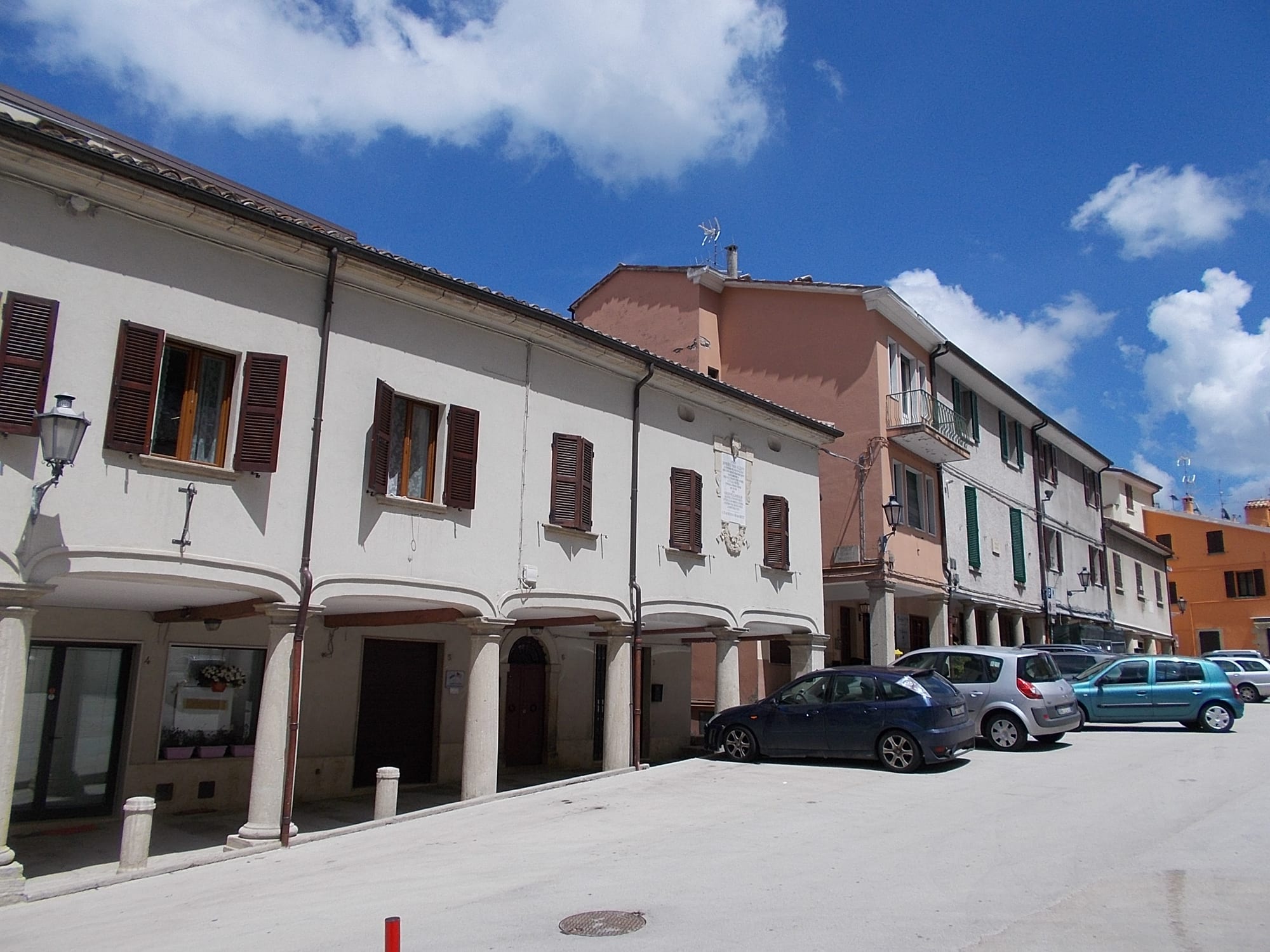
Most Sammarinese households live in the modern, lower-lying municipalities rather than the walled medieval city on Monte Titano, in ordinary apartment blocks and terraced houses much like those in the Italian towns they border. Family life, food and language are essentially those of the surrounding Romagna region, and it is common for extended family to live within the same small municipality or even the same street, given how compact the country is. Incomes are high by regional standards, though the practical experience of daily home life, shopping, schooling, healthcare, is closely bound up with services on both sides of the border.
Work, school and the rhythm of the day
More than a third of employees in San Marino commute in each day from Italy, crossing an open border with no checks under the customs union the two countries have shared since 1939, and pay tax under rules agreed between the two countries. San Marino's own economy runs on tourism, light manufacturing, ceramics, electronics and clothing, the sale of collectible coins and stamps, and a smaller banking sector than in its tax-haven years. Schooling and much of daily administration follow an Italian-influenced rhythm, and Italian television, shops and services are simply part of everyday life rather than something across a border.
Community life and public spaces
Borgo Maggiore, the town at the foot of the cable car up to the historic city, was known for centuries as Mercatale, the marketplace, and remains the country's main market town; it functions as the closest thing San Marino has to a national town square, since the walled hilltop city above it is given over almost entirely to tourism. The cable car itself, a two-minute ride opened in 1959, is as much a piece of everyday infrastructure, connecting Borgo Maggiore to the historic centre where much of the government and some shops are based, as it is a tourist ride. Twice a year, on 1 April and 1 October, the investiture of two new Captains Regent, San Marino's joint heads of state elected for six-month terms, draws crowds to watch a ceremony of medieval pageantry for an office that dates back to at least 1243.
Free time and weekends
Weekends and evenings tend to follow the pattern of the surrounding Romagna region: family meals, football, and, for those living near the border, easy trips down to the Adriatic beaches around Rimini in summer. San Marino fields its own national football and Olympic teams despite its tiny population, a genuine source of local pride even though results are modest. The July Medieval Days festival, when the historic city is given over to costumed processions and crossbow companies, is one of the few times residents, rather than day-tripping tourists, reclaim the hilltop centre in large numbers.
A visitor's ordinary day
San Marino uses the euro and cards are accepted almost everywhere, though it is worth carrying a little cash, since the country mints its own collectible euro coins that are a popular small souvenir. There is no airport or railway, so nearly everyone arrives by road from Rimini, by bus, taxi or car, then either drives up or takes the cable car from Borgo Maggiore into the largely pedestrian historic centre. Expect steep, stepped, cobbled lanes in the old city and plan footwear accordingly. Because the border with Italy carries no checks, it is easy to cross without noticing, useful to know when working out which country a shop, restaurant or fuel price actually belongs to.
What to take away
San Marino's ordinary day plays out mostly beneath the postcard image of itself: a small, prosperous, closely Italian-linked country where the fortress skyline belongs to the visitors, and everyday life belongs to the ordinary towns in its shadow.