Culture & Customs · Samoa
Samoa: The Evening Bell and the Fine Mat
A constitutionally Christian nation where villages fall silent for evening prayer, chiefs hold their families' titles, and respect is shown in how people sit, speak and give
By Worldlore Editorial · 30 September 2026
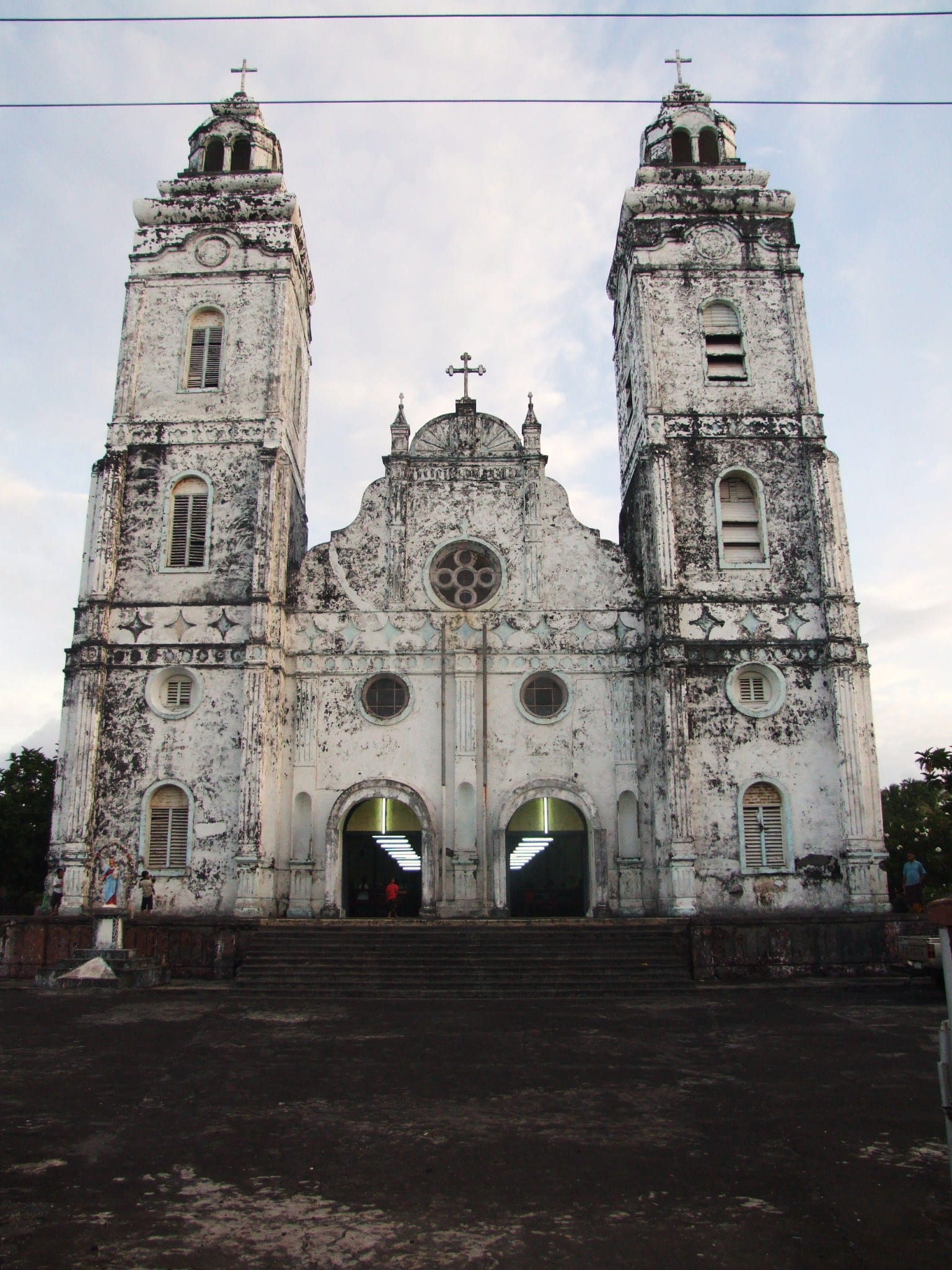
Towards the end of the afternoon, somewhere in a Samoan village, a bell rings or a conch shell is blown, and the village goes quiet. This is sa, the sacred time of evening prayer, usually falling between six and seven o'clock and lasting ten or twenty minutes. Families gather in their houses for prayers and hymns, conversation stops, and visitors are asked not to walk through the village or cross its road, and drivers slow down or pull over, until a final signal marks the end. A visitor who happens upon it simply stops and waits. The moment says a great deal about Samoa: a deep Christian faith, a village that acts as one body, and a way of life in which showing respect matters more than getting anywhere quickly.
Faith, identity and values
Christianity arrived with missionaries in 1830 and was taken up so fully that the church now stands at the centre of Samoan life. Every village has at least one church, often several, and weekly attendance is expected, as are regular offerings to the congregation. In 2017 parliament voted to amend the constitution so that its main text declares Samoa a Christian nation; before that, the reference to Christian principles had sat only in the preamble. The largest denomination is the Congregational Christian Church, followed by the Catholic Church, the Church of Jesus Christ of Latter-day Saints, Methodists, the Assemblies of God and Seventh-day Adventists. Sunday is a national day of rest, reserved for church and family: most businesses close apart from hotels and some grocery shops, and villages expect people to move quietly and slowly through them.
Alongside the church runs fa'a Samoa, "the Samoan way", a code of behaviour that Samoans trace back to their ancestors. It governs family, language, genealogy, the arts and the ordering of society. Its basic unit is the aiga, the extended family, led by one or more matai, or chiefs. Matai titles are of two broad kinds: ali'i, high chiefs who take major decisions, and tulafale, orator chiefs whose skill lies in formal speech. Titles belong to families rather than individuals, and a new holder is chosen by family consensus and formally installed in a ceremony called the saofa'i. Members of the aiga are expected to be generous with what they have and to put the good of the group ahead of their own interests.
The value that ties all this together is fa'aaloalo, or respect. Young people defer to elders and to those of higher status, and a special respectful vocabulary is used when addressing matai. Children are given real responsibilities within the family from an early age and learn to avoid bringing shame on it. Society is broadly patriarchal, with men typically the decision-makers, but women can and do hold matai titles, and their public influence is growing. Samoa also has a long-standing place for fa'afafine, people assigned male at birth who live in a feminine gender role and are widely described as a third gender. Samoans stress that this is not the same as the Western idea of being gay.
Greetings and meeting people
The everyday greeting is "talofa", meaning hello. Strangers are greeted with a handshake and a warm smile, or simply by raising the eyebrows and smiling, while friends and family usually hug and kiss on the cheek. Anyone who holds a chiefly title is addressed by that title, and because many matai do not advertise their status, it is courteous to ask. In a group, the highest-ranking person is greeted first.
Posture carries meaning. A guest meets people at their own level: if the people in a house are sitting, the guest sits too, since speaking to seated people while standing is considered impolite. Anyone passing in front of others, or walking between people who are talking, bends a little and says "tulou", a polite "excuse me".
Dress is modest, particularly in villages. Women are expected to cover their shoulders and knees, and a lavalava, the wraparound cloth worn by both men and women, is always appropriate. Swimwear belongs on the beach or at the resort pool; the UK government notes that it is likely to attract negative attention anywhere else. Photography calls for permission too. The tourism authority asks visitors always to check before taking pictures of people, and villages often hold customary rights over their beaches and lagoons, so permission should also be sought before swimming there, often with a small fee expected.
Hospitality and being a guest
The traditional Samoan house, the fale, is open-sided, and much of the etiquette of visiting follows from sitting on its floor. Shoes are left outside before entering. Guests sit on the mats cross-legged or with their legs tucked behind them, because pointing the feet at anyone is rude; if that is uncomfortable, a lavalava or mat can be drawn over the legs. It is also polite not to remain standing when elders are seated.
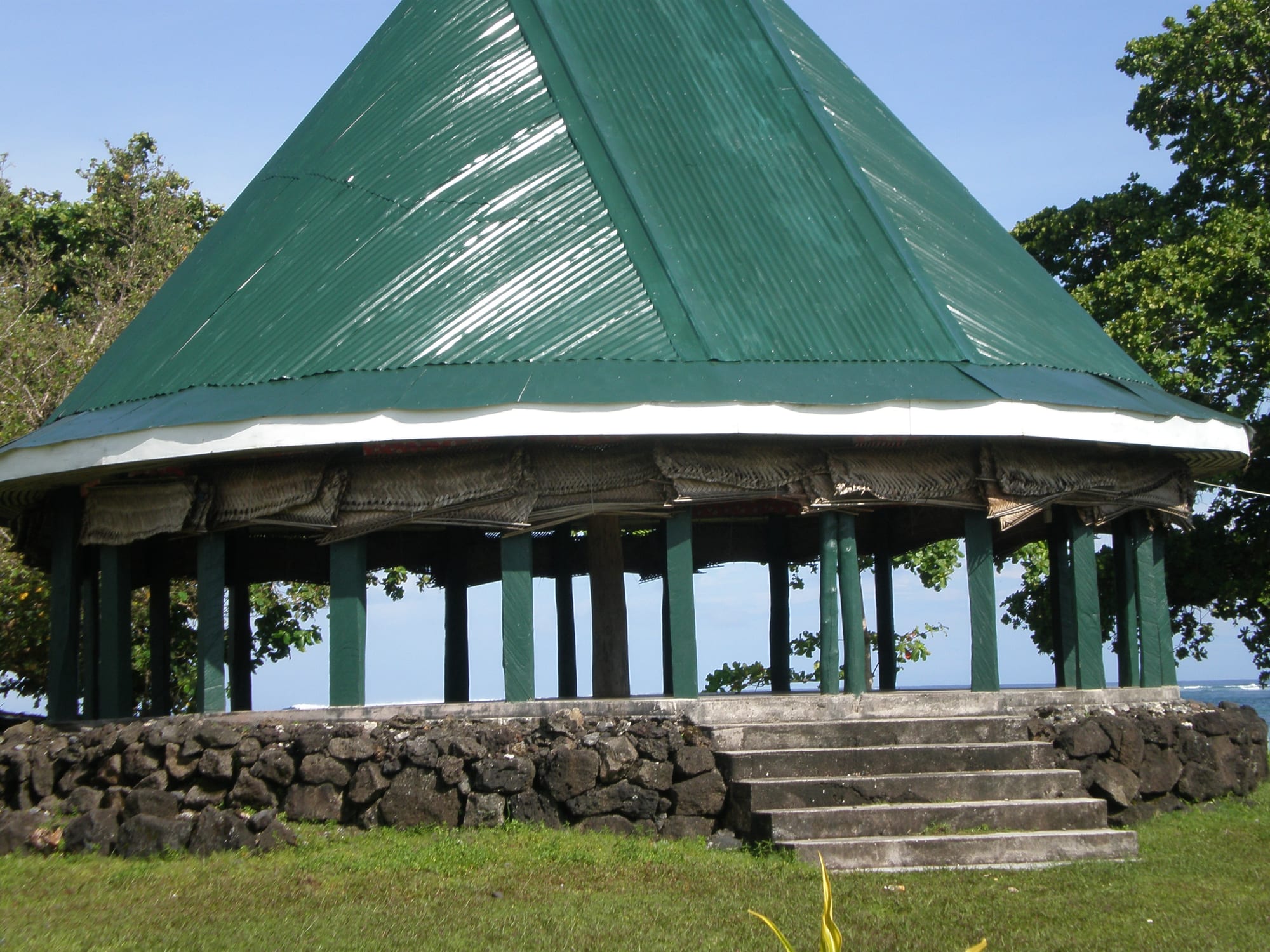
At family meals, elders eat first, and only when they have finished do the younger generations serve themselves. Gifts are received with a slight bow of the head, and a customary gesture of thanks is to raise the gift above the head with both hands for a moment.
The most formal expression of hospitality is the 'ava ceremony, in which a drink made from the ground root of the kava plant is mixed with water in a wooden bowl, the tanoa, and shared among those present. It opens important occasions, including the installation of a new matai, and it is used to welcome the coming together of villages and families or the arrival of honoured guests. The daughters of chiefs have traditionally been taught to prepare it, and the tourism authority lists an 'ava ceremony among the cultural experiences open to visitors.
Festivals and life's big moments
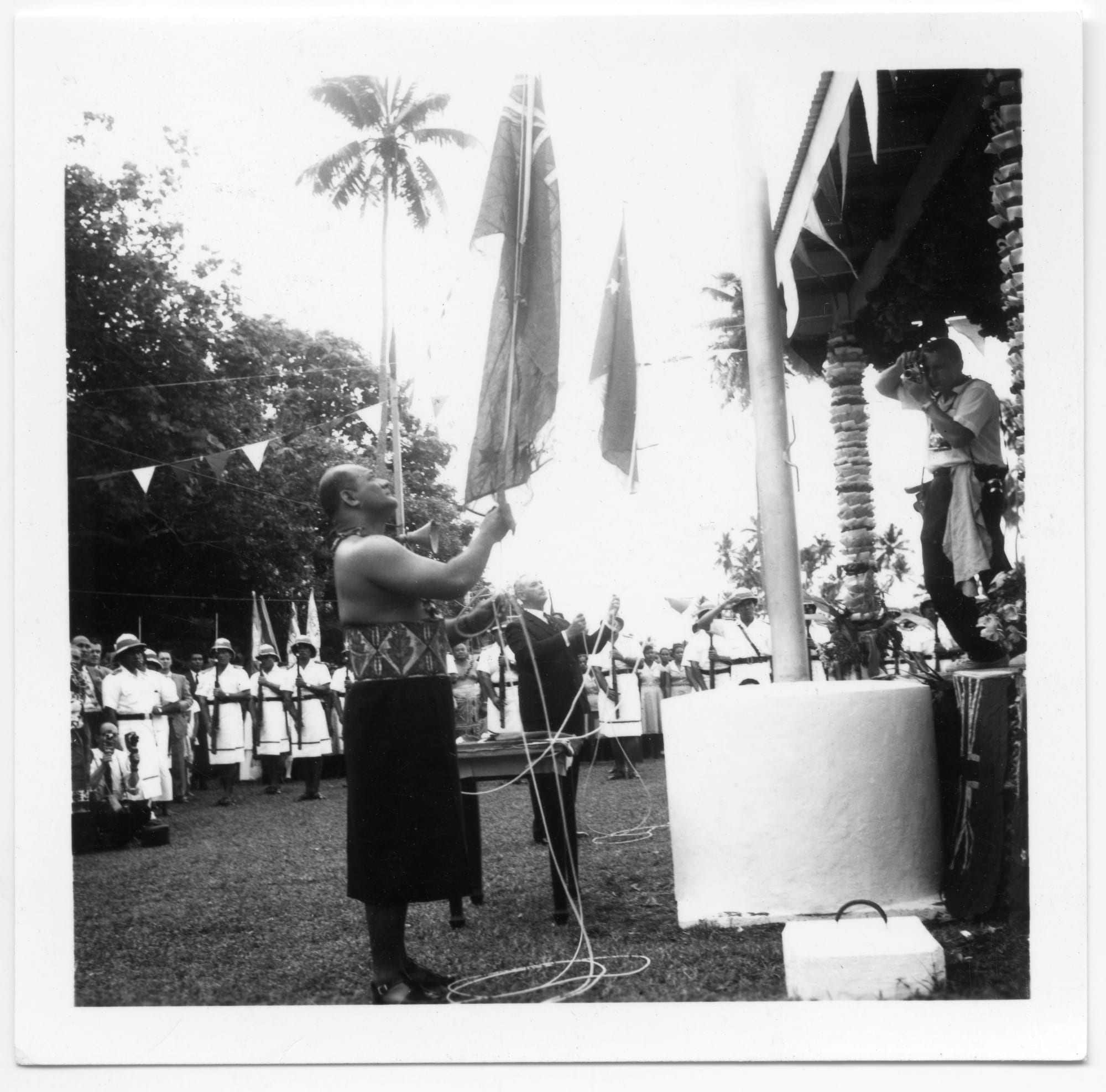
Samoa became independent from New Zealand on 1 January 1962, the first Pacific island nation to do so, but the national celebrations are held on 1 June. The most distinctive date in the religious calendar is White Sunday, Lotu Tamaiti, on the second Sunday of October, with the following Monday a public holiday. It is a day for children: dressed in white, they lead church services, recite Bible verses and perform short plays and songs they have rehearsed for weeks, and at the family meal afterwards they are served first, a privilege normally reserved for elders. Around the start of September comes the Teuila Festival, established in 1991, with siva dancing, fire knife performances, demonstrations of tattooing and carving, and races between fautasi, the long, many-oared boats crewed by village teams.
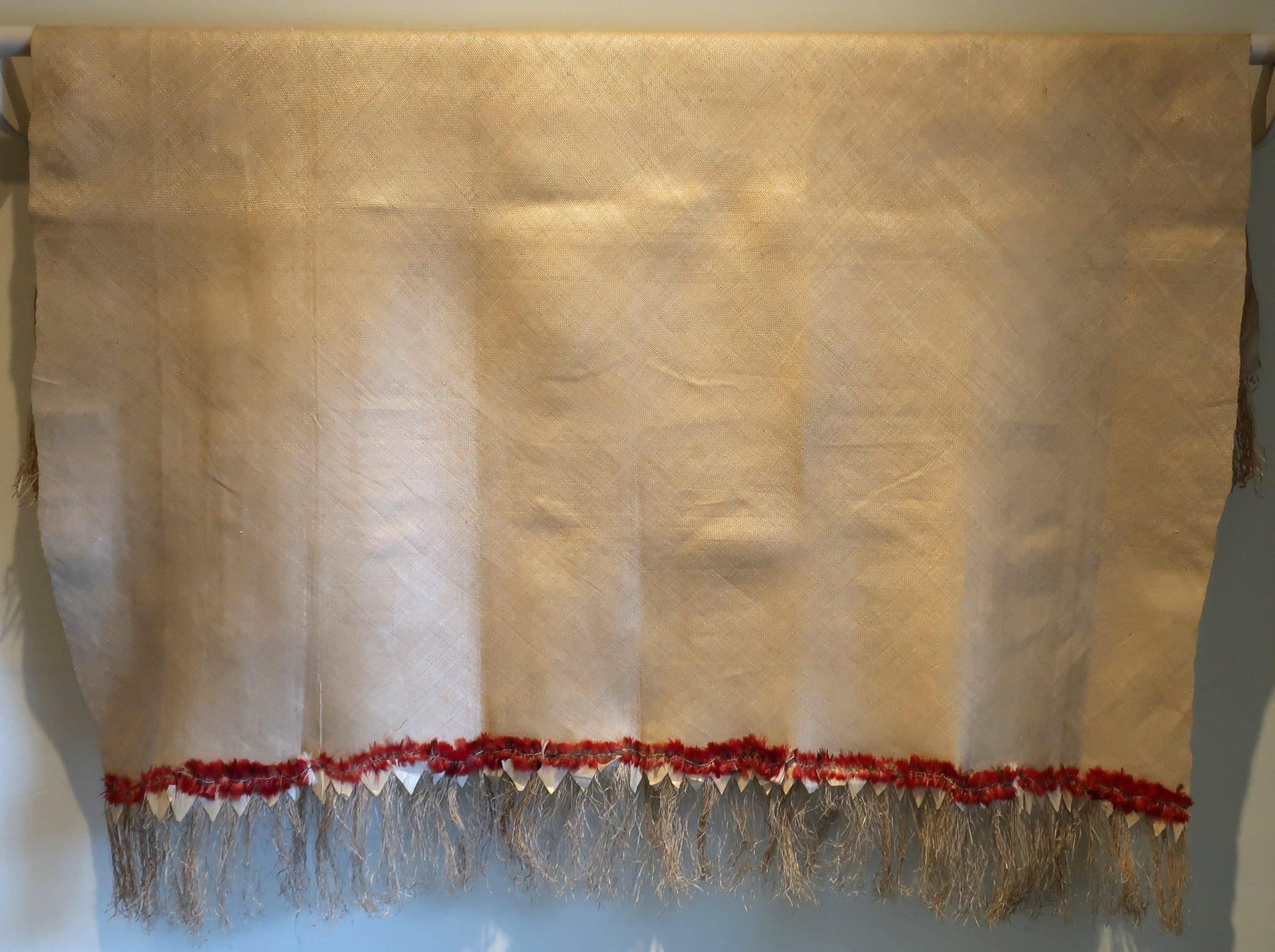
Life's major events draw in the whole extended family through fa'alavelave, a word that literally means an interruption. When a funeral, wedding, title bestowal or church dedication comes round, relatives are expected to contribute money, food and fine mats, and the family hosting the occasion gives gifts in return. Funerals in particular involve formal speeches by orator chiefs and the ceremonial exchange of fine mats between the bereaved family and those who come to pay their respects. The system is regarded as an expression of love and solidarity, though its cost has become a subject of open debate, and some younger Samoans, especially overseas, now ask for no fa'alavelave contributions at all.
Weddings usually combine a civil and a church ceremony, and many include the bride's taualuga, the dignified solo dance that traditionally closes a celebration; guests show their appreciation by throwing money into the air above the dancer or sticking it onto her. Another milestone is receiving the tatau, the traditional tattoo. The pe'a and the malu are viewed with pride as hallmarks of manhood and womanhood.
Arts, crafts and music
Dance is at the heart of Samoan performance. The siva is a slow, graceful storytelling dance traditionally performed by a young woman. Group dances, choral singing and the fire knife dance feature at village celebrations and at the fiafia nights that many hotels and resorts hold each week, where dancing is paired with a meal cooked in the traditional way.
The tatau is one of the best-known living tattoo traditions in the world. The male pe'a covers the body densely from the waist to the knees, while the female malu runs from the upper thigh to just below the knee and is lighter in design. Both are applied by a master tattooist, the tufuga tātatau, and many still prefer handmade tools called 'au: a small comb of sharpened bone fixed to a plate of turtle shell and lashed to a short wooden handle. The patterns are understood as marks of endurance, respect and commitment to fa'a Samoa.
Weaving holds an equally honoured place. The 'ie Samoa, or fine mat, is woven by women from strips of pandanus leaf that can be as little as a millimetre wide, giving a finished mat an almost silky texture, and a single mat can take months or even years to complete. Fine mats are displayed and exchanged at weddings, funerals and other major gatherings, functioning as a form of ceremonial wealth that reaffirms family ties, and the practice is on UNESCO's list of intangible cultural heritage. Women's fine mat committees in many villages now work to pass the skill on to younger weavers. Siapo, the traditional bark cloth, is another craft still made today.
Dos and don'ts for visitors
- Do stay off village roads on foot during sa, the evening prayer curfew, and slow down or pull over if driving through.
- Do take off shoes before entering a fale, and sit down before speaking to people who are seated.
- Do sit cross-legged or cover the legs with a lavalava so that the feet never point at anyone.
- Do dress modestly in villages, with shoulders and knees covered, and keep swimwear for the beach or pool.
- Do ask permission before photographing people or swimming at a village beach, where a small fee may be expected.
- Do keep Sunday quiet, and wear a dress or skirt, or trousers and a shirt, if attending church.
- Don't drink alcohol in public except in bars and restaurants; the legal age to buy alcohol is 21.
- Do be aware that sex between men is illegal in Samoa, though the law is not enforced, and that public displays of affection attract negative attention.
What to take away
In Samoa, respect is shown less in words than in posture, patience and generosity, and visitors who sit when others sit, fall still at the evening bell and accept what is offered with both hands will find themselves welcomed as guests of the whole village.