Food · Samoa
Samoa: Food and the National Dish
A whole feast cooked underground in heated stones, built around coconut-wrapped taro leaves and shared across an entire village
By Worldlore Editorial · 16 September 2026
A cuisine built around one shared cooking method
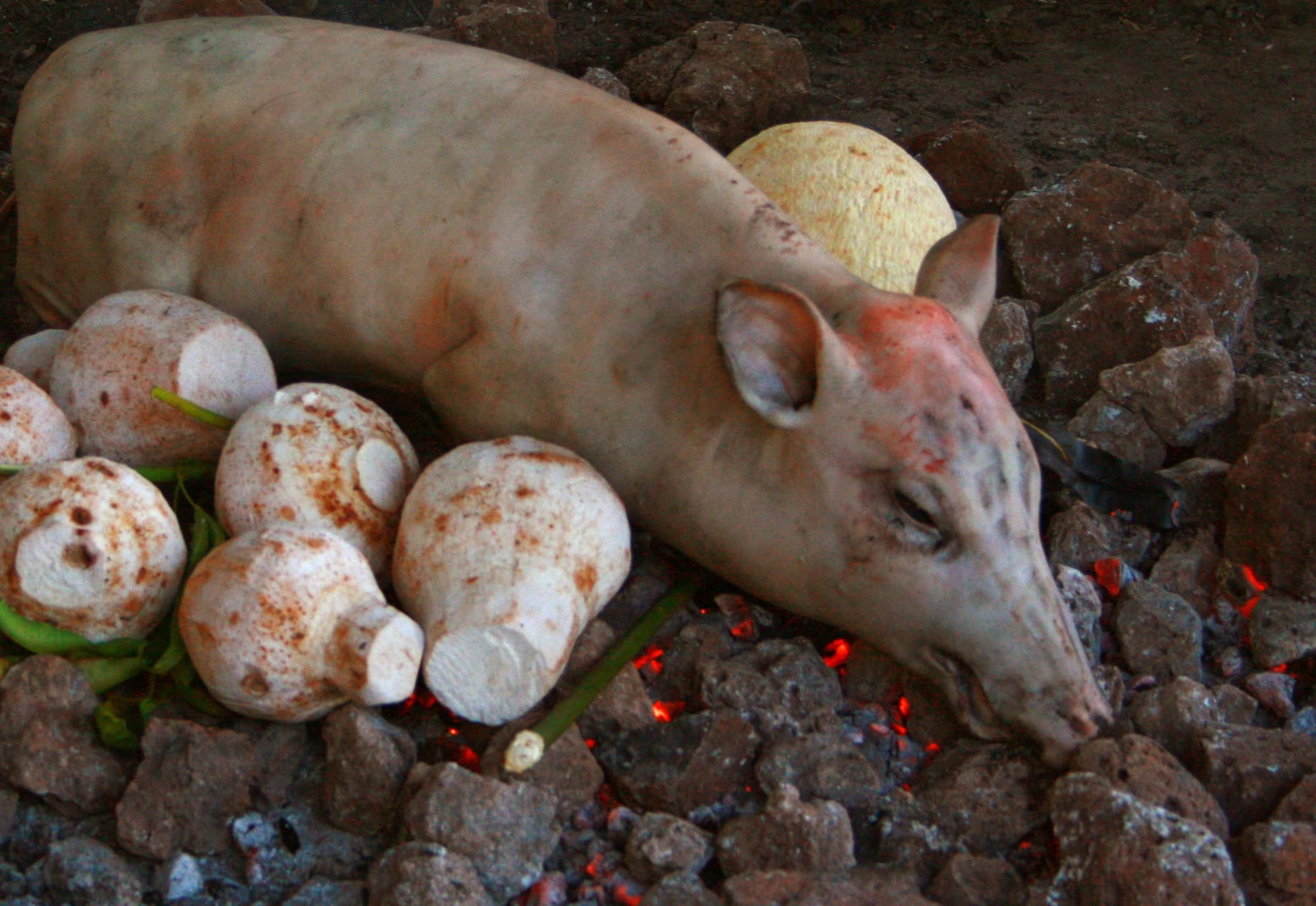
Samoan food centres less on a single dish than on the umu, a traditional earth oven of heated volcanic stones used to cook an entire feast at once, a genuinely communal method still used for Sunday meals, celebrations and village gatherings across the islands.
The national dish: palusami
Palusami, young taro leaves filled with coconut cream, onion and sometimes corned beef, then wrapped and baked, most often cooked in the umu alongside roast pork, taro and breadfruit, is Samoa's most widely recognised national dish. A full umu feast typically includes pork, taro, breadfruit and palusami cooked together for hours, the banana leaves covering the pit trapping heat and smoke to cook everything at once.
Taro, coconut and a genuinely communal pantry
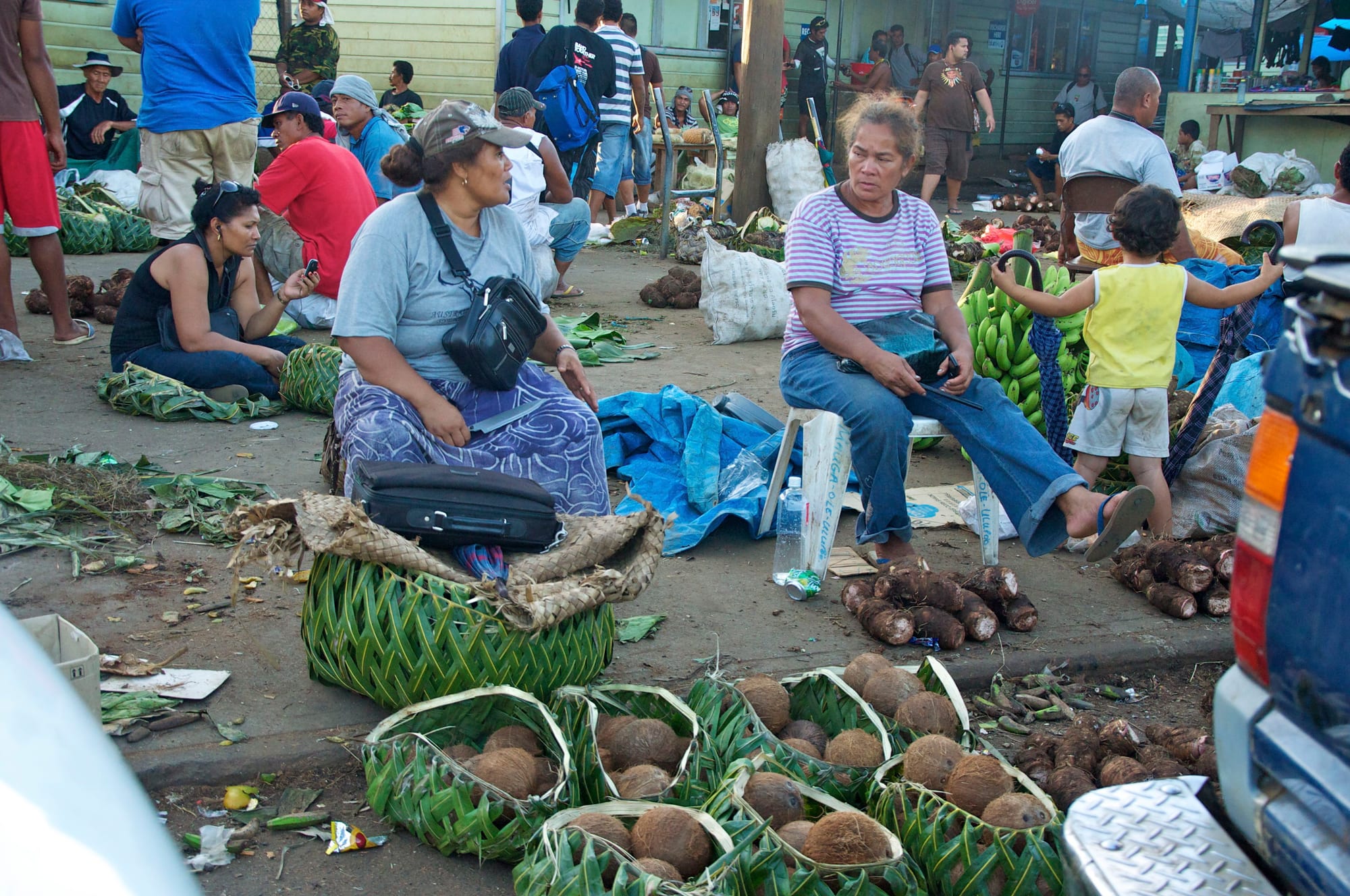
Taro, breadfruit and coconut anchor most Samoan cooking, alongside pork and fresh fish given the islands' surrounding waters. Corned beef, introduced through trade and colonial-era shipping, has become a genuinely common ingredient in dishes like palusami, reflecting how imported staples have folded into Samoan cooking rather than replaced it.
History behind the earth oven
The umu predates any outside contact with Samoa and remains central to fa'a Samoa, the traditional Samoan way of life, where cooking and sharing a feast is treated as a genuine communal and social obligation rather than a private household task. Corned beef and other imported tinned goods entered Samoan cooking through trade and missionary-era contact in the 19th century, blending into dishes like palusami rather than displacing the umu tradition itself.
Dishes to know
Four more to recognise across Samoa:
- Oka i'a — raw fish cured in coconut cream and lime, similar to
ceviche, a common everyday dish.
- Sapasui — a Samoan take on chop suey, reflecting Chinese
culinary influence brought through trade.
- Panipopo — sweet coconut buns, a popular baked treat.
- Fa'alifu fa'i — bananas cooked in coconut cream, a common side
dish.
Drinks
Coconut water, drunk straight from the fruit, is a genuine everyday refreshment across Samoa. Kava, made from the pounded root of the kava plant and drunk during ceremonial gatherings, and locally brewed Vailima beer are also widely consumed.
Eating as a traveller
Vegetarians will find taro, breadfruit and coconut-based dishes manageable, though pork and fish are central to most umu feasts. Tap water is generally safe to drink on the main islands. Being invited to a village umu feast, if the opportunity arises, is a genuine and significant way to experience Samoan food and hospitality together.
What to take from the table
Palusami, cooked in an umu alongside a whole village feast, shows that Samoan food is really about the shared act of cooking and eating together, not any single dish standing on its own.