Attractions & Natural Wonders · Samoa
Samoa: Five Attractions and Natural Wonders
A swimming hole sunk into a collapsed lava tube, traditional open-sided beach huts sleeping right on the sand, and the Pacific hideaway where a Scottish novelist chose to spend his final years
By Worldlore Editorial · 9 September 2026
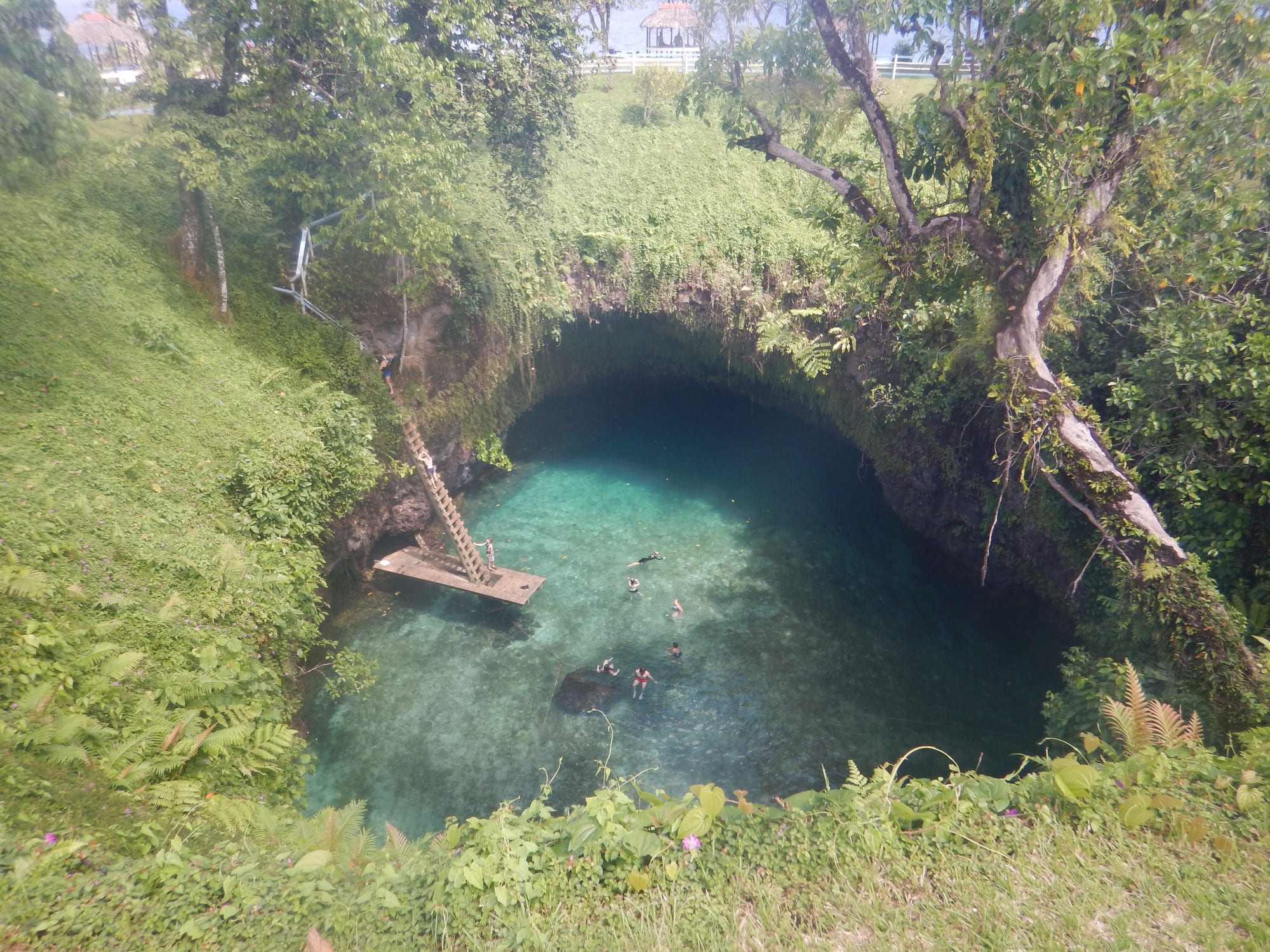
The Pacific island that keeps traditional life at its centre
Samoa, an independent Pacific nation distinct from the nearby US territory of American Samoa, has kept its traditional Fa'a Samoa way of life — communal village structures, chiefly titles (matai), and customary land ownership — more intact than almost anywhere else in Polynesia, even as tourism has grown steadily. Its landscape of volcanic craters, waterfalls, and reef-lined coast is spread across two main islands, Upolu and Savai'i.
The five below are mostly on Upolu, the more populated and visited of Samoa's main islands. The dry season (roughly May to October) is generally the most comfortable time to visit.
1. The To Sua Ocean Trench
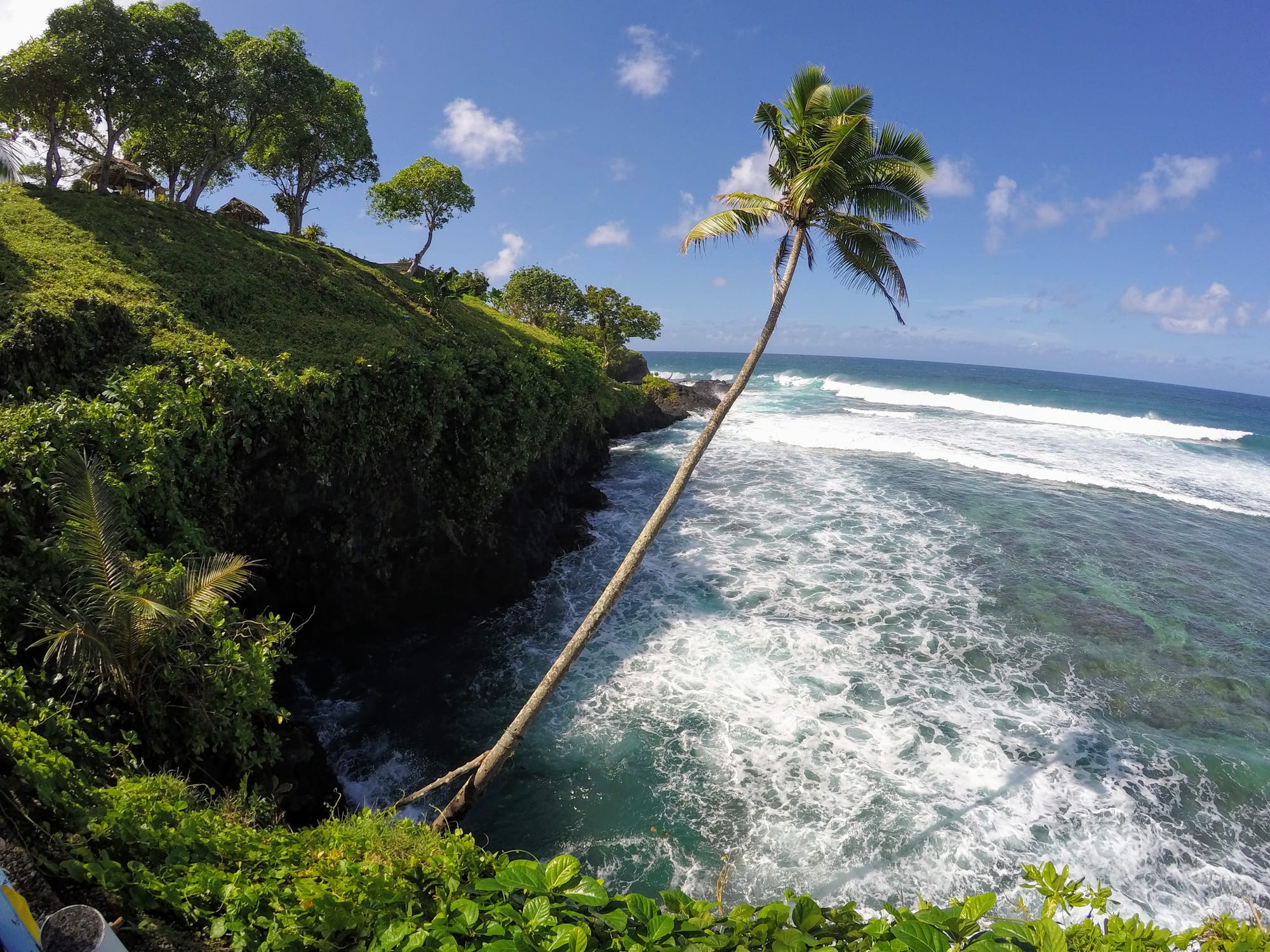
The To Sua Ocean Trench, a giant swimming hole formed within a collapsed lava tube on Upolu's south coast, drops roughly 30 metres to a pool of clear water connected to the ocean through an underwater channel — reached by a steep wooden ladder built directly into the crater wall. It remains privately managed by the local village, with entry fees supporting the community that maintains the site.
2. Apia
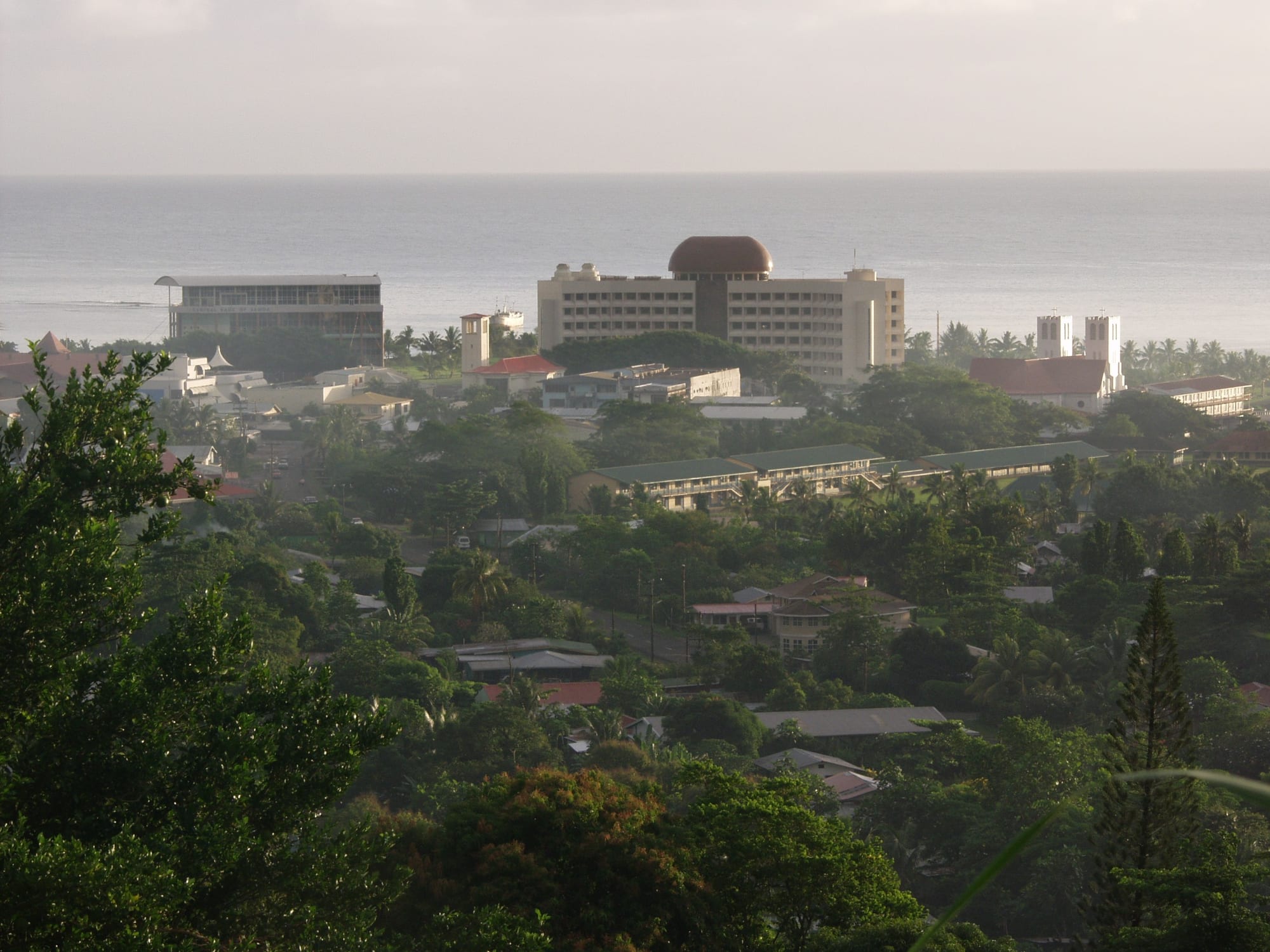
Apia, Samoa's capital and only real urban centre, mixes colonial-era buildings from the German and later New Zealand administrative periods with a bustling waterfront market and a relaxed, low-rise character typical of much of the South Pacific. It serves as the main gateway and base for most visitors before heading out to explore the rest of Upolu.
3. Papapapaitai Falls
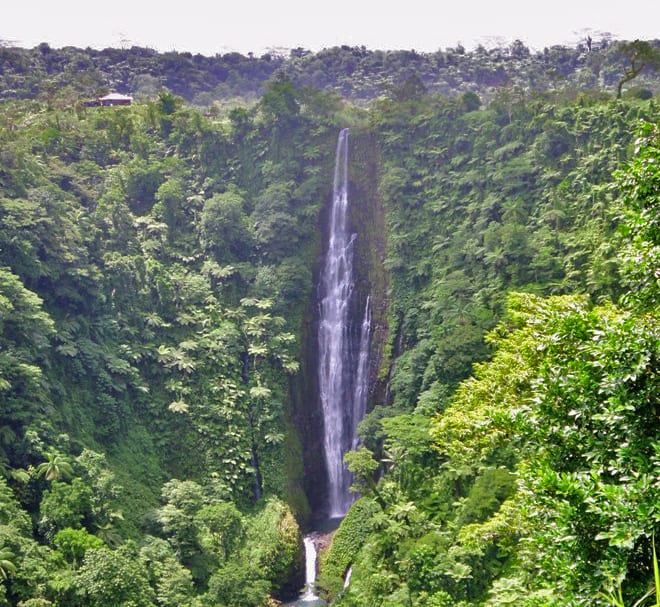
Papapapaitai Falls, one of the tallest waterfalls on Upolu at around 100 metres, drops through dense rainforest along the cross-island road linking Apia to the south coast, visible from a roadside viewpoint without requiring a hike. It is one of several dramatic waterfalls formed by Upolu's volcanic terrain and heavy rainfall.
4. The Robert Louis Stevenson Museum
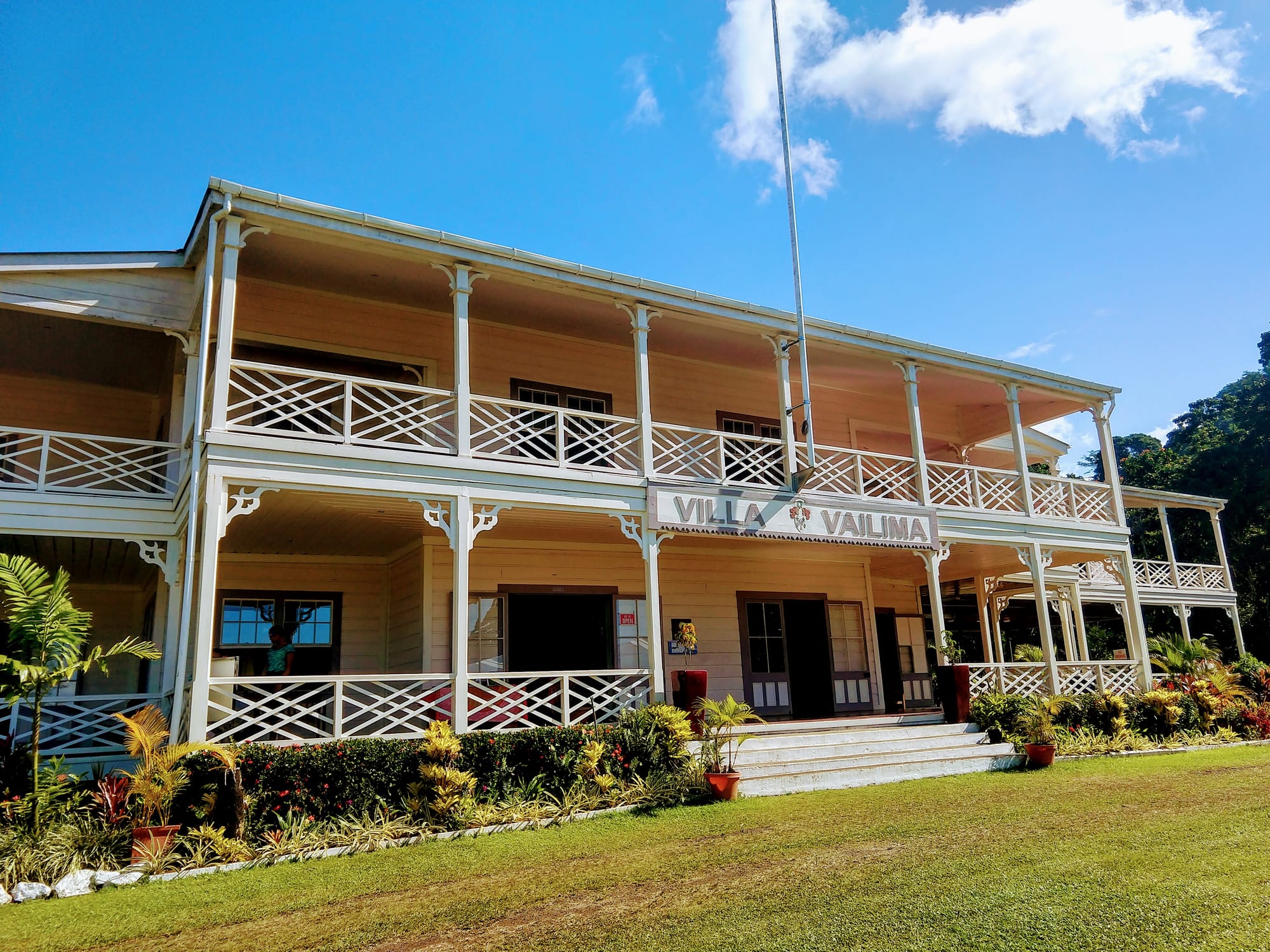
Vailima, the elegant colonial house built by Scottish novelist Robert Louis Stevenson (author of Treasure Island and Dr Jekyll and Mr Hyde), who spent his final years in Samoa and is buried on the hill above the property, is preserved as a museum documenting his life and deep affection for his adopted Samoan home, where he was known locally as Tusitala ("teller of tales").
5. Lalomanu Beach
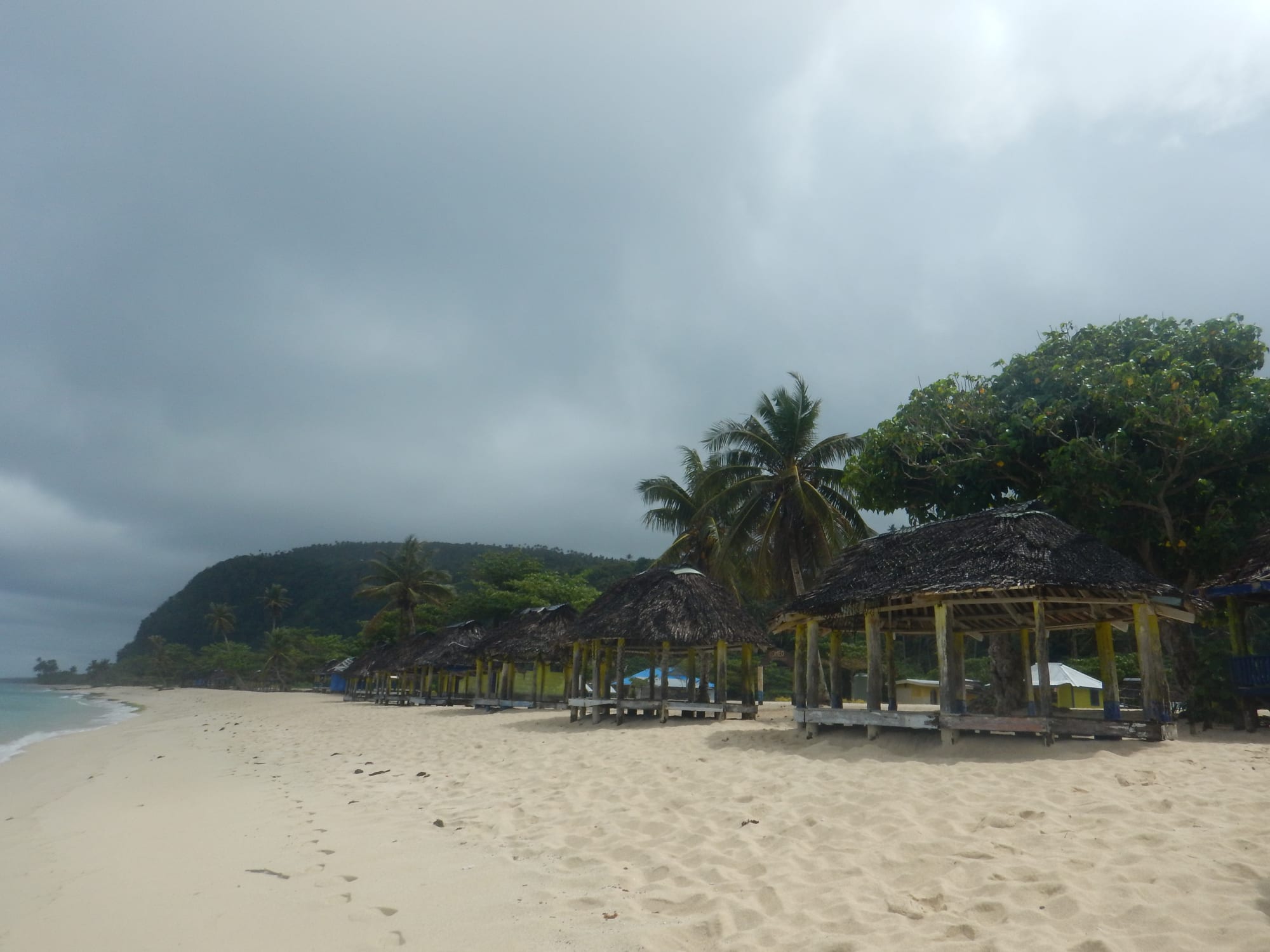
Lalomanu, on Upolu's southeastern tip, is regularly rated among Samoa's best beaches, known for its traditional beach fales — simple, open-sided thatched huts built directly on the sand, a distinctly Samoan style of low-key beach accommodation rebuilt here after the devastating 2009 tsunami largely destroyed the original village.
Samoa suits a relaxed week to ten days exploring Upolu's waterfalls and south coast, with an optional ferry extension to the larger, less-visited island of Savai'i for those with more time.