Attractions & Natural Wonders · Saint-Martin
Saint Martin: Five Attractions and Natural Wonders
A single small island split between two countries with no border checkpoint at all, a bay of gourmet restaurants known as the culinary capital of the Caribbean, and a hilltop viewpoint taking in both nations at once
By Worldlore Editorial · 9 September 2026
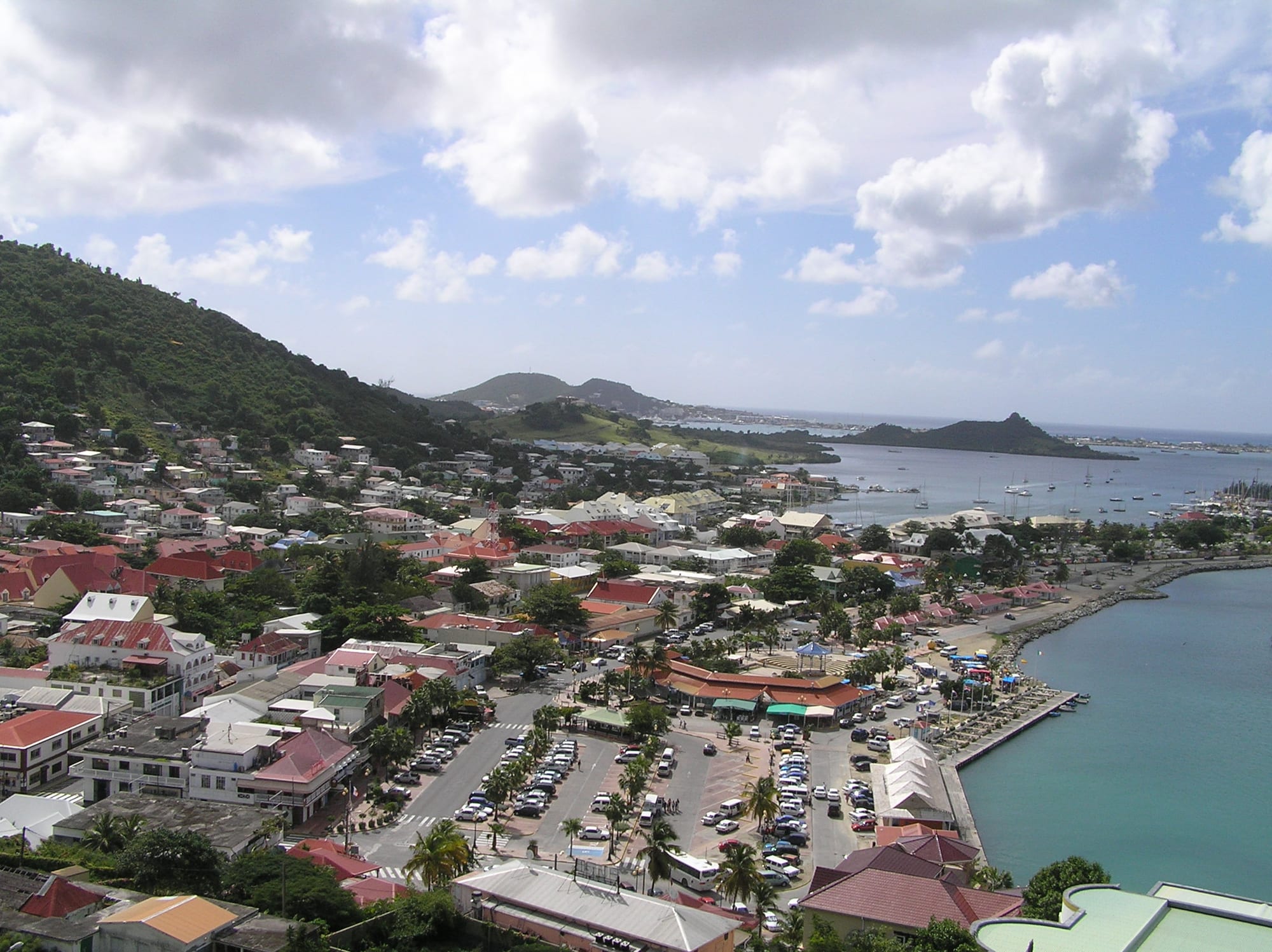
One island, shared by two nations
Saint Martin is one of the smallest landmasses in the world divided between two different sovereign countries — the French side (a French overseas collectivity) and Dutch Sint Maarten to the south, separated by an unguarded, informal border that visitors can cross freely, often without even realising exactly where the line falls. The French side generally carries a quieter, more relaxed character than the busier Dutch side, with a food scene, in particular, that has earned it a reputation as one of the Caribbean's best.
The five below are spread across the French side of the island. The dry season (roughly December to April) is the most popular time to visit.
1. Marigot
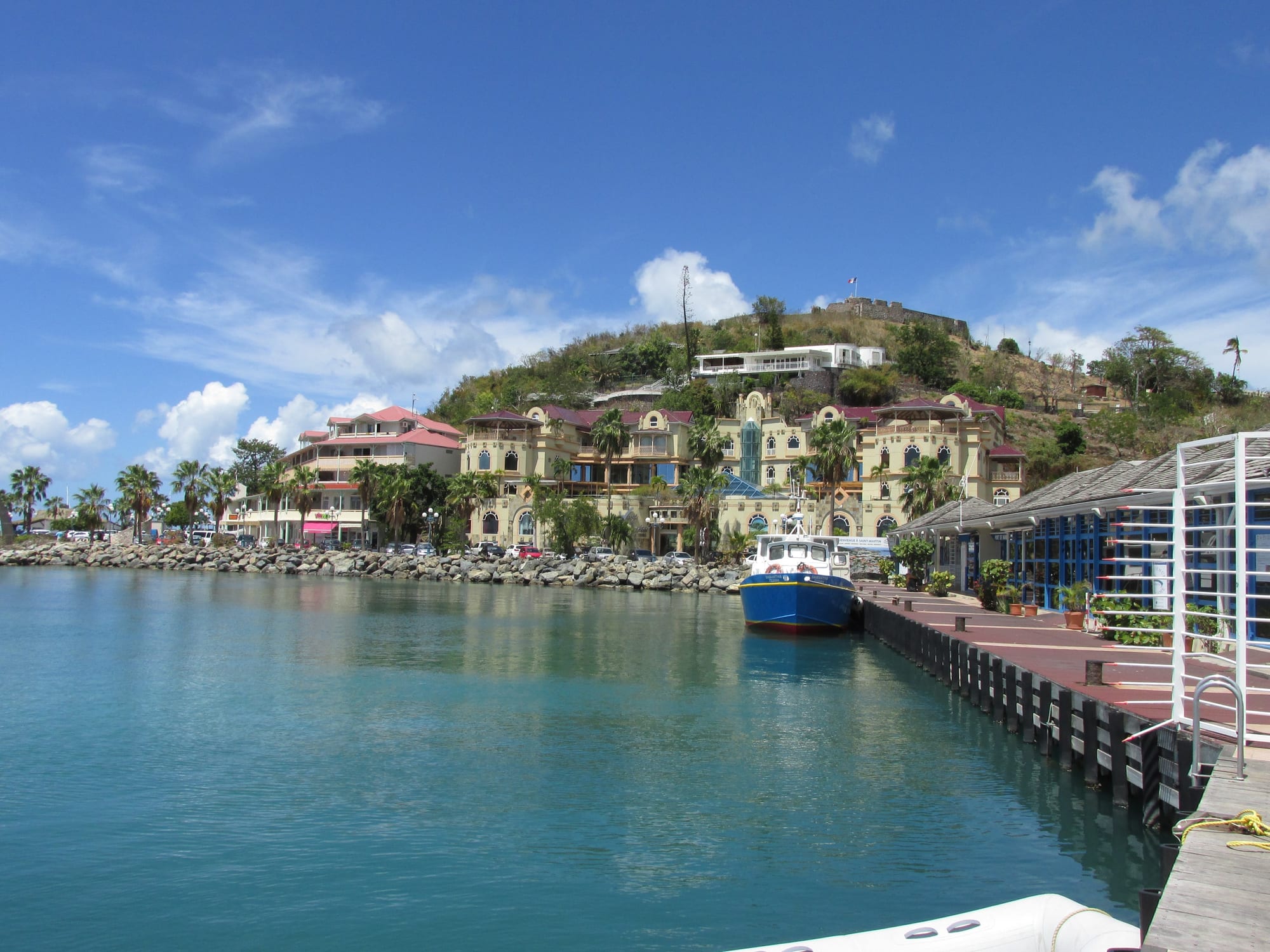
Marigot, the capital of French Saint Martin, centres on a lively waterfront market selling produce, crafts, and spices, overlooked by the ruined 18th- century Fort Saint Louis on the hill above. Its French-Caribbean character — patisseries and Creole cuisine alongside duty-free shopping — gives it a distinctly different feel from Philipsburg on the Dutch side.
2. Orient Bay
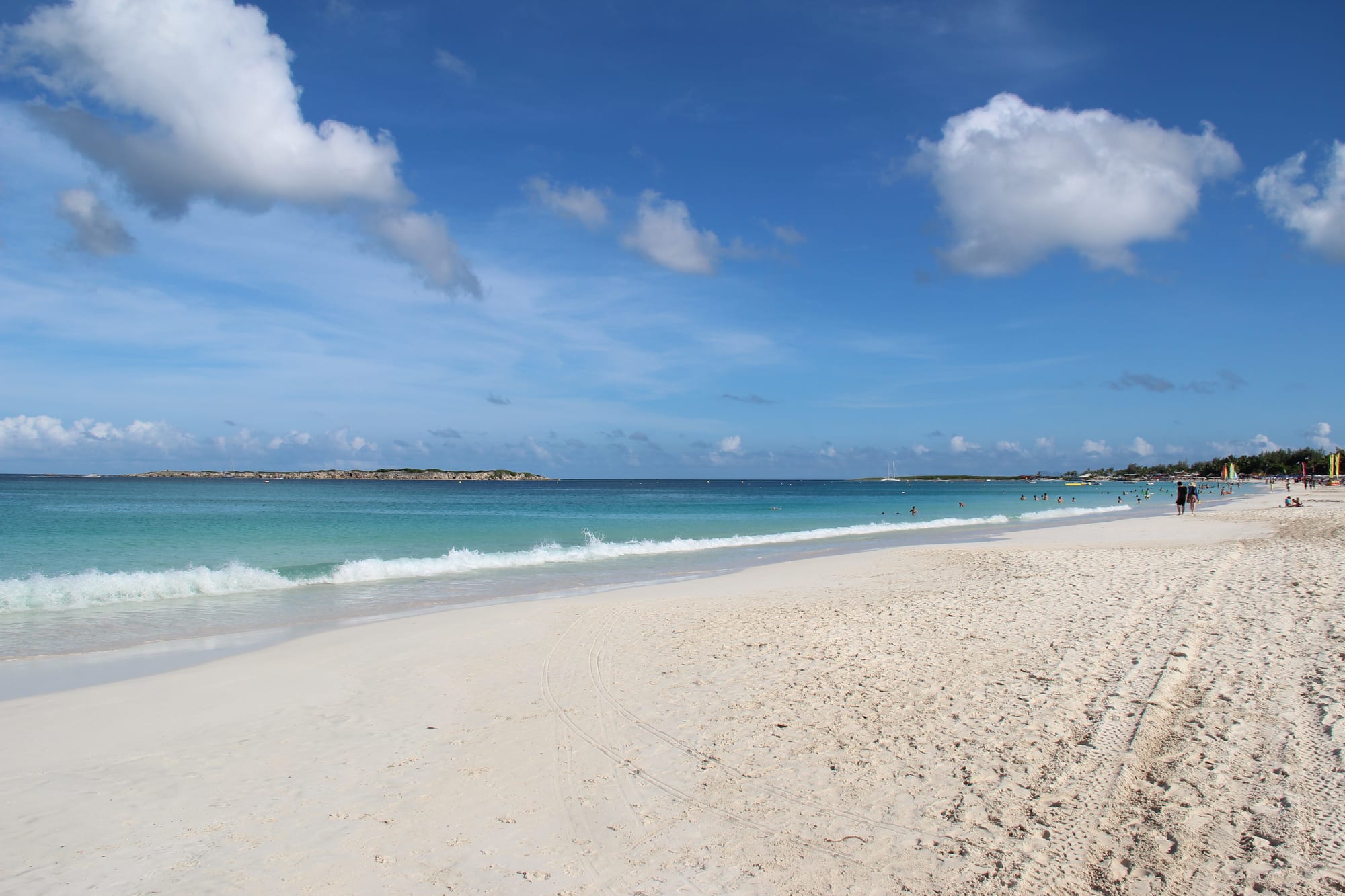
Orient Bay, often called the St Tropez of the Caribbean, is the French side's most popular beach, a long curve of sand lined with beach bars, restaurants, and water sports concessions, with a long-standing section at its southern end known for clothing-optional sunbathing. It offers a livelier, more social alternative to the island's quieter coves.
3. Grand Case
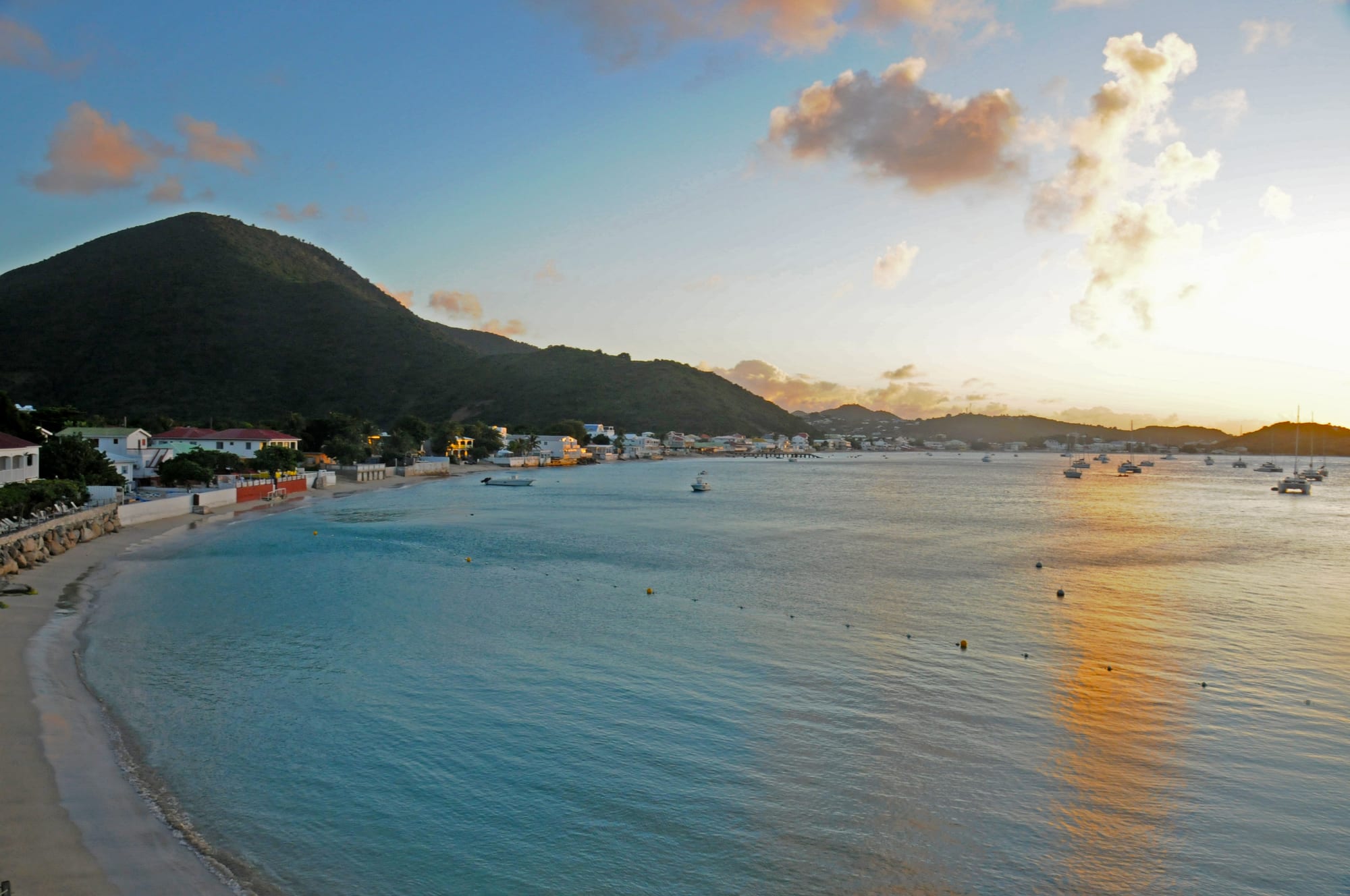
Grand Case, a small town along the island's north coast, has built an outsized reputation as the culinary capital of the Caribbean, packing a single main street with an unusually high concentration of French and Creole fine dining alongside casual lolo barbecue shacks serving grilled fish and lobster streetside. It draws diners from across the island, including many visiting from the Dutch side.
4. Pic Paradis
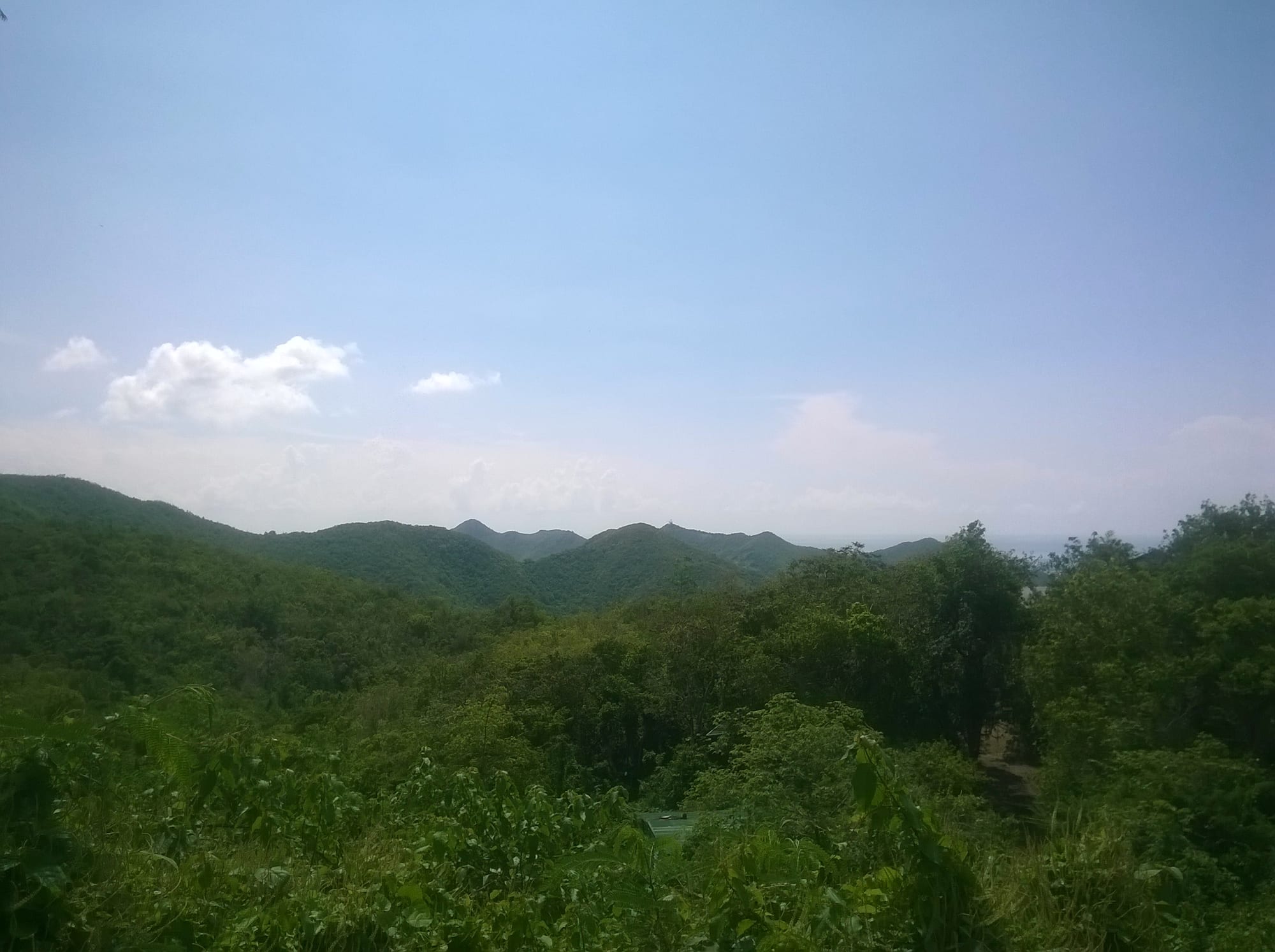
Pic Paradis, the island's highest point at just over 400 metres, sits within a protected nature reserve of tropical forest and gives sweeping views across both the French and Dutch sides of the island in a single panorama — a useful reminder of just how small and closely shared this one island really is. Hiking trails through the surrounding forest add a rare patch of genuine wilderness to an island otherwise dominated by beaches and development.
5. The island's salt-pond heritage
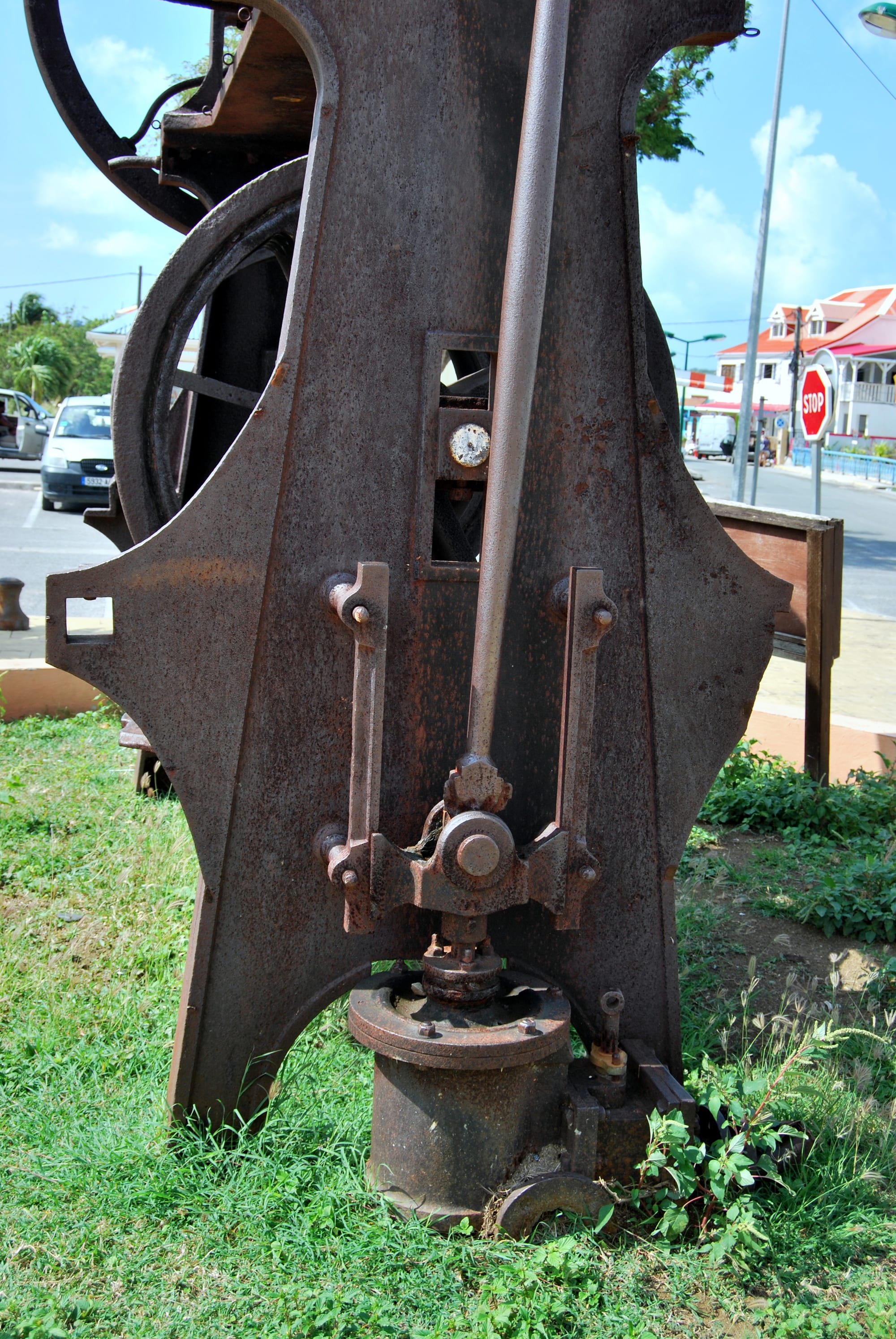
Before tourism became the dominant industry, Saint Martin's economy was built substantially on salt production from natural salt ponds around the island, and old mills and pond infrastructure remain visible in several places, including near Grand Case. The Simpson Bay lagoon, shared between both sides of the island, is now used mainly for boating and water sports rather than the industry that once shaped the island's economy.
Saint Martin suits a relaxed week combining beach time on the French side with day trips across the informal border to explore the Dutch side's different character, all easily done without any border formalities at all.