History · Saint Helena
Saint Helena: The Loneliest Island
A volcanic rock in the middle of the South Atlantic — an East India Company waystation, Napoleon's prison, a refuge for liberated Africans and Boer captives, and one of the most isolated inhabited places on Earth until an airport opened in 2017
By Worldlore Editorial · 19 September 2026
A dot in the ocean
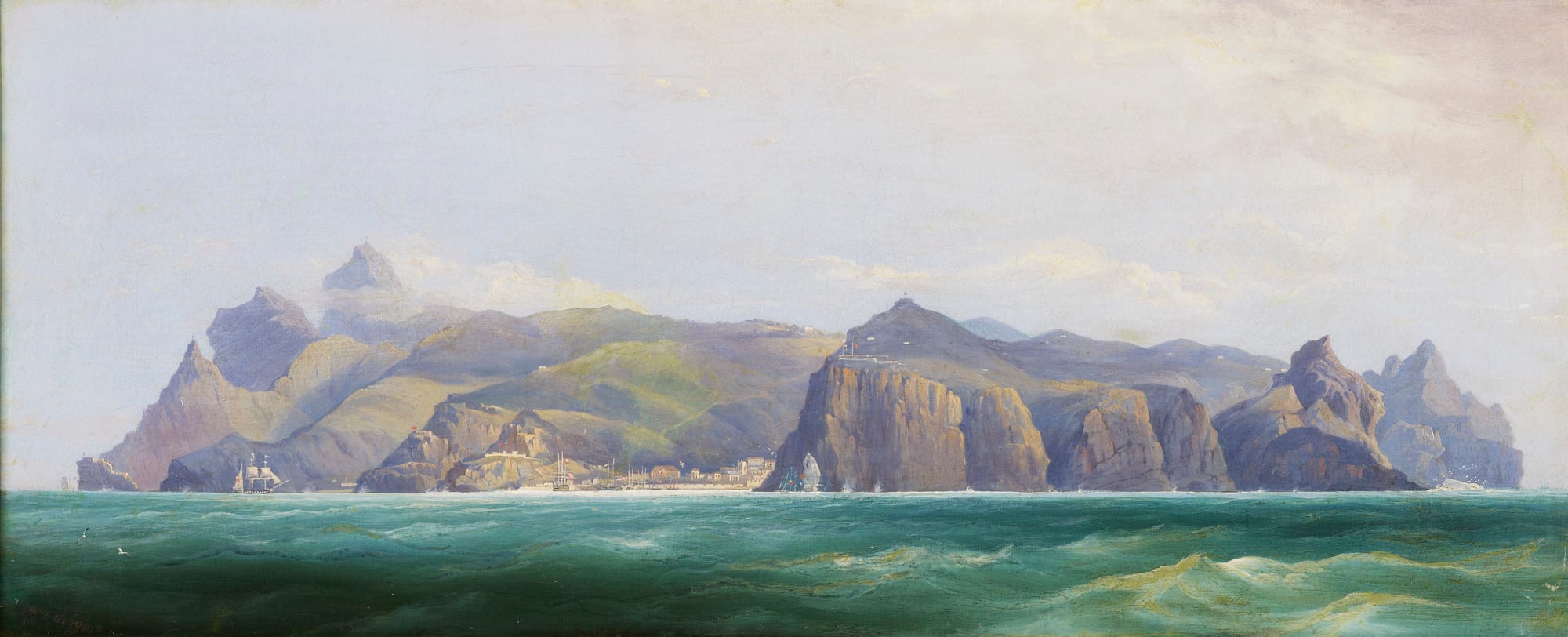
Saint Helena is a rugged volcanic island of 122 square kilometres in the South Atlantic, one of the remotest inhabited places on the planet, with about 4,400 people — "Saints" — most of mixed European, African and Asian descent. It is a British Overseas Territory, grouped with Ascension and Tristan da Cunha. Its history is entirely a product of its position: for centuries it was valuable precisely because it was a piece of solid ground, with fresh water, on the sailing route between Europe and the East, and because nothing could easily be reached from it — which made it an ideal prison.
A short history
- 1502
Discovery
Portuguese navigators find an uninhabited island and keep it secret.
- 1659
English settlement
The East India Company builds a fort and town.
- 1673
Dutch seizure and recapture
Briefly Dutch, then retaken and re-chartered to the Company.
- 1815–1821
Napoleon
The former emperor is exiled here and dies at Longwood.
- 1834
Crown colony
Control passes from the Company to the British government.
- 1840s–1870s
Liberated Africans
Tens of thousands from intercepted slave ships are landed.
- 1900–1902
Boer prisoners
Around 6,000 South African war captives are held on the island.
- 1966
Cable & Wireless / RMS era
The island survives on subsidy and a single supply ship.
- 2017
The airport
Commercial flights begin, ending reliance on the sea.
The Company's island
Portuguese sailors returning from India discovered the uninhabited island in 1502 and used it quietly for water and provisions, planting fruit trees and releasing goats. The English East India Company took possession and settled it in 1659, building James Fort and Jamestown, and — apart from a few months of Dutch occupation in 1673 — ran the island for the next 175 years as a fortified refreshment station where East Indiamen could stop on the long haul home. The Company brought enslaved people from Africa, Madagascar and Asia to work the land; slavery on the island was ended gradually from 1827, ahead of the wider British abolition.
Napoleon, and the humanitarian depot
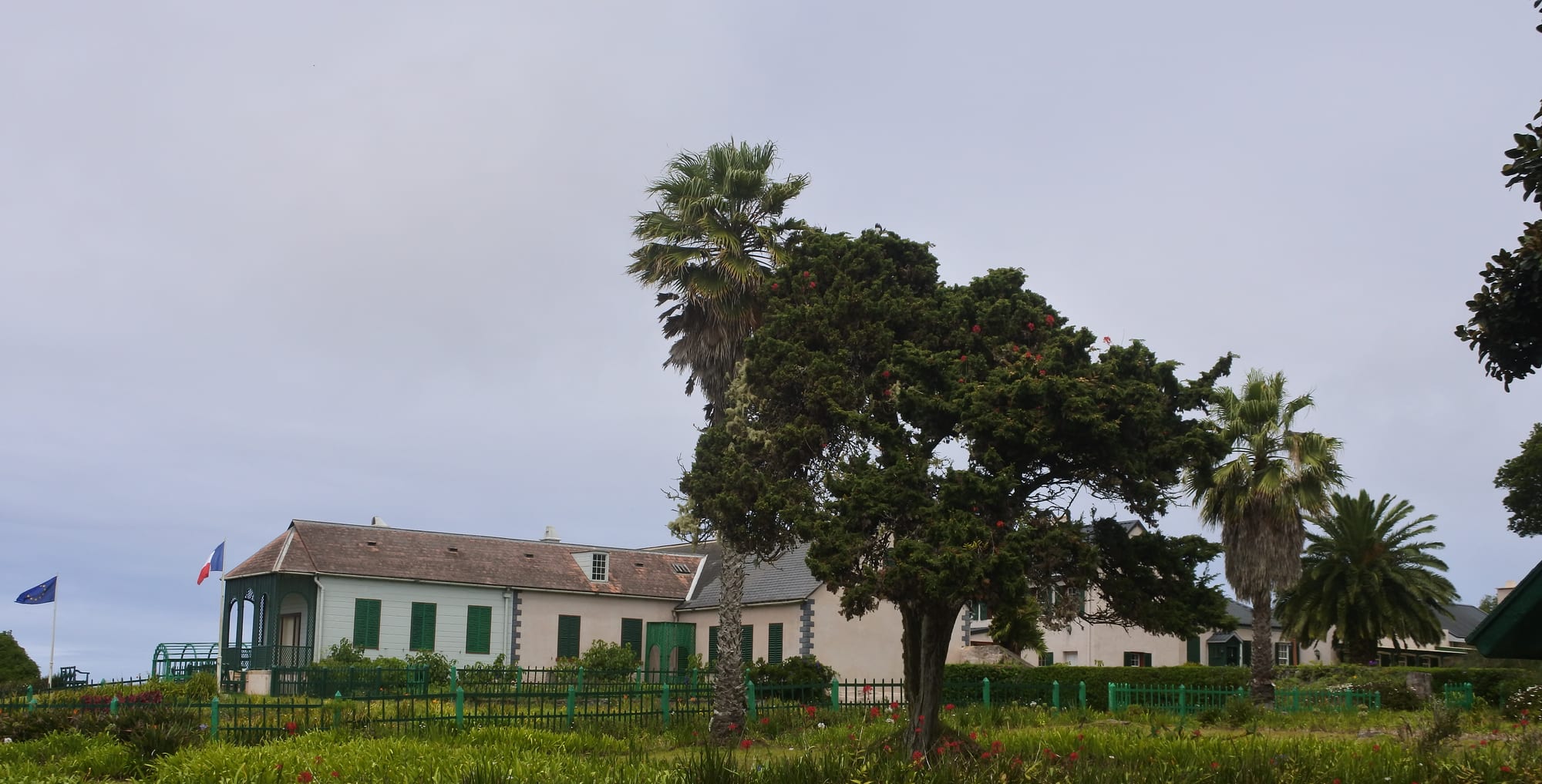
Saint Helena's most famous episode came after Waterloo: the British government chose the island as the place to hold Napoleon precisely because escape was almost impossible, and he spent his last six years at Longwood, dying there in May 1821 (his remains were returned to Paris in 1840). During his captivity the Crown took direct control from the Company, and in 1834 the island became a Crown colony. From the 1840s the Royal Navy's West Africa Squadron landed Africans freed from intercepted slave ships at Rupert's Bay; over three decades tens of thousands passed through, many thousands dying of disease soon after arrival — mass graves uncovered during the airport works in 2008 hold their remains. Some of the survivors settled and are among the ancestors of today's Saints.
Decline and isolation
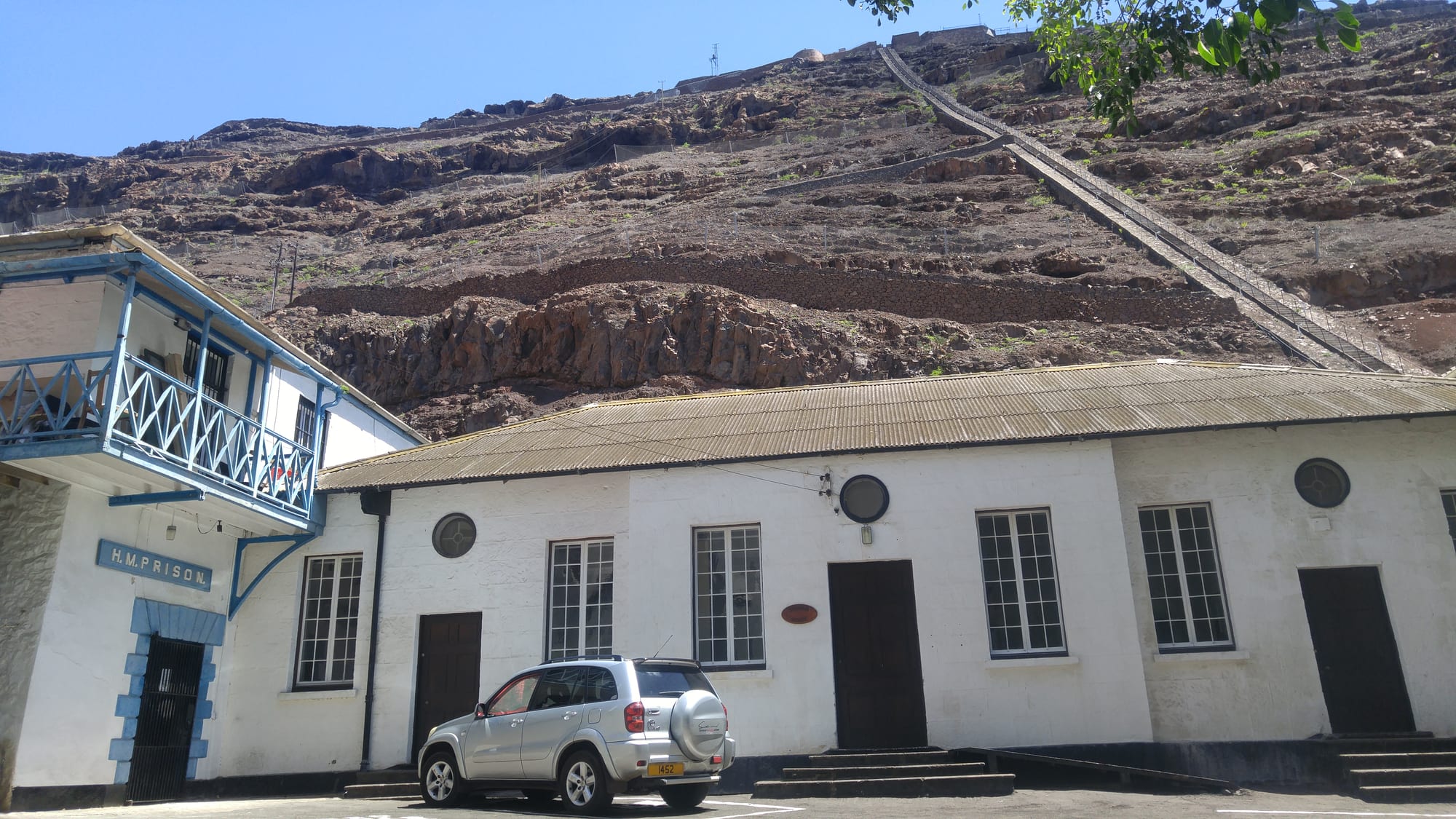
The opening of the Suez Canal in 1869 ended the island's role on the shipping route, and its economy — flax fibre, later — never found a stable replacement. During the South African War the British interned around 6,000 Boer prisoners of war in camps on the island. Through the 20th century Saint Helena depended on British subsidy, on the flax industry until it collapsed in the 1960s, and on a single Royal Mail ship, the RMS St Helena, as its only link to the world — a five-day voyage from Cape Town. In a particular grievance, the 1981 British Nationality Act stripped Saints of full British citizenship; it was restored in 2002 after long campaigning.
Saint Helena now
For decades an airport was debated as the key to ending dependence; construction finally began in 2011, and after delays caused by dangerous wind shear the first commercial flights landed in 2017, replacing the ship. The island now works to build tourism — around its Napoleonic sites, endemic wildlife and diving — while remaining reliant on UK budgetary aid. Its population has been slowly shrinking as younger Saints leave for work on Ascension, in the Falklands or in Britain.
What Saint Helena carries
Saint Helena has never had a purpose of its own — it was always useful for something happening somewhere else: watering ships to India, jailing an emperor, processing people freed from slave ships, holding prisoners of a war in South Africa. Each of those roles left a mark on the small, mixed population that grew up there. The airport was an attempt, two centuries late, to give the island a way to exist that does not depend on being in the middle of nowhere.