Daily Life · Saint Helena
Saint Helena: An Island That Waits for the Plane
Steep, narrow roads, one real town, and a population of around 4,400 whose shops, jobs and family visits all run on the rhythm of one flight a week and a cargo ship that calls roughly once a month
By Worldlore Editorial · 30 September 2026
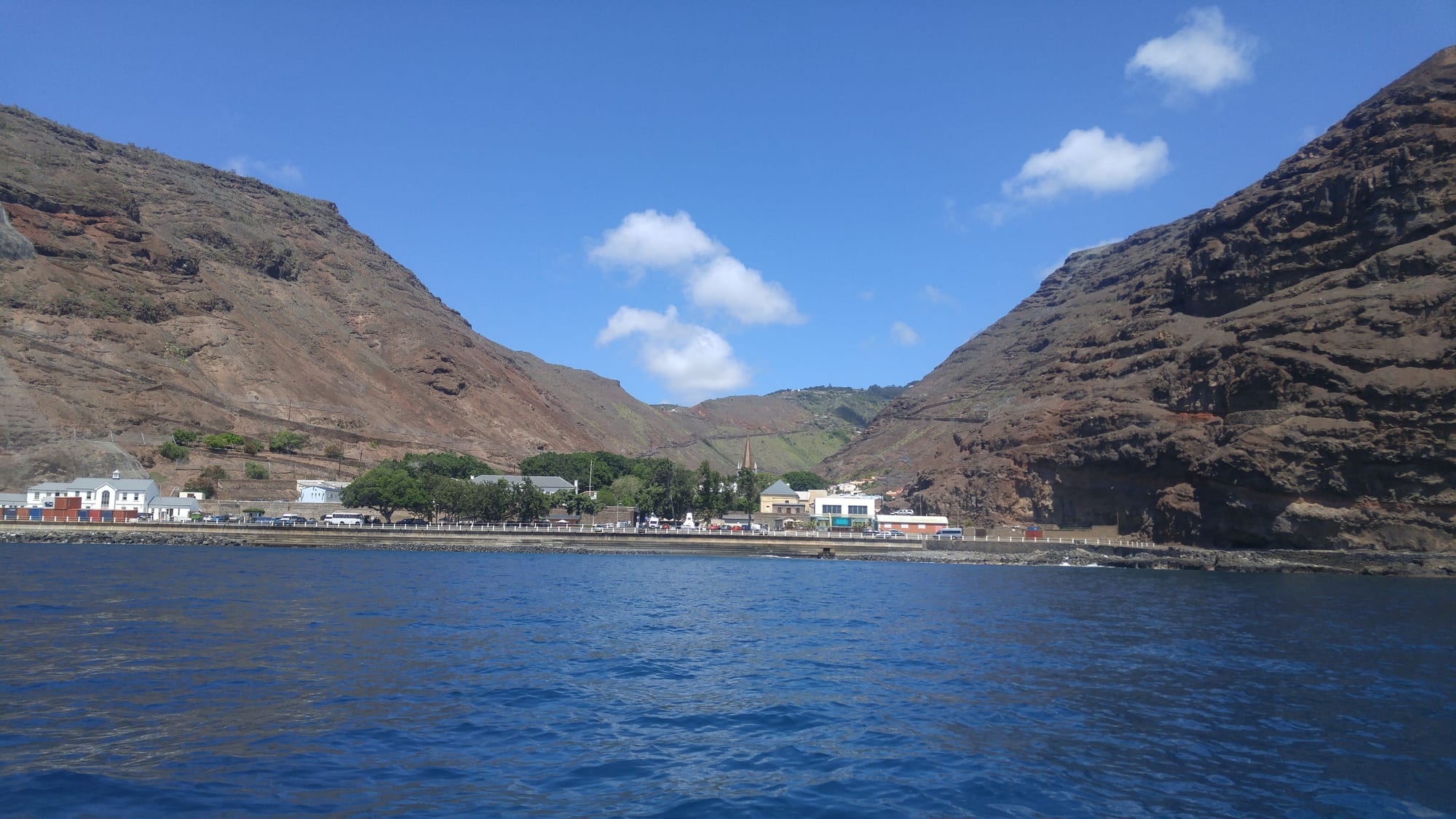
Saint Helena's 2021 census counted 4,439 residents, most of them within reach of Jamestown, the only proper town, wedged into a steep volcanic valley that opens straight onto the South Atlantic. Mostly single-lane roads wind between the settlements, and daily life runs less by the clock than by two fixed points in the calendar: the weekly Airlink flight from Johannesburg and the cargo ship, calling roughly once a month, that brings in most of what the island eats, wears and builds with. Everyone on Saint Helena is, in a very literal sense, a few degrees of separation from everyone else.
Family and home life
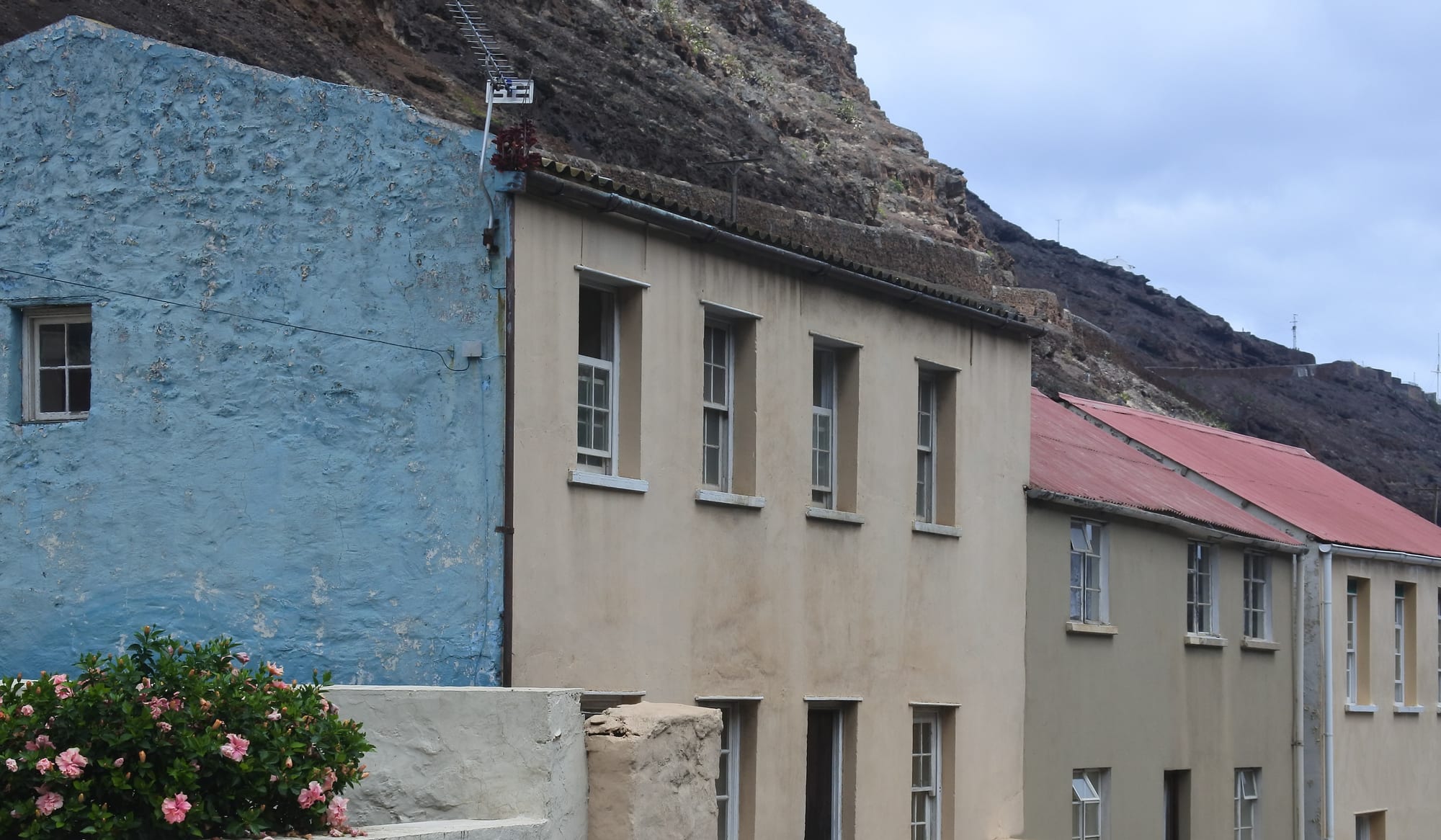
Households are generally small and close, and it is common for extended family to live within a short walk of one another around Jamestown and the handful of inland villages such as Half Tree Hollow and Longwood. Houses are mostly modest, plastered stone or concrete structures with corrugated or tiled roofs, many of them older Georgian-era buildings in Jamestown itself, tucked directly against the valley's bare cliff walls. A recurring, well understood feature of family life is emigration: working-age "Saints" have long left for jobs on Ascension, in the Falklands or in Britain, and it remains common for a household to have close relatives living and working overseas, sending money and messages home rather than living nearby.
Work, school and the rhythm of the day
A large share of the island's working population is employed by the St Helena Government or UK-funded public services, which dominate the island's small economy alongside a growing tourism sector since scheduled flights began in 2017, tuna fishing, and the island's rare, expensive coffee. Saint Helena has primary schools serving its villages and a single secondary school, St Helena Secondary School (known for decades as Prince Andrew School), educating the island's 11-to-18-year-olds; students who go on to university generally have to do so overseas. The working day follows a fairly standard nine-to-five pattern for office and government jobs, while fishing and farming work runs earlier, shaped by the tides and the weather over the central highlands rather than the clock.
Community life and public spaces
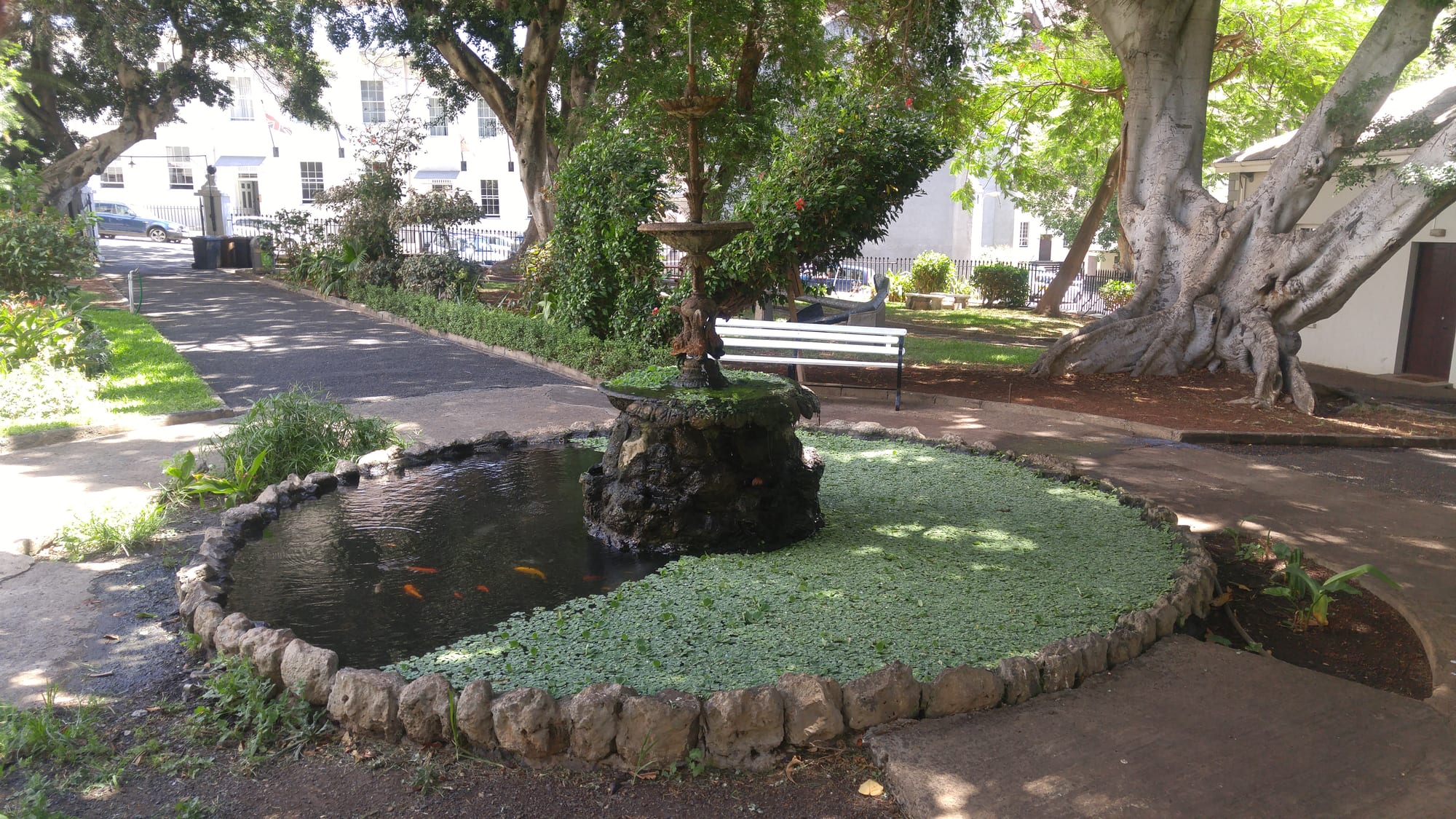
The Market in Jamestown is an everyday hub of the town, a place to buy fresh produce and stop to talk. With so few cars and so little flat ground, Jamestown's Main Street doubles as the island's real public square, and a walk from one end of town to the other routinely turns into a series of stops to talk. Fast internet only arrived with the Equiano subsea fibre cable in 2023, and before that, and still to some extent after, news and information travelled mostly by word of mouth in a community small enough that very little stays private for long.
Free time and weekends
Church, family visits and community events structure most free time, and the island's small size means the same events draw nearly everyone: the Festival of Running, cricket matches, and Saint Helena Day on 21 May are genuinely island-wide occasions rather than niche interests. Climbing Jacob's Ladder, the 699-step stairway up the cliff behind Jamestown, is a fitness habit for some residents as well as a visitor attraction. Whale sharks and dolphins draw boat trips in season, and volunteering, long a strong local tradition, fills much of the rest of the community's spare time, from running clubs and societies to practical support for neighbours.
A visitor's ordinary day
Saint Helena runs on cash: the Saint Helena pound, pegged one-to-one with sterling, is the currency, UK notes and coins circulate alongside it, card acceptance is very limited, and there are no international ATMs, so travellers need to bring sterling in cash. Getting to the island means the weekly Airlink flight from Johannesburg, which usually stops to refuel at Walvis Bay in Namibia on the way out, or a seasonal Airlink flight from Cape Town in the southern summer; there is no longer a passenger ship. A hire car is close to essential, since public transport is minimal and the roads are steep, winding and mostly single-lane, with driving on the left. Shops keep fairly standard daytime hours, and it is worth timing a visit, and any shopping list, around the cargo ship's calls: fresh stock can run low in the days before it arrives.
What to take away
Life on Saint Helena is shaped less by any single custom than by its sheer smallness and distance: a community of a few thousand people who genuinely know one another, living around one town and one weekly flight that the rest of the world reaches them through.