History · Saint Barthélemy
Saint Barthélemy: The Island Sweden Owned
A dry, sugar-poor speck in the northern Antilles — settled by Norman and Breton fishermen, given by France to Sweden for a warehouse in a French port, run as a free port for a century, sold back, and now a French tax-light playground for the very rich
By Worldlore Editorial · 19 September 2026
The improbable colony
Saint Barthélemy — "St Barth" — is a small, hilly, arid island of about 25 square kilometres in the northern Lesser Antilles, with around 10,000 residents. It is a French overseas collectivity, but it carries the one genuinely unusual fact in its history: for 94 years it belonged to Sweden, the only Caribbean territory that kingdom ever held, acquired in a swap for trading rights in a French port. Too dry for the sugar plantations that made other islands rich, St Barth survived on smuggling, salt, fishing and, eventually, tourism.
A short history
- pre-1600s
Carib island
Seasonally used by Kalinago people; named by Columbus in 1493.
- 1648
French settlement
Colonists from Normandy and Brittany arrive from Saint Kitts.
- 1651–1784
French rule
A poor settler island; brief Knights of Malta ownership; buccaneer links.
- 1784
Transfer to Sweden
France cedes the island in exchange for warehouse rights in Gothenburg.
- 1785
Gustavia and the free port
Sweden declares a duty-free port; trade booms in wartime.
- 1878
Sold back to France
A referendum of residents approves; Sweden sells for 320,000 francs.
- 1946–2007
Part of Guadeloupe
Governed as a commune of the French department.
- 2003
Referendum
Islanders vote to separate from Guadeloupe.
- 2007
Collectivity
Saint Barthélemy becomes a self-governing French overseas collectivity.
A poor French island
Columbus sighted the island in 1493 and named it for his brother Bartolomeo; the Kalinago used it but did not settle permanently, as it has no rivers and little soil. French colonists came in 1648 from nearby Saint Kitts. The island changed hands and owners repeatedly in the 17th century — including a spell under the Knights of Malta — and gained a reputation as a haunt of buccaneers, who could sell their takings there without questions. Without the water for large-scale sugar, St Barth never developed a big plantation economy or the large enslaved population of its neighbours; its white settler population, many of Norman and Breton descent, farmed small plots and fished.
The Swedish century
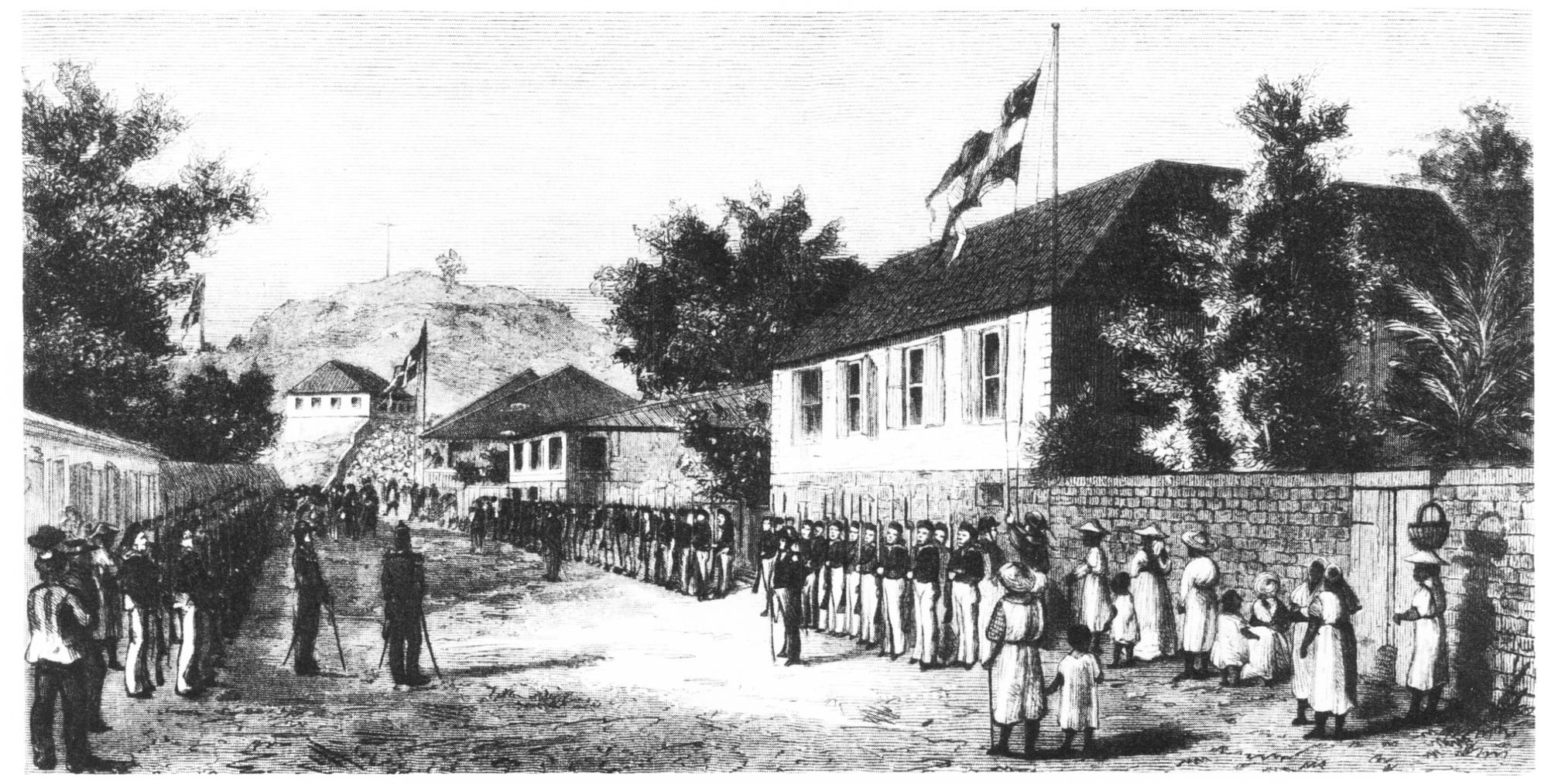
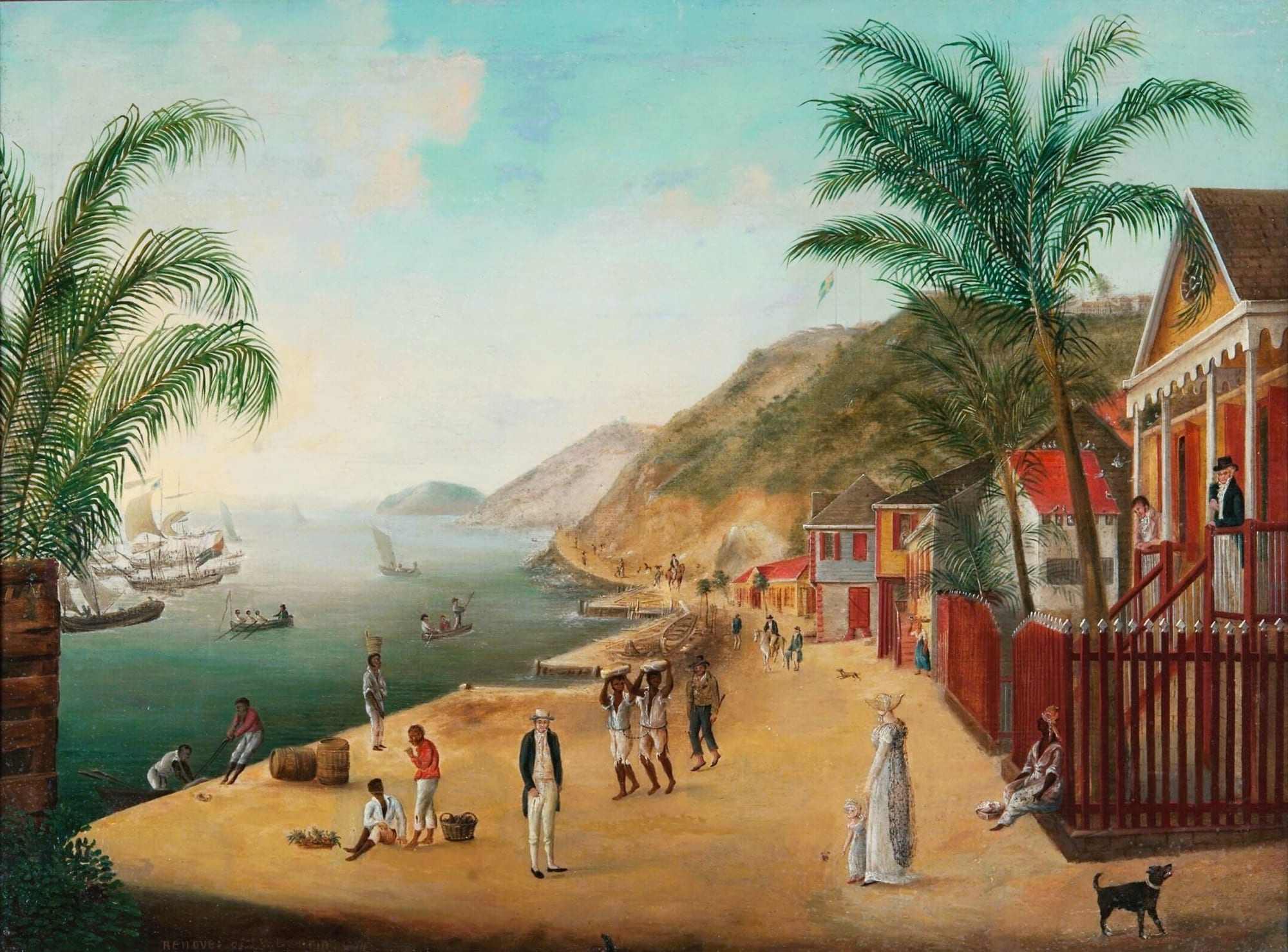
In 1784 King Gustav III of Sweden, wanting a Caribbean foothold for trade, struck a deal with France: Sweden received Saint Barthélemy, and France received the right to a duty-free warehouse ("entrepôt") in the port of Gothenburg. Sweden renamed the main town Gustavia, laid it out on a grid, and in 1785 declared the whole harbour a free port. During the wars of the 1790s and 1800s, when the other Antilles were belligerent territory, neutral Gustavia boomed as a transshipment hub — its population briefly passed 5,000 — and Sweden's small colonial administration also ran a slave trade through it until abolishing slavery on the island in 1847. Once peace returned and steamships changed shipping patterns, the free port declined and the colony became a financial burden.
Back to France, and independence within it
Sweden decided to divest. After a local referendum in which residents voted overwhelmingly to rejoin France, the island was sold back in 1878 for 320,000 francs. France attached it administratively to Guadeloupe, and from 1946 it was a commune of the Guadeloupe department, sharing that island's institutions despite being 230 kilometres away and quite different in history and make-up. Post-war St Barth reinvented itself once more: from the 1950s and 1960s, helped by an American banking family's investment and its own duty-free status, it became an exclusive resort destination, drawing yachts, luxury villas and celebrities, with one of the highest costs of living in the Caribbean.
Saint Barthélemy now
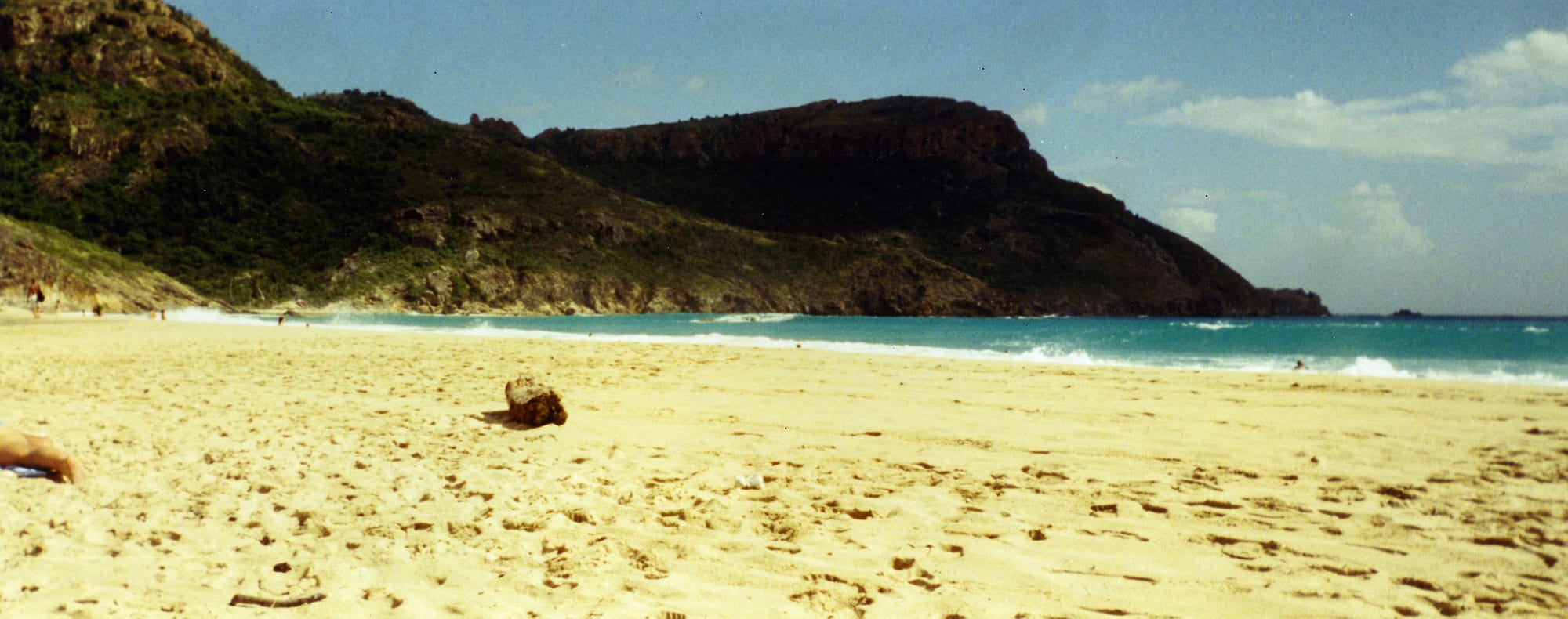
Islanders increasingly wanted their own institutions and a status matching their tax-light, tourism-based economy. In a 2003 referendum they voted to separate from Guadeloupe, and in 2007 Saint Barthélemy became a French overseas collectivity with its own territorial council able to set local rules on tax, planning and immigration, while remaining French and, for now, part of the EU's outermost regions (it later shifted to "overseas country and territory" status). In September 2017 Hurricane Irma, a Category 5 storm, struck the island directly, causing extensive damage; reconstruction was rapid, funded by its wealthy property market.
What Saint Barthélemy carries
Saint Barthélemy's history is a series of workarounds for the fact that it could never grow sugar: it lived by smuggling and privateering, then as a Swedish free port, then as a duty-free luxury enclave. The Swedish century left the capital's name and street plan and little else; the enduring inheritance is the free-port instinct, which the 2007 self-government arrangement essentially formalised.