Daily Life · Saint Barthélemy
Saint Barthélemy: A Village That Runs on Villas
A permanent population small enough that most people know each other, a workforce built almost entirely around villas, boats and restaurants, and an island where nearly everything eaten or used arrives by boat from somewhere else
By Worldlore Editorial · 30 September 2026
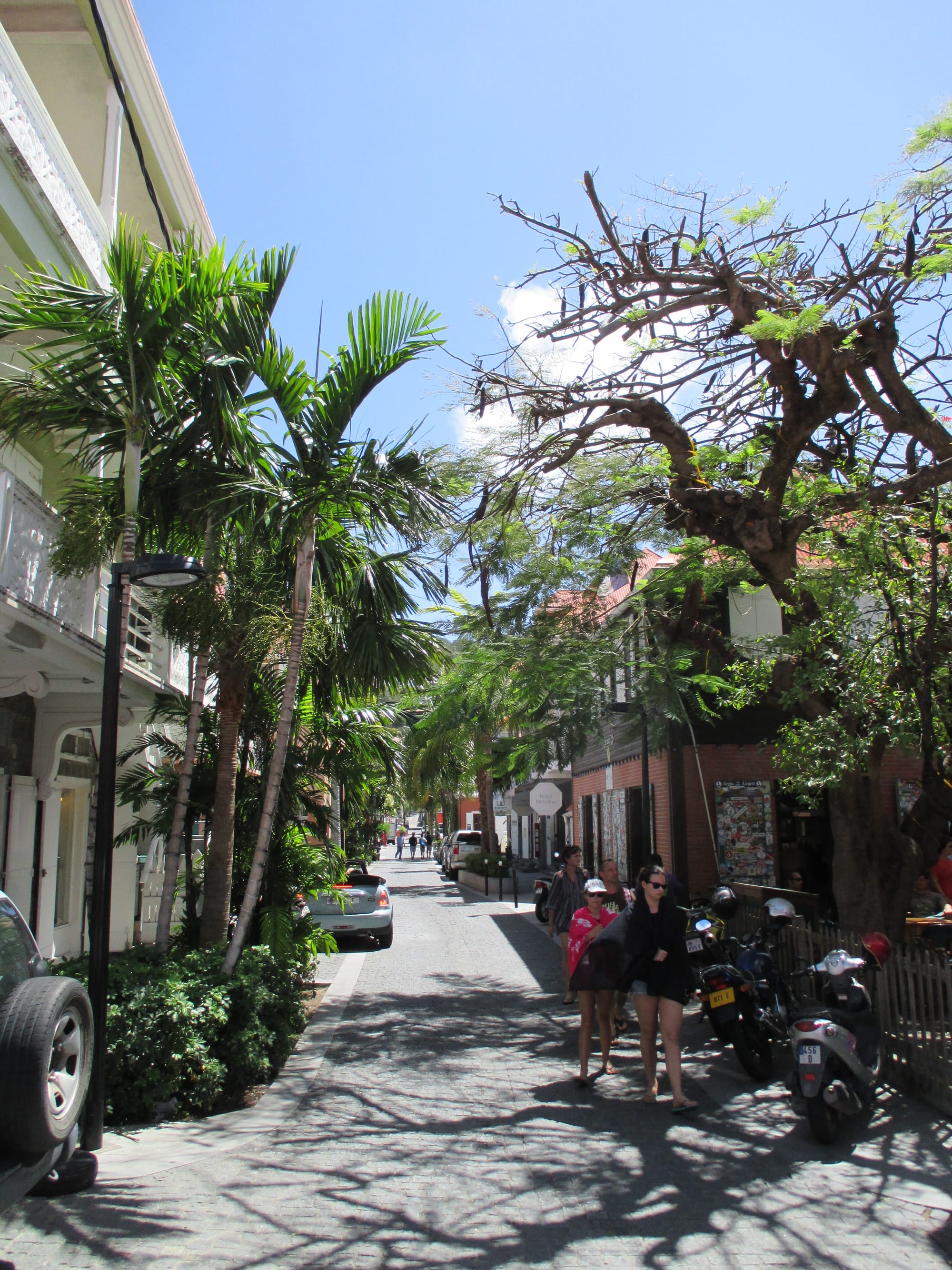
Fewer than eleven thousand people live in Saint Barthélemy year-round, and outside the December-to-April high season the island runs at something close to village pace: quiet roads, a handful of open restaurants, and a population that largely knows itself by name. What sets daily life here apart from most small Caribbean islands is what pays for it: almost the entire working population is employed, directly or indirectly, by villas, yachts, hotels and restaurants serving visitors, on an island that grows almost none of its own food and imports nearly everything, and draws its drinking water from the sea through desalination plants.
Family and home life
The permanent population is a mix of old Saint-Barth families, most descended from the Norman, Breton and other western French settlers who arrived from the 1640s, and a sizeable newer group of mainland French, Portuguese and West Indian residents drawn by tourism-industry work. Housing costs are very high, and a shortage of affordable housing for seasonal hospitality workers is a genuine, recurring problem rather than a minor inconvenience, pushing many staff into shared accommodation. Households tend to be small, and because so much of the workforce is employed in service roles with long hours in season, family time is often concentrated in the quieter months at the end of summer and into autumn, when many businesses close and the island empties out.
Work, school and the rhythm of the day
Services, overwhelmingly tourism and the businesses that support it, account for the large majority of jobs, with hotels and restaurants alone making up about a fifth of salaried employment. Unemployment has been unusually low for the French Caribbean, around 4 per cent in the mid-2010s. Schooling follows the French national curriculum under the Guadeloupe education authority, with schools on the island running through to the lycée. Work in the tourism economy is highly seasonal: long, demanding hours from December to April, then a sharp slowdown, with many restaurants and even some shops closing entirely for several weeks at the end of summer.
Community life and public spaces
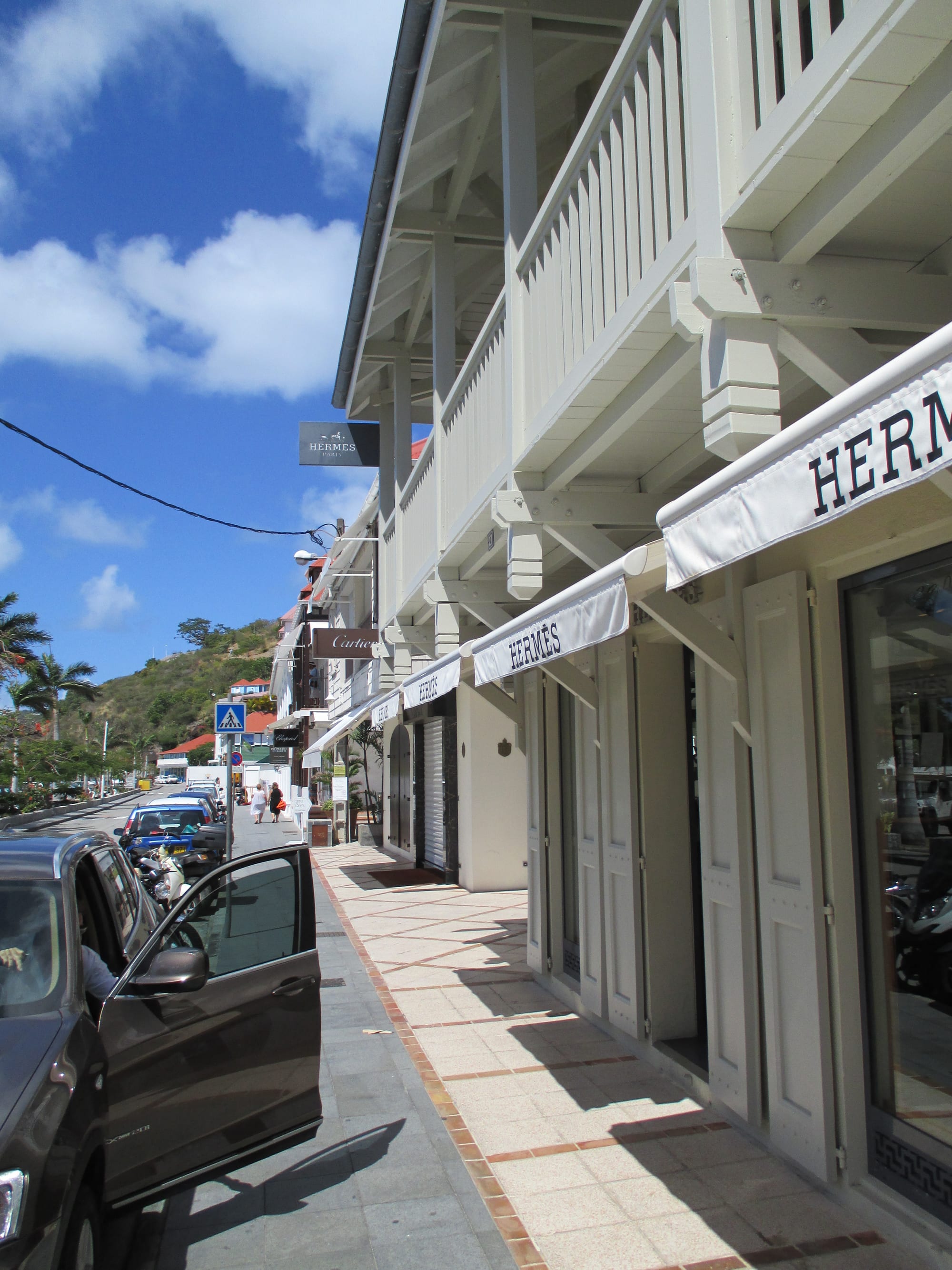
Gustavia's harbour is the island's real public square: boats, the duty-free shopping streets around the quay, and the cafés facing the water are where daily errands and casual meetings both happen. Corossol, a small fishing village on the northwest coast, keeps an older, plainer version of island life alive, with working fishing boats and a handful of residents who still weave hats and baskets from latanier straw. Because almost everything is shipped in, grocery shopping and restaurant supply both depend on the boat schedule, and a delayed shipment is felt directly on shelves and menus. Getting around means a small car or scooter on narrow, steep roads, since there is no public bus network to speak of.
Free time and weekends
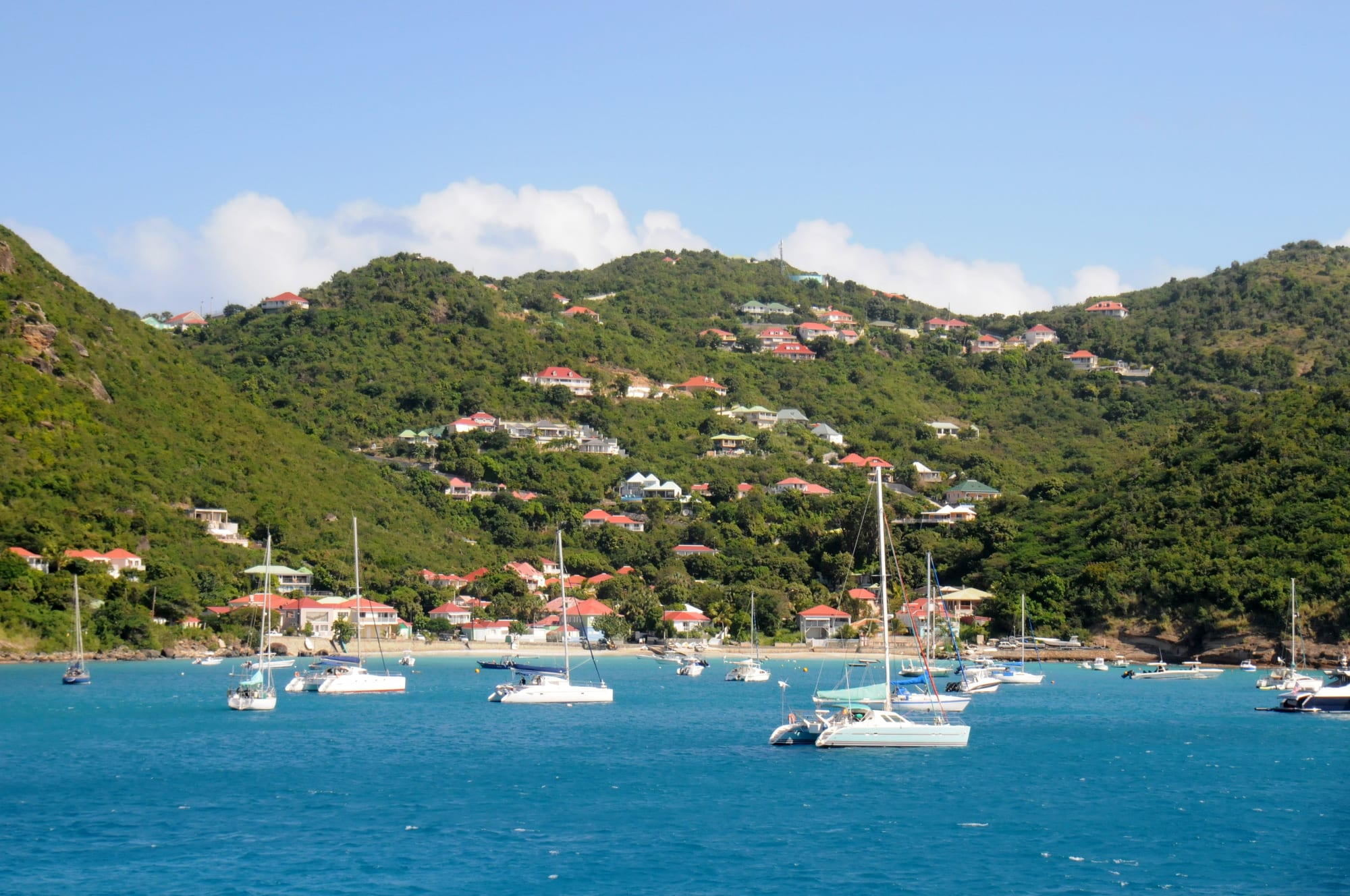
Sailing and fishing remain the island's cultural backbone, and the calendar outside the tourist high season still turns on the harbour: regattas such as the Bucket and Les Voiles de Saint-Barth fill Gustavia with yachts each spring, and casual sailing and fishing trips are a normal weekend activity for residents, not just visitors. Beaches are the default place to spend a free afternoon, from the busier stretches near Gustavia to the wilder, facility-free coves on the Atlantic side. With the permanent population so small, social life leans heavily on a handful of familiar restaurants and beach bars that stay open year-round, rather than a wide choice of venues.
A visitor's ordinary day
The euro is the currency, and cards are accepted almost everywhere, though US dollars are sometimes taken informally at a variable rate. Getting to the island means either a short flight on a small aircraft from Sint Maarten, San Juan, Antigua or Guadeloupe, landing on a short runway with a steep approach over a hilltop road, or a ferry from Sint Maarten. A rental car or scooter is close to essential, since distances are short but the roads are steep, narrow and short on parking, especially in Gustavia and St Jean. Restaurants and shops keep relatively relaxed hours in season but many close entirely for several weeks in the quiet late-summer and autumn months.
What to take away
Saint Barthélemy's ordinary day is smaller and plainer than its reputation suggests: a village-sized population running one of the most expensive economies in the Caribbean, dependent on boats bringing in almost everything it needs, and quiet again the moment the visitors leave.