Food · Rwanda
Rwanda: Food and the National Dish
Grilled meat skewers and a plate built from beans, plantain and sweet potato, from a country of terraced hills and small family farms
By Worldlore Editorial · 16 September 2026
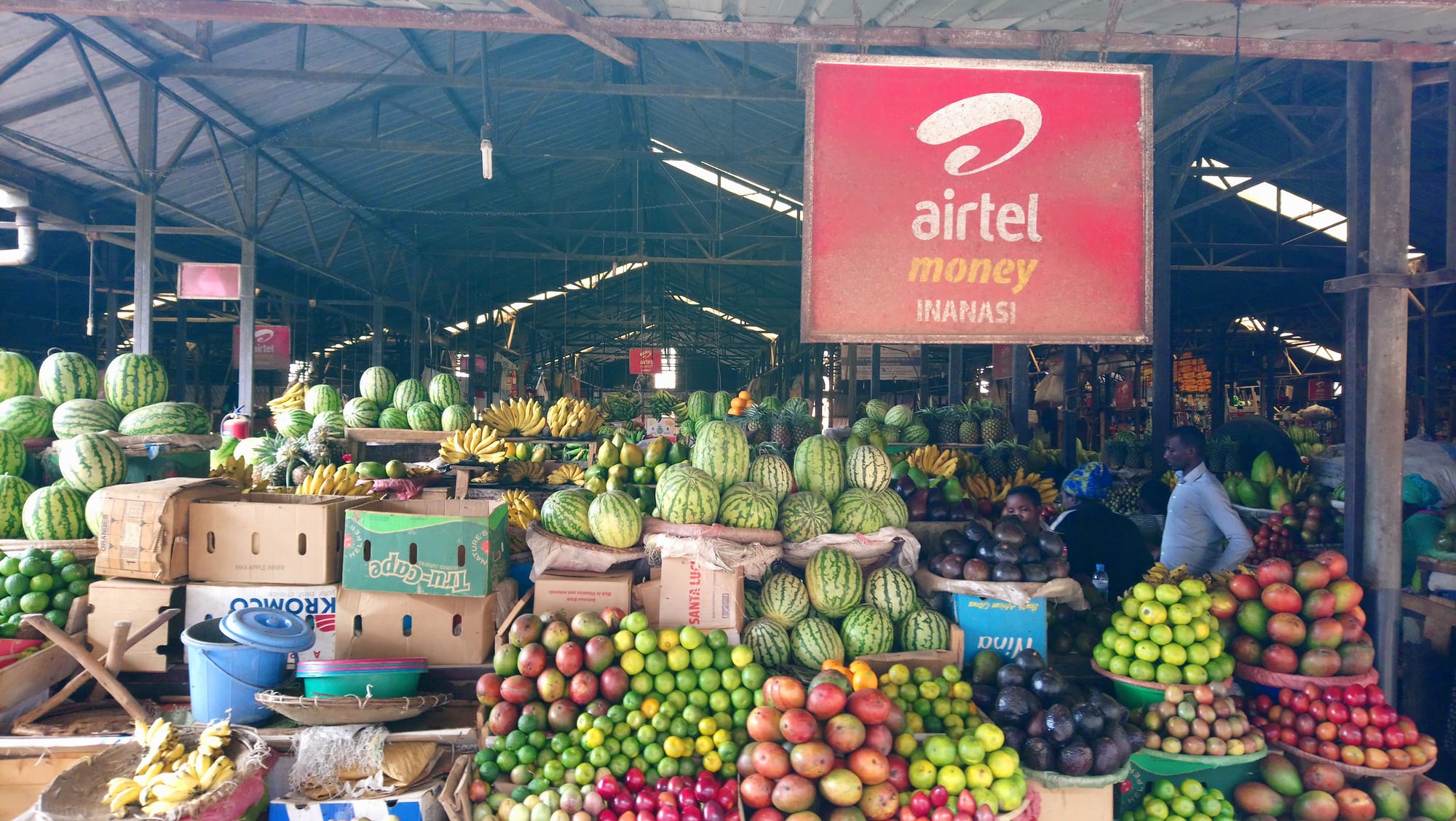
A cuisine grown on Rwanda's terraced hills
Rwanda's food reflects its geography directly: small family farms terraced into the country's famous hills grow the beans, sweet potato, cassava and matoke (green plantain) that anchor most everyday meals, with no single official national dish so much as a shared everyday plate and a favourite grilled snack eaten nationwide.
Brochettes and the everyday plate
Brochettes, skewers of grilled meat, most often goat or beef, cooked over open coals and sold at roadside stands and restaurants alike, are Rwanda's most widely recognised and loved food, genuinely eaten as a social dish shared among friends over drinks. Alongside brochettes, the true everyday Rwandan meal is a plate combining beans, matoke, sweet potato, cassava and vegetables, a filling, plant-heavy combination eaten in households nationwide.
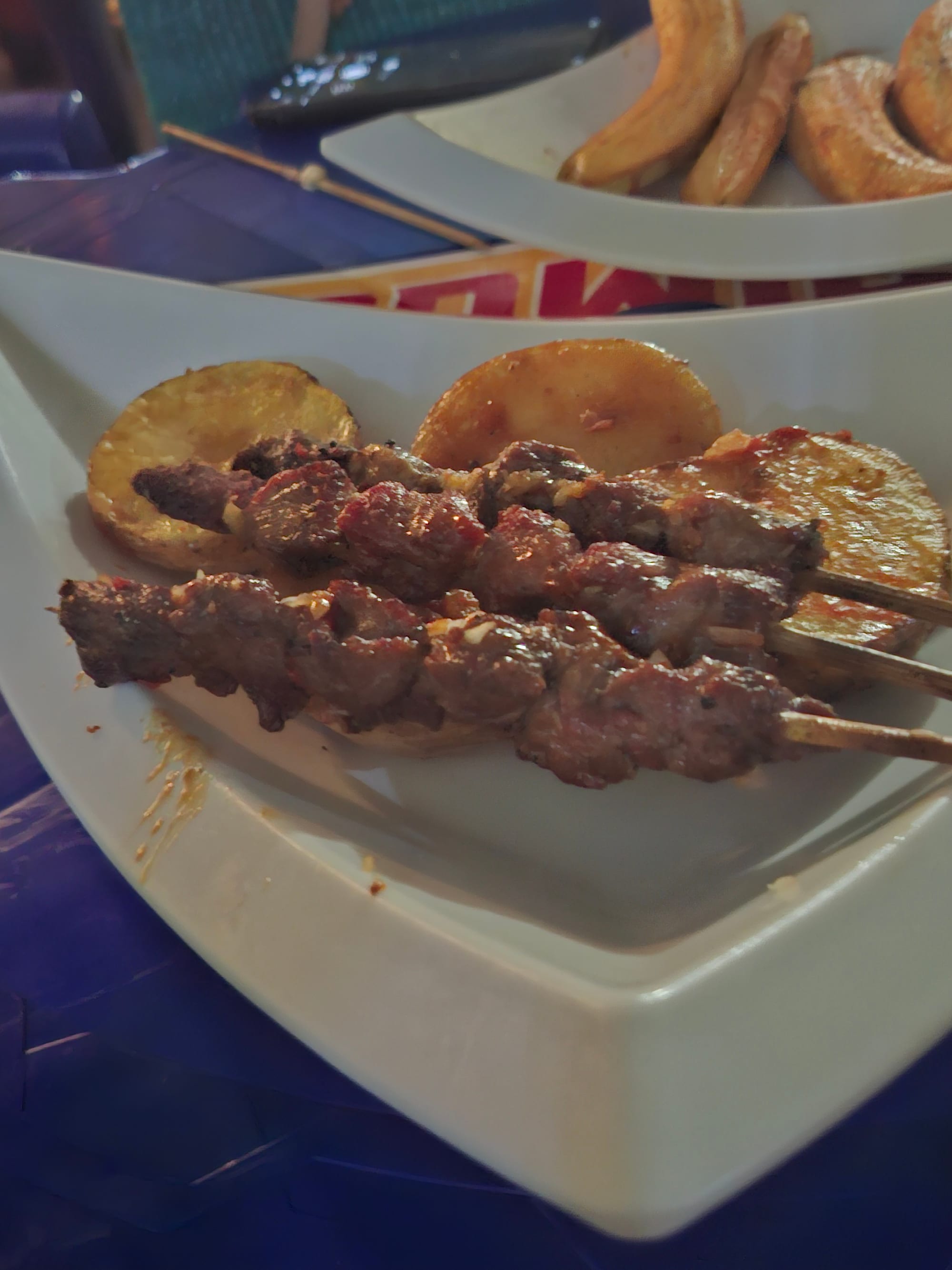
Beans, matoke and a genuinely plant-heavy pantry
Beans, matoke and sweet potato anchor most Rwandan meals, reflecting the country's small-farm agricultural economy and its terraced hillside geography. Cassava, groundnuts and a range of leafy greens round out a pantry that leans heavily on what's grown locally, with meat generally treated as an addition to a plant-based plate rather than its centre.
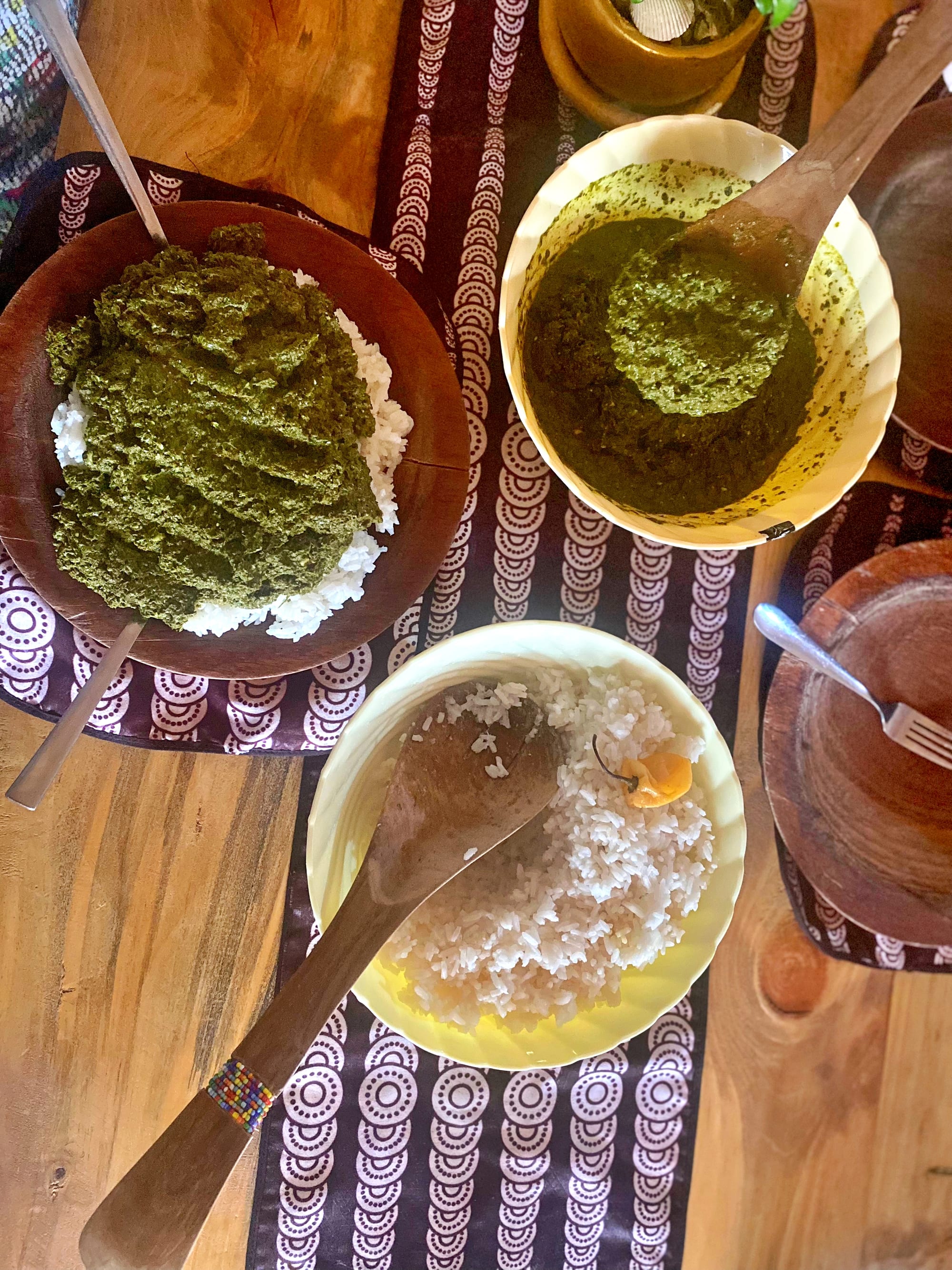
History behind the plate
Rwanda's densely populated, hilly terrain has long shaped its agriculture around small, intensively farmed plots rather than large commercial farms, favouring crops like beans, sweet potato and matoke that grow reliably on terraced hillsides. Cattle have carried deep cultural and social significance in Rwandan society for generations, though beef itself has historically been eaten more sparingly than the country's plant-based staples, with brochettes representing a more modern, socially central way that meat is now widely enjoyed.
Dishes to know
Five more to recognise across Rwanda:
- Ugali (or ubugali) — a stiff maize or cassava porridge, eaten with
sauces or vegetables, similar to staples across East Africa.
- Isombe — cassava leaves cooked down with spinach and often
eggplant, a common vegetable side dish.
- Ibirayi — potatoes, boiled, roasted or fried, a genuine everyday
staple.
- Agatogo — a stew of green bananas and vegetables, sometimes with
meat added.
- Urwagwa — a traditional banana beer, brewed at home in many rural
communities.
Drinks
Urwagwa, a traditional banana beer brewed at home in many rural communities, remains a genuine part of Rwandan social and ceremonial life. Rwandan coffee, grown on hillside cooperative farms, has built a real international reputation for quality, and tea, also grown domestically, is a common everyday drink.
Eating as a traveller
Vegetarians will find beans, matoke and vegetable-based dishes easy to find, since plant-based staples form the base of most Rwandan meals. Tap water is not reliably safe outside major hotels; bottled water is the safer default. Sharing brochettes with a drink at a local spot in Kigali is a genuine, widely enjoyed way to experience Rwandan food socially.
What to take from the table
Beans, matoke and sweet potato from Rwanda's terraced hills, shared alongside brochettes grilled over open coals, capture a food culture built on small farms and shared plates rather than one single signature dish.