Attractions & Natural Wonders · Rwanda
Rwanda: Five Attractions and Natural Wonders
Mountain gorillas tracked through volcanic rainforest, a memorial that confronts one of the 20th century's worst atrocities directly, and a canopy walkway suspended above ancient rainforest older than the Amazon
By Worldlore Editorial · 9 September 2026
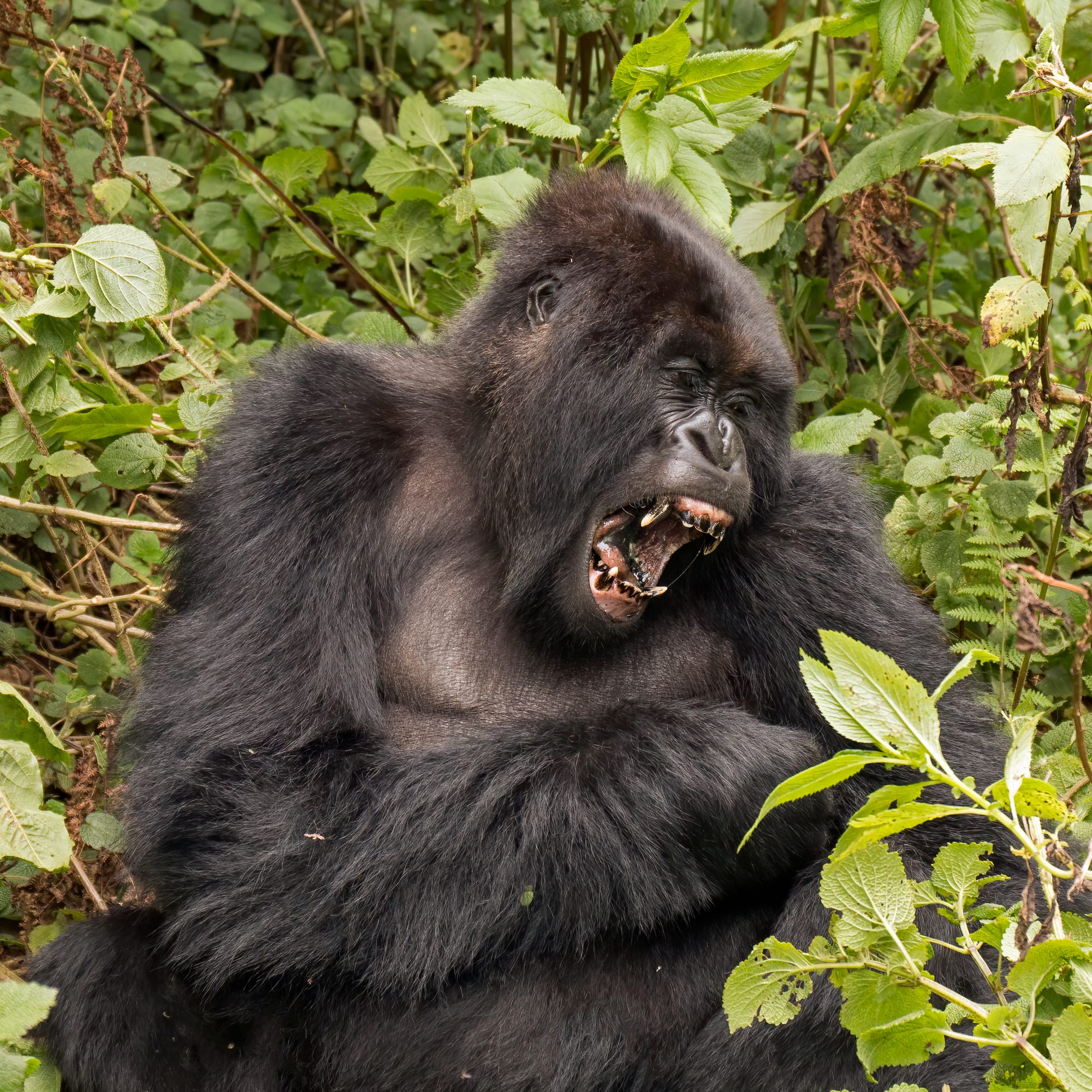
The land of a thousand hills, remade
Rwanda, known as the "land of a thousand hills" for its steep, terraced green terrain, endured one of the 20th century's most devastating atrocities in the 1994 genocide against the Tutsi, in which roughly 800,000 people were killed in around a hundred days. In the three decades since, Rwanda has rebuilt itself into one of Africa's cleanest, safest, and most orderly countries, and has become a globally significant destination for mountain gorilla tourism — conservation success stories that sit directly alongside the country's continued, deliberate work of remembrance.
The five below run from the volcanic north to the capital and the southern rainforest. The two dry seasons (roughly June–September and December– February) are generally the easiest times for gorilla trekking.
1. Volcanoes National Park
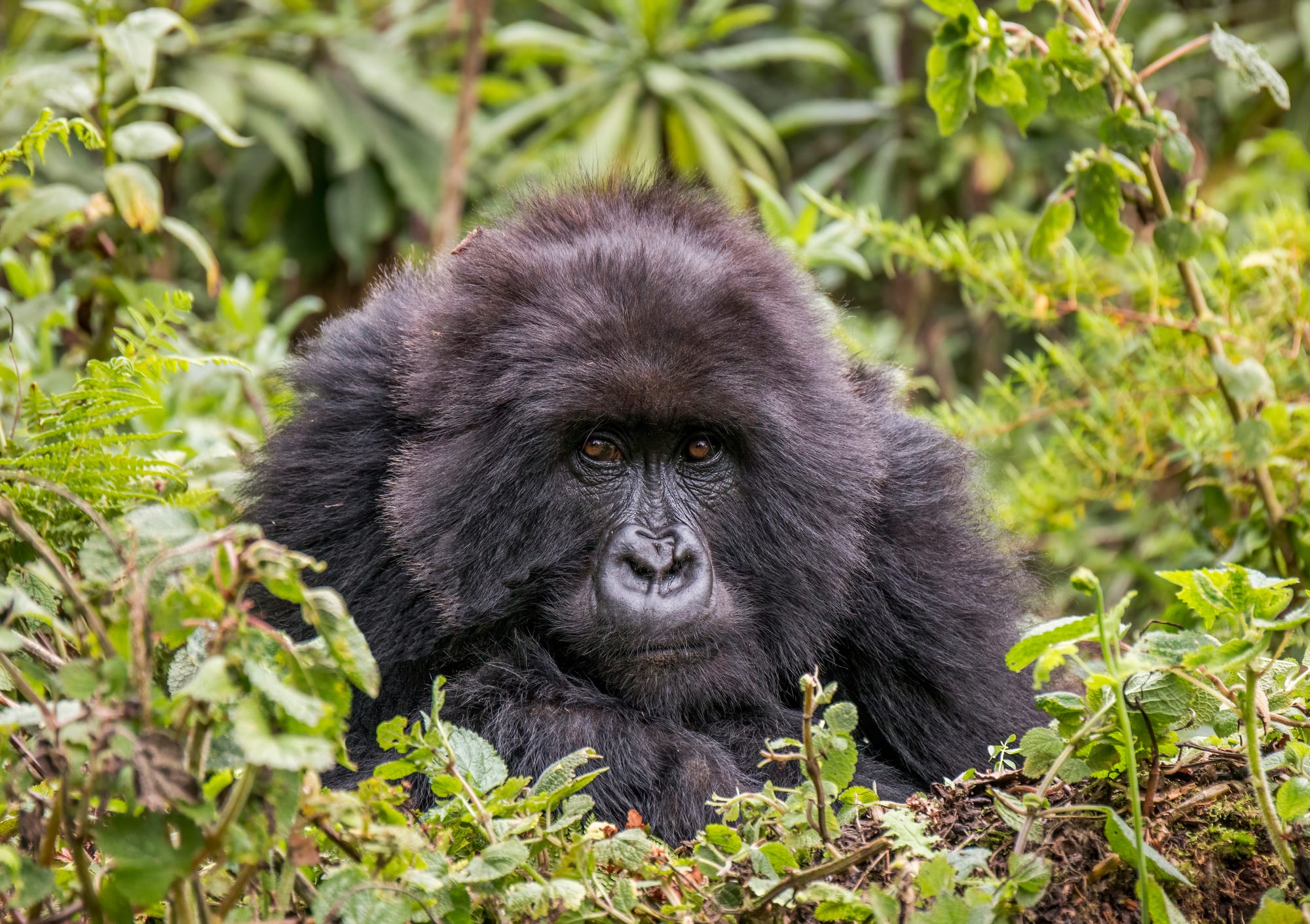
Volcanoes National Park, in the Virunga mountain range along the borders with Uganda and the DR Congo, protects roughly a third of the world's remaining mountain gorillas, a population that has grown steadily thanks to decades of conservation work following the pioneering research of primatologist Dian Fossey, who is buried in the park. Strictly limited, permit-controlled gorilla trekking here has become one of Africa's most sought-after — and most expensive — wildlife experiences, with proceeds directly funding conservation and local community programmes.
2. Lake Kivu
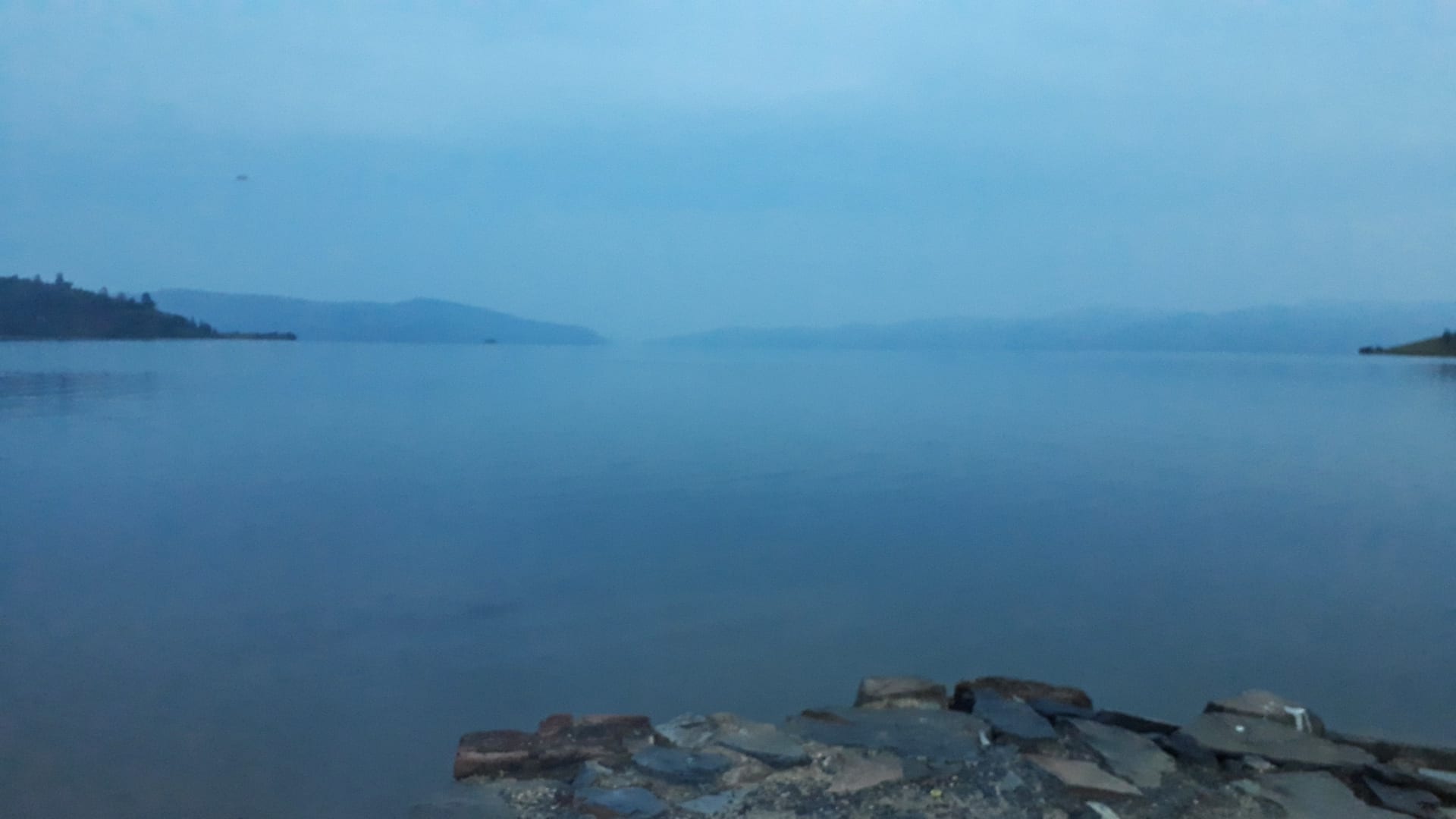
Lake Kivu, one of Africa's Great Lakes, offers a far more relaxed contrast to the gorilla-trekking circuit — lakeside towns like Gisenyi and Kibuye have beaches, boat trips, and a noticeably cooler, calmer pace, along with coffee plantations on the surrounding hillsides that have become an increasingly significant part of Rwanda's economy and tourism offering.
3. The Kigali Genocide Memorial
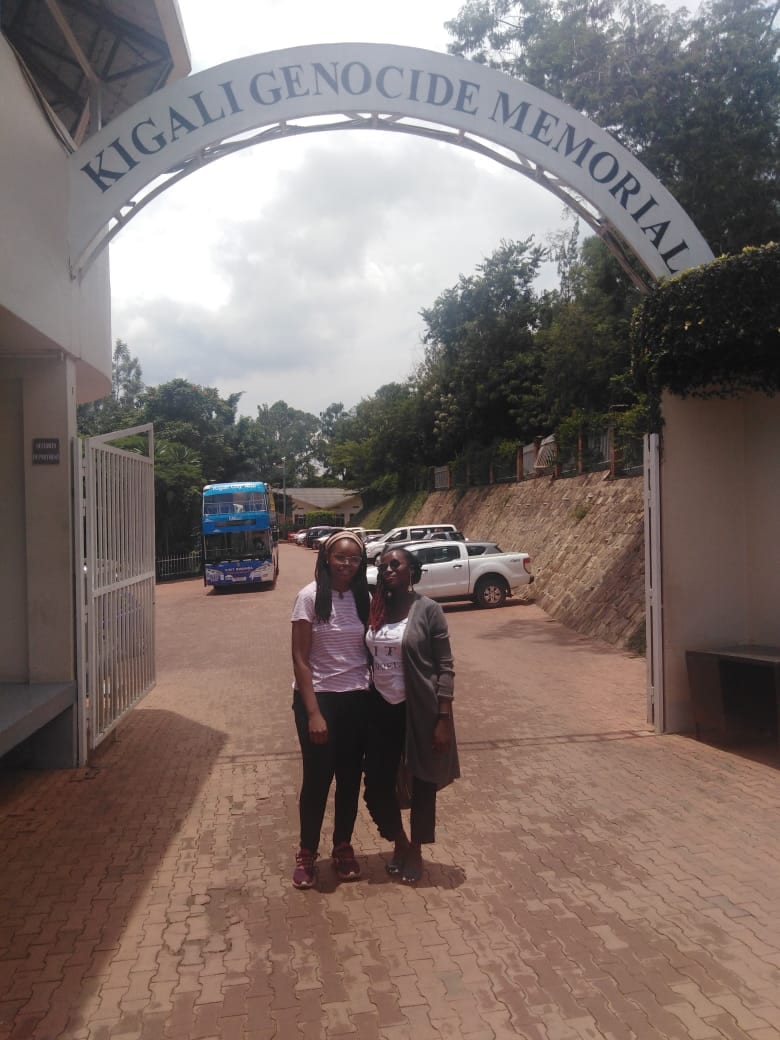
The Kigali Genocide Memorial holds the remains of more than 250,000 victims of the 1994 genocide and presents their stories through an exhibition covering the events leading up to and during the killings, alongside a section addressing genocide globally. It is treated as a solemn, essential stop for understanding modern Rwanda, and is generally visited with the gravity the subject demands rather than as a casual sightseeing stop.
4. Nyungwe Forest and the canopy walk
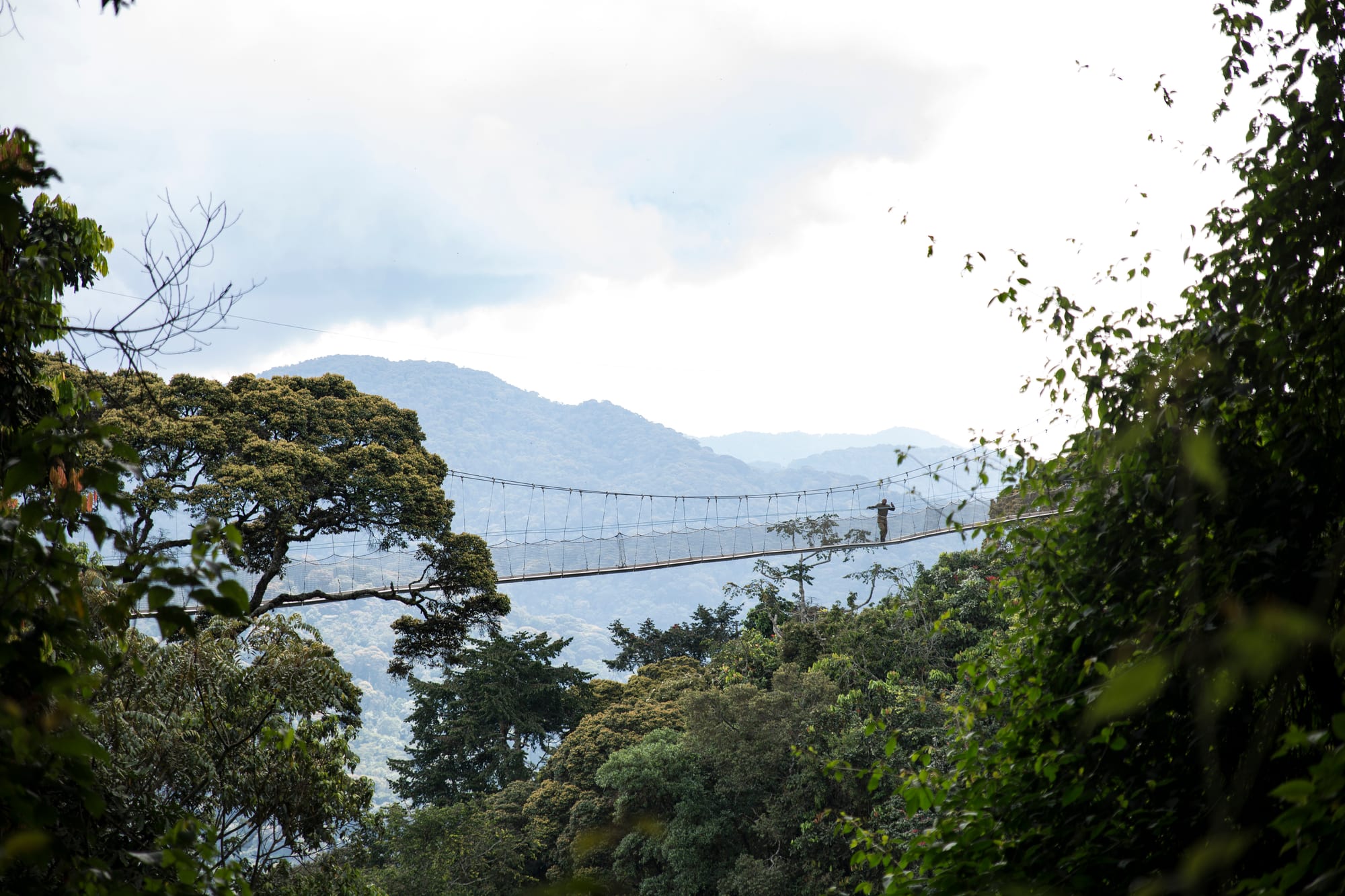
Nyungwe Forest, in Rwanda's southwest, protects one of Africa's oldest surviving rainforests, home to chimpanzees and several other primate species along with hundreds of bird species. A suspended canopy walkway, strung high above the forest floor between towers, gives a rare bird's-eye perspective on the forest canopy, alongside more traditional guided primate-tracking hikes at ground level.
5. Kigali
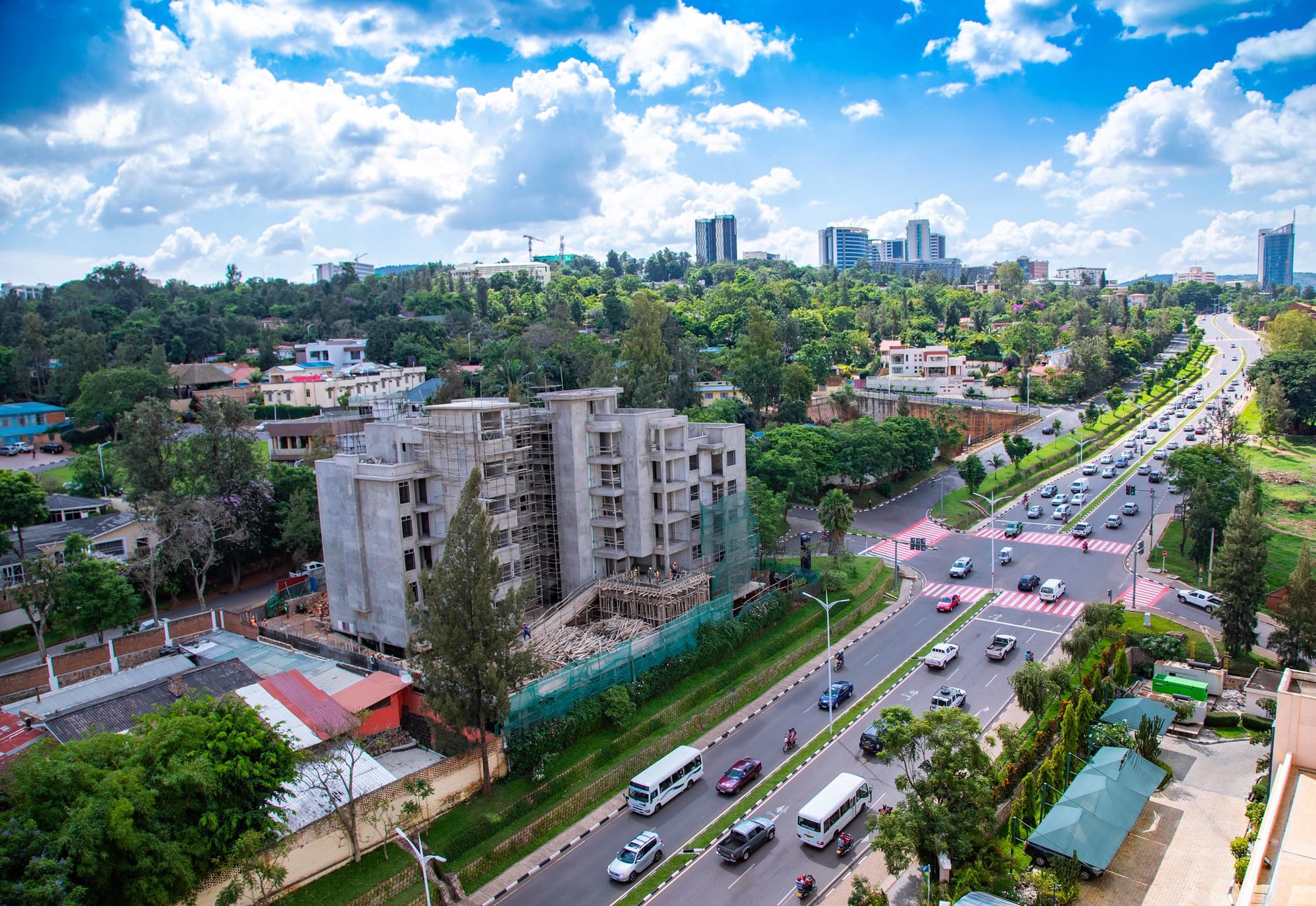
Kigali, Rwanda's capital, has become known across the continent for its cleanliness, safety, and orderly urban planning — the result of deliberate government policy, including a nationwide monthly community clean-up day (Umuganda) and one of the earliest plastic bag bans in the world. It serves as the practical base for most visitors before heading north to the gorillas or south to Nyungwe.
Rwanda suits a focused week: gorilla trekking in the north, a stop at Lake Kivu or the Genocide Memorial in Kigali, and Nyungwe Forest in the south, with domestic travel times short enough to combine all of them comfortably.