Daily Life · Rwanda
Rwanda: A Country of Terraced Hills
Small farms carved into steep slopes, a Saturday morning when the whole country stops to work together, and a family day built around a plot of land that keeps getting smaller
By Worldlore Editorial · 30 September 2026
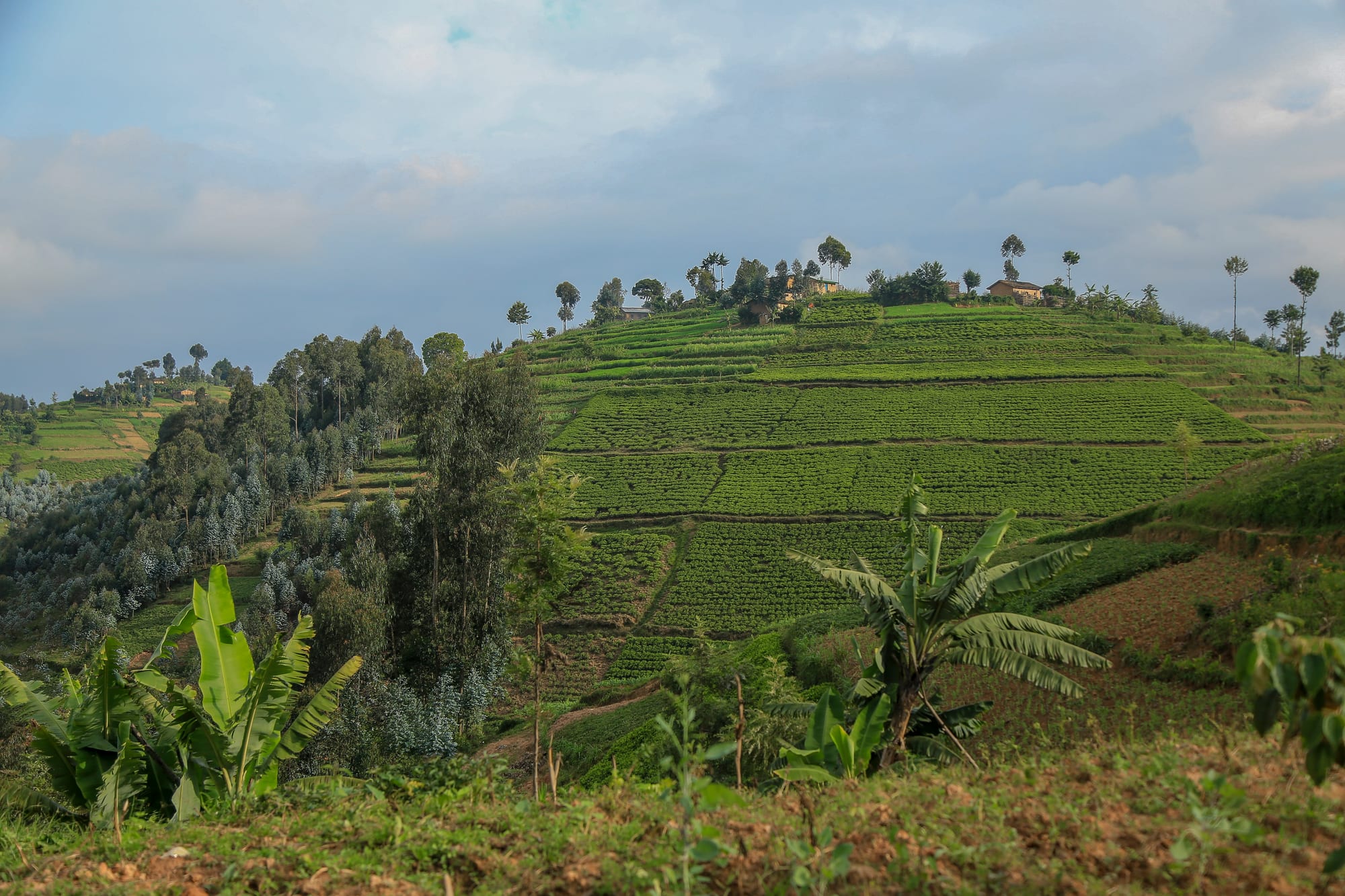
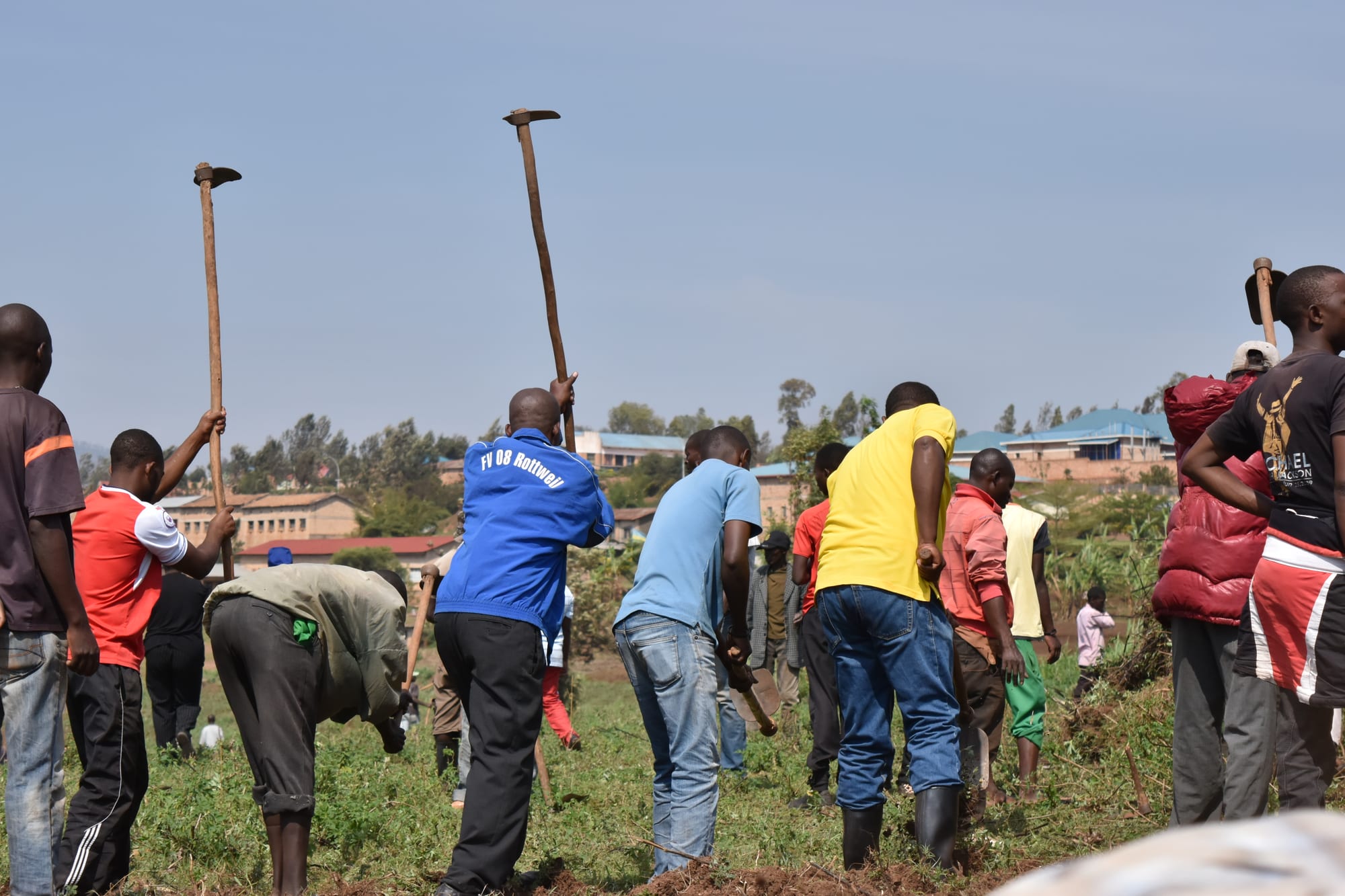
Rwanda is one of Africa's most densely populated countries, and it shows in the land itself: almost every hillside outside the national parks has been cut into narrow terraces, planted with beans, bananas, cassava and sweet potato right up to the ridge line. Most days start early and outdoors, and for a large share of the population the working day and the farming day are the same thing. Once a month, on the last Saturday, that pattern pauses nationwide for umuganda, a mandatory morning of community labour that shuts roads, closes shops and turns the whole country briefly into one shared work crew.
Family and home life
Rural households, where a large majority of Rwandans still live, average around four people and are typically organised around a small farm plot of often under a hectare, worked by the whole family rather than hired labour. Land pressure is a defining fact of home life: plots have been repeatedly subdivided across generations, and many families' entire landholdings are now very small. Houses are often simple, one-storey structures of brick or block with a corrugated iron roof, often built and extended gradually as money allows. In Kigali and other towns, household size trends smaller and housing is increasingly rented apartments and compounds rather than family-built homes, as more people move for work outside farming.
Work, school and the rhythm of the day
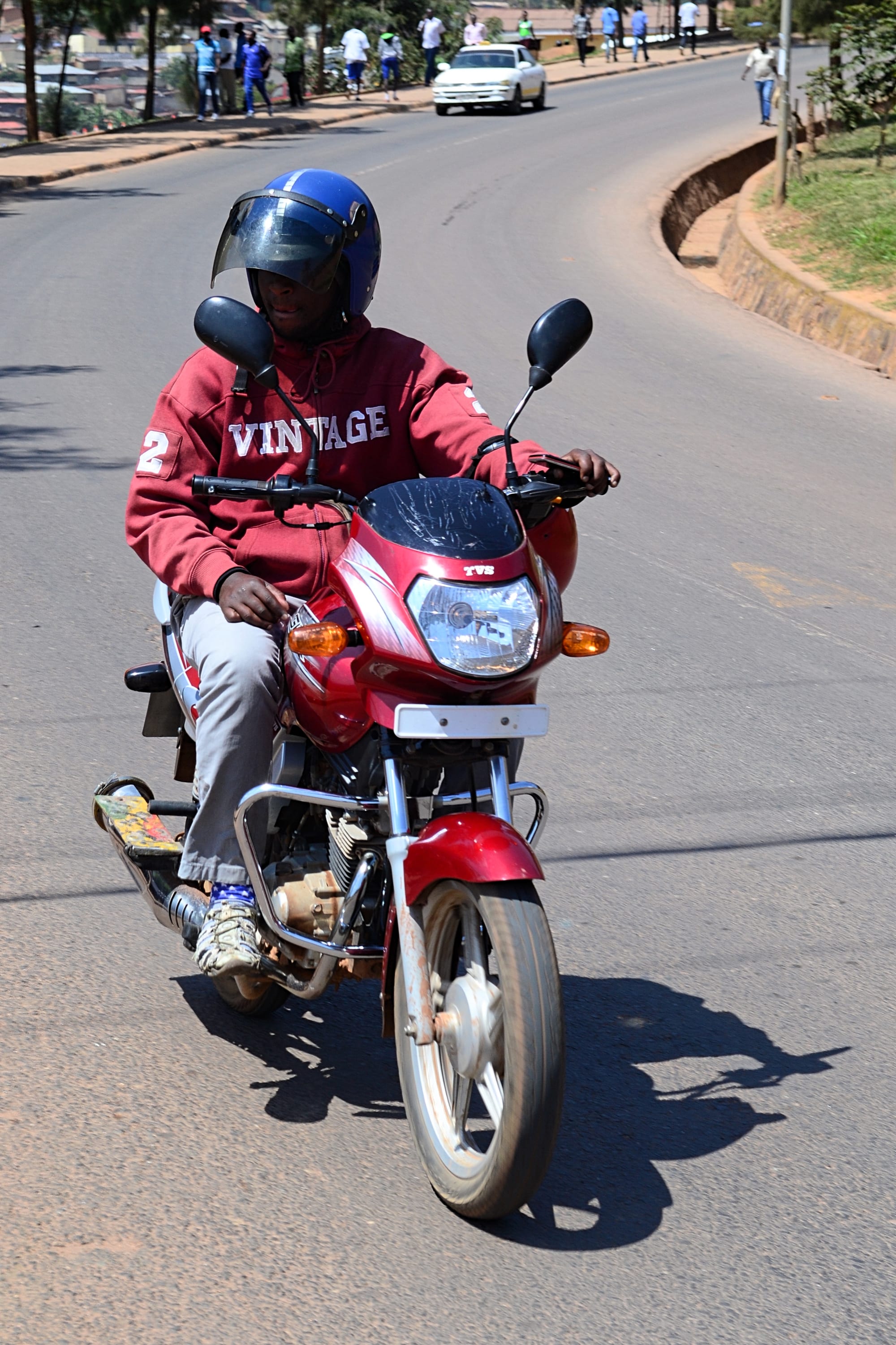
Close to seven in ten Rwandan households still farm, most of them combining crop-growing with keeping a few animals, according to the 2022 national census. The farming day often starts early, making use of the cooler morning hours on the hills. School follows a six-plus-three structure of free, compulsory basic education, taught in Kinyarwanda and English, with the language policy for the early years changed several times since 2008. Getting to work or school off the farm usually means walking, cycling or, especially in Kigali, riding pillion on a moto, the ubiquitous motorcycle taxi that carries a huge share of everyday commuting and short trips.
Community life and public spaces
Markets are the main place where cash, produce and conversation change hands, from small roadside stalls to large covered market halls in Kigali and other towns, selling fruit, vegetables and household goods stacked in dense, colourful piles. Mobile money, carried on ordinary phones, has become a standard way to pay even at small stalls, alongside cash. Public transport outside the capital runs mainly on shared minibuses linking towns along Rwanda's well-maintained roads, while Kigali itself also has city buses and moto-taxis, some of them bookable by app. Umuganda, the mandatory community work morning held on the last Saturday of every month from 8 to 11am, is the one fixture that overrides all of this: traffic stops, most businesses pause, and residents of each neighbourhood gather to clean streets, repair paths or build housing for vulnerable families before the country reopens for the rest of the day.
Free time and weekends
With umuganda occupying one Saturday morning a month, the rest of the weekend is generally given over to church, family visits and, where a household has land beyond its own needs, extra time in the fields. Football is followed closely and played informally on open ground in towns and villages alike. Community-based health insurance, known as mutuelle de santé, now covers the large majority of the population and is one of the quieter but more consequential facts of Rwandan life. In Kigali, café culture built around the country's export-grade coffee has grown quickly, and weekend gatherings increasingly happen there as much as at home.
A visitor's ordinary day
Cash and mobile money both matter: cards are accepted at hotels, better restaurants and supermarkets in Kigali, but smaller towns and market stalls run on cash or mobile money, so carrying Rwandan francs is worth it outside the capital. Moto-taxis are the easiest way to get around Kigali short distances, and drivers generally expect a price agreed before the ride rather than a metered fare, though app-based booking with a fixed price is increasingly available. Shops and markets typically open early and close by early evening. Travellers in the country on the last Saturday of the month should expect roads to be closed and services paused during the umuganda hours, roughly 8 to 11am, a nationwide fact of the calendar rather than a local quirk.
What to take away
What an ordinary day in Rwanda comes back to, more than any single custom, is land: a small terraced plot that most families still work by hand, and a once-a-month Saturday morning when the whole country, by law, puts down its own work to do a few hours of the collective kind instead.